Why Harnesses Are Better Than Collars for Yorkies
It’s a common sight: a tiny Yorkshire Terrier being pulled along by a leash attached to a dainty little collar. While it might look traditional, and perhaps even adorable, many Yorkie parents wrestle with the nagging feeling that their beloved pup isn't entirely comfortable. The truth is, for a breed as unique and delicate as our Yorkshire Terriers, traditional collars can pose some serious health risks and often aren't the best choice for their long-term well-being. This guide is here to shed light on why harnesses are almost always a superior option for these charming companions.
Understanding the Yorkie's Delicate Anatomy
Before we dive into why harnesses are better, it’s crucial to understand the unique physical characteristics of a Yorkshire Terrier that make them particularly vulnerable to neck and tracheal injuries. These aren't large, robust working dogs; they're small, finely built companions whose internal structures are surprisingly delicate.
The Fragile Trachea and Neck
Yorkshire Terriers are renowned for their tiny stature, and with that comes a delicate respiratory system. Their trachea, or windpipe, is much smaller and more susceptible to collapse than in larger breeds. Imagine a small, flexible straw – that's roughly the scale and fragility we're talking about when it comes to a Yorkie's windpipe. Any sustained pressure or sudden jerking motion on a collar can put immense strain on this vital structure, potentially leading to immediate distress or long-term damage. It's not just about the moment of impact; repeated stress can weaken the tracheal rings over time, making them more prone to issues.
Furthermore, their necks are slender and contain sensitive structures like nerves and blood vessels that can be compressed or damaged by ill-fitting or traditional collars. This delicate area needs protection, not pressure, especially during walks when excitement or sudden movements are common. Recognizing this inherent fragility is the first step in understanding why a chest-supporting harness is such a critical piece of equipment for their safety.
Spinal and Skeletal Vulnerabilities
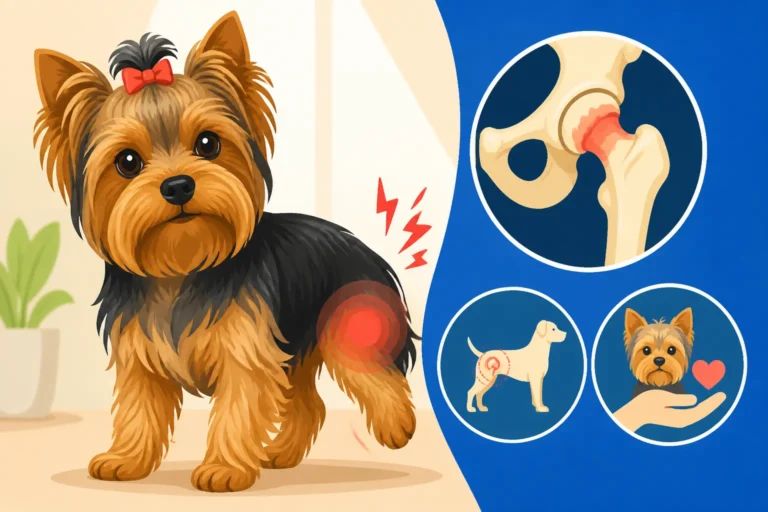
Beyond the trachea, Yorkies can also be predisposed to certain musculoskeletal conditions. While a harness primarily protects the neck and trachea, the way force is distributed across the body during a walk is also relevant to overall skeletal health. When a dog pulls on a collar, the pressure isn't isolated to just the neck; it can transmit down the spine, creating unnecessary torque and strain. For a breed that can be prone to issues like Yorkie Knee Problems Explained or even more severe spinal concerns over their lifespan, minimizing any potential for physical stress is paramount.
Consider also the general posture and gait of a Yorkie. They often walk with their heads up, and any restriction around the neck can alter their natural movement and comfort. A harness, by distributing pressure across the chest and shoulders, allows for a more natural head and neck position, reducing undue stress on the delicate cervical spine and surrounding musculature. This might seem like a small detail, but over years of daily walks, these subtle differences accumulate to contribute significantly to their long-term comfort and joint health.
The Dangers of Traditional Collars for Yorkies
It's not to say all collars are evil; identification tags are crucial. But when it comes to attaching a leash for walks, the risks associated with traditional neck collars for a Yorkie far outweigh any perceived convenience. Many Yorkie owners don't realize the extent of the potential harm until a problem arises, which is exactly what we want to help prevent.
Risk of Collapsing Trachea
This is perhaps the most significant and well-documented danger for Yorkshire Terriers. As mentioned, their tracheas are prone to collapse. When a leash is attached to a neck collar, especially if your Yorkie pulls, lunges, or even just bounces excitedly, the collar can press directly on the windpipe. This pressure can cause the cartilage rings of the trachea to flatten or collapse, making it incredibly difficult for your dog to breathe. You might hear a distinctive "goose honk" cough, which is often a key sign of a compromised trachea.
In severe cases, a collapsing trachea can lead to respiratory distress, fainting, and even require emergency veterinary intervention. It's a terrifying experience for both dog and owner. Preventing Yorkshire Terrier Collapsing Trachea: Signs and Care is far easier and less traumatic than treating it. Even mild, repeated pressure can exacerbate an existing condition or prematurely cause one in a healthy Yorkie. This is why many vets will strongly recommend avoiding neck collars for leash walking in this breed, advocating instead for a harness that completely bypasses the neck.
Increased Eye and Ear Pressure
This might sound a bit surprising, but pressure on the neck can actually impact a Yorkie's eyes and ears. When a collar restricts blood flow or puts pressure on the delicate structures around the throat and neck, it can lead to increased intraocular pressure, potentially worsening or contributing to conditions like glaucoma or cataracts. While not a direct cause, it's an aggravating factor for breeds already prone to eye issues.
Similarly, chronic neck pressure can affect blood circulation to the head and ears, potentially leading to discomfort or exacerbating ear conditions. For a breed like the Yorkie, which can sometimes be prone to ear infections if not properly groomed, any additional stress on this area is best avoided. It's a ripple effect – a seemingly innocuous collar pull can have cascading negative impacts on various parts of their sensitive little bodies. If you ever find yourself wondering, "Why Is My Yorkie Coughing?" after a walk, or notice excessive pawing at their face, a collar could be contributing.
Choking and Escape Risks
Let's face it, Yorkies are small, and they can be surprisingly adept at wriggling out of collars, especially if they get spooked or decide they really don't want to go in a particular direction. A loose collar can quickly become a choking hazard if it gets caught on something, or, more commonly, it can allow your Yorkie to back out of it and bolt into a dangerous situation, like traffic. The fear of a Yorkie slipping their collar is a genuine concern for many owners, and it’s a risk that’s simply not worth taking.
Furthermore, some Yorkies, especially those who are particularly excitable or reactive, might pull excessively on a collar, leading to actual choking and gagging during walks. This isn't just uncomfortable; it's distressing and can create a negative association with walks, making training even more challenging. A proper harness, however, fits securely around the chest and torso, making escape far more difficult and eliminating the direct pressure on the throat, which in turn reduces the risk of self-inflicted choking during leash pulling.
The Unquestionable Benefits of Harnesses for Yorkshire Terriers
Shifting from a collar to a harness isn't just about avoiding problems; it's about actively enhancing your Yorkie's comfort, safety, and overall walking experience. The benefits are numerous and far-reaching, making it an easy choice for responsible pet parents.
Evenly Distributed Pressure and Comfort
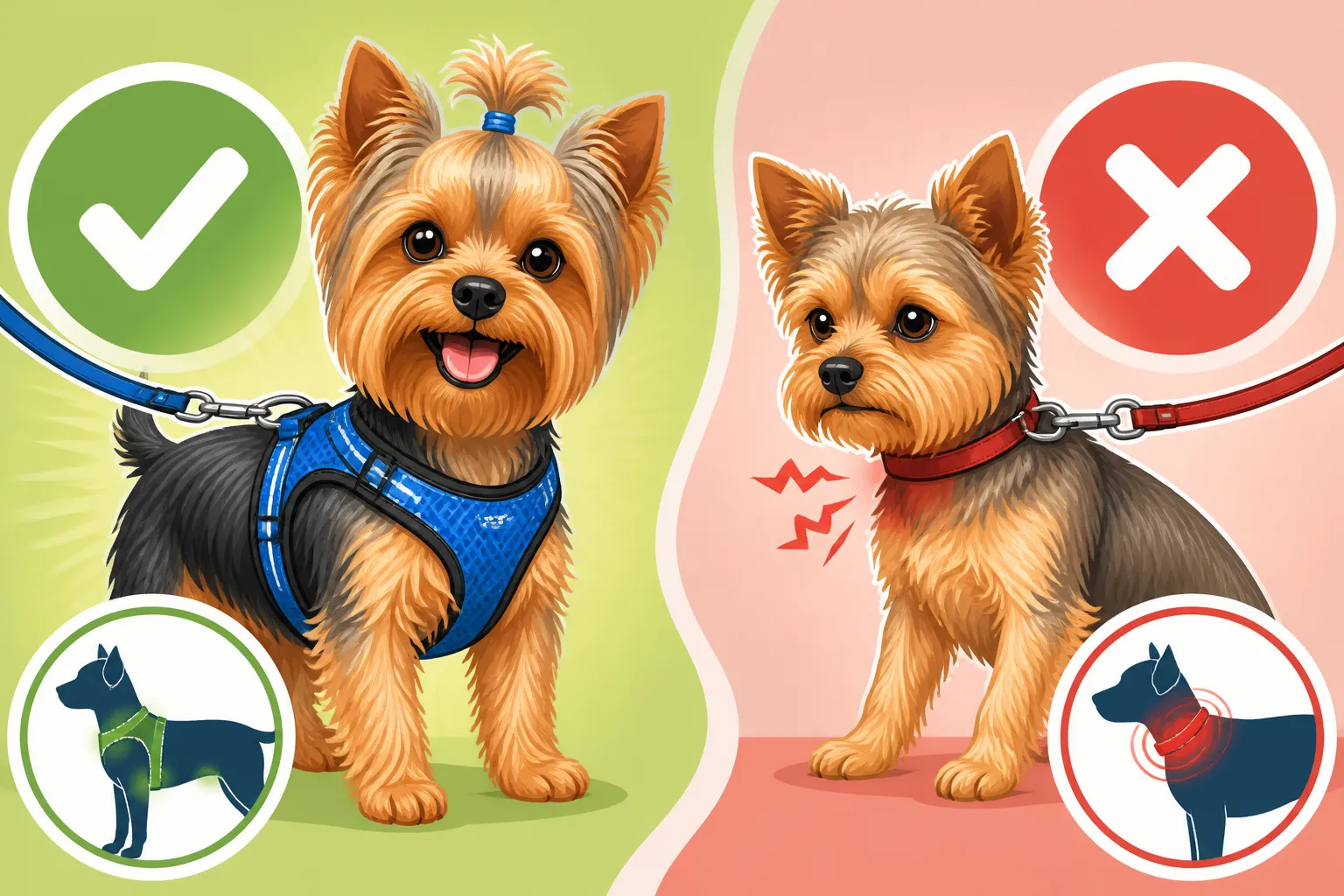
The primary advantage of a harness is how it distributes any pressure from the leash across your Yorkie's chest and shoulders, rather than concentrating it on their delicate neck. This means that if your Yorkie pulls, the force is absorbed by their stronger skeletal structure, protecting their trachea, cervical spine, and soft tissues. It's like the difference between carrying a heavy bag by a thin strap on your neck versus a backpack that distributes the weight across your back and shoulders – one is inherently more comfortable and safer.
With a well-fitting harness, your Yorkie can walk, run, and explore without the constant worry of discomfort or injury to their throat. This improved comfort can lead to a more enjoyable walk for both of you, as your Yorkie is less likely to be distracted by discomfort and more engaged with their surroundings and with you. For dogs that are new to harnesses, it might take a little getting used to, but the long-term comfort is undeniable. This is a crucial aspect of How to Keep a Yorkshire Terrier Healthy.
Enhanced Control and Safety
Harnesses offer significantly better control over your Yorkie, which is a major safety advantage, especially in busy environments. Because the leash attaches to the harness, usually on the back or front, it's much harder for a Yorkie to slip out of it. This provides peace of mind when you're walking near roads, in crowded parks, or anywhere an unexpected bolt could lead to danger. A front-clip harness, in particular, can be very effective for redirecting a pulling Yorkie, gently turning them to the side instead of allowing them to strain forward.
Think about it: if your Yorkie suddenly tries to chase a squirrel, a harness gives you a much better mechanical advantage to safely guide them back without putting damaging pressure on their throat. This enhanced control isn't about restricting their freedom; it's about safeguarding them from potential hazards and ensuring you can confidently manage them in any situation. A good harness, along with your vigilance, helps prevent Yorkie Emergency Symptoms to Never Ignore from accidental leash incidents.
Better for Training and Managing Reactivity
For Yorkie parents dealing with a pulling pup or a dog prone to reactivity (barking or lunging at other dogs/people), a harness can be a game-changer for training. As mentioned, front-clip harnesses are excellent training tools for reducing pulling. When your Yorkie pulls, the leash attachment on the chest causes them to be gently redirected to the side, making it uncomfortable to continue pulling forward. This teaches them, through positive reinforcement, that a loose leash is more rewarding.
Beyond pulling, for dogs with Yorkshire Terrier Behavior Problems and Solutions like reactivity, a harness provides a secure and comfortable way to manage their movements without adding to their stress with neck pressure. If a reactive Yorkie is already anxious, a collar causing discomfort can heighten that anxiety. A harness, by allowing comfortable movement and safe redirection, can make training sessions more effective and less stressful for everyone involved. It encourages a more positive association with walks and allows you to focus on behavior modification rather than managing immediate physical discomfort. When considering Yorkshire Terrier Puppy Training Schedule, introducing a harness early is highly beneficial.
Choosing the Right Harness for Your Yorkie
With so many options available, picking the perfect harness can feel a bit overwhelming. But don't fret! It's all about understanding the different types and ensuring a proper fit to maximize comfort and safety for your pint-sized companion.
Types of Harnesses to Consider
When it comes to harnesses for Yorkies, you'll generally find a few main types, each with its own advantages:
- Step-in Harnesses: These are popular for their ease of use. Your Yorkie steps their front paws through two loops, and you clip it over their back. They're often lightweight and minimal, which can be great for Yorkies who don't like anything going over their head. Brands like Puppia offer popular step-in options.
- Vest Harnesses: These harnesses look a bit like a tiny vest, covering a larger area of the chest and back. They're often made from soft, breathable mesh or fabric, providing excellent comfort and distributing pressure widely. They can be a good choice for very small or fragile Yorkies, as they feel less restrictive. Many companies, including Kurgo, produce high-quality vest harnesses.
- H-Harnesses (Standard Back-Clip): These harnesses have straps that go around the neck and chest, forming an 'H' shape when viewed from the side, with the leash attachment on the back. They are secure and comfortable when properly fitted, ensuring no pressure on the throat.
- Front-Clip Harnesses: These are designed with the leash attachment ring on the chest. When your Yorkie pulls, they are gently redirected to the side, which discourages pulling. They can be very effective for training purposes. While some brands, like Blue-9 Balance Harness, are well-regarded, ensure the design doesn't rub or irritate your Yorkie's delicate underarms.
For an extra layer of peace of mind, especially when you're out and about, many owners consider pet insurance. Providers like Healthy Paws can cover unexpected vet visits for injuries or conditions that might arise, whether from an accident or a pre-existing vulnerability. Having robust coverage, perhaps from Healthy Paws, means you can always make the best health decisions for your Yorkie without financial strain.
Here's a quick comparison of common harness types:
| Harness Type | Pros | Cons | Best For |
|---|---|---|---|
| Step-in | Easy to put on, lightweight, good for head-shy dogs. | Less control for strong pullers, can be less secure if ill-fitting. | Casual walks, Yorkies who don't pull much. |
| Vest | Very comfortable, wide pressure distribution, often stylish. | Can be warmer in hot weather, some dogs dislike the bulk. | Very small/fragile Yorkies, those prone to skin irritation. |
| H-Harness | Secure, good control, widely available, easy to adjust. | Can be tricky to fit perfectly on very narrow chests. | General purpose, most Yorkies who need a secure, comfortable option. |
| Front-Clip | Excellent for leash training and discouraging pulling, great control. | Can tangle legs if not well-fitted, may not be as comfortable for all. | Yorkies who pull excessively, training purposes. |
Proper Sizing and Fit
This is where many owners go wrong, even with the best intentions. An ill-fitting harness can be just as uncomfortable and potentially unsafe as a collar. A harness should be snug enough that your Yorkie can't slip out, but loose enough that it doesn't chafe or restrict movement. The "two-finger rule" is a good guideline: you should be able to comfortably slide two fingers under any strap of the harness.
Measure your Yorkie's chest girth (the widest part of their rib cage, just behind the front legs) and their neck circumference. Compare these measurements to the sizing chart provided by the harness manufacturer. Keep an eye out for straps that might rub under their delicate armpits; some Yorkies have very sensitive skin there. Once on, check that the harness allows a full range of motion for their legs and shoulders, and that it doesn't ride up into their throat. Regularly check the fit as your Yorkie grows or if their weight changes, especially for a Yorkshire Terrier Puppy Health Guide. Remember, even a small shift in weight can necessitate an adjustment.
Introducing Your Yorkie to a Harness
For some Yorkies, especially if they've only ever worn a collar, a harness can feel strange. The key is positive association and patience. Start by letting them sniff and investigate the harness. You can even place treats on it or near it to create a positive link. Next, try putting it on for very short periods inside the house, rewarding them with praise and treats. Let them wear it for a few minutes while you play or give them a meal.
Don't rush straight to a walk. Once they're comfortable wearing it indoors, attach the leash and practice walking around the house. When you do venture outside, keep the first few walks short and full of positive reinforcement. If your Yorkie seems uncomfortable, take a break and try again later. Consistency and kindness are essential. Avoid making Yorkie Training Mistakes to Avoid by forcing the harness on or scolding them if they resist. Many Yorkies quickly adapt and even learn to associate the harness with fun walks, making the process smoother for everyone.
Disclaimer
This article is intended for informational purposes only and does not constitute veterinary advice. Always consult with a qualified veterinarian for any health concerns or before making any decisions about your pet's medical care or training.