Yorkshire Terrier Collapsing Trachea: Treatment Options
Finding out your beloved Yorkshire Terrier has a collapsing trachea can be incredibly frightening and heartbreaking. That distinctive, honking cough that sounds like a goose can quickly turn into a terrifying struggle for breath, leaving you feeling helpless and desperate for solutions. This comprehensive guide is here to walk you through the various treatment options available for Yorkshire Terrier collapsing trachea, from managing symptoms at home to advanced surgical interventions, so you can make informed decisions to help your furry companion breathe easier and live a more comfortable life.
Understanding Collapsing Trachea in Yorkshire Terriers
It’s truly upsetting to see your little Yorkie struggling, and understanding the root cause of their breathing difficulties is the first step toward effective management. Collapsing trachea is a condition that disproportionately affects toy breeds, and our resilient Yorkshire Terriers are unfortunately high on that list.
What Exactly Is Tracheal Collapse?
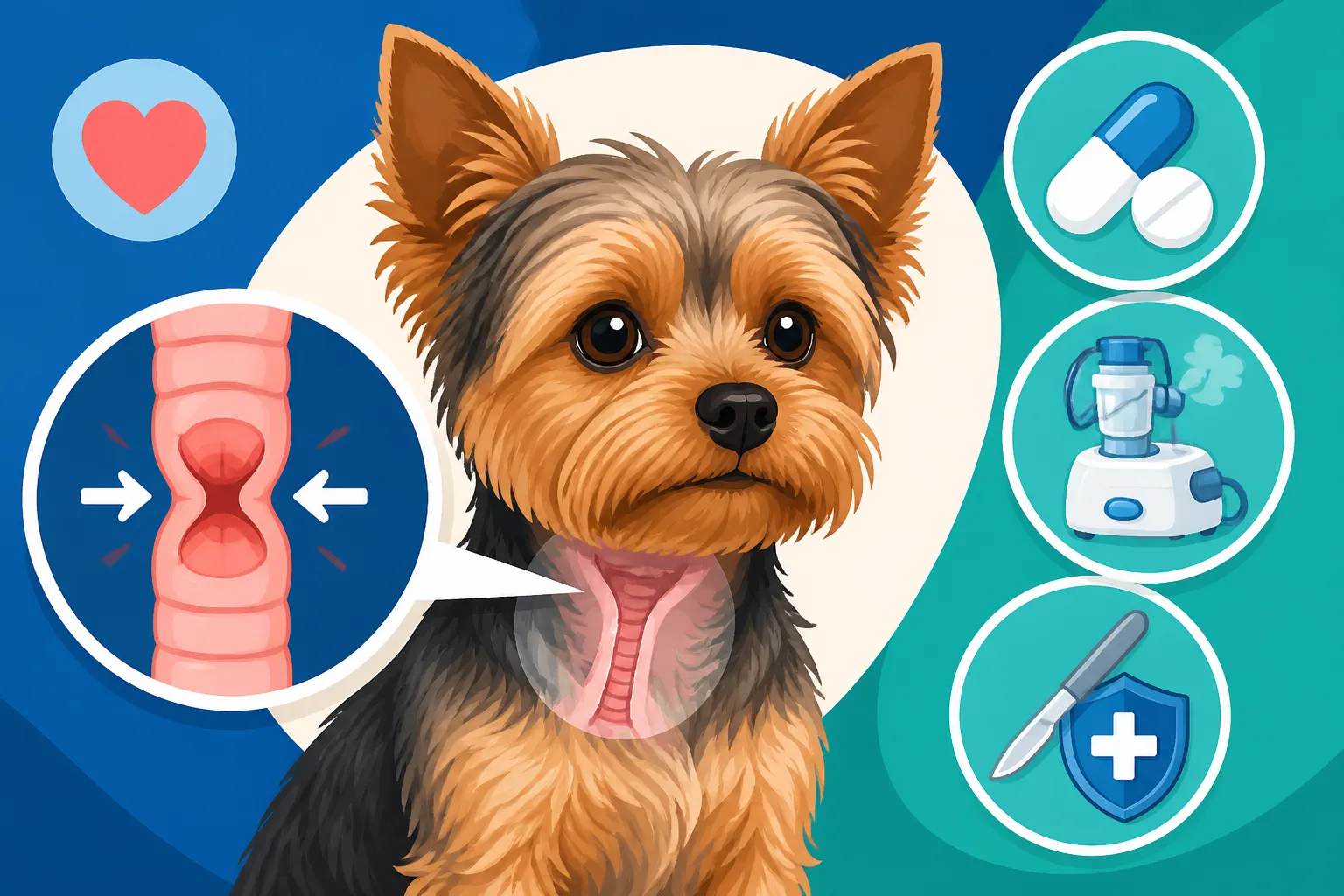
Imagine a vacuum cleaner hose – it's typically rigid and open, allowing air to flow freely. Now, picture that hose becoming soft and flattening out, especially when you apply pressure or try to suck air through it. That's essentially what happens with a collapsing trachea in dogs. The trachea, or windpipe, is a tube made of C-shaped cartilage rings that should stay firm and open, carrying air from the nose and mouth to the lungs. In dogs with tracheal collapse, these cartilage rings weaken and lose their rigidity. When the dog inhales or exhales, especially with excitement, exertion, or stress, the trachea can flatten, obstructing the airway. This partial or complete collapse makes it incredibly difficult for air to pass through, leading to the characteristic cough and labored breathing. This is a progressive condition, meaning it often gets worse over time if not managed properly. If you've ever heard your Yorkie doing that distinctive "goose honk" cough, it's a strong indicator that their trachea might be collapsing. You might want to read more about specific indicators in our guide on Yorkie Coughing: When to Worry.
The exact cause is often genetic, passed down through generations, making some breeds inherently predisposed. However, environmental factors and other health issues can certainly exacerbate it. Obesity puts extra strain on the respiratory system, and irritants like smoke or allergens can worsen inflammation within the airway. For our tiny Yorkies, their delicate anatomy makes them particularly vulnerable to this condition.
Recognizing the Signs and Symptoms
The most telling sign of a collapsing trachea is a dry, harsh, paroxysmal cough that sounds strikingly similar to a goose honking. It's not just a cute little cough; it can be quite alarming and may worsen with excitement, exercise, eating or drinking, or even just pulling on a collar.
Beyond the cough, there are other symptoms to watch out for:
- Labored Breathing: Your Yorkie might seem like they're putting in a lot of effort to breathe, with rapid, shallow breaths. You might notice their chest heaving or their nostrils flaring.
- Wheezing or Gasping: A high-pitched sound or sudden gasps can indicate a severely restricted airway.
- Blue-Tinged Gums (Cyanosis): This is a critical emergency sign. If your Yorkie’s gums or tongue appear bluish or purplish, it means they aren't getting enough oxygen. This requires immediate veterinary attention.
- Reduced Exercise Tolerance: A dog that usually loves to play might become sluggish or refuse to go for walks, simply because breathing becomes too difficult with exertion.
- Fainting or Collapse: In severe cases, extreme coughing fits or oxygen deprivation can lead to your Yorkie temporarily losing consciousness. This is, of course, a terrifying symptom that demands immediate intervention.
- Anxiety and Restlessness: A dog struggling to breathe will naturally be anxious. They might pace, be unable to settle, or actively seek comfort.
If you observe any of these symptoms, especially the goose-honk cough, it’s crucial to get your Yorkie to the vet for a proper diagnosis. Early diagnosis and intervention can significantly improve their quality of life.
Non-Surgical Treatment Options for Collapsing Trachea
When it comes to managing a collapsing trachea, especially in its milder forms, a multifaceted approach focusing on lifestyle changes and medication is often the first line of defense. These strategies aim to reduce symptoms, minimize irritation, and improve your Yorkie's comfort without invasive procedures.
Lifestyle and Environmental Management
These aren't just minor adjustments; they are foundational to helping a Yorkie with a collapsing trachea. Small changes can make a huge difference in their daily comfort and overall well-being.
- Weight Management: This is perhaps one of the most impactful changes you can make. Excess weight puts additional pressure on the trachea and the respiratory system as a whole. Imagine trying to breathe deeply while carrying an extra 10 pounds – it’s just harder. Working with your vet to establish a healthy diet and exercise plan can lead to significant improvements. Even a small amount of weight loss can alleviate symptoms dramatically. Regular monitoring of your Yorkie's weight and adjusting their food intake accordingly is crucial. You can find more information in our article on How to Help an Overweight Yorkie.
- Harness Over Collar: A traditional collar can exert direct pressure on the delicate tracheal area, especially if your Yorkie pulls on the leash during walks or gets excited. This pressure can instantly trigger a coughing fit or worsen a collapse. Switching to a well-fitting harness distributes pressure across their chest and shoulders, completely bypassing the neck. This simple change can prevent many episodes of coughing and make walks much more enjoyable for both of you. You can look into options like the Ruffwear Front Range Harness or the Kurgo Tru-Fit Smart Harness, which are designed for comfort and even pressure distribution. Our guide on Why Harnesses Are Better Than Collars for Yorkies offers a deeper dive into this topic.
- Smoke-Free Environment: Just like humans, dogs are highly sensitive to irritants in the air. Cigarette smoke, fireplace smoke, strong cleaning chemicals, aerosol sprays, and even heavy perfumes can irritate your Yorkie's airways, causing inflammation and triggering coughing spells. Ensuring a completely smoke-free home and minimizing exposure to other airborne irritants is vital. Think of creating a clean, fresh-air sanctuary for your little one.
- Allergen Reduction: Environmental allergens like dust, pollen, and certain household chemicals can also cause inflammation in the airways, making a collapsing trachea worse. Regular cleaning, using air purifiers (especially those with HEPA filters like Coway or Levoit models), and frequent washing of bedding can help reduce these irritants. If seasonal allergies are suspected, your vet might recommend antihistamines or other allergy management strategies.
- Stress and Excitement Reduction: High levels of excitement, stress, or even intense play can lead to rapid breathing and panting, which puts strain on the trachea and can trigger a collapse. While you don't want to turn your Yorkie into a recluse, learning to recognize and manage situations that trigger over-excitement can be beneficial. Gentle play, a calm environment, and consistent routines can help. Sometimes, a mild sedative prescribed by your vet can be helpful for particularly stressful situations like vet visits or travel.
- Humidifier Use: In dry environments, the air can be harsh on the respiratory system. Using a humidifier, particularly in their sleeping area, can add moisture to the air, making it easier for your Yorkie to breathe and potentially reducing irritation in their airways.
Medical Management with Medications
Medications play a significant role in controlling the symptoms of collapsing trachea, often used in conjunction with lifestyle adjustments. Your veterinarian will tailor a medication plan based on the severity of your Yorkie's condition.
- Anti-inflammatory Medications: Inflammation of the tracheal lining can worsen symptoms by further narrowing the airway.
- Corticosteroids (e.g., Prednisone): These are powerful anti-inflammatory drugs that can reduce swelling and irritation in the trachea, helping to open the airway. They can be given orally or, in some cases, via inhalation (nebulization) for more direct delivery and fewer systemic side effects. While highly effective, long-term use requires careful monitoring due to potential side effects like increased thirst, urination, appetite, and more serious issues like adrenal suppression.
- NSAIDs (Non-Steroidal Anti-inflammatory Drugs): For some dogs, veterinary-approved NSAIDs might be used, though corticosteroids are more common for direct tracheal inflammation. Your vet will determine if these are appropriate.
- Cough Suppressants: The constant coughing isn't just irritating; it can further inflame the trachea and perpetuate the cycle of collapse.
- Butorphanol, Hydrocodone, Tramadol: These prescription medications help suppress the cough reflex, providing much-needed relief and allowing the irritated trachea to heal. The goal isn't to eliminate all coughing, but to reduce the severity and frequency of debilitating coughing fits.
- Bronchodilators: These medications work by relaxing the muscles around the airways, making them wider and easier for air to pass through.
- Theophylline, Terbutaline: While more commonly used for conditions like asthma, bronchodilators can sometimes be beneficial in collapsing trachea cases by improving airflow, especially if there's an element of bronchial constriction. They might not directly fix the trachea's collapse but can aid overall respiratory function.
- Sedatives/Anxiolytics: As mentioned, excitement and anxiety can trigger or worsen coughing spells.
- Acepromazine, Alprazolam: In situations where excitement is a major trigger, or during acute coughing crises, a mild sedative can help calm your Yorkie, reduce anxiety, and thus lessen the intensity of breathing efforts and coughing. These are usually used on an as-needed basis or for specific stressful events.
- Antibiotics: If secondary bacterial infections develop due to irritation or compromised respiratory defenses, antibiotics will be prescribed to clear the infection. This isn't a direct treatment for collapse but addresses a complicating factor.
It's important to remember that medical management is often lifelong. Regular veterinary check-ups are essential to adjust dosages and monitor for side effects. Investing in pet insurance, like a plan from Healthy Paws, can be incredibly helpful for managing the ongoing costs of these medications and frequent vet visits.
Surgical Interventions for Severe Tracheal Collapse
When conservative medical and lifestyle management no longer adequately controls the symptoms of tracheal collapse, or if the condition is particularly severe and life-threatening, surgery becomes a necessary consideration. These procedures aim to physically support the trachea and keep the airway open.
Tracheal Stent Placement
This is a modern and increasingly common surgical option for moderate to severe cases of collapsing trachea. A tracheal stent is a small, flexible, self-expanding mesh tube, usually made of nitinol (a nickel-titanium alloy), that is placed inside the collapsing segment of the trachea.
The Procedure:
The stent is inserted into the trachea using an endoscope, a thin tube with a camera, allowing the veterinary surgeon to visualize the placement precisely. Once in position, the stent slowly expands to push against the tracheal walls, holding them open and preventing collapse. It essentially acts as an internal scaffold. This procedure is generally less invasive than traditional external ring placement.
Pros of Stent Placement:
- Minimally Invasive: Compared to external rings, stent placement involves no external incisions in the neck.
- Immediate Relief: Many dogs show immediate improvement in breathing and a significant reduction in coughing post-procedure.
- Effective for Internal Collapse: It directly addresses the internal collapse by propping the airway open from the inside.
Cons and Potential Complications:
- Stent Fractures: Over time, particularly in very active dogs or if the stent is too rigid, it can fracture, leading to renewed collapse or irritation.
- Granulation Tissue Formation: The body might react to the foreign material by forming scar tissue (granulation tissue) around the stent, which can narrow the airway.
- Stent Migration: Though rare, the stent can sometimes move from its intended position.
- Infection: Any internal device carries a risk of infection.
- Persistent Cough: While often significantly reduced, some dogs may still have a residual cough due to irritation from the stent or continued collapse in areas not stented.
- High Cost: Tracheal stent placement is a specialized procedure that can be quite expensive. This is where a robust pet insurance policy, such as those offered by Healthy Paws, can be a lifesaver, covering a substantial portion of these significant veterinary expenses.
Recovery typically involves careful monitoring, strict rest, and continued medication (often antibiotics, anti-inflammatories, and cough suppressants) for several weeks. Long-term follow-up is essential to monitor the stent and overall respiratory health.
Tracheal Ring Placement
This is a more traditional surgical approach, involving placing external rings around the trachea to provide support.
The Procedure:
Unlike stenting, which is internal, tracheal ring placement is an external procedure. The surgeon makes an incision in the dog's neck and carefully dissects around the collapsing segment of the trachea. Small plastic or polypropylene rings (often custom-made or pre-fabricated to fit the dog's trachea) are then sutured around the outside of the collapsed rings, effectively acting as external splints. These rings reinforce the weakened cartilage, keeping the airway open.
Pros of Ring Placement:
- Durable Support: The external rings provide strong, long-lasting support to the trachea.
- No Internal Foreign Body Reaction: Since the rings are external, there's no risk of granulation tissue forming inside the airway due to a stent.
- Good for Cervical Trachea: This method is often very effective for collapse in the upper (cervical) part of the trachea.
Cons and Potential Complications:
- More Invasive: This is a more extensive surgery with a longer recovery period and higher anesthetic risk, especially for a small breed like a Yorkie.
- Nerve Damage: There's a risk of damaging recurrent laryngeal nerves during the dissection, which can affect barking or swallowing.
- Post-Operative Swelling: Significant swelling around the surgical site can temporarily worsen breathing.
- Infection: As with any surgery, there's a risk of post-operative infection.
- Ineffective for Intrathoracic Collapse: This method is generally not suitable for collapse that occurs deeper in the chest cavity (intrathoracic trachea) as those areas are difficult to access surgically.
- Potential for Continued Collapse: While the stented or ringed segment is supported, other parts of the trachea (or even the bronchi) can still collapse, leading to ongoing symptoms.
Both surgical options require careful consideration, and your veterinarian will discuss the pros and cons, success rates, and potential complications specific to your Yorkie's condition. The best approach depends on the location and severity of the collapse, your dog's overall health, and the expertise of the available surgical team. Regardless of the chosen path, detailed post-operative care and follow-up are critical for success.
Managing Long-Term Care and Prevention
Living with a Yorkie diagnosed with collapsing trachea means committing to long-term care. While prevention of the condition itself is often impossible due to its genetic nature, preventing exacerbations and improving daily comfort is entirely within your control. It’s about creating a supportive environment and staying vigilant.
Ongoing Monitoring and Vet Visits
Collapsing trachea is a progressive condition, meaning it often changes over time. What works today might need adjustment tomorrow. Regular check-ups with your veterinarian are non-negotiable for a Yorkie with this diagnosis.
- Scheduled Follow-ups: Even if your Yorkie seems stable, schedule routine follow-up appointments, perhaps every 6-12 months, or more frequently if symptoms are severe or changing. These visits allow your vet to assess their breathing, listen to their lungs, check their weight, and evaluate the effectiveness of their current medication regimen. They might recommend repeat X-rays or fluoroscopy (a moving X-ray) to monitor the trachea's condition.
- Prompt Attention to Changes: You know your Yorkie best. If you notice any worsening of the cough, increased breathing difficulty, changes in energy levels, or any new symptoms, don't wait for your next scheduled appointment. Contact your vet immediately. Early intervention can prevent a crisis. For instance, if your Yorkie suddenly starts Yorkie Shaking: When to Worry, coupled with breathing issues, it could signal distress or low oxygen.
- Medication Adjustments: Your vet may need to adjust the dosage or type of medications as the disease progresses or if your Yorkie’s response changes. Never adjust medication yourself without veterinary guidance. Keep a detailed log of your Yorkie’s symptoms, coughing episodes, and medication schedule to share with your vet; this information is invaluable.
- Holistic Health Assessment: Collapsing trachea can impact or be impacted by other health issues. Your vet will monitor for conditions like heart disease, dental problems (Yorkie Dental Disease Prevention is crucial as poor dental health can lead to inflammation that affects respiratory health), or other respiratory illnesses that might complicate management.
Proactive Steps to Improve Quality of Life
Beyond medical interventions, there’s so much you can do at home to help your Yorkie lead a happier, more comfortable life despite their condition. These proactive measures are about creating an environment where their compromised respiratory system is less stressed.
- Consistent Weight Management: We talked about this as a treatment, but it’s just as vital for long-term prevention. Maintaining an ideal weight throughout your Yorkie’s life will significantly reduce strain on their trachea. Stick to their prescribed diet, measure portions carefully, and limit treats.
- Stress-Free Exercise Routine: While exertion can trigger coughing, exercise is still important for maintaining muscle tone and a healthy weight. Opt for short, gentle walks using a harness, several times a day, rather than one long, strenuous outing. Avoid walks during the hottest parts of the day or in very cold, dry air. Indoor play that is low-impact and calm can also be beneficial. Remember, the goal is to keep them active without causing excessive panting or excitement.
- Optimizing Home Environment: Continue to enforce a smoke-free home and minimize exposure to airborne irritants. Consider investing in high-quality air purifiers for the rooms your Yorkie spends the most time in. Keep their living space clean to reduce dust and allergens. If you live in a particularly dry climate, a humidifier can add much-needed moisture to the air, making it less irritating for their airways.
- Hydration: Ensuring your Yorkie always has access to fresh, clean water is important. Hydration helps keep mucous membranes moist, which can be beneficial for respiratory health. Some dogs might benefit from drinking water after coughing spells to soothe their throat.
- Dietary Considerations: While there isn't a specific "tracheal collapse diet," a high-quality, easily digestible diet that helps maintain a healthy weight is crucial. If your Yorkie is prone to stomach upset or acid reflux (which can irritate the throat and worsen coughing), your vet might suggest specific dietary changes or medications to manage these issues. Some owners find smaller, more frequent meals are better than one or two large ones.
- Regular Grooming: While not directly related to tracheal collapse, keeping your Yorkie's coat and skin healthy can prevent other issues that might cause stress or discomfort, which can indirectly affect their breathing. Ensure their face is clean, as tear stains or matted hair can lead to skin irritation.
By diligently implementing these long-term care strategies and working closely with your veterinarian, you can significantly improve your Yorkshire Terrier's comfort and quality of life, allowing them to enjoy their days with fewer struggles. Remember, you're their advocate, and your commitment to their well-being makes all the difference.
Treatment Options at a Glance
Here’s a quick overview to help you compare the different approaches to managing tracheal collapse in your Yorkie.
| Treatment Type | Description | Pros | Cons |
|---|---|---|---|
| Lifestyle Changes | Weight management, harness use, smoke-free home, reduced excitement. | Non-invasive, affordable, often provides significant relief for mild cases. | Requires consistent effort, may not be enough for severe cases. |
| Medication | Anti-inflammatories, cough suppressants, bronchodilators, sedatives. | Non-invasive, helps manage symptoms and improve comfort. | Does not cure the condition, potential side effects, lifelong treatment often needed, ongoing costs. |
| Tracheal Stent | Internal mesh tube placed in the trachea to hold it open. | Minimally invasive surgery, immediate relief, effective for internal collapse. | High cost, potential for stent fracture, granulation tissue, migration, residual cough. |
| Tracheal Ring | External plastic rings sutured around the trachea to provide support. | Durable support, no internal foreign body reaction, effective for cervical collapse. | More invasive surgery, higher anesthetic risk, nerve damage risk, not suitable for intrathoracic collapse. |
Disclaimer
The information provided in this article is for general informational purposes only and is not a substitute for professional veterinary advice. Always consult with a qualified veterinarian regarding any health concerns or before making any decisions about your pet's medical care.