When Do Yorkies Stop Growing
It's a common question that swirls through the minds of every proud Yorkie parent: "Just how big is my little furball going to get, and when will they finally stop growing?" It can be a bit of a guessing game, especially when you're watching your tiny puppy transform almost daily. This guide will walk you through the typical growth phases of a Yorkshire Terrier, help you understand what influences their final size, and give you clear expectations so you can better anticipate your beloved companion's development.
Understanding the Yorkie Growth Timeline
Watching a Yorkie puppy grow is like watching a tiny, adorable espresso shot of energy transform. They start so incredibly small, and it feels like every week brings a noticeable change. But there's a pretty predictable timeline for when they hit their major growth milestones and eventually, settle into their adult size.
Puppy Growth Spurts and Key Milestones
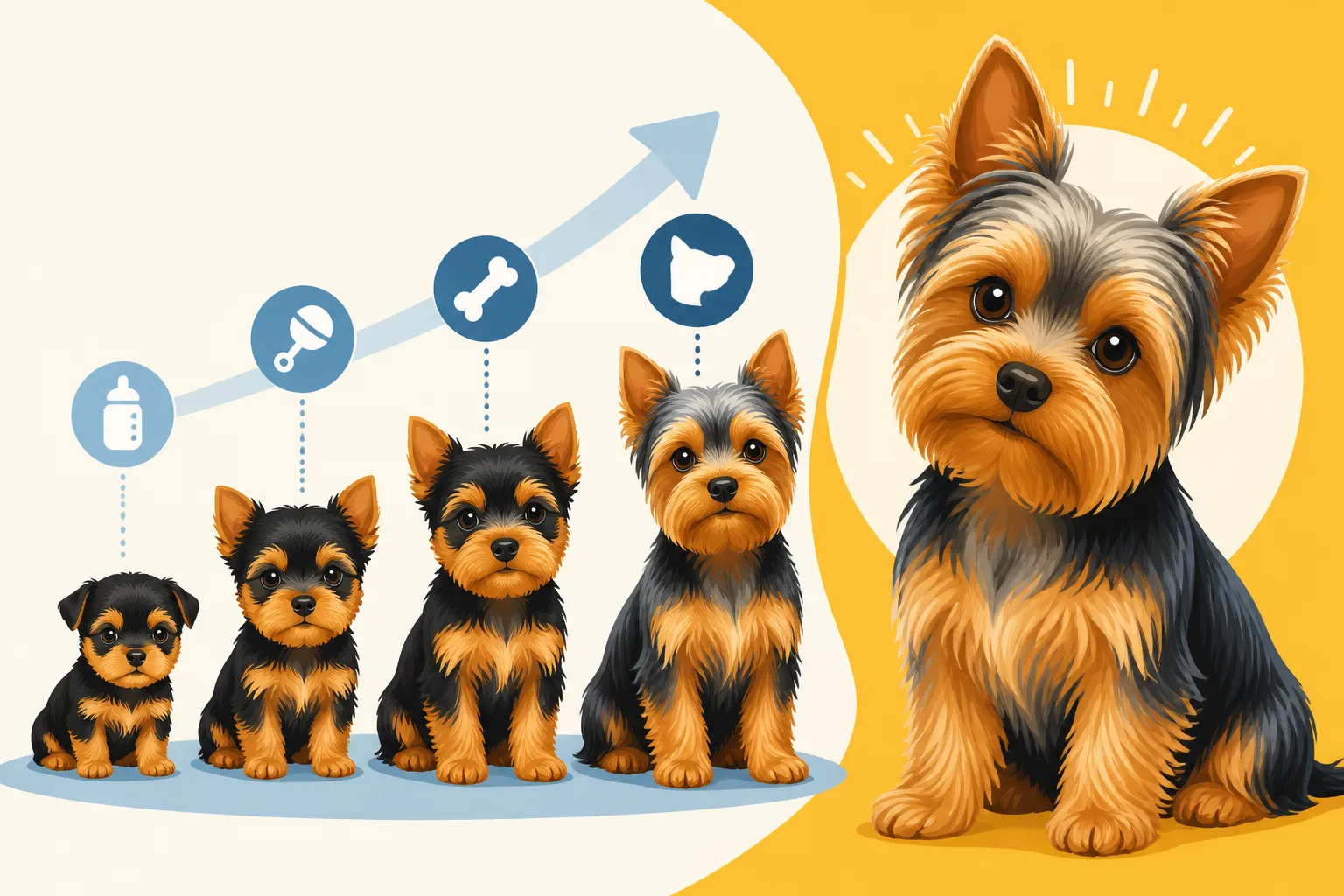
Yorkshire Terrier puppies experience their most rapid growth during the first few months of life. Right around 8 weeks, when many puppies are ready to go to their forever homes, they're still incredibly petite, usually weighing just a pound or two. From this point, they'll undergo significant development. The first six months are often a whirlwind of growth spurts where you might feel like you can almost see them getting bigger by the day. Their bones are lengthening, their muscles are developing, and they're gaining weight steadily.
During this time, it's crucial they receive proper nutrition. High-quality puppy food, often found on platforms like Chewy, is specially formulated to support this intense growth phase. By three to four months, many Yorkie puppies will have already reached about half of their adult weight. This rapid phase then starts to slow down, becoming more gradual as they approach their first birthday. You'll notice their energy levels might still be sky-high, but their physical size changes won't be as dramatic. If you're keen on knowing more about this vital period, our guide on a Yorkshire Terrier Puppy Care Guide is a fantastic resource.
When They Reach Full Size
For most Yorkshire Terriers, their primary growth in height and length typically concludes between 9 and 12 months of age. This is often referred to as reaching their "skeletal maturity." However, while their height and length might be pretty much set, they can continue to "fill out" or gain a bit more muscle and girth until they are around 18 months old. Think of it like a human teenager: they hit their full height fairly early, but then they mature and develop a bit more body mass over the next few years.
So, if your Yorkie is around a year old and still seems a bit lanky, don't worry too much. They're likely done growing upwards, but they still have a few months to round out their physique. The final weight they achieve by 18 months will usually be their adult weight, barring any significant dietary or health changes. Knowing this timeline can help you better understand their development and adjust their food portions as they transition from a ravenous puppy to a full-grown adult, as covered in our article on Yorkshire Terrier Feeding Guide by Age.
Factors Influencing a Yorkie's Final Size
While there's a general blueprint for how a Yorkie grows, several factors can play a significant role in determining whether your furry friend ends up on the smaller or larger end of the breed standard. It's not just a roll of the dice; there's some science and care involved.
Genetics and Parental Size
Hands down, genetics are the most significant predictor of your Yorkie's eventual size. Just like humans, puppies inherit traits from their parents. If both parents are smaller, within the typical breed standard of around 4-7 pounds, it's highly probable their offspring will fall within that range. Conversely, if one or both parents lean towards the larger end of the spectrum, their puppies are more likely to be larger as well.
This is why reputable breeders often provide information about the puppy's parents, including their weights and health history. Seeing the parents can give you a very good indication of what to expect. Remember, however, that even within the same litter, there can be variations. Some puppies might take more after one parent, while others might be an average of both. It’s always fascinating to see how these genetic blueprints play out in real life! For more on their overall health and genetic predispositions, our article on Common Yorkshire Terrier Genetic Conditions might be helpful.
Nutrition and Diet
A puppy's diet during their crucial growth phases is absolutely vital. Proper nutrition doesn't just impact their current energy levels; it lays the foundation for their lifelong health and can directly influence their growth trajectory. A high-quality puppy food specifically formulated for small breeds provides the right balance of protein, fats, vitamins, and minerals essential for bone development, muscle growth, and overall health.
Undernutrition, especially during the rapid growth period, can unfortunately lead to stunted growth and other health issues. Conversely, overfeeding can lead to rapid, unhealthy growth and obesity, putting undue stress on developing joints. It's a delicate balance. Always consult with your veterinarian about the best food for your Yorkie and follow feeding guidelines diligently. Brands available on Chewy often have detailed nutritional information and recommendations based on age and weight, making it easier to choose wisely. For a deeper dive into feeding your Yorkie, check out Best Dog Food for Yorkshire Terriers.
Health and Wellness
A Yorkie's general health plays an undeniable role in their growth and development. Puppies who experience significant health issues or chronic illnesses during their prime growth period may not reach their full genetic potential. Conditions that affect nutrient absorption, chronic stress, or even severe parasitic infections can divert resources away from growth, impacting their size.
Regular veterinary check-ups are paramount, especially during puppyhood, to ensure your Yorkie is healthy and thriving. Early detection and treatment of any health concerns can prevent them from impacting growth. Vaccinations, deworming, and monitoring for any signs of illness are all part of responsible puppy care that supports robust development. Our detailed guide on Yorkshire Terrier Puppy Health Guide covers various health issues that could affect growth and overall well-being.
Typical Yorkshire Terrier Size and Weight
It's easy to look at a tiny Yorkie puppy and imagine them staying that way forever, but they do grow into their own unique adult forms. Understanding the standard size expectations can help you gauge your own pup's development.
Standard Yorkshire Terrier Dimensions
According to the American Kennel Club (AKC) breed standard, a full-grown Yorkshire Terrier should ideally weigh no more than seven pounds. This weight range is for a healthy, adult Yorkie, typically between 1 and 7 pounds. In terms of height, they usually stand between 7 and 8 inches tall at the shoulder.
It's important to remember these are guidelines. You might encounter Yorkies that are slightly smaller or larger and are still perfectly healthy and happy. What’s most important is that your Yorkie is proportionate, energetic, and maintains a healthy body condition, rather than fixating too much on an exact number on the scale. A Yorkie that grows robustly within these parameters is considered a standard size. To better understand the breed's general characteristics, you might find our article on How Big Do Yorkshire Terriers Get useful.
Here’s a general guide for typical Yorkie puppy weight by age, though individual variations are common:
| Age (Weeks) | Approximate Weight Range (Pounds) | Notes |
|---|---|---|
| 8 weeks | 1.5 – 2.5 | Often when puppies go to new homes. |
| 12 weeks | 2.5 – 4 | Rapid growth continues. |
| 16 weeks | 3.5 – 5 | Growth rate starts to moderate. |
| 6 months | 4.5 – 6 | Approaching 75-80% of adult weight. |
| 9 months | 5 – 7 | Reaching skeletal maturity, most height/length gained. |
| 12-18 months | 5 – 7+ | Full adult weight and size, may fill out slightly more. |
Please note: This table provides general ranges. Individual Yorkies can vary based on genetics, diet, and overall health.
Teacup Yorkies and Their Growth
You've probably heard the term "Teacup Yorkie" tossed around. This term refers to Yorkshire Terriers that mature at a significantly smaller size than the official AKC standard, often weighing less than 4 pounds. It's crucial to understand that "teacup" is not a recognized breed or official size classification; it's a descriptive term used by some breeders or owners.
While incredibly adorable, these miniature Yorkies are often the result of breeding the smallest dogs from litters, sometimes even runts, or through intentional breeding for smaller stature. While some "teacup" Yorkies can be healthy, they are generally more prone to a host of health issues, including hypoglycemia (low blood sugar), fragile bones, dental problems, and liver shunts. Their growth timeline will still follow a similar pattern to a standard Yorkie, but they will simply stop growing at a much smaller scale. If you are considering a "teacup" Yorkie, it's vital to research thoroughly and understand the potential health implications. Our dedicated article on Teacup Yorkie: What to Know explores this topic in much greater detail.
Monitoring Your Yorkie's Growth
Being a responsible Yorkie parent means keeping an eye on your pup's development. It's not just about satisfying curiosity; it's about ensuring they are growing healthily and addressing any concerns promptly.
How to Track Your Puppy's Development
Tracking your Yorkie puppy's growth is a fun and informative way to stay engaged with their development. One of the easiest methods is to weigh them regularly, especially during their first year. You can use a simple digital kitchen scale for tiny puppies, or a pet-specific scale available from pet supply retailers like Chewy as they get a bit bigger. Weigh them weekly for the first few months, then monthly as they approach their first birthday. Keep a record of their weight and age in a journal or a spreadsheet.
Beyond weight, observe their overall body condition. Are they too skinny, with ribs easily visible? Or are they getting a little chubby, with no discernible waist? A healthy Yorkie should have a lean but not bony appearance, with a slight waist when viewed from above. Take photos regularly to see their physical changes over time. Pay attention to their energy levels, coat quality, and appetite, as these are all indicators of good health and proper growth. This ongoing observation will help you determine if your Yorkie is growing at a healthy rate.
When to Consult a Vet About Growth Concerns
While slight variations in growth are normal, there are times when a veterinarian's input is essential. If your Yorkie puppy seems significantly smaller or larger than the general guidelines for their age, or if their growth appears to have completely stalled, it's a good idea to schedule a vet visit. Rapid, unexplained weight loss or gain in a puppy is also a red flag.
Other concerning signs related to growth include:
- Persistent lethargy or lack of energy: While puppies sleep a lot, they should also have bursts of playful energy.
- Poor appetite or difficulty eating: This can prevent them from getting the necessary nutrients.
- Persistent vomiting or diarrhea: These can lead to dehydration and nutrient loss, hindering growth.
- Noticeable lameness or difficulty walking: This could indicate bone or joint development issues.
- Any signs of pain or discomfort.
Your vet can assess your Yorkie's overall health, discuss their diet, and perform any necessary tests to rule out underlying medical conditions that might be affecting their growth. Early intervention is always best when it comes to puppy health. If you ever find yourself wondering if it's time for a professional opinion, our guide When to Take Your Yorkie to the Vet offers valuable insights.
Bringing a Yorkshire Terrier into your life is an adventure filled with joy, and watching them grow from a tiny, fragile puppy into a confident, charming adult is one of the most rewarding parts. While their growth journey typically peaks by 9-12 months for height and length, with some filling out until 18 months, remember that each Yorkie is an individual. By providing excellent nutrition, regular veterinary care, and plenty of love, you'll ensure your little companion thrives at every stage, regardless of their exact final size.
Disclaimer
This article is intended for informational purposes only and does not constitute veterinary advice. Always consult with a qualified veterinarian for any health concerns or before making any decisions about your pet's health or treatment.