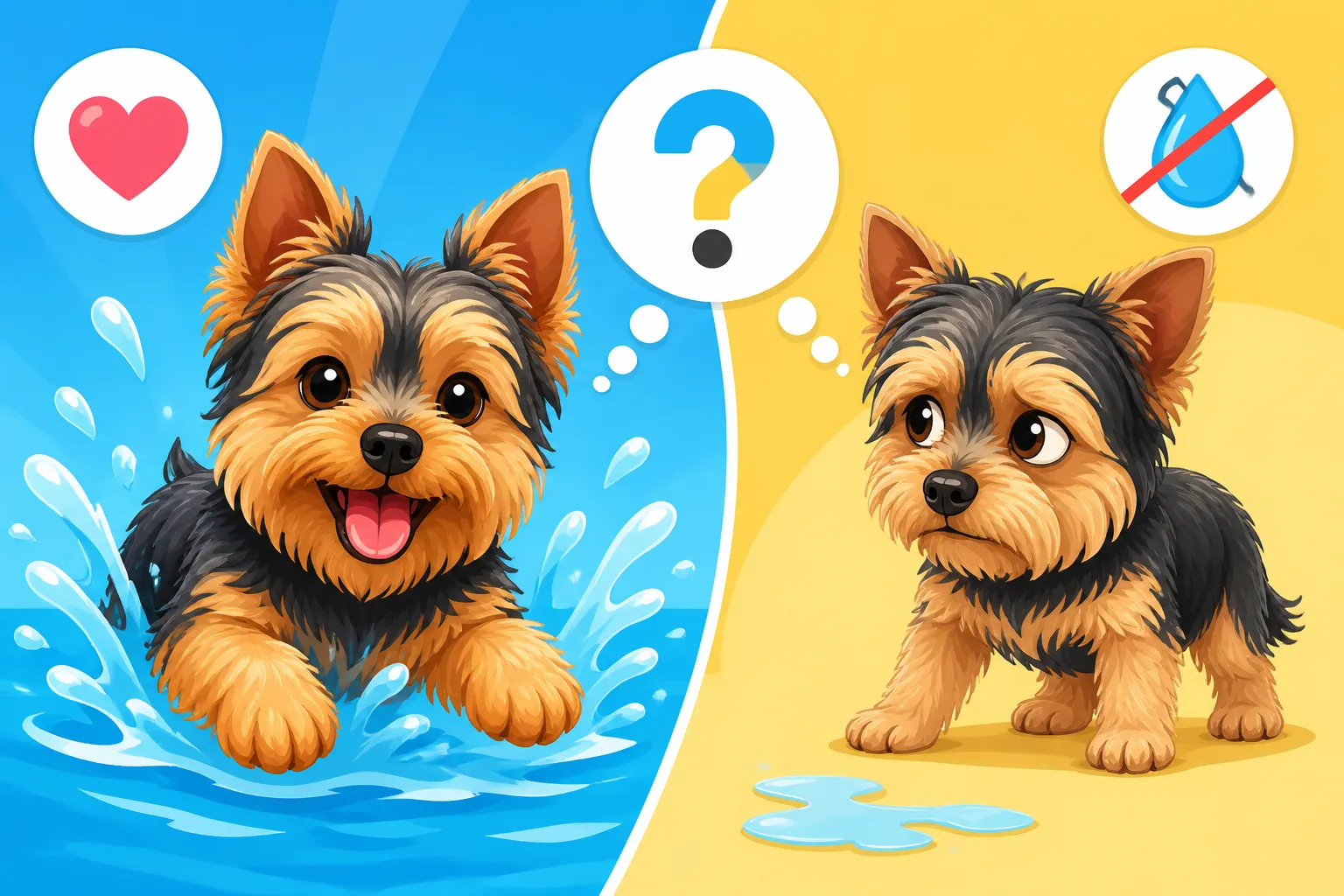
Do Yorkies Like Water
It’s a common misconception that all dogs instinctively love water and are natural swimmers. For us Yorkshire Terrier parents, this question often comes with a bit more anxiety, especially when we think about bath time, a spontaneous splash in a puddle, or even just navigating a rainy day. The truth is, whether your Yorkie will happily paddle or run for cover largely depends on their individual personality and early experiences, and understanding this can make all the difference in keeping them safe and happy. This guide will dive deep into the world of Yorkies and water, helping you understand their preferences and how to introduce them to aquatic activities safely and positively.
The Truth About Yorkies and Water: A Mixed Bag
Unlike some larger breeds known for their love of swimming, Yorkshire Terriers aren't typically water enthusiasts. Their small stature, fine coat, and often delicate bone structure mean that deep water can be intimidating, dangerous, and sometimes even a source of genuine fear. But this doesn't mean all Yorkies are completely averse to water; it simply means their relationship with it is often more nuanced and requires a gentle approach.
Understanding Their Natural Inclinations
Yorkshire Terriers were originally bred in the chilly, damp climates of Yorkshire, England, as ratters in mills and mines. Their fine, silky coats, while beautiful, are not designed for insulation in water like a Labrador Retriever's dense double coat. When wet, their hair can become heavy and clingy, making them feel cold and cumbersome. This physical characteristic alone can contribute to a natural reluctance toward extensive water exposure.
Beyond their physical build, the Yorkie’s temperament plays a huge role. These are often confident, sassy little dogs, but they can also be prone to anxiety or fear if confronted with new or overwhelming situations. A large body of water, with its unpredictable movements and unfamiliar sensation, can easily trigger stress in a small dog whose feet can’t touch the bottom. Their inherent protective instincts, though usually directed at their human family, can sometimes manifest as caution or even aggression when faced with something perceived as a threat, like a fast-moving stream or a boisterous swimming pool. Understanding your particular Yorkie's unique Yorkshire Terrier Temperament and Personality is key to gauging their potential interest in water.
Factors Influencing a Yorkie's Water Preference
It's not just about breed; a multitude of factors can shape your individual Yorkie's feelings about water. Early exposure is paramount: a puppy introduced to shallow water and positive experiences from a young age is far more likely to tolerate or even enjoy it as an adult. Conversely, a negative or traumatic experience, like being accidentally dropped into water or forced to swim, can create a lifelong aversion.
Their individual personality is another huge factor. Some Yorkies are naturally more adventurous and curious, while others are more timid and prefer the safety of dry land. Health status can also influence this. For instance, a Yorkie with a history of ear infections might naturally shy away from water getting into their ears, or one prone to Yorkie Knee Problems Explained like patellar luxation might find swimming or splashing painful or uncomfortable. Even something as simple as the temperature of the water can make a difference; warm, shallow water on a sunny day is often more appealing than a cold dip.
Safe Water Activities for Yorkies and How to Introduce Them
While a Yorkie might not be keen on deep-sea diving, there are plenty of safe and enjoyable ways for them to interact with water, especially during warmer months. The trick is to start small, always prioritize their safety, and make every experience positive.
Introducing Your Yorkie to Water Safely
The key to a successful introduction is patience and positive reinforcement. Never, ever force your Yorkie into water. This will only foster fear and distrust. Start with extremely shallow water, perhaps just enough to cover their paws. A small kiddie pool in your backyard, filled with a few inches of lukewarm water, can be a perfect starting point. Toss in a favorite toy and encourage them gently with an upbeat voice and treats.
Let them explore at their own pace. If they just want to dip their toes, that's okay! Celebrate any positive interaction, no matter how small. For example, if they step into the water, immediately reward them with a high-value treat and praise. You might even sit by the pool yourself and gently splash your hands, showing them it’s fun and non-threatening. Repeat these short, positive sessions consistently. If your Yorkie seems stressed or tries to leave, end the session immediately on a positive note, perhaps with a final treat away from the water. Remember, slow and steady wins the race when building confidence around water.
Enjoyable Water Activities
Once your Yorkie shows some comfort with shallow water, you can gradually introduce them to slightly more interactive activities. Here are a few ideas:
- Splash Pads or Sprinklers: Many dogs find the gentle spray of a sprinkler or a dedicated splash pad stimulating and fun. It's a great way to cool off without being fully submerged.
- Shallow Wading Pools: A small plastic kiddie pool remains an excellent option. You can increase the water level slightly as their confidence grows, but never beyond their chest height when standing.
- Boat Rides (with a life vest): If you enjoy boating, your Yorkie can certainly join, provided they wear a properly fitted life vest. They'll enjoy being with you and feeling the breeze, without needing to enter the water.
- Supervised Beach or Lake Visits: Choose calm, shallow areas with a gentle slope. Keep them on a leash and ensure they can always stand comfortably. Avoid strong currents or deep drop-offs. Always check local regulations to ensure dogs are allowed and that the water is safe from harmful algae or debris. Remember to provide plenty of fresh water to drink, even if they're near a lake, to prevent them from ingesting potentially contaminated water. This is crucial for their overall How to Care for a Yorkie in Summer plan.
Essential Safety Gear and Supervision
Safety is paramount whenever your Yorkie is near water. Their small size makes them particularly vulnerable to accidental drowning, cold shock, or being overwhelmed.
- Life Vest: This is non-negotiable for any water activity where your Yorkie might be out of their depth, including boating, paddleboarding, or even in deeper sections of a pool. Look for a vest with good buoyancy, a strong handle on the back for easy retrieval, and secure adjustable straps. Brands like Outward Hound and Kurgo offer excellent options for small breeds, and you can often find a wide selection of sizes and styles on Chewy to ensure a snug, safe fit. A properly fitting life vest should allow your Yorkie to float effortlessly with their head above water.
- Leash and Harness: Even if your Yorkie seems comfortable, keep them on a leash, especially in open water environments like lakes or beaches. A harness is always preferable to a collar for Yorkies, as it distributes pressure evenly and protects their delicate neck and trachea. You can learn more about Why Harnesses Are Better Than Collars for Yorkies.
- Constant Supervision: Never leave your Yorkie unattended near any body of water, even for a moment. Accidents can happen incredibly fast.
- Fresh Water: Always have plenty of fresh drinking water available to prevent your Yorkie from drinking potentially unsafe lake, ocean, or chlorinated pool water, which can cause digestive upset or illness.
- Towels and Warmth: After any water activity, dry your Yorkie thoroughly, especially if it’s a cooler day. Their thin coats offer little protection against cold when wet. Having extra towels or even a small pet-friendly dryer can be helpful. This is also important advice for general Yorkshire Terrier Daily Care Routine.
When Water Becomes a Worry: Recognizing Discomfort or Fear
Sometimes, despite our best efforts, a Yorkie simply doesn't like water, and that's perfectly okay. It's important to recognize the signs of discomfort or fear and respect their boundaries. Forcing them into situations they dislike can damage your bond and increase their anxiety.
Signs Your Yorkie Dislikes Water
Yorkies communicate their feelings through body language, and it's vital we learn to interpret it. If your Yorkie is showing these signs around water, it's a clear indication they're not enjoying themselves:
- Trembling or Shaking: This is a classic sign of fear or anxiety in many small dogs, including Yorkies. If you notice them shivering when near water, even if it's not cold, they're likely scared. You might notice your Why Do Yorkies Shake and Tremble more intensely when anxious.
- Ears Pinned Back and Tail Tucked: These are universal signs of submission, fear, or anxiety in dogs.
- Lip Licking, Yawning, Avoiding Eye Contact: These are appeasement gestures, often displayed when a dog is feeling stressed or uncomfortable.
- Whining or Barking Excessively: Some Yorkies might vocalize their distress loudly.
- Attempts to Escape: If they try to pull away, hide, or scramble out of the water or away from the water source, they are clearly trying to get away from the situation.
- Refusal to Move: A Yorkie might freeze, becoming rigid or refusing to budge when brought near water.
- Aggression: In extreme cases, a fearful Yorkie might nip or growl if they feel trapped and unable to escape a perceived threat.
If you observe any of these behaviors, immediately remove your Yorkie from the situation and reassess your approach. Their comfort and safety should always be the top priority.
Addressing Fear and Anxiety Around Water
If your Yorkie has developed an aversion to water, whether through a past negative experience or simply an innate dislike, the goal is not necessarily to make them love it, but to help them tolerate necessary interactions, like baths, with less stress.
- Desensitization and Counter-Conditioning: This involves gradually exposing your Yorkie to water in tiny, manageable steps, pairing each step with positive rewards. For instance, start by simply sitting with them near an empty kiddie pool, giving treats. Then, add a tiny bit of water, and repeat. The idea is to change their emotional response from fear to a positive anticipation of treats and praise when water is present.
- Consult a Professional: If the fear is severe, consider working with a certified professional dog trainer or a veterinary behaviorist. They can provide tailored guidance and techniques to help your Yorkie overcome their anxiety in a safe and effective manner.
- Focus on Necessity: For truly water-averse Yorkies, focus on making bath time tolerable rather than trying to make them a swimmer. Not every dog needs to love swimming, but every dog needs to be clean. Prioritize creating a positive bathing routine over trying to introduce recreational water activities.
Bath Time Blues: Making Grooming Less Stressful
Even if your Yorkie generally dislikes water, bath time is an unavoidable part of their Yorkshire Terrier Grooming Guide. With their long, flowing coats, regular bathing is essential to keep them clean, prevent matting, and maintain skin health. The good news is that bath time can be made much less stressful with the right approach.
Tips for a Positive Bathing Experience
Making bath time a positive experience starts long before the water runs. Preparation and a calm demeanor from you are key.
- Gather Your Supplies: Have everything ready before you start: gentle dog shampoo (like Earthbath or Burt's Bees, available at Chewy, always choose a tearless formula specifically for puppies or sensitive skin), conditioner, towels, cotton balls for ears, and maybe even a slip-resistant mat for the tub or sink. You can find detailed recommendations in Best Shampoo for Yorkshire Terriers.
- Choose the Right Location: A utility sink or a small tub might feel less overwhelming than a large human bathtub. Ensure the water temperature is lukewarm, never hot or cold.
- Use a Non-Slip Mat: A rubber mat on the bottom of the tub or sink will give your Yorkie secure footing, reducing their anxiety about slipping.
- Gentle Introduction to Water: Instead of a harsh spray, use a handheld shower nozzle on a low setting or a cup to gently wet their coat. Start from their back and work your way down, avoiding their face initially.
- Protect Their Ears and Eyes: Place cotton balls loosely in their ears to prevent water from entering, which can lead to ear infections. Be extremely careful around their eyes, using a damp washcloth to gently clean their face.
- Positive Reinforcement: Offer praise and small, high-value treats throughout the bath. Keep your voice calm and reassuring.
- Efficient Washing: Work quickly but gently. Lather the shampoo, massage it into their coat, and rinse thoroughly. Leftover shampoo can irritate their skin.
- Post-Bath Warmth: Once rinsed, immediately wrap your Yorkie in a soft, absorbent towel. Gently blot and squeeze the water from their coat. You might even have a second, dry towel ready.
Post-Bath Care to Keep Them Comfortable
The post-bath routine is just as important as the bath itself for a positive association.
- Thorough Drying: Yorkies need to be dried completely to prevent matting and chilling. Use a towel to absorb as much moisture as possible, then use a low-heat, pet-specific blow dryer if your Yorkie tolerates it. Hold the dryer at a safe distance and keep it moving to prevent overheating any single spot. If they are sensitive to the dryer, continue towel drying and then allow them to air dry in a warm, draft-free room. You might even put on a small, soft doggy robe to help absorb moisture and keep them warm. Keeping them warm after a bath, especially in cooler weather, is just as important as knowing How to Keep a Yorkie Warm in Winter.
- Brushing: Once mostly dry, gently brush their coat to prevent tangles and mats. This also helps to fully dry the hair.
- Ear Cleaning: After removing the cotton balls, use a veterinarian-approved ear cleaner to gently wipe the visible parts of their ears.
- Reward and Cuddle: End the entire experience with lots of praise, a favorite treat, and a good cuddle. This reinforces that bath time leads to pleasant outcomes.
By making baths a predictable, calm, and rewarding experience, you can turn a potentially stressful event into a manageable part of your Yorkie’s routine. If you ever notice signs of genuine distress, such as uncontrolled shaking or panic, and can't manage it yourself, consult your vet or a professional groomer.
Here’s a quick overview of various water activities and their typical suitability for Yorkies:
| Activity | Yorkie Suitability | Key Considerations |
|---|---|---|
| Deep Water Swimming | Low | Not naturally strong swimmers; tire easily; risk of hypothermia. Life vest essential. |
| Shallow Wading Pool | Medium to High | Great starting point; controlled environment; water level below chest. Constant supervision. |
| Splash Pads / Sprinklers | High | Fun way to cool off; minimal submersion; stimulating. Ensure water is clean and fresh. |
| Boat/Paddleboard Rides | Medium to High | Enjoy being with owner; minimal water contact. Mandatory life vest; secure footing on board. Best Carrier for a Yorkshire Terrier also helps here. |
| Beach / Lake Shore | Medium | Choose calm, shallow areas; watch for currents/debris. Leash required; ensure no saltwater ingestion. |
| Bath Time | Necessary | Not recreational, but essential. Focus on comfort, warmth, non-slip surfaces, and positive reinforcement. |
| Rainy Walks | Medium to Low | Dislike getting wet or cold. A good raincoat/sweater can help; keep walks short. |
Ultimately, whether your Yorkie likes water is a personal preference, unique to them. Some will tolerate bath time with good humor, while others might even enjoy a gentle paddle in a kiddie pool. The most important thing is to listen to your Yorkie, respect their boundaries, and always prioritize their safety and comfort. With patience, positive reinforcement, and the right safety measures, you can ensure their experiences with water are as stress-free and enjoyable as possible, whatever their individual preferences may be.
Disclaimer
The information provided in this article is for general informational purposes only and is not intended as a substitute for professional veterinary advice. Always consult with a qualified veterinarian for any health concerns or before making any decisions about your pet's health or treatment.