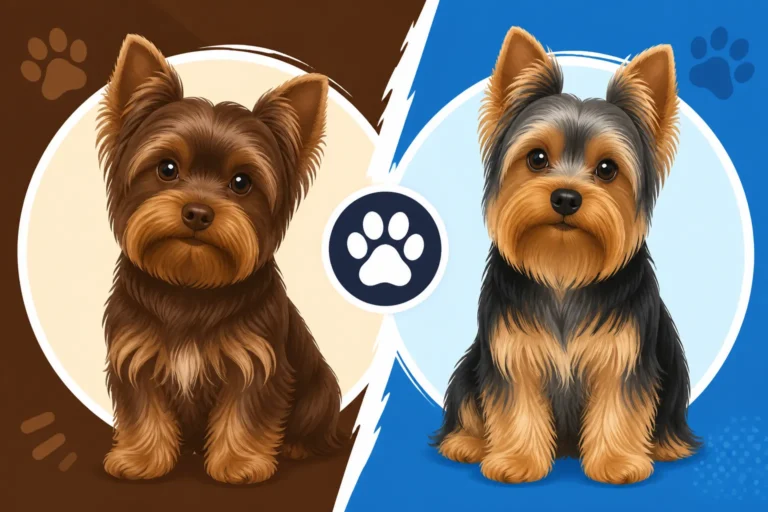
Black Yorkshire Terrier: Facts and Care
It’s easy to get captivated by the allure of a striking black Yorkshire Terrier. You might have seen pictures online, or perhaps a friend mentioned they met a "black Yorkie," and now you’re wondering if this beautiful, seemingly rare color is something you can find. The truth is, the world of Yorkshire Terrier coat colors can be a bit more nuanced than many first-time owners realize, often leading to confusion and sometimes even disappointment if expectations aren't managed. This guide will delve deep into the facts behind the "black Yorkshire Terrier," exploring what the breed standard says, where these dark coats truly come from, and what you need to know about caring for any Yorkie, regardless of its unique hue.
Understanding the True "Black Yorkshire Terrier" Phenomenon
When we talk about Yorkshire Terriers, their signature coat is usually one of the first things that comes to mind: that flowing, silky, steel blue and rich tan. But what about a pure black one? It's a common point of discussion among enthusiasts and a source of fascination for potential owners. Let's peel back the layers and understand what's really going on with these intriguing dark-coated pups.
The Standard Yorkshire Terrier Coat Color
According to the American Kennel Club (AKC), the official governing body for purebred dogs in the United States, the standard color for an adult Yorkshire Terrier is "steel blue and tan." This means a dark steel blue, not a silver-blue or grayish-blue, extending from the back of the head to the root of the tail. The tan should be rich, not faded, and appear on the head, chest, and legs.
However, here's where the "black" often comes into play: Yorkshire Terrier puppies are almost always born black and tan or black and gold. This deep, rich black gradually transitions to the adult steel blue over their first year or two of life. It's a fascinating process called "clearing" or "breaking" of the coat. A puppy with a very dark, almost solid black body might look like a "black Yorkie" for several months, only to surprise its owners later with the classic blue. This is why when you're looking for a puppy, a truly reputable breeder will often show you pictures of the parents to give you an idea of what the adult coat will look like, as the puppy's coat is still a work in progress. Understanding these Yorkshire Terrier Coat Color Changes is key to appreciating the breed's natural development.
Dispelling the "Pure Black" Myth
This is where we get to the heart of the matter. A pure, solid black Yorkshire Terrier, with no tan markings and no blue in its adult coat, is not recognized by the official breed standards of any major kennel club, including the AKC. If you encounter a dog being advertised as a "pure black Yorkshire Terrier," especially as an adult, there are a few possibilities, and none of them point to a standard-bred Yorkie:
Firstly, it might be a mixed breed. Many small terrier mixes, or even crosses with other breeds like Poodles (leading to a Yorkiepoo), can result in a solid black coat. These dogs can be absolutely wonderful companions, but they are not purebred Yorkshire Terriers.
Secondly, it could be a different breed entirely. There are other small black terriers, or dogs that vaguely resemble Yorkies, that might be mistakenly identified or even intentionally misrepresented. This is especially true if you’re looking at online listings from less scrupulous sources.
Thirdly, and more rarely, it could be a Yorkie with a genetic anomaly. While variations can occur, a truly solid black coat that persists into adulthood usually indicates that the dog does not meet the breed standard. Ethical breeders prioritize health and adherence to breed standards, and a "solid black" trait would typically be screened out of a breeding program if it implies genetic issues or a departure from the breed's characteristics. Always be wary of anyone advertising "rare" colors at inflated prices, as this is often a red flag for irresponsible breeding practices.
What People Often Mean by "Black Yorkie"
So, if a truly pure black Yorkie isn't a thing, what are people seeing or referring to? It usually boils down to a few scenarios:
- Dark Puppies: As mentioned, many Yorkie puppies are born with very dark, almost completely black bodies. For someone unfamiliar with the breed's coat development, seeing a six-month-old puppy with a dark black coat could easily lead them to believe it will remain black. They might even affectionately call their maturing puppy a "black Yorkie" before the blue truly emerges.
- Parti Yorkies with Extensive Black Markings: Parti Yorkshire Terriers are a recognized color variation, though not by the AKC for traditional conformation shows. These dogs have white, black, and tan markings. Some Parti Yorkies might have large, dominant patches of black fur, especially on their back, making them appear predominantly black with white or tan accents. If you're looking for a unique color, a Parti Yorkshire Terrier Explained might be closer to what people envision when they think of a "black Yorkie."
- Biewer Terriers: Originating from Germany, the Biewer Terrier (pronounced "beaver") was once considered a variant of the Yorkshire Terrier but is now recognized as its own distinct breed. Biewer Terriers typically have white, black, and tan/gold markings. They often have significant black on their bodies, and their tri-color pattern, especially with dominant black sections, can sometimes lead people to confuse them with a "black Yorkie." Learning about Biewer Terrier vs Yorkshire Terrier can help clarify these distinctions.
- Poorly Bred or Mixed-Breed Dogs: Unfortunately, some unscrupulous breeders might knowingly or unknowingly breed dogs with non-standard colors, sometimes due to a lack of understanding of genetics or simply to capitalize on a perceived "rarity." These dogs might be marketed as "rare black Yorkies" without proper health clearances or adherence to breed standards.
The Allure and Appeal of Dark-Coated Yorkies
Despite the technicalities of breed standards, there's no denying the magnetic appeal of a dark-coated Yorkie. Whether it's a puppy still in its dark phase or a Parti Yorkie with striking black patches, these dogs often capture hearts with their unique appearance.
Dark Puppies That Lighten
For many new Yorkie parents, watching their little "black and gold" or "black and tan" puppy evolve into a "blue and tan" adult is part of the joy of ownership. Imagine bringing home a tiny bundle of fluff, looking like a miniature bear cub with a glossy black back and warm tan markings. You might even call them your little shadow, so dark and mysterious. Over the next year or two, you’ll notice subtle changes, perhaps a slight lightening around the face, then a gradual shift in the body coat. The black hair shafts slowly become a deep, iridescent steel blue.
This transformation is completely normal and expected for a purebred Yorkshire Terrier. It's not a flaw; it's a characteristic of the breed's unique coat genetics. This process can sometimes be uneven, with some patches changing faster than others, creating a beautiful mosaic of colors as they mature. It’s a wonderful journey to observe and just another reason why these little dogs are so captivating. A good breeder will prepare you for this, often showing you photos of past puppies and their adult coat progressions so you know what to expect. This early developmental phase is a critical part of their Yorkshire Terrier Puppy Health Guide.
Parti Yorkies and Other Color Variations
Beyond the standard blue and tan, and the transitional black of puppies, the world of Yorkie-like dogs offers even more color diversity, particularly with Parti Yorkies. These dogs are genetically purebred Yorkshire Terriers but carry a recessive gene that gives them a tri-color coat (white, black, and tan/gold). They are visually stunning, often with bold patches that really stand out. Some Parti Yorkies can have a significant amount of black on their bodies, leading to the "black Yorkie" impression, especially if the white and tan areas are less dominant.
While not recognized by the AKC for traditional conformation, Parti Yorkies are recognized by some other registries and are perfectly healthy, wonderful pets. Their existence highlights the genetic diversity within the breed, even if certain traits fall outside strict show ring standards.
Other non-standard colors, like solid chocolate, golden, or even merle (though merle is usually indicative of a mixed breed, as it's not a natural Yorkie gene), can also pop up. These are typically not purebred Yorkshire Terriers by strict definition, or they carry genes from other breeds or unusual mutations. While these dogs can be adorable and healthy, it's crucial to understand that they do not represent the traditional Yorkshire Terrier breed as defined by kennel clubs. This knowledge is important for anyone researching Yorkshire Terrier Genetic Conditions and wanting to ensure their pup's health.
Health and Care Considerations for Dark-Coated Yorkies
Regardless of whether your Yorkie is a transitioning black puppy, a Parti Yorkie with black patches, or simply a very dark blue and tan adult, the fundamental health and care needs remain the same for all Yorkshire Terriers. Their compact size and specific breed characteristics dictate a particular approach to their well-being.
General Yorkshire Terrier Health
Yorkies, like all purebreds, have certain predispositions to specific health concerns. It doesn't matter if their coat is black, blue, or tri-color; these health considerations apply universally. It's incredibly important for prospective owners to be aware of these. Common issues include:
- Dental Disease: Yorkies are notoriously prone to dental problems. Their small mouths can be crowded, leading to plaque and tartar buildup which can escalate into serious periodontal disease. Regular Yorkshire Terrier Dental Care Guide is not just about fresh breath; it's vital for their overall health, as dental infections can impact organs like the heart and kidneys. Brushing their teeth daily and regular veterinary dental cleanings are non-negotiable.
- Patellar Luxation: This is a common orthopedic issue in small breeds where the kneecap slips out of place. It can cause limping or a "skip" in their step. Understanding Yorkshire Terrier Patellar Luxation: Signs and Care can help you recognize symptoms early and seek appropriate veterinary advice. In severe cases, surgery might be needed.
- Collapsing Trachea: Yorkies are known for their delicate tracheas, which can sometimes flatten, leading to a characteristic cough (often described as a goose honk). This condition, known as Yorkshire Terrier Collapsing Trachea: Signs and Care, can range from mild to severe. Using a harness instead of a collar can help reduce pressure on the throat.
- Hypoglycemia: Especially in puppies and very small Yorkies, low blood sugar (hypoglycemia) can be a serious concern. Regular, small meals are crucial, and owners need to be vigilant for signs like lethargy or trembling.
Choosing a puppy from a breeder who performs health screenings on their breeding dogs is paramount. An ethical breeder will be transparent about the health history of their dogs and provide health clearances. This is a critical step in How to Keep a Yorkshire Terrier Healthy.
Grooming for a Luxurious Coat
Yorkshire Terriers are renowned for their long, flowing, silky coats. While a puppy might start with a soft, fuzzy texture, it will eventually grow into this luxurious single coat that requires dedicated grooming, regardless of its specific shade. Even if your Yorkie has a darker, more "black" appearance, the principles remain the same.
Regular brushing is the cornerstone of Yorkie coat care. Daily brushing with a pin brush or a slicker brush, followed by a comb, helps prevent mats and tangles, which can quickly become painful for your dog. Pay special attention to areas behind the ears, under the legs, and around the tail. You can find excellent grooming tools at places like Chewy.
Bathing should be done regularly, typically every 1-2 weeks, using a high-quality shampoo and conditioner specifically formulated for dogs. For darker coats, some owners even use color-enhancing shampoos, though these won't drastically change a true "blue" coat. Always ensure you thoroughly rinse out all products to prevent skin irritation. After bathing, gently towel dry and then use a cool setting on a blow dryer while brushing to prevent matting and achieve that beautiful, smooth finish. Our comprehensive Yorkshire Terrier Grooming Guide offers even more detailed tips.
Don't forget professional grooming appointments every 4-8 weeks, depending on the cut you prefer and how well you maintain the coat at home. A professional groomer can handle tasks like trimming around the eyes, paw pads, and sanitary areas, ensuring your Yorkie stays neat and comfortable.
Nutritional Needs for Coat Health
A beautiful, healthy coat starts from the inside out, making nutrition a critical component of your Yorkie's care. A high-quality diet provides the necessary nutrients to support skin health and promote a vibrant, shiny coat. For darker-coated Yorkies, a healthy coat will appear rich and lustrous, whether it's the deep black of a puppy or the evolving steel blue.
Look for dog foods that list a high-quality animal protein as the first ingredient and contain essential fatty acids like Omega-3 and Omega-6. These fatty acids are crucial for skin and coat health, often found in ingredients like fish oil, flaxseed, and chicken fat. Brands often carried by retailers like Chewy provide a wide selection of suitable options. Some owners also supplement with fish oil, but always consult your veterinarian before adding supplements to your dog's diet.
Portion control is also vital for Yorkies, as their small size means they can easily become overweight, which can lead to other health issues. Follow feeding guidelines on your chosen food, but always adjust based on your dog's activity level and individual metabolism. Our guide on Best Dog Food for Yorkshire Terriers can help you make an informed choice for your furry friend.
Finding a Reputable Breeder and Avoiding Scams
If you're set on bringing a Yorkie into your home, finding an ethical and responsible breeder is the single most important decision you'll make. This is especially true if you have specific expectations about coat color, as unscrupulous breeders often exploit the desire for "rare" colors.
Questions to Ask About Coat Color
When you contact a breeder, be open about your preferences, but also be prepared to learn about the breed standard. If you're drawn to a very dark-coated puppy, here's what to ask:
- What are the parents' adult coat colors? This is crucial. If both parents are standard blue and tan, their puppies will also mature to be blue and tan, even if they start off looking very dark.
- Can you show me photos of past puppies from this pairing as they matured? A good breeder will have a portfolio of their dogs, showing them from puppyhood through adulthood. This helps you visualize the coat's transition.
- Do you offer a health guarantee? Reputable breeders stand behind the health of their puppies. A written health guarantee is a must.
- What are the genetic health clearances of the parents? Ask to see proof of screening for common Yorkie ailments like patellar luxation and genetic eye conditions.
- Are they registered with the AKC (or relevant kennel club)? While registration doesn't guarantee quality, it signifies adherence to breed standards and lineage tracking. However, remember that "Parti" color Yorkies, while purebred, might not be shown in AKC conformation due to color restrictions, but should still be registered.
Remember, a true "Black Yorkshire Terrier" that stays solid black into adulthood is not a purebred by definition. A breeder advertising such a dog without clear explanation of it being a Parti or simply a very dark puppy that will change should raise a red flag. Educate yourself on How to Find a Reputable Yorkie Breeder to ensure a healthy and happy addition to your family.
Recognizing Red Flags
Unfortunately, the demand for unique or "rare" looking dogs can attract unethical breeders and scammers. Knowing what to look out for can save you a lot of heartache and money.
- Exaggerated Claims about "Rare" Colors: If a breeder is heavily marketing "rare solid black Yorkies" at a much higher price point, proceed with extreme caution. True rarity in a purebred often comes with genetic health implications or signifies a departure from the breed standard, which responsible breeders avoid.
- No Health Clearances: Any breeder who cannot or will not provide verifiable health clearances for the parents is a major red flag. This indicates they are not prioritizing the health of their line.
- No Opportunity to Meet Parents or See the Facility: If a breeder insists on meeting in a public place, or won't allow you to visit their home/kennel, it's a huge warning sign. You need to see where the puppies are raised and observe the temperament and condition of the parent dogs.
- Selling Puppies Too Young: Puppies should not be separated from their mothers and littermates before 8 weeks of age. Any breeder offering puppies younger than this is likely prioritizing profit over the puppy's well-being.
- Incomplete or Missing Paperwork: Be wary of breeders who offer puppies without proper registration papers (if claiming purebred status) or a health guarantee.
| Feature | Standard Yorkshire Terrier | "Black Yorkshire Terrier" (Commonly Perceived) |
|---|---|---|
| Adult Coat Color | Steel blue and tan | Often refers to a dark black puppy that will transition to blue and tan. May also refer to Parti Yorkies with significant black markings. |
| Puppy Coat Color | Born black and tan/gold | Deep black body, often with gold/tan markings. |
| Color Change | Black body fur will lighten to steel blue by 1-2 years | Often mistakenly believed to remain solid black throughout adulthood. |
| AKC Recognition | Fully recognized and participates in conformation shows | A pure, adult solid black Yorkie is not recognized by AKC breed standard. Parti Yorkies are purebred but not shown in AKC conformation. |
| Genetics | Specific genes for blue and tan coloration | Dark puppy coat is a normal phase. Solid black adult coat suggests mixed breeding, different breed, or non-standard genetics. |
| Health | General Yorkie health concerns (dental, patellar luxation) | Same general Yorkie health concerns if purebred. Potential for unknown issues if mixed. |
Conclusion
The appeal of a "black Yorkshire Terrier" is understandable, as their dark, shiny coats are undeniably striking. However, it’s crucial to understand the reality behind this description. A purebred Yorkshire Terrier puppy is indeed born black and tan/gold, but its black body fur will gradually mature into the characteristic steel blue and tan of the adult breed standard. If you encounter an adult dog advertised as a "pure black Yorkie," it's likely a mixed breed, a different breed altogether, or a Parti Yorkie with extensive black markings.
Ultimately, the true beauty and charm of a Yorkshire Terrier lie not just in its specific coat color, but in its vibrant personality, loyalty, and spirited nature. Whether your Yorkie starts off looking like a little black shadow or a tri-color marvel, what matters most is providing them with a loving home, excellent care, and ensuring their health and happiness. Focus on finding a reputable breeder who prioritizes health and temperament, and you'll bring home a wonderful companion, no matter the shade of their beautiful coat.
Disclaimer
As a responsible pet parent, it's essential to consult with your veterinarian for any health concerns or before making significant changes to your Yorkshire Terrier's diet, exercise, or grooming routine. This article is for informational purposes only and should not replace professional veterinary advice.