Yorkshire Terrier Personality
If you've ever spent time around a Yorkshire Terrier, you know that beneath that tiny, adorable exterior lies a truly vibrant and often surprising personality. Many people are drawn to their pocket-sized charm, only to discover a dog with more character and spunk than some breeds ten times their size. This guide will take a deep dive into the fascinating personality of the Yorkshire Terrier, helping you understand their unique quirks, motivations, and how to best live harmoniously with these captivating little dogs.
The Big Dog in a Small Package: Myth and Reality
It’s a common trope: the tiny dog acting like a ferocious guard dog, barking at every shadow, and confidently challenging much larger canines. For Yorkshire Terriers, this isn't just a stereotype; it's often their genuine nature. They truly don't seem to grasp how small they are, a trait that can be both endearing and, at times, a bit of a challenge for their human companions. Understanding this core aspect of their personality is key to appreciating and managing a Yorkie.
A Terrier's Heart: Boldness and Bravery
Yorkies were originally bred in 19th-century Yorkshire, England, not as lapdogs, but as ratters in clothing mills and mines. This working-class history is etched deeply into their DNA, manifesting as an undeniable tenacity and fearlessness. They possess a true terrier spirit, which means they are courageous, determined, and often quite vocal. This inherent boldness means they won't back down from a challenge, whether it's a squirrel in the backyard or a perceived threat (like the mail carrier!) outside the window.
You might find your Yorkie, despite weighing a mere handful of pounds, attempting to herd or "manage" much larger dogs at the park. They often carry themselves with an air of self-importance, a tiny warrior ready to defend their territory and their beloved people. This can be a source of amusement, watching them prance with confidence, but it also means owners need to be diligent about their safety. A Yorkie's bravery can sometimes outweigh their common sense, leading them to situations where their small stature puts them at risk. It’s vital to protect them from unintended consequences of their own courageous spirit, whether that means keeping them securely leashed or mindful of larger dogs.
The Affectionate Side: Loyal and Loving Companionship
Despite their feisty, independent streak, Yorkshire Terriers are deeply affectionate dogs. They form incredibly strong bonds with their human families and thrive on companionship. Many Yorkie owners describe them as "velcro" dogs, meaning they love to be wherever you are, often curled up on your lap, nestled at your feet, or following you from room to room. This strong desire for closeness means they often suffer from separation anxiety if left alone for extended periods. It’s something to be genuinely aware of if your lifestyle involves long hours away from home.
Their loyalty is unwavering, and they are quick to show their devotion with enthusiastic tail wags, playful nuzzles, and plenty of tiny kisses. While they can sometimes be perceived as "one-person dogs," many Yorkies are perfectly happy to spread their affection among all respectful family members. They crave attention and thrive on being an integral part of daily life. This loving nature makes them incredibly rewarding companions, enriching the lives of those who welcome them into their homes. Just be prepared for a constant shadow and an insatiable desire for cuddles!
Common Personality Traits and How They Manifest
Beyond their general boldness and affection, Yorkies exhibit a fascinating mix of specific traits that contribute to their unique personality. These aren't just cute quirks; they're deeply ingrained behaviors that influence how they interact with the world and how you'll need to interact with them. Understanding these traits will help you anticipate their needs and manage potential challenges.
High Energy and Playfulness
Don't let their size fool you; Yorkshire Terriers are surprisingly energetic little dynamos. They might not need miles of running like a Retriever, but they definitely aren't content to be couch potatoes all day. Yorkies possess a zest for life and love to play. They adore games of fetch, chasing toys around the house or yard, and engaging in interactive play sessions with their humans. You'll often see them burst into spontaneous "zoomies," racing around with incredible speed and agility. This high energy needs an outlet, both physical and mental.
A bored Yorkie can quickly become a mischievous Yorkie, often channeling their energy into undesirable behaviors like excessive barking or chewing. Providing a variety of toys, rotating them to keep things interesting, and incorporating short, engaging play sessions throughout the day is crucial. Interactive toys, puzzle feeders, and even a good quality dog ball from a brand like Chewy can keep their minds and bodies active. Remember, even indoor exercise can be effective; a quick game of fetch down a hallway or teaching them new tricks can be just as tiring as a walk around the block, especially for their clever minds. To delve deeper into keeping your pup engaged, consider reading about Yorkshire Terrier Exercise Needs.
Stubbornness and Intelligence
Yorkies are incredibly intelligent dogs, which can be both a blessing and a challenge. While their smarts mean they are capable of learning a wide array of commands and tricks, it also means they can be remarkably stubborn. They have their own opinions and aren't always keen on doing something just because you asked. This isn't out of malice, but rather a strong will and an independent nature that comes with being a terrier. They often weigh whether your request is truly worth their effort or if there's something more interesting to do.
Successful training with a Yorkie requires immense patience, consistency, and positive reinforcement. Harsh methods or scolding will likely backfire, making them even more resistant. Instead, focus on making training fun and rewarding. Small, high-value treats and enthusiastic praise work wonders. They respond best to short, engaging sessions rather than long, repetitive drills. If you're struggling, don't be afraid to seek guidance, and be sure to avoid Yorkie Training Mistakes to Avoid. Remember, a Yorkie who isn't consistently trained can quickly become the boss of the household, which can lead to other Yorkshire Terrier Behavior Problems and Solutions.
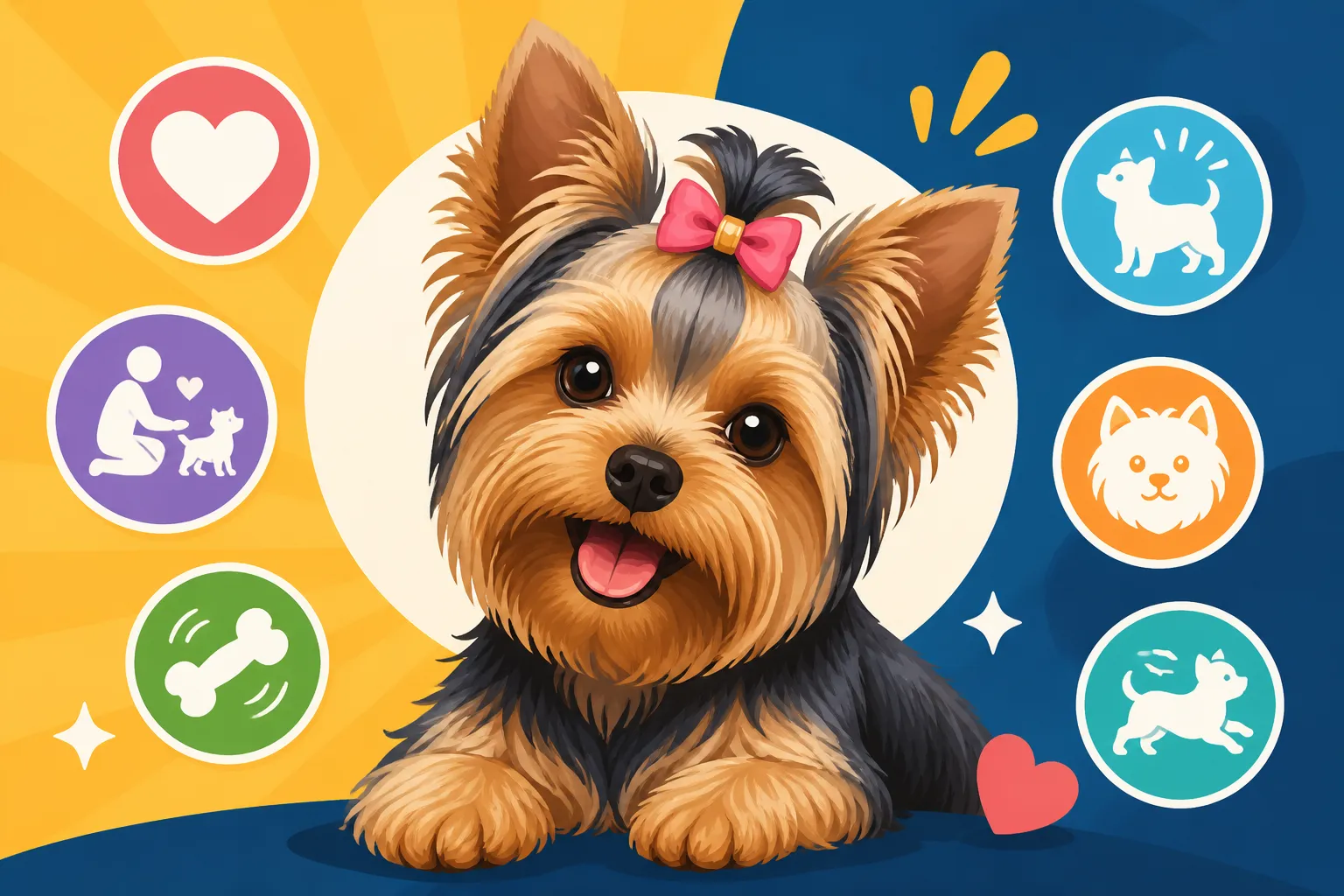
Here’s a quick overview of some key personality traits:
| Trait | Description | Implications for Owners |
|---|---|---|
| Bold/Brave | Fearless, confident, often oblivious to their small size. | Requires diligent supervision to prevent conflicts or accidents. |
| Affectionate | Deeply loyal, loves companionship, enjoys cuddles and close proximity. | Prone to separation anxiety, thrives on being part of family activities. |
| Energetic | Surprisingly active, enjoys play, needs regular mental and physical stimulation. | Requires daily playtime, varied toys, and engagement to prevent boredom. |
| Intelligent | Smart, quick learners, but also possess an independent, stubborn streak. | Benefits from consistent, positive reinforcement training; avoids harsh methods. |
| Vocal | Prone to barking to alert, express excitement, or demand attention. | Requires early training to manage barking; understanding triggers is key. |
| Curious | Loves to explore, investigate new smells and sounds. | Needs secure environments, leash walks, and mental enrichment. |
Vocal Tendencies: The Barking Truth
One of the most noticeable personality traits of many Yorkshire Terriers is their propensity for barking. They are excellent alert dogs, quick to announce the arrival of strangers, the approach of another animal, or even a leaf blowing past the window. This isn't just a random habit; it's part of their terrier nature to be watchful and protective of their territory and family. They use their voices to communicate everything from excitement to suspicion, and sometimes, simply because they want attention.
While their barking can be a source of frustration for owners and neighbors, it's also deeply ingrained. The key is to manage it, not to eliminate it entirely. Understanding why your Yorkie is barking is the first step. Are they bored? Anxious? Are they alerting you to something? Once you identify the trigger, you can work on solutions. Early socialization and training can help teach them appropriate times to bark and, more importantly, a "quiet" command. Toys like those found on Chewy that dispense treats or keep them occupied can also help reduce boredom barking. Learning How to Stop a Yorkie from Barking can be incredibly helpful for maintaining peace in your home.
Adapting to Different Lifestyles and Environments
The Yorkshire Terrier's personality makes them adaptable to various living situations, but their specific needs must always be considered. Their spirited nature means that while they might fit into a small apartment, they still require owners who can provide adequate mental and physical stimulation.
Yorkies in Apartment Living
Yorkshire Terriers are often considered ideal apartment dogs due to their small size. They don't take up much space, and a good portion of their exercise needs can be met indoors. However, simply having a small body doesn't mean they don't have big needs. Their energetic and intelligent nature means they need more than just a roof over their head; they need engagement. Apartment dwellers must commit to regular walks, indoor play sessions, and mental enrichment activities.
Their vocal tendencies, as discussed, can sometimes be a challenge in close-quarter apartment living. Consistent training and addressing the root cause of barking become even more critical. They thrive when they are part of their human's routine, enjoying short walks around the neighborhood, playtime in a secure indoor space, or even accompanying you on errands in a dog-friendly carrier. Products like playpens or comfortable dog beds from Chewy can create a safe, designated space for them within a smaller home, helping them feel secure and content. Many Yorkies, if well-exercised and mentally stimulated, are incredibly happy and well-adjusted apartment residents.
Social Butterflies or Reserved Observers
A Yorkie's social personality can vary widely depending on their individual temperament and, crucially, the amount of early socialization they received. A well-socialized Yorkie puppy will typically grow into a confident adult who enjoys meeting new people and is comfortable around other dogs. They might not be the life of the party, but they won't shy away from polite introductions. Taking your puppy to various places, exposing them to different sounds, sights, and friendly people and dogs during their critical socialization period is paramount. You can learn more about this by reading How to Socialize a Yorkie Puppy.
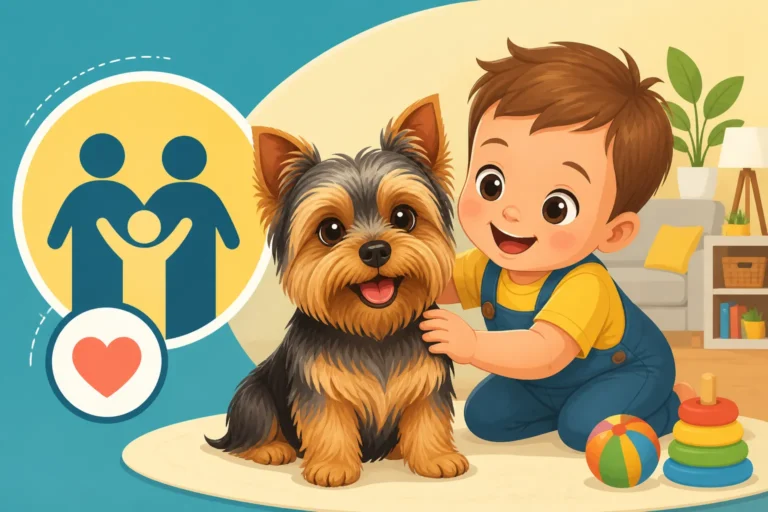
However, some Yorkies can be reserved, and without proper socialization, they can develop "small dog syndrome," where they become overly anxious or aggressive towards strangers or larger dogs. This isn't true aggression but often stems from fear or a lack of confidence. When it comes to children, Yorkies can be good family dogs, especially with older, respectful kids who understand how to interact gently with a small dog. Their delicate size means they are not ideal for homes with very young children who might accidentally injure them. Similarly, introductions to other pets should always be supervised and gradual, especially given their innate terrier prey drive towards smaller animals. Their strong bonds mean they don't always take kindly to sharing your attention, so careful management is necessary.
Disclaimer
The information provided in this guide is for general informational purposes only and does not constitute professional veterinary advice. Always consult with a qualified veterinarian or professional dog trainer for any health concerns, behavioral issues, or before making any decisions related to your Yorkshire Terrier's care and well-being. Individual dogs may vary in temperament and health.