Yorkshire Terrier Personality Quirks
Bringing a Yorkshire Terrier into your life often feels like welcoming a tiny, fluffy enigma. You might expect a dainty lap dog, all sweetness and light, but what you often get is a pint-sized dynamo brimming with character, sass, and an undeniable "big dog" attitude. It's these very quirks, though sometimes challenging, that make Yorkies such captivating and beloved companions. This guide will delve deep into the unique personality traits that define the Yorkshire Terrier, helping you understand and appreciate the delightful complexities of your furry friend.
The Big Dog in a Small Body Syndrome
One of the most universally recognized traits of a Yorkshire Terrier is their larger-than-life personality packed into a petite frame. It’s as if they genuinely believe they’re a Rottweiler or a German Shepherd, completely oblivious to their actual size. This isn't just a cute quirk; it's a fundamental aspect of their terrier heritage that influences nearly every interaction.
Fearless and Feisty Nature
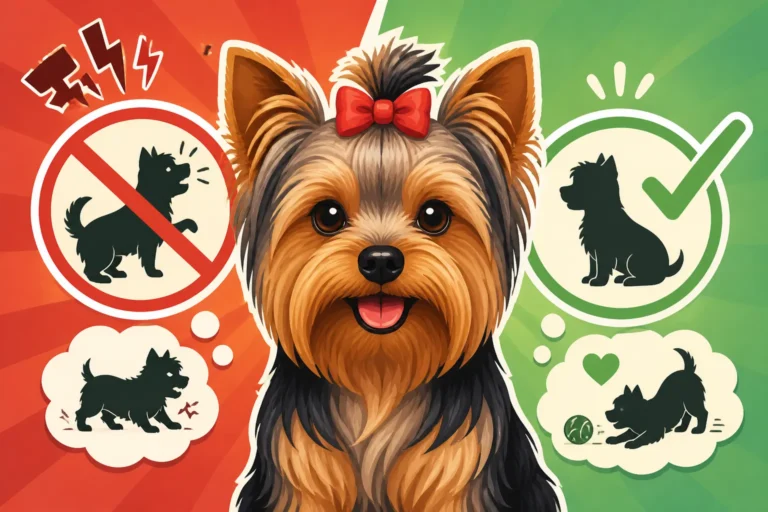
Yorkies are incredibly courageous, often to a fault. They won't back down from a dog three times their size, a strange noise, or even that menacing vacuum cleaner. This fearlessness stems from their lineage as ratters in the mills of Yorkshire, England, where they needed to be brave and tenacious. It means they'll often be the first to investigate a new sound or challenge an unfamiliar presence, sometimes putting themselves in precarious situations. This can be adorable when they're confronting a dust bunny, but it requires careful management when encountering larger dogs or venturing into busy environments. Keeping a close eye on your Yorkie and ensuring they feel secure, perhaps with a well-fitted harness instead of a collar, can help channel this bravery safely.
Bossy and Assertive Tendencies
Along with their fearlessness, Yorkies often display a surprisingly bossy and assertive streak. They know what they want, and they're not shy about letting you know. Whether it's demanding attention, insisting on their favorite spot on the sofa, or herding you towards the treat jar, they have a way of getting their point across. This isn't necessarily a bad thing; it speaks to their intelligence and confidence. However, if left unchecked, this assertiveness can evolve into what many call "small dog syndrome," where the dog truly believes they run the household. It’s important to establish clear boundaries and consistent training from day one to ensure they respect you as the leader, not the other way around. Understanding Yorkie Small Dog Syndrome Explained can provide further insights into this behavior.
The Napoleon Complex Explained
The "Napoleon Complex" is often used to describe smaller dogs who act disproportionately large and mighty. For Yorkies, this isn't just an act; it's genuinely how they perceive the world and their place in it. They aren't trying to be cute; they genuinely see themselves as formidable. This can manifest in playful nips, insistent barking at perceived threats (like the mail carrier or a leaf blowing across the yard), or even a stubborn refusal to move when they’ve claimed a spot. It's a testament to their strong will and independent spirit. While endearing, it means you'll need to be an equally strong and consistent leader to guide their energy and ensure their assertive nature doesn't become problematic. This isn't about crushing their spirit, but about gently molding it into a well-behaved companion.
Loyalty and Devotion to Their People
Despite their feisty exterior, Yorkies are deeply affectionate and form incredibly strong bonds with their human companions. They are truly "people dogs" and thrive on interaction and being part of the family unit. This devotion is one of their most heartwarming qualities.
Velcro Dogs and Shadowing Behavior
If you own a Yorkie, you've likely experienced being followed from room to room – to the kitchen, the bathroom, even just across the living room. They are often described as "Velcro dogs" because they stick to their favorite person like glue. This shadowing behavior isn't just cute; it's a deep expression of their attachment and desire to be close. They want to know what you're doing, where you're going, and whether there's any chance they can be involved. This constant companionship can be incredibly comforting, making them fantastic partners for those who want a constant furry presence by their side. They are true companions who crave connection.
Potential for Separation Anxiety
The flip side of this intense loyalty is the potential for Yorkshire Terrier Separation Anxiety Solutions. Because they bond so closely with their owners, Yorkies can struggle when left alone. This isn't them being "naughty" or spiteful; it's genuine distress. Signs might include excessive barking or howling, destructive chewing, or inappropriate urination or defecation when you're away. It's a heartbreaking situation for both dog and owner. Preventing separation anxiety often starts early, with gradual desensitization to being alone and creating a safe, comfortable space for them. Crates can be a fantastic tool for this, offering a den-like retreat. If your Yorkie struggles, consider calming aids or puzzle toys from brands like Chewy that can help distract them.
Protective Instincts
Yorkies, despite their small stature, possess a surprisingly strong protective instinct. They see their family as their "pack" and will readily alert you to perceived dangers or intruders. This often manifests as vigorous barking at strangers approaching the door, unfamiliar noises outside, or even another dog walking past the window. They aren't just making noise; they are genuinely trying to protect their loved ones. This trait, combined with their feisty nature, makes them excellent little watchdogs, always on high alert. While their barks might not deter a human intruder, they will certainly make you aware of any unexpected presence, giving you time to investigate. They'll also often position themselves between you and a perceived threat, a small but mighty guardian.
Surprising Intelligence and Stubborn Streak
Yorkshire Terriers are far from mere pretty faces; they possess a keen intelligence that can be both a blessing and a challenge for their owners. They learn quickly, but their independent streak often means they'll choose to obey only if it suits them.
Quick Learners with a Mind of Their Own
Yorkies are remarkably smart and can pick up commands and tricks with impressive speed. They often excel in obedience training and even dog sports like agility, thanks to their quick wit and agile bodies. However, their intelligence comes with a caveat: they have a mind of their own. They're not always eager to please, especially if they don't see the immediate benefit to themselves. This means that while they understand what you want, they might choose to ignore you if they're not properly motivated or if something more interesting has captured their attention. This isn't maliciousness; it's just the terrier's independent spirit shining through.
The "What's In It For Me?" Attitude
This independent streak often translates into a "what's in it for me?" attitude when it comes to training. Unlike some breeds that live to please their owners, a Yorkie needs a good reason to comply. High-value treats, enthusiastic praise, and engaging play are often the keys to unlocking their cooperation. If the reward isn't enticing enough, they might just give you a charmingly defiant look and trot off. This means that patience, consistency, and finding what truly motivates your individual Yorkie are crucial for successful training. Experiment with different types of treats from Chewy, like freeze-dried chicken or soft, chewy morsels, to discover their ultimate motivator. If you're wondering, Are Yorkshire Terriers Easy to Train is a great resource to dive deeper into this topic.
Training Challenges and Rewards
Training a Yorkie requires a combination of firm consistency and positive reinforcement. Their stubbornness can make potty training a particular challenge for some owners, leading to frustrating accidents. Many Yorkie owners lament, "Why Is My Yorkie So Hard to Potty Train?" But with persistence, praise, and irresistible rewards, Yorkies can become very well-behaved companions. Their intelligence means they thrive on mental stimulation, so incorporating puzzle toys, regular training sessions, and interactive games into their routine is essential. The reward of seeing your Yorkie master a new command or overcome a behavioral hurdle is incredibly satisfying, cementing the bond between you and your clever little companion.
Vocal Tendencies: The Little Watchdogs
Yorkies are known for being quite vocal. Their barks are sharp, clear, and can range from an enthusiastic "hello" to a persistent "I demand attention!" Understanding why they bark can help you manage this common terrier trait.
Alert Barking and Communication
One of the primary reasons Yorkies bark is to alert their owners. As natural watchdogs, they take their job very seriously, informing you of anything they deem noteworthy – a squirrel on the fence, a delivery person, or even just a shifting shadow. This alert barking is ingrained in their nature and serves as their way of communicating what's happening in their environment. While it can be annoying when the alerts are constant or for trivial matters, it also means you'll rarely be caught off guard by an unexpected visitor. Learning to differentiate between their various barks can help you understand what they're trying to tell you. If you're struggling with constant noise, exploring Why Does My Yorkie Bark at Everything can provide some clarity and strategies.
Demand Barking and Attention Seeking
Beyond alerting, Yorkies are masters of demand barking. They quickly learn that barking gets your attention, whether it's for food, playtime, or just a good cuddle. This type of barking can be particularly challenging to manage because it's so effective for them. It might start as a soft whine and escalate into a full-blown yapping session until they get what they want. The key to addressing demand barking is consistency: never reward it. As tough as it might be, ignoring the barking until they quiet down, and then rewarding the silence, is the most effective approach. This teaches them that calm behavior, not incessant noise, earns them what they desire. For more strategies on managing this specific issue, refer to How to Stop a Yorkie from Barking.
Managing Excessive Vocalization
While you can't completely silence a Yorkie – nor would you want to, as barking is a natural part of their communication – you can certainly manage excessive vocalization. Early training is crucial, teaching them a "quiet" command. Desensitizing them to common triggers, providing plenty of mental and physical exercise, and ensuring they have appropriate outlets for their energy can significantly reduce unnecessary barking. Sometimes, their barking might be a sign of deeper anxiety or boredom, so addressing those underlying issues can also help. Puzzle toys filled with treats or long-lasting chews can keep their minds occupied when you're busy, diverting their attention from potential barking triggers.
Affectionate Yet Independent
Yorkies are often described as cuddly, but their affection comes with a delightful hint of independence. They love to be close, but often on their own terms, offering a unique blend of companionability.
Cuddle Bugs on Their Own Terms
Yes, Yorkies love to cuddle! There's nothing quite like a tiny Yorkie burrowing into your lap or nestling beside you on the couch. They thrive on physical closeness and will often seek out warmth and comfort next to their favorite humans. However, their cuddliness often comes with a distinct "Yorkie clause" – they'll initiate it, and they'll decide when it's over. They might be all over you one moment, then decide they need to patrol the house or nap in a secluded spot the next. This isn't a rejection; it's simply their independent spirit showing. They appreciate affection, but they also value their personal space and autonomy.
The Need for Personal Space
Despite their deep attachment, Yorkies do appreciate their personal space. They aren't always keen on being constantly picked up, squeezed, or overwhelmed with attention, especially by young children or strangers. It’s important to teach respectful interactions, particularly for kids, to avoid accidental nipping or growling from a Yorkie feeling cornered or uncomfortable. Providing them with their own designated safe spaces, like a cozy dog bed or a small crate, gives them an escape route when they need a moment of peace. Respecting their boundaries ensures they remain happy and comfortable in your home. Establishing a clear routine, which includes quiet time, can also greatly benefit their overall demeanor.
Socializing with Strangers and Other Pets
A well-socialized Yorkie can be friendly and adaptable, but their inherent protectiveness and occasional wariness mean that early and consistent How to Socialize a Yorkshire Terrier is paramount. Without proper socialization, they can be reserved or even snippy with strangers and other animals. When introducing them to new people or pets, always do so gradually and in a controlled environment, praising calm interactions. Some Yorkies may never be the type to greet every new person with an open paw, and that's okay. Their loyalty is typically reserved for their inner circle. With other pets, especially larger dogs, supervision is always key, given the Yorkie’s fearless nature.
Conclusion: Embracing the Yorkshire Terrier Experience
The Yorkshire Terrier is a breed that continually surprises and delights its owners with its complex and vibrant personality. From their brave, bossy "big dog" attitude to their unwavering loyalty and intelligent, yet stubborn, minds, they are truly unique. While these quirks can sometimes present challenges, they are also what make life with a Yorkie so incredibly rich and rewarding. Embracing these traits, understanding their terrier instincts, and providing consistent training and love will ensure you have a devoted, charismatic companion who fills your days with joy, laughter, and a healthy dose of sass.
Disclaimer
All content provided in this article is for informational purposes only. It is not a substitute for professional veterinary advice. Always consult with a qualified veterinarian for any health concerns or before making any decisions about your pet's health or treatment.