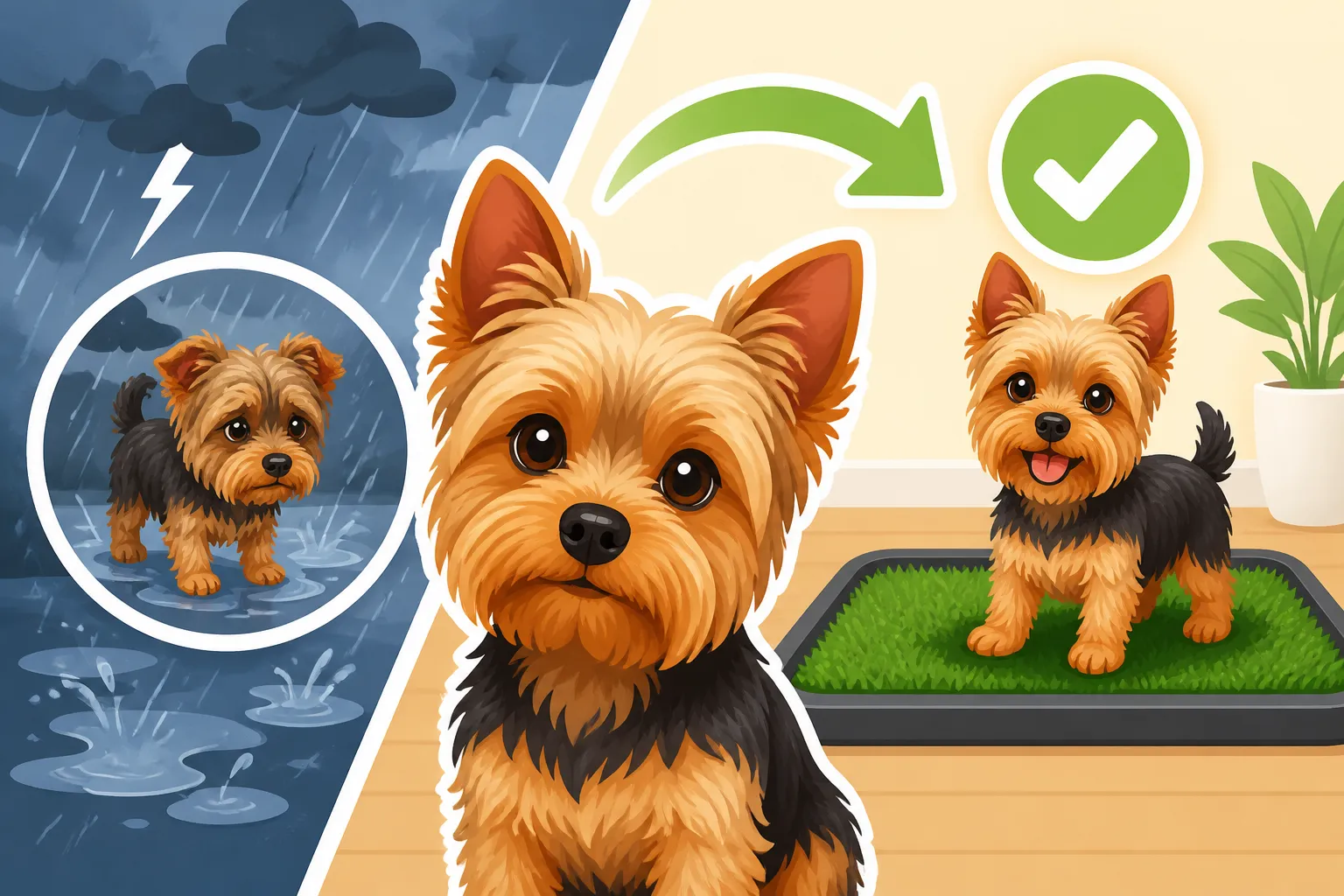
How to Potty a Yorkie in Bad Weather
Oh, the drama of a Yorkie in bad weather! If you've ever stood at the door, leash in hand, trying to coax your tiny furball out into a downpour or a snowdrift, you know the struggle is real. It's like they look at you, then at the rain, then back at you with an expression that clearly says, "Are you serious right now?" Their little bladders are demanding, but their delicate sensibilities are even more so. This guide is all about tackling that common frustration, offering realistic strategies and solutions to help your Yorkshire Terrier potty comfortably and safely, no matter what the skies decide to unleash.
Understanding Why Bad Weather is Such a Big Deal for Yorkies
Let's be honest, our Yorkies are not built for extreme weather. They're tiny, they have fine hair, and they often carry a "diva" streak when it comes to their comfort. When the weather turns nasty, it's not just about inconvenience; it's about their physical well-being and emotional comfort. Ignoring their reluctance can lead to accidents indoors or, worse, put their health at risk.
The Yorkie's Perspective on Rain, Snow, and Cold
Imagine being two feet tall and stepping out into a sudden downpour. The rain feels like golf balls hitting your head, the ground is cold and soaking, and everything is just… wet. That’s pretty much what it's like for a Yorkshire Terrier. Their small stature means they're much closer to the cold, wet ground, making them more susceptible to temperature drops. Their single coat of fine, human-like hair offers very little insulation against the cold or wet. They're not like double-coated breeds designed for harsh climates. A few drops of rain can feel like a full-body drenching, chilling them to the bone in moments.
Beyond the physical discomfort, there's the sensory overload. The sound of heavy rain or strong winds can be terrifying for a small dog. Slippery surfaces from ice or mud can make them feel unstable and anxious. Their delicate paws, not meant for harsh terrains, can easily become cold, wet, or even injured by sharp ice or abrasive salt used to melt snow on sidewalks. It's no wonder they resist going outside. For many Yorkies, the aversion isn't just about being spoiled; it’s a genuine discomfort or even fear that can override their natural urge to relieve themselves. This often leads to them holding it in, which is not healthy, or having accidents the moment they feel safe indoors.
The Health Risks of Outdoor Potty Breaks in Harsh Conditions
Forcing your Yorkie out into truly awful weather isn't just unpleasant for them; it can pose significant health risks. One of the primary concerns is hypothermia, especially for puppies or senior Yorkies, whose body temperature regulation might not be as robust. Prolonged exposure to cold and wet conditions can cause their core body temperature to drop dangerously low, leading to shivering, lethargy, weakness, and even collapse. This is particularly true if they get soaked through and aren't dried immediately upon returning inside. You can find out more about how to keep your Yorkshire Terrier healthy, but protecting them from the elements is a big part of that.
Beyond hypothermia, consider their tiny paws. In winter, ice melt chemicals, road salt, and even sharp ice shards can cause painful cracks, chemical burns, or cuts on their paw pads. If these chemicals are then licked off, they can cause digestive upset or other toxic reactions. In heavy rain, muddy areas can expose them to parasites or bacteria, or cause skin irritation if they remain wet. Slippery conditions, whether from ice or slick wet surfaces, also increase the risk of slips, falls, and injuries, which can be particularly concerning given how prone Yorkies are to conditions like Yorkshire Terrier Patellar Luxation: Signs and Care or other joint issues. Always prioritize their safety and health over adherence to a strict outdoor potty schedule if the weather is truly extreme.
Essential Gear and Preparedness for Outdoor Potty Trips
While sometimes indoor options are necessary, many days of "bad" weather just require a little preparation. Equipping your Yorkie with the right gear can make those quick dashes outside much more bearable for both of you. Think of it as suiting them up for a miniature expedition.
Dressing Your Yorkie for the Elements
The right attire can make all the difference in keeping your Yorkie comfortable and willing to brave the elements.
When it's raining, a good quality raincoat is invaluable. Look for one that covers their back and ideally has some coverage for their belly too, protecting that fine hair from getting drenched. Brands like Hurtta or Canada Pooch often have excellent, durable options that you can find on sites like Chewy or Amazon. The key is to find one that fits snugly enough to prevent water from seeping in, but loose enough not to restrict movement. A hood can be a bonus, though many Yorkies aren't keen on wearing them. The goal is to keep them as dry as possible, especially their core, to prevent chilling.
For cold weather, whether it's dry and chilly or wet and snowy, a sweater or jacket is a must. Again, the finer their hair, the more insulation they'll need. Layering can work well – a thin sweater under a waterproof jacket can provide maximum warmth and protection. Ensure the material is warm but not bulky, allowing them to do their business without getting tangled or uncomfortable. When selecting these items, always consider ease of putting on and taking off, as speed is often of the essence during a bad weather potty break.
And let's not forget those delicate paws! Booties are often overlooked but can be a game-changer. They protect against ice, snow, salt, and harsh chemicals. It takes time to get a Yorkie accustomed to wearing booties, so start practicing indoors with positive reinforcement well before bad weather hits. Look for soft, flexible booties with good traction and secure closures. Some popular options for small dogs include Pawz rubber boots or Ruffwear Grip Trex, available on Amazon. While they might do a funny high-step dance at first, the protection they offer is worth the effort, especially in cities where sidewalks are heavily salted. This attention to detail is part of a comprehensive Yorkshire Terrier Daily Care Routine.
Creating a Designated Outdoor Potty Zone
Even with the best gear, a quick, efficient potty break is crucial in bad weather. Having a designated, accessible outdoor potty zone can significantly reduce stress and exposure time.
If you have a covered porch, a small patio with an overhang, or even a large, sturdy umbrella strategically placed, these can serve as ideal "sheltered spots." The goal is to create a small area where your Yorkie can step out, stay relatively dry from falling rain or snow, and quickly do their business. If possible, consider putting down a small patch of artificial turf or even a large, easy-to-clean mat in this sheltered area. This provides a consistent, somewhat comfortable surface that they associate with potty time, regardless of what the rest of the yard looks like.
For snowy conditions, make it a point to regularly clear a small, dedicated patch of snow. A shovel can clear a path and a small circle, creating a familiar, accessible spot. This prevents your Yorkie from having to wade through deep snow, which can quickly chill their belly and legs, not to mention making it harder for them to find a suitable spot.
And whether your yard is fenced or not, consider using a leash for these quick trips, even if you normally let them roam. A leash allows you to guide them directly to their designated spot, encourage them to "go potty" promptly, and then whisk them back inside as quickly as possible. This minimizes their exposure to the elements and keeps the focus on the task at hand. It also prevents them from getting distracted or trying to run further into the harsh weather. Remember, a quick, focused trip is far more effective and humane than a prolonged, uncomfortable excursion.
Indoor Potty Solutions for Unbearable Weather
Sometimes, the weather isn't just "bad"; it's downright dangerous. Think torrential downpours with thunder and lightning, blizzards, or dangerously cold temperatures. In these scenarios, forcing an outdoor trip is irresponsible and potentially harmful. This is where having a reliable indoor potty solution becomes a lifesaver.
Setting Up an Indoor Potty Area
Creating a comfortable, consistent indoor potty area is key to preventing accidents and ensuring your Yorkie can relieve themselves without stress. The setup needs to be easily accessible, especially for a tiny dog with a tiny bladder, and distinct from their sleeping or eating areas.
Pee pads, also known as puppy pads or training pads, are a common and effective solution. They come in various sizes and absorbencies. For Yorkies, you might want to consider larger pads to catch any misses. Place them in a quiet, low-traffic area, perhaps in a bathroom, laundry room, or a corner of the kitchen. Consistency in placement is crucial. If your Yorkie is prone to shredding pads, look for heavier-duty or washable options. You can find a wide array of pee pads on Chewy or Amazon, including those with attractants that encourage use or eco-friendly biodegradable versions. The key is to start training them to use the pad with positive reinforcement, praising and rewarding them immediately when they use it correctly. If you're struggling with this, consider reading up on Pee Pad vs Outdoor Training for Yorkies.
Another popular choice is artificial grass patches or "potty patches." These usually consist of a plastic tray with a layer of synthetic grass on top, designed to mimic the feel of real grass. Some even have a collection tray underneath for easy cleaning. Many Yorkies, especially those accustomed to outdoor potty breaks, take to these more readily than traditional pee pads because of the texture. These can be purchased from pet supply stores or online marketplaces like Amazon. They require regular cleaning to prevent odors and bacterial buildup, usually involving rinsing the grass and emptying the tray. They’re a fantastic bridge for dogs who prefer the feel of grass but need to stay indoors.
Regardless of the method, the chosen space should be easy to clean. Accidents will happen, especially during the transition, so tile or linoleum floors are preferable. Make sure the area is always accessible to your Yorkie, even if you're not home, particularly if they are prone to Yorkie Hypoglycemia: Emergency Signs as getting chilled from holding it or from an outdoor trip can be a risk. Using an enzymatic cleaner for any accidents is also vital to completely eliminate odors, which helps prevent repeat "markings" in the same spot.
Transitioning Between Indoor and Outdoor Potty Habits
The biggest hurdle with indoor potty solutions is often the transition. Your Yorkie might get confused, wondering why sometimes they go outside and sometimes inside. The key is patience, consistency, and understanding that it’s a learning process.
When you decide it’s an "indoor potty day" due to truly awful weather, make it clear. Take them directly to their indoor potty spot every time you would normally take them outside. Use a consistent phrase like "go potty inside" or "pad time." When they use it, celebrate enthusiastically with praise and high-value treats. This positive reinforcement helps them associate the indoor spot with success. You might even consider having a different, extra-special treat only for indoor potty successes. Brands like Ollie often offer high-quality, palatable treats that work wonderfully for motivation.
When the weather improves, immediately revert to your outdoor routine, taking them to their usual outdoor spot. Again, use a consistent verbal cue for outdoor potty breaks. Initially, they might be hesitant, or even try to go to the indoor spot. Gently redirect them, remain patient, and reward them lavishly when they eventually relieve themselves outside. Never scold or punish your Yorkie for choosing the wrong spot during a transition phase; this will only create fear and anxiety, potentially leading to more accidents or reluctance to go at all. The goal is to build positive associations with both options, understanding that certain conditions dictate which is appropriate. This dual-training can be particularly useful for Yorkshire Terrier Puppy Training Schedule to set good habits early on.
Behavioral Strategies for Encouraging Potty Breaks
Even with the best gear and indoor setups, a reluctant Yorkie might still try to hold it. Understanding their behavior and using smart training techniques can make a world of difference in encouraging them to go when and where they need to.
Positive Reinforcement and High-Value Rewards
Yorkshire Terriers are smart, and like most dogs, they respond incredibly well to positive reinforcement. This means rewarding the behavior you want to see, rather than punishing the behavior you don't. When it comes to potty training in bad weather, this principle is your most powerful tool.
Why does it work so well? For a small dog who might be cold, wet, or scared, the motivation to do their business quickly comes down to what's in it for them. A truly desirable reward can override their discomfort or fear. When your Yorkie finally squats and potties in the rain, snow, or on their indoor pad, your reaction needs to be immediate and over-the-top positive. Think enthusiastic praise ("Good potty!"), a happy dance, and the absolute best, most delicious treat they only get for this specific achievement.
What constitutes a "high-value treat"? This varies by dog, but generally, it's something small, soft, incredibly tasty, and easy to consume quickly. Bits of cooked chicken, cheese, or specialized training treats from brands like Zuke's, Stella & Chewy's, or even fresh food options like those from Ollie, can be highly motivating. Avoid dry, crumbly kibble; it's just not exciting enough to be a high-value reward for braving a downpour. The moment they finish, pop that treat into their mouth. This instant gratification helps them form a strong connection between the act of going potty in the right place and receiving an amazing reward. This strategy is also crucial for How to Train a Yorkshire Terrier more generally.
Establishing a Consistent Routine, Rain or Shine
Yorkies thrive on routine. Their small bladders and delicate digestive systems mean they need frequent potty breaks. Establishing and sticking to a consistent schedule, as much as possible, is paramount, regardless of the weather. This predictability helps them regulate their bodily functions and understand when and where they’re expected to relieve themselves.
A good routine typically includes potty breaks first thing in the morning, after every meal, after naps, before bedtime, and before you leave the house. For puppies, it might be every 1-2 hours. For adults, every 3-4 hours might suffice, but always observe your individual dog's needs.
When bad weather hits, your routine might need slight adjustments, but the frequency should remain consistent. If it's safe to go outside, even for a very short dash, maintain those scheduled outdoor times. Make the trips quick – literally "business only." Get them out, encourage them with your potty command, wait a minute or two, reward success, and get them straight back inside. If the weather is truly impassable, then transition to your indoor potty spot at those same scheduled times. The consistency of when they are given the opportunity is key, even if where changes.
| Potty Scenario | Pros | Cons | Ideal For |
|---|---|---|---|
| Outdoor Potty (Bad Weather) | Maintains established habit; better for dogs who prefer natural surfaces. | Exposure to elements; risk of injury/illness; dog's reluctance; owner discomfort. | Light rain, mild cold, quick trips only, well-equipped Yorkie. |
| Indoor Potty Pad | Safe from elements; convenient for owner; good for puppies/seniors. | Requires training; potential for odor if not cleaned; not always preferred by all dogs. | Extreme weather, young puppies, senior dogs, apartment living. |
| Indoor Artificial Grass Patch | Mimics natural feel; safe from elements; convenient; often preferred over pads. | Requires training; regular cleaning; can be bulky; initial cost. | Extreme weather, dogs preferring grass, apartment living, patio option. |
Beyond a strict schedule, pay close attention to your Yorkie's body language. Sniffing around, circling, pacing, whining, or sudden quietness can all be signs that they need to go. Learning these cues allows you to preempt accidents and guide them to their potty spot immediately, reinforcing the correct behavior. Remember, a well-managed How to House Train an Adult Yorkie or puppy will thank you with fewer indoor surprises!
Disclaimer
The information provided in this article is for general informational purposes only and is not intended as a substitute for professional veterinary advice. Always consult with a qualified veterinarian for any health concerns or before making any decisions about your pet's care.