Human Foods Safe for Yorkies
It’s a tale as old as time for Yorkie parents: you’re enjoying a delicious meal, and those big, soulful eyes are staring up at you, begging for a bite. It’s hard to resist sharing a little piece of your world with your beloved furry friend, but the worry about what might be safe and what could be dangerous is very real. This guide is here to unravel the mystery, providing clear, empathetic advice on which human foods you can safely share with your Yorkshire Terrier and how to do it right.
Understanding Your Yorkie's Unique Digestive System
Before diving into specific foods, it’s crucial to understand that your Yorkshire Terrier's digestive system is fundamentally different from ours. Their tiny bodies, especially, mean that even small amounts of certain foods can have a disproportionately large and often devastating effect. While our bodies can process a wide array of ingredients, a Yorkie's system is optimized for a canine-specific diet, primarily protein and fat, with some fiber. Introducing new foods, even safe ones, must be done with caution and in very small quantities.
The Importance of Portion Control
When it comes to sharing human foods, portion control isn't just a suggestion; it's an absolute necessity for Yorkies. Their small size means that what might be a harmless treat for a larger dog could easily lead to an upset stomach, pancreatitis, or even obesity for a tiny Yorkshire Terrier. Imagine giving a human toddler a whole adult-sized meal – it's simply too much. Treats, even healthy ones, should never make up more than 10% of their daily caloric intake. For a Yorkie, this often translates to just a few tiny pieces of fruit or vegetable per day. Overfeeding, even with healthy items, can disrupt their balanced diet, potentially leading to weight gain and associated health issues.
Why Quality and Preparation Matter
It's not enough to know if a food is safe; how it’s prepared is just as critical. Many human foods are seasoned with salt, sugar, oils, garlic, or onions, all of which can be harmful to dogs. A plain piece of cooked chicken is very different from chicken seasoned for human consumption. Always offer human foods in their most natural, unseasoned state. This means no butter, no sauces, no spices, and no sweeteners. Even healthy additions for humans, like avocado (which contains persin, toxic in larger amounts), should be avoided. Prioritizing plain, whole foods ensures you're giving your Yorkie the nutritional benefits without the hidden dangers.
Green Light Foods: Safe and Nutritious Options for Your Yorkie
When you're looking to share a little something extra with your Yorkie, there's a good selection of human foods that, when prepared correctly and offered in moderation, can be a healthy and enjoyable treat. These are the "green light" items you can feel relatively confident about.
Lean Proteins: Chicken, Turkey, and Fish
Cooked, unseasoned lean proteins are often excellent additions to a Yorkie’s diet. They provide essential amino acids and can be a delightful, high-value treat.
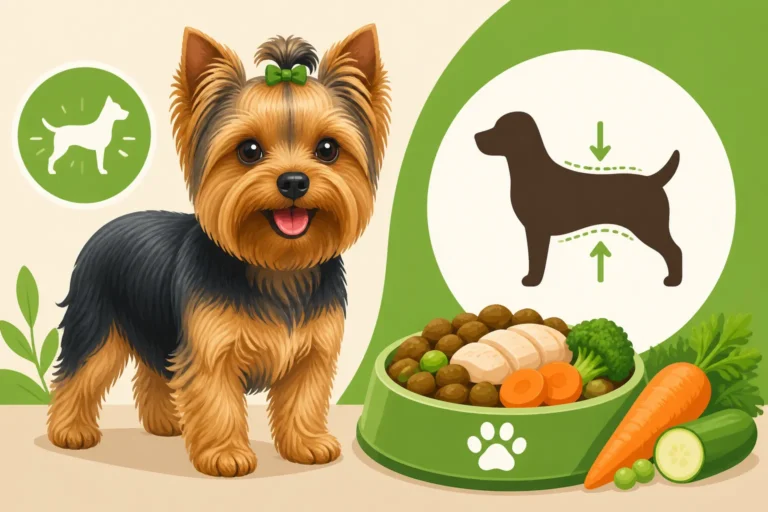
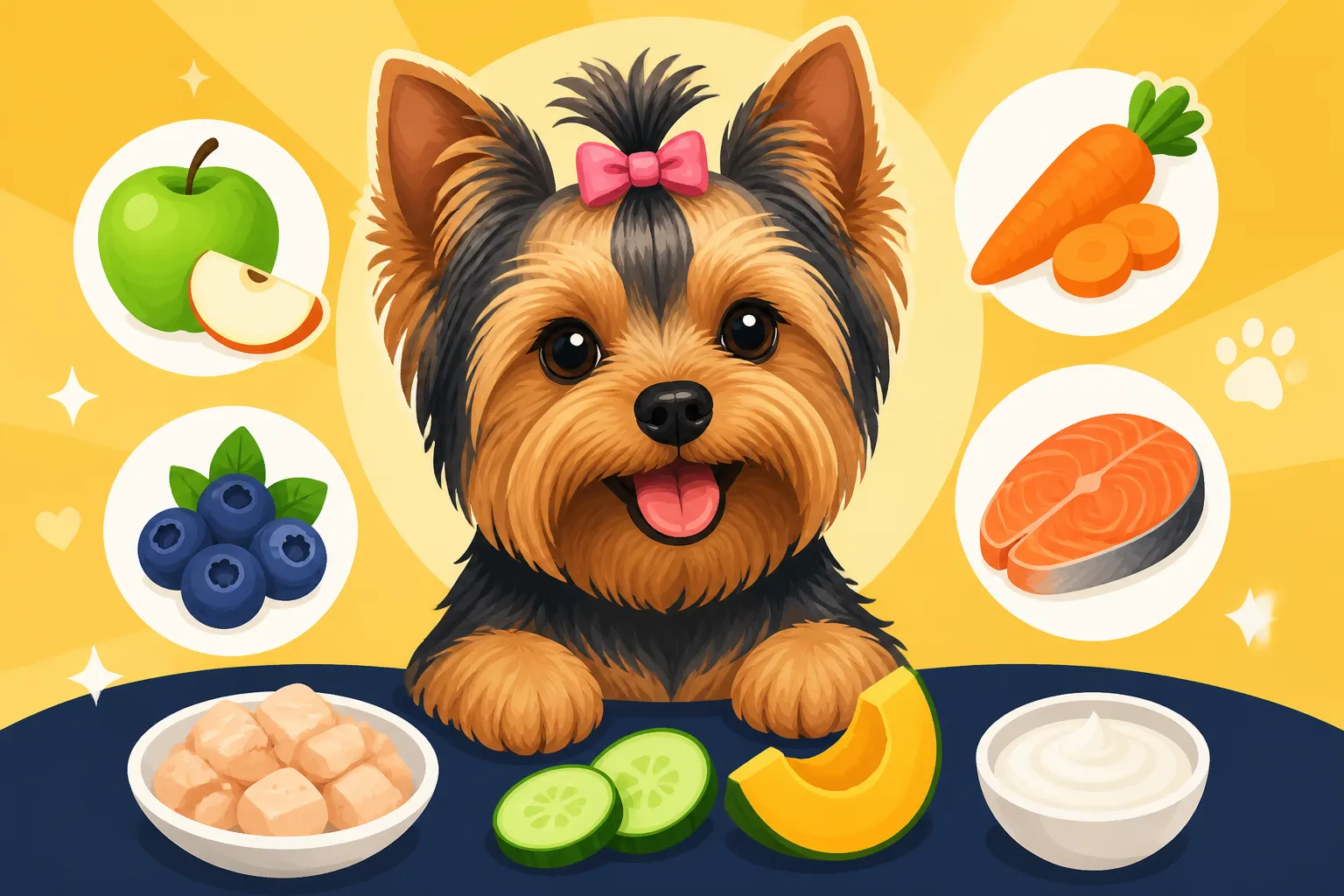
- Boneless, Skinless Chicken and Turkey: These are fantastic sources of lean protein. Always ensure the meat is fully cooked (boiled or baked is best) and completely free of bones, skin, and any seasoning. Bones can splinter and cause internal damage, while skin is fatty and can lead to digestive upset or pancreatitis. Cut the meat into tiny, pea-sized pieces to prevent choking hazards.
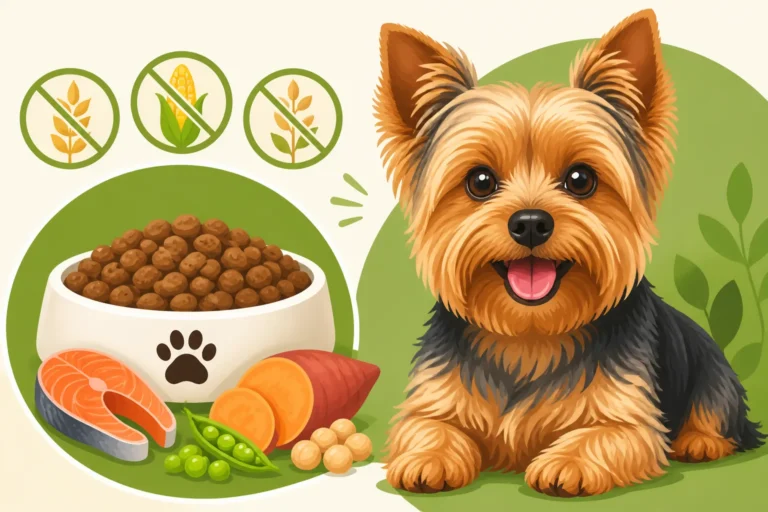
- Plain Fish (Salmon, Sardines, Cod): Cooked, boneless, and unseasoned fish can also be a wonderful, omega-3 rich treat. Salmon and sardines are particularly good for their healthy fats, which support skin and coat health. Just like chicken, make sure all bones are removed. Raw fish carries a risk of parasites and should always be avoided. For specific health considerations, you might want to learn more about Yorkshire Terrier Health Problems to Know.
Healthy Vegetables: Carrots, Green Beans, and Sweet Potatoes
Many vegetables are packed with vitamins, minerals, and fiber, making them excellent low-calorie snacks for your Yorkie.
- Carrots: These crunchy treats are great for dental health and are rich in beta-carotene. You can offer them raw (cut into small, chewable pieces) or lightly steamed. They’re a fantastic alternative to store-bought processed treats.
- Green Beans: Fresh or frozen (plain, without added salt) green beans are low in calories and high in vitamins K and C, and fiber. They can be a satisfying snack, especially if your Yorkie is prone to overeating.
- Sweet Potatoes: Cooked, plain sweet potato (without skins, butter, or sugar) is a wonderful source of dietary fiber, vitamins A and C, and manganese. It can be baked, boiled, or steamed and mashed into a smooth consistency, perfect for tiny mouths. This can be especially helpful if you’re looking into Yorkshire Terrier Feeding Guide by Age and want to add some nutritious variety.
Safe Fruits: Apples, Bananas, and Blueberries
Fruits can be a sweet, hydrating treat, but remember to always remove seeds and pits, and offer them in small quantities due to their sugar content.
- Apples: Sliced apples (without seeds or core) are a good source of fiber and vitamins A and C. The seeds contain cyanide and must be completely removed. Always offer only the flesh of the apple.
- Bananas: In moderation, bananas are a good source of potassium, vitamins, and biotin. They’re a high-sugar fruit, so give only tiny slices or mashed portions as an occasional treat.
- Blueberries: These tiny superfoods are packed with antioxidants. They’re small enough that some Yorkies can eat them whole, but crushing them or cutting them in half can be safer for very small pups to prevent choking. They're a perfect example of a healthy, small treat. When considering a comprehensive diet, remember to factor in things like How Much to Feed a Yorkshire Terrier.
Other Safe Options: Plain Rice and Oatmeal
For Yorkies with sensitive stomachs or during recovery from an upset tummy, plain rice and oatmeal can be soothing options.
- Plain Cooked White or Brown Rice: White rice is often recommended for settling an upset stomach due to its blandness. Brown rice offers more fiber. Always cook it thoroughly and serve it plain, without any butter, salt, or sauces.
- Plain Cooked Oatmeal: Rolled oats, cooked with water and served plain, can be a good source of fiber. Ensure it’s completely unsweetened and unflavored. Never use instant oatmeal packets, as they often contain added sugars and artificial ingredients. You can find safe, plain oats easily at any grocery store, or even order pet-specific brands that sometimes include oats through online retailers like Chewy.
Red Light Foods: Absolutely Dangerous for Your Yorkie
This is the non-negotiable list. These foods are toxic to dogs, and even a tiny amount can cause severe illness, or worse, for your small Yorkshire Terrier. It's vital to know these foods inside and out and ensure they are never accessible to your pup.
The Obvious Offenders: Chocolate, Grapes, and Raisins
These are probably the most well-known culprits, and for good reason. They are highly toxic.
- Chocolate: Contains theobromine, a stimulant that dogs cannot metabolize efficiently. The darker the chocolate, the more dangerous it is. Symptoms can range from vomiting and diarrhea to tremors, seizures, and even death. Even a small piece of dark chocolate can be life-threatening for a Yorkie. If your Yorkie ingests chocolate, it's an emergency situation; you'll want to review Yorkie Emergency Symptoms to Never Ignore.
- Grapes and Raisins: The exact toxic substance in grapes and raisins is unknown, but they can cause acute kidney failure in dogs. Even a single grape can be enough to cause problems for a small Yorkie. This is one of those foods where any exposure should warrant immediate veterinary attention.
Hidden Dangers: Onions, Garlic, and Xylitol
These ingredients are often found in common human foods and can be easily overlooked.
- Onions and Garlic (and other Alliums like Chives, Leeks): These vegetables contain compounds that can damage a dog's red blood cells, leading to anemia. This damage can occur whether they are raw, cooked, dried, or powdered. Garlic is often considered more potent than onions. They are frequently found in sauces, soups, and seasoned meats, so always check labels if you're considering sharing even a tiny bit of human food.
- Xylitol: This artificial sweetener is incredibly dangerous and often found in sugar-free gum, candies, certain peanut butters, toothpaste, and baked goods. Even a small amount can cause a rapid and severe drop in blood sugar (hypoglycemia), liver failure, and death. Always check the ingredient list of any "sugar-free" product before letting your Yorkie anywhere near it. If you use peanut butter as a treat, make sure it’s 100% natural and free of xylitol.
Other Harmful Items: Avocado, Macadamia Nuts, and Alcohol
Beyond the common knowledge, there are other foods you should diligently keep away from your Yorkie.
- Avocado: Contains a fungicidal toxin called persin. While it's generally more harmful to birds and large animals, it can cause vomiting and diarrhea in dogs, especially those with sensitive stomachs like Yorkies. The high fat content can also contribute to pancreatitis.
- Macadamia Nuts: These can cause weakness, vomiting, tremors, and hyperthermia in dogs. The exact mechanism of toxicity is unknown, but they should be strictly avoided. Other nuts, like almonds and walnuts, while not as toxic, are high in fat and can also cause digestive upset.
- Alcohol: Any amount of alcohol can be toxic, leading to vomiting, diarrhea, central nervous system depression, coordination problems, tremors, difficulty breathing, coma, and even death. Even small amounts can be devastating for a tiny Yorkie. Always keep alcoholic beverages out of reach.
Best Practices for Sharing Human Foods Safely
Sharing food with your Yorkie can be a wonderful bonding experience, but it requires a mindful approach. By following these best practices, you can ensure their safety and health.
Introduce New Foods Slowly
Just like with humans, introducing too many new foods at once or too quickly can upset your Yorkie's stomach.
- One Food at a Time: When trying a new safe human food, offer only a tiny amount (e.g., a sliver of carrot, a single blueberry) and wait 24-48 hours to observe for any adverse reactions such as vomiting, diarrhea, gas, or lethargy. This allows you to pinpoint exactly what might be causing a problem if one arises.
- Monitor for Allergies: While not as common with bland, whole foods, dogs can develop allergies to certain ingredients. If you notice any itching, skin irritation, ear infections, or digestive issues after introducing a new food, discontinue it immediately and consult your vet. This ties into understanding Yorkie Allergies: Signs and Relief.
Preparation is Key
We’ve touched on this, but it bears repeating: proper preparation is paramount to safety.
- Plain and Unseasoned: Absolutely no salt, pepper, garlic powder, onion powder, sugar, artificial sweeteners (especially xylitol!), butter, or oils. These additives are unhealthy at best and toxic at worst for your Yorkie.
- Appropriate Size and Texture: Cut all foods into small, bite-sized pieces to prevent choking. Cooked vegetables should be soft enough to chew easily. Harder raw vegetables like carrots should still be cut small. Never offer whole fruits with pits or seeds, or corn on the cob, as these are severe choking hazards and some pits contain cyanide.
Hydration and Dental Health Considerations
Even with healthy treats, the overall well-being of your Yorkie should always be top of mind.
- Water is Always Best: While some fruits can offer hydration, fresh, clean water should always be your Yorkie's primary source of fluids. Ensure their water bowl is always accessible and clean. Signs a Yorkie is dehydrated can be subtle, so keep an eye out.
- Dental Impact: While crunchy vegetables like carrots can help clean teeth, human foods should not replace proper dental care. Regular brushing, dental chews, and professional cleanings are still essential for preventing Yorkshire Terrier Dental Disease: Signs and Care. After all, many human food treats can still leave residues that contribute to plaque if not followed by good oral hygiene. For truly specialized dog food options, look for brands like Ollie, which often use human-grade ingredients that are perfectly safe and formulated for canine health. You can often find ingredient-specific pet-safe snacks or kitchen tools for preparing your Yorkie's treats on sites like Amazon.
When in Doubt, Consult Your Vet
This is the golden rule. If you are ever unsure about whether a particular human food is safe for your Yorkie, or if they have accidentally ingested something questionable, do not hesitate to contact your veterinarian immediately. They are your best resource for personalized advice, especially considering your Yorkie's individual health history and potential sensitivities.
A Quick Reference Guide to Human Foods
To make things a little easier, here's a table summarizing common human foods, whether they're safe for your Yorkie, and important preparation notes.
| Food Category | Specific Food | Safe for Yorkies? | Preparation Notes |
|---|---|---|---|
| Proteins | Chicken | Yes (Cooked) | Boneless, skinless, plain, cooked (boiled/baked). Cut into tiny pieces. |
| Turkey | Yes (Cooked) | Boneless, skinless, plain, cooked (boiled/baked). Cut into tiny pieces. | |
| Salmon | Yes (Cooked) | Cooked, boneless, plain. Small portions. | |
| Beef (lean) | Yes (Cooked) | Lean cuts, cooked plain. Small portions. | |
| Vegetables | Carrots | Yes | Raw (cut small) or cooked plain. Good for dental health. |
| Green Beans | Yes | Fresh or frozen (plain, no salt). | |
| Sweet Potato | Yes | Cooked plain (baked/boiled/steamed), skin removed. | |
| Broccoli | Yes (Small) | Small, cooked florets (steamed). Too much can cause gas. | |
| Peas | Yes | Fresh or frozen, plain. | |
| Spinach | Yes (Small) | Cooked plain, very small amounts due to oxalic acid. | |
| Fruits | Apples | Yes | Sliced, no seeds or core. High in fiber. |
| Bananas | Yes | Small slices, ripe. High in sugar, so moderate. | |
| Blueberries | Yes | Small quantities, fresh. Antioxidant-rich. | |
| Watermelon | Yes | Seedless, rind removed. Hydrating. | |
| Strawberries | Yes | Small portions, fresh. | |
| Grains | Rice | Yes | Plain, cooked white or brown rice. Good for upset stomachs. |
| Oatmeal | Yes | Plain, cooked with water (not milk), unsweetened. | |
| Absolutely Avoid | Chocolate | NO | Toxic (theobromine). Causes vomiting, diarrhea, seizures, death. |
| Grapes/Raisins | NO | Toxic. Can cause kidney failure. | |
| Onions/Garlic | NO | Toxic. Damages red blood cells, causes anemia. | |
| Xylitol | NO | Highly toxic artificial sweetener. Causes hypoglycemia, liver failure. | |
| Avocado | NO | Contains persin, can cause vomiting/diarrhea. High fat content. | |
| Macadamia Nuts | NO | Toxic. Causes weakness, vomiting, tremors. | |
| Alcohol | NO | Toxic. Damages central nervous system, liver. | |
| Cooked Bones | NO | Splinter, cause internal damage. | |
| Coffee/Caffeine | NO | Stimulants. Similar to chocolate toxicity. | |
| Yeast Dough | NO | Can expand in stomach, cause gas/bloating, produce alcohol. |
When it comes to your Yorkie's diet, remember that their primary nutrition should always come from a high-quality, balanced commercial dog food appropriate for their life stage, whether it's puppy, adult, or senior. Supplementing with human foods is about adding small, safe treats and variety, not replacing meals. This approach ensures your furry friend receives all the essential nutrients they need to thrive.
Disclaimer
The information provided in this article is for general informational purposes only and does not constitute veterinary advice. Always consult with a qualified veterinarian for any health concerns or before making any changes to your Yorkshire Terrier's diet or treatment plan.