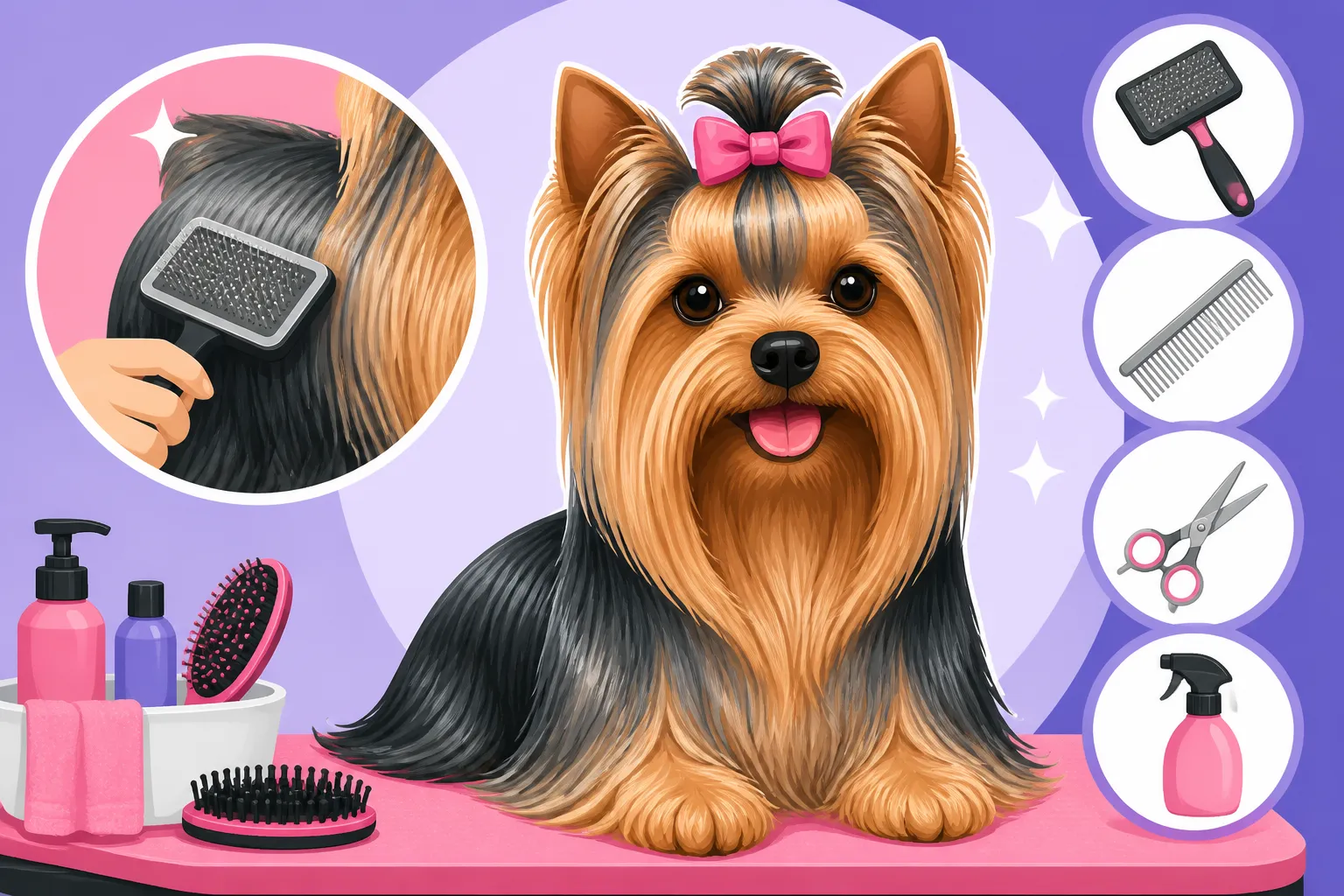
How to Groom a Yorkie’s Coat
Let's be honest, that glorious, flowing coat on a Yorkshire Terrier is one of their most defining features, but keeping it looking pristine can feel like a full-time job. Many Yorkie parents struggle with matting, tangles, and that dreaded dullness, wondering if they're doing something wrong or if a professional groomer is the only solution. This comprehensive guide is here to demystify the process, offering practical, step-by-step advice to help you groom your Yorkie's coat at home with confidence, ensuring they always look and feel their best.
Understanding Your Yorkie's Unique Coat
Before we dive into brushes and baths, it's crucial to understand what makes a Yorkshire Terrier's coat so special – and occasionally challenging. Unlike many other breeds, Yorkies don't have a typical "fur" coat with an undercoat. Instead, they boast a single layer of fine, silky hair that's remarkably similar to human hair. This unique characteristic is why they're often considered a good option for people with allergies, as they shed minimally compared to double-coated breeds. However, this also means their hair grows continuously, much like ours, and is prone to tangling and matting if not properly cared for.
The Silk vs. Cotton Debate
When you first look at a Yorkie, you expect that luxurious, long, silky texture. And while many Yorkies certainly have that classic "silk" coat, some exhibit what's often referred to as a "cotton" coat. A silk coat is fine, straight, and lies flat, reflecting light beautifully. It's less prone to matting and easier to brush, though it still requires diligent care. A cotton coat, on the other hand, is softer, fluffier, and has a slightly coarser texture. This type of coat is an absolute magnet for tangles and mats, making grooming an even more frequent necessity. Recognizing which type of coat your Yorkie has will greatly influence your grooming routine and the tools you choose. Don't feel discouraged if you have a cotton-coated pup; it just means you'll need to be extra consistent with your brushing and conditioning to keep those knots at bay.
Why Consistent Grooming is Non-Negotiable
The sheer truth is, if you own a Yorkshire Terrier, regular grooming isn't a luxury; it's an absolute necessity for their health and comfort. Neglecting their coat can lead to severe matting, which can be incredibly painful for your dog. Mats pull on the skin, restrict movement, and can hide skin infections, parasites, and other issues. In severe cases, mats can even cut off circulation. Beyond the health aspects, a well-groomed coat looks stunning and contributes to your Yorkie's overall well-being and happiness. It also strengthens the bond between you and your furry friend. Establishing a consistent Yorkshire Terrier Grooming Guide is essential, whether you opt for a short, manageable Yorkie Puppy Cut: What to Know or aim for that flowing show coat.
Essential Tools and Supplies for Yorkie Coat Care
You wouldn't try to bake a cake without the right ingredients, and grooming your Yorkie is no different! Having the correct tools on hand makes the process infinitely smoother, more effective, and more enjoyable for both of you. Don't skimp on quality here; good tools are an investment that will pay off in a healthier, happier coat.
Brushes and Combs for Every Need
The right brush can make all the difference in preventing mats and keeping your Yorkie's coat smooth. You’ll need a few different types for various stages of grooming. A good pin brush with rounded pins is excellent for general brushing, especially for longer coats, helping to remove loose hair and minor tangles without pulling too much. For daily maintenance and working out smaller knots, a slicker brush is indispensable. Make sure the pins are gentle and not too stiff to avoid irritating their delicate skin. When choosing a slicker brush, look for one that has flexible bristles and is specifically designed for small breeds or fine hair. Brands like Chris Christensen (often available on Amazon or Chewy) are highly regarded for their quality grooming tools and can make a noticeable difference in detangling and smoothing.
A metal comb with both fine and wide teeth is also a must-have. The wide-toothed side is perfect for gently working through any remaining tangles after brushing, while the fine-toothed side is ideal for detailing around the face, ears, and paws. This is also your final check to ensure no hidden mats remain. If you're wondering which specific tools are best, our guide on the Best Brush for a Yorkshire Terrier delves deeper into the options available.
Shampoos, Conditioners, and Detangling Sprays
Given their hair-like coat, Yorkies benefit greatly from shampoos and conditioners designed to hydrate and protect. Look for gentle, pH-balanced formulas that are specifically for dogs, preferably those with moisturizing ingredients like oatmeal, aloe vera, or silk proteins. Avoid harsh detergents or human shampoos, as these can strip natural oils and irritate their skin. A good detangling spray or leave-in conditioner is a lifesaver for tackling stubborn knots and can be used both before brushing and after bathing. These products help lubricate the hair, making it easier for the brush to glide through without causing pain.
For example, Bio-Groom's Silk Cream Rinse or Earthbath's Oatmeal & Aloe line are popular choices among Yorkie owners. These products can be easily found on platforms like Chewy or Amazon, making it convenient to stock up. When it comes to bathing, remember that proper drying is just as important as the wash itself to prevent mats. Our guide on How to Dry a Yorkie After a Bath offers crucial tips for this step.
Grooming Shears and Nail Clippers
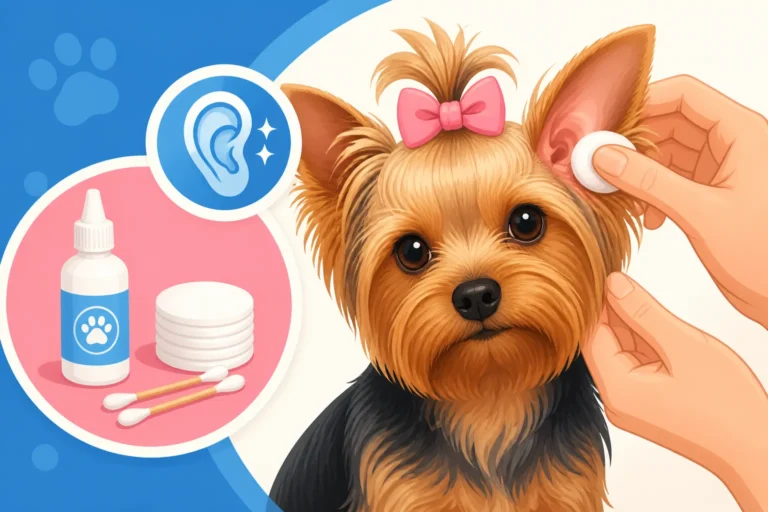
Even if you rely on a professional for major haircuts, having a good pair of blunt-nosed grooming shears can be incredibly helpful for trimming around the eyes, paws, and sanitary areas between professional visits. Look for a pair specifically designed for pet grooming to ensure safety. Nail clippers (guillotine or scissor-style, whichever you prefer) and a nail grinder are also essential. Keeping their nails trimmed not only prevents discomfort but also helps maintain proper foot structure. Don't forget ear cleaning solution and cotton balls for routine ear hygiene, and soft hair ties or bands if you plan to keep a top knot or prevent hair from falling into their eyes.
| Tool Type | Purpose | Key Features |
|---|---|---|
| Pin Brush | General brushing, detangling long hair, removing loose strands | Rounded pins, comfortable handle, flexible cushion |
| Slicker Brush | Removing mats, shedding, smoothing coat, stimulating skin | Fine wire pins, gentle tips, various sizes for small breeds |
| Metal Comb | Final detangling, checking for mats, grooming delicate areas | Dual-sided (wide and fine teeth), stainless steel |
| Detangling Spray | Lubricating hair, preventing static, aiding in knot removal | Moisturizing ingredients, dog-safe, leave-in formula |
| Dog Shampoo & Conditioner | Cleaning, hydrating, maintaining coat health, preventing dryness | pH-balanced, gentle, hypoallergenic, breed-specific if possible |
| Blunt-Nosed Shears | Trimming face, paws, sanitary areas | Safety tips, sharp blades for clean cuts, ergonomic design |
| Nail Clippers/Grinder | Trimming nails to prevent overgrowth and discomfort | Sharp blades, safety guard (clippers), low-noise (grinder) |
Step-by-Step Yorkie Coat Grooming Routine
Now that you have your arsenal of tools, let's walk through a practical grooming routine. Consistency is key, so try to stick to a schedule that works for you and your Yorkie. For most Yorkies, this means daily brushing and regular bathing every 2-4 weeks.
Daily Brushing for a Healthy Coat
Daily brushing is the cornerstone of effective Yorkie coat care. It's the best defense against matting and tangles, especially if your Yorkie has a longer coat or a "cotton" texture. Start by gently misting their coat with a detangling spray. This helps to hydrate the hair and makes brushing easier, reducing breakage. Use your pin brush first to go through the entire coat, working in small sections, always brushing in the direction of hair growth. Be sure to reach all the way down to the skin, as mats often start close to the body.
Once you've done an initial pass, switch to your slicker brush. Again, work in sections, paying close attention to "friction areas" – behind the ears, under the armpits, and where harnesses or collars sit. These are notorious spots for mats to form. Finish with your metal comb to ensure you haven't missed any hidden tangles. If the comb glides smoothly through the coat from root to tip, you're golden! If it snags, go back with your slicker brush or fingers to gently work out the knot. This routine is absolutely vital for How to Keep a Yorkie's Coat Long and Silky.
Bathing Your Yorkshire Terrier Effectively
Bathing your Yorkie isn't just about getting them clean; it's about conditioning their delicate hair and preventing future problems. Aim for a bath every 2 to 4 weeks, depending on their activity level and coat length. Before the bath, always, always thoroughly brush out any mats or tangles. Wetting a matted coat will only tighten the mats, making them nearly impossible to remove without cutting.
Use a warm, not hot, water temperature. Apply a good quality dog shampoo, lathering gently but thoroughly, making sure to rinse completely. Residual shampoo can irritate the skin and dull the coat. Follow up with a conditioner, letting it sit for a few minutes before rinsing. This will deeply hydrate their hair, making it softer and less prone to tangling. When drying, blot with a towel rather than rubbing vigorously, which can create tangles. Then, use a low-heat hairdryer, brushing gently as you dry. This step is critical for preventing mats and ensuring the coat dries straight and smooth. Our article How to Bathe a Yorkie offers even more detailed instructions.
Trimming and Detail Work
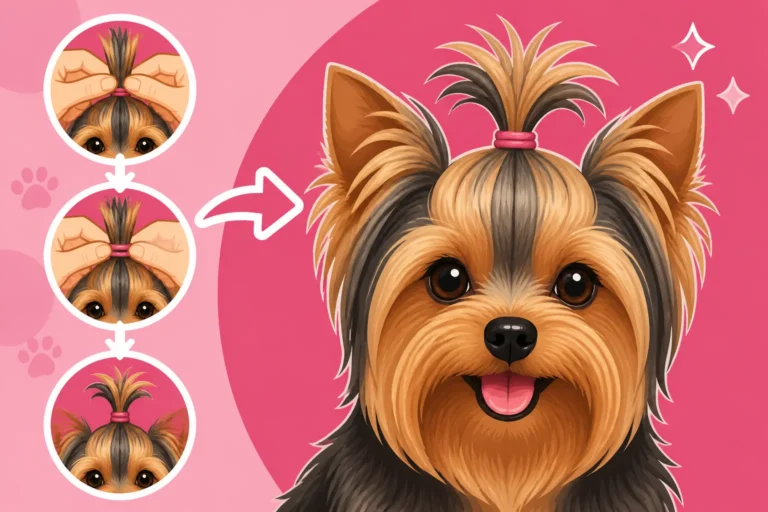
Even if you prefer a professional for a full haircut, there are some essential areas you can safely maintain at home. For the face, carefully trim any hair that falls into their eyes using blunt-nosed shears. You might consider a top knot to keep hair out of their face, which also adds to their charming appearance. The hair around their paws can also be trimmed to prevent debris collection and improve traction. Gently lift each paw and carefully trim the hair between the pads and around the edges of their feet.
Don't forget the sanitary area. This involves carefully trimming the hair around their rear end to prevent fecal matter from sticking, which is both unhygienic and uncomfortable for your dog. For more specific guidance on facial grooming, check out How to Groom a Yorkie's Face. Always use caution and if you're unsure, it's always best to consult with a professional groomer or your vet. For basic nail care, trim a small amount of the nail tip, avoiding the quick (the pink part), which contains blood vessels and nerves. If you're nervous about trimming, a nail grinder can be a less intimidating option.
Troubleshooting Common Coat Issues
Despite your best efforts, Yorkies can still present some specific coat challenges. Knowing how to address these can save you a lot of frustration and keep your pup comfortable.
Tackling Mats and Tangles
Mats are the bane of every Yorkie owner's existence. The best way to deal with them is prevention through daily brushing. But if you do find a mat, don't panic or try to rip it out. This will only hurt your Yorkie and make them dread future grooming sessions. Instead, work slowly and gently. Apply a generous amount of detangling spray or a specialized dematting spray to the mat. Using your fingers, try to gently pull the mat apart into smaller sections.
Once the mat is loosened, use the wide-toothed side of your metal comb or a slicker brush to carefully comb from the outside edge of the mat, working your way inward. Never try to pull the comb straight through the mat from the root. If the mat is very tight and close to the skin, you might need to carefully use blunt-nosed shears to cut into the mat (not across it, which can cut the skin) to break it up. If it’s severe, don’t hesitate to contact a professional groomer who has experience with dematting. It's much safer for your dog. For further reading, our guide on How to Prevent Yorkie Matting offers proactive strategies.
Dealing with Dry or Dull Coats
A healthy Yorkie coat should be shiny and soft. If your Yorkie's coat appears dry, dull, or brittle, several factors could be at play. Diet is a huge component; ensuring your Yorkie is on a high-quality dog food rich in omega-3 and omega-6 fatty acids can significantly improve coat health. Supplements like fish oil (always consult your vet first) can also add a healthy shine.
Environmental factors like dry air (especially in winter) can also contribute to dryness. Consider using a humidifier in your home. The bathing routine itself can also be a culprit. Are you using a moisturizing shampoo and conditioner? Are you rinsing thoroughly? Over-bathing with harsh products can strip natural oils, leading to dryness. Re-evaluate your products and ensure they are hydrating and gentle. Sometimes, dry skin or a dull coat can also be a sign of an underlying health issue, so if changes in diet and grooming products don't help, a vet visit is in order.
Managing Tear Stains and Face Hair
Tear stains are common in many small, light-colored breeds, including Yorkies. These reddish-brown stains are caused by porphyrins, pigments found in tears, and can be frustrating to manage. Regular cleaning of the face is the first line of defense. Use a warm, damp cloth or a specialized dog-safe tear stain remover to gently wipe the area around their eyes daily. Trimming the hair around the eyes regularly can also help prevent tears from accumulating and staining the longer hair. Some owners find that dietary changes, like using filtered water or specific supplements, can help reduce tear production, but always discuss these with your veterinarian.
Keeping the hair out of your Yorkie's eyes is not just for aesthetics; it's vital for preventing irritation and potential eye problems. If you don't opt for a top knot, regular trims of the bangs are necessary. Ensure you have proper lighting and a steady hand. Many Yorkie parents utilize small, soft hair bands or clips to keep the hair off the face, especially for puppies or those with longer growth. This practice can make a huge difference in their comfort and eye health.
Beyond the Basics: Advanced Coat Care and Professional Help
While home grooming is incredibly beneficial, there are times when professional help is invaluable. Even the most diligent home groomer might want to explore advanced styling or address complex issues.
Choosing a Haircut and Style
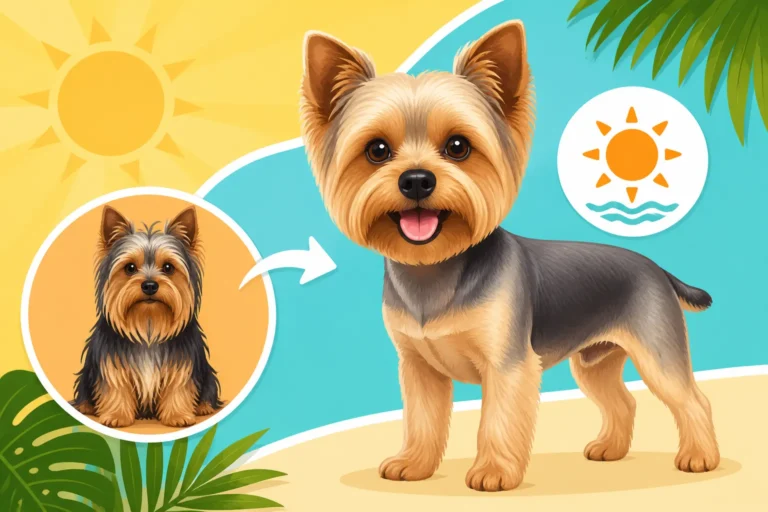
One of the joys of owning a Yorkie is the variety of adorable haircuts they can sport. Beyond the traditional long, flowing coat, many owners opt for shorter, more practical styles that are easier to maintain. Popular options include the "puppy cut," which keeps the hair uniformly short all over, or the "teddy bear cut," which leaves the face slightly rounder and fluffier. There's also the "kennel cut" for maximum practicality.
Discussing these options with a professional groomer can help you choose a style that suits your lifestyle, your Yorkie's coat type, and their comfort. A professional can execute these cuts safely and precisely. They can also advise on how frequently your chosen style will need refreshing. Our Yorkshire Terrier Coat Care and Haircuts guide offers visual examples and descriptions of popular styles, giving you plenty of inspiration.
When to See a Professional Groomer
Even if you're a seasoned home groomer, there are times when a professional groomer is your best friend. If your Yorkie develops severe matting that you can't safely remove, a professional can often save the coat without resorting to a full shave-down, or at least perform the shave safely. They also have specialized tools and techniques for tricky areas like ear hair plucking (if needed) and anal gland expression, which should only be done by a trained professional.
Regular visits to a professional groomer, perhaps every 6-8 weeks, can keep their coat in top condition and catch potential issues early. This is especially helpful if you're finding it difficult to maintain the desired length or style at home, or if your Yorkie simply isn't keen on certain aspects of grooming. Think of it as a partnership: you handle the daily maintenance, and the pros handle the bigger picture and specialized tasks. Many pet owners book recurring appointments through their local pet store groomers or independent salons.
Maintaining Coat Health with Diet and Supplements
Ultimately, a healthy coat starts from within. A balanced, high-quality diet is paramount for your Yorkie's overall health, including their skin and coat. Look for dog foods that list real meat as the first ingredient and contain beneficial fatty acids. Some owners opt for fresh food delivery services like The Farmer's Dog or prepare homemade meals (under vet guidance) to ensure optimal nutrition.
Supplements, such as fish oil (rich in Omega-3s) or biotin, can also support skin and coat health, promoting shine and reducing dryness. Always consult your veterinarian before adding any supplements to your Yorkie's diet to ensure they are appropriate and dosed correctly. A healthy gut also contributes to healthy skin and coat, so probiotics might be another consideration for some dogs. Remember, a glossy, vibrant coat is a strong indicator of a healthy dog, inside and out!
Disclaimer
This article is intended for informational purposes only and does not constitute veterinary advice. Always consult with a qualified veterinarian for any health concerns or before making any decisions about your pet's health or treatment.