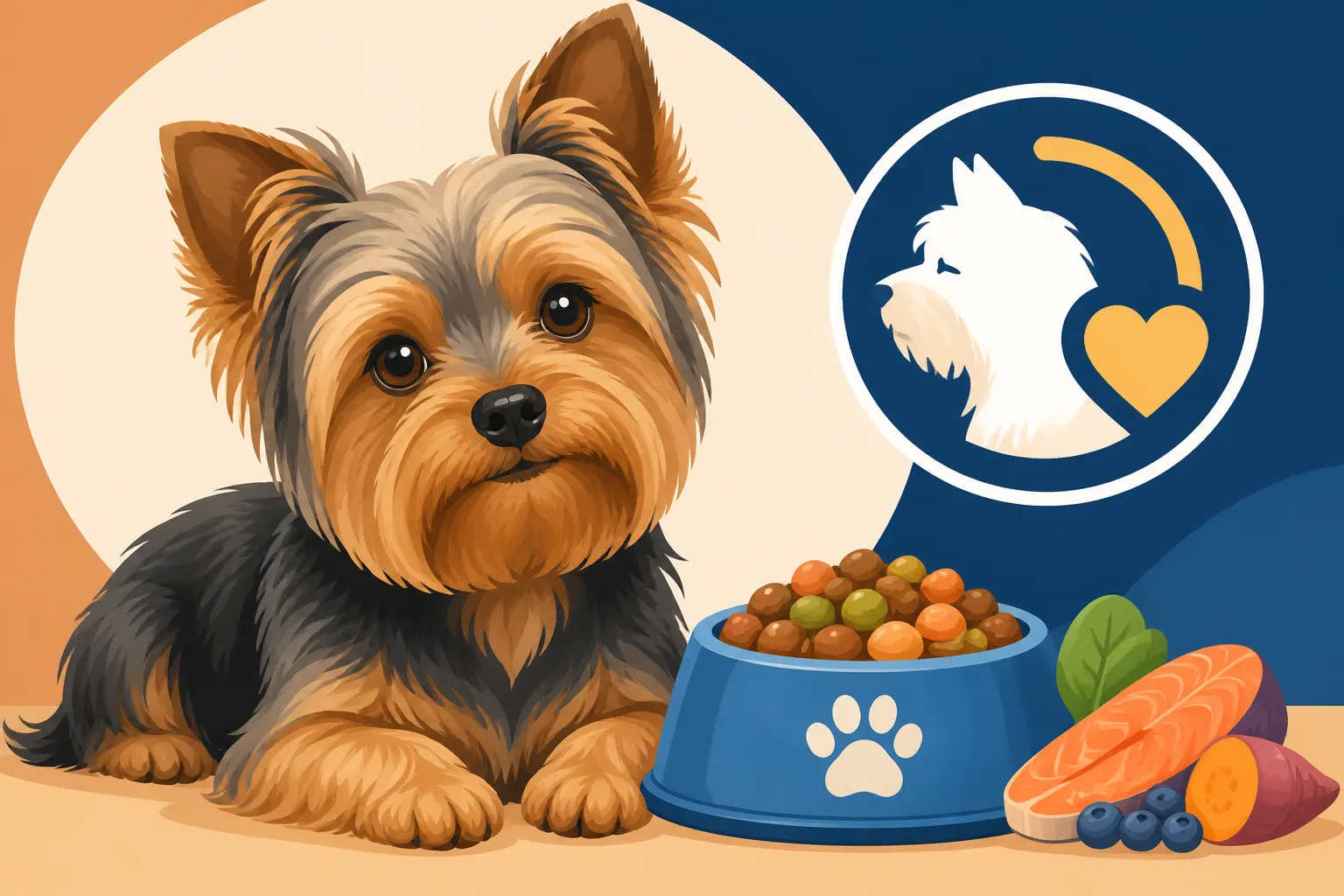
Yorkshire Terrier Senior Food
It's incredibly tough watching our lively, feisty Yorkshire Terriers start to slow down. One minute they're zooming around like puppies, the next they're sleeping more and perhaps struggling with stairs. Their nutritional needs change dramatically as they age, and sticking to the same old food can actually do more harm than good. This comprehensive guide will walk you through everything you need to know about choosing the perfect Yorkshire Terrier senior food to keep them as healthy and comfortable as possible in their golden years.
Why Your Senior Yorkie's Diet Needs to Change
Just like us, as our beloved Yorkies get older, their bodies start to operate a little differently. What once fueled their boundless energy can now lead to problems. Understanding these shifts is the first step in providing them with the best possible care, especially when it comes to their meals.
Understanding Age-Related Metabolic Shifts
One of the biggest changes we see in senior Yorkies is a slowdown in their metabolism. Their bodies just don't burn calories as efficiently as they used to. This isn't just about them being less active; it's a fundamental physiological change. If they continue to eat the same amount of food with the same caloric density they did in their prime, it's a recipe for weight gain. And for a tiny breed like a Yorkshire Terrier, even a pound or two extra can put significant strain on their joints, heart, and other organs. We want them to maintain a healthy weight, which is often a challenge for senior dogs, so food formulated for lower caloric intake but high nutrient density becomes critical. You might find our guide on how to help an overweight Yorkie useful if you're already seeing those extra pounds.
Common Health Challenges in Senior Yorkies
Beyond metabolism, aging brings a host of potential health issues that diet can significantly impact. Many Yorkies, as they age, develop dental problems, ranging from gum disease to tooth loss, making it painful to chew hard kibble. Joint issues like arthritis are also common, exacerbated by their predisposition to conditions like luxating patellas. As their brains age, some Yorkies can experience cognitive decline, similar to dementia in humans, affecting their alertness and memory. Internal organs, like kidneys and liver, also start to work less efficiently, requiring diets that are easier on these systems. Finally, their immune system naturally weakens, making them more susceptible to illness. A specialized senior diet can provide targeted support for many of these challenges, helping to prolong their quality of life. For a deeper dive into common senior ailments, check out our comprehensive article, Yorkshire Terrier Senior Care Guide.
Key Nutrients to Look for in Senior Yorkie Food
When you're sifting through all the different bags and brands, it can feel overwhelming trying to figure out what's actually important. For a senior Yorkie, specific nutrients aren't just a bonus; they're essential for addressing their unique physiological needs.
Protein for Muscle Maintenance
It might seem counterintuitive since we often hear about lower protein for older dogs, but high-quality, easily digestible protein is crucial for senior Yorkies. As dogs age, they can lose muscle mass, a condition called sarcopenia. Adequate protein helps prevent this muscle wasting, keeping them stronger and more mobile. Look for animal-based protein sources like chicken, turkey, lamb, or fish as the first ingredients. The key here is quality and digestibility. Cheaper protein sources might be hard on their kidneys or digestive system, so always scrutinize the ingredient list. Brands like Hill's Science Diet and Royal Canin often formulate their senior foods with this in mind, using specific protein levels optimized for older pets.
Joint Support Supplements
One of the most common complaints I hear from fellow Yorkie parents is about their senior dog's stiffness or limping. Given their small size and genetic predispositions, joint problems are almost inevitable. That's where supplements like glucosamine and chondroitin come in. These are natural compounds found in healthy cartilage and can help reduce inflammation, improve joint lubrication, and support cartilage repair. Many senior dog foods now include these in their formulas, alongside ingredients like green-lipped mussel or turmeric, which also have anti-inflammatory properties. When comparing foods, check the guaranteed analysis to see the levels of these joint-supporting ingredients. Our article on Yorkie Joint Supplements Explained provides even more detail on this topic.
Fiber for Digestive Health
As metabolism slows, so too can the digestive system. Senior Yorkies are prone to constipation or irregular bowel movements. A balanced amount of fiber is essential to keep things moving smoothly. Soluble fiber, found in ingredients like beet pulp or chicory root, helps promote healthy gut bacteria, while insoluble fiber (like that from peas or brown rice) adds bulk to stool, aiding regularity. However, too much fiber can reduce nutrient absorption, so balance is key. A good senior food will have a moderate fiber content, often slightly higher than adult formulas, to support a healthy gut microbiome without causing other issues.
Omega Fatty Acids for Skin, Coat, and Brain
Omega-3 fatty acids, particularly EPA and DHA, are superstars for senior dogs. They are potent anti-inflammatory agents, which can help alleviate joint pain, improve skin health, and keep their delicate coats shiny and soft. Perhaps even more importantly, DHA plays a critical role in brain health and cognitive function. Supplementation with omega-3s has been shown to help slow cognitive decline, keeping senior Yorkies more alert and engaged. Look for fish oil (salmon oil, sardine oil) or flaxseed as sources. Some foods, including those available on platforms like Chewy, highlight their omega-3 content prominently.
Antioxidants for Immune and Cognitive Function
Free radicals are damaging molecules that build up over time, contributing to aging and disease. Antioxidants, like vitamins E and C, beta-carotene, and selenium, help neutralize these free radicals, supporting a robust immune system and protecting cells from damage. This cellular protection is vital for all organs, including the brain, helping to maintain cognitive function and overall vitality. Ingredients like blueberries, spinach, and other colorful vegetables are often added to senior dog foods for their natural antioxidant content. A diet rich in antioxidants is a cornerstone of How to Keep a Yorkshire Terrier Healthy throughout their life, especially in old age.
Choosing the Right Type of Senior Yorkie Food
The sheer variety of dog food available can make your head spin. Dry, wet, fresh, raw – what’s best for your aging Yorkie? Each type has its pros and cons, and understanding them will help you make an informed decision tailored to your dog's specific needs.
Dry Kibble Considerations
Dry kibble is the most common and often the most economical choice. For senior Yorkies, if you opt for kibble, there are a few important considerations. Firstly, the kibble size: it should be small enough for their tiny mouths and potentially sensitive teeth to manage. Many senior-specific kibbles have smaller, easier-to-chew pieces. Secondly, texture: a softer, less crunchy kibble might be preferred if your Yorkie has significant dental issues. Some brands formulate kibbles that are porous or designed to be easily moistened with water. Finally, the ingredient quality, as discussed above, is paramount. Brands like Purina Pro Plan offer senior formulas that are widely available and often recommended by vets, with considerations for small breeds.
Wet Food Benefits for Seniors
Wet food can be an absolute game-changer for older Yorkies, especially those facing challenges. The high moisture content is excellent for hydration, which can be a concern as older dogs may drink less or have compromised kidney function. It's also typically much more palatable and easier to eat for dogs with dental problems, a reduced sense of smell or taste, or a picky appetite. The soft texture means less chewing effort, which is a relief for sore gums or missing teeth. However, wet food tends to be more expensive and can sometimes lead to faster dental plaque buildup if not paired with a good dental hygiene routine. Our Yorkshire Terrier Dental Care Guide offers great advice on this.
Fresh and Gently Cooked Options
In recent years, fresh and gently cooked dog food options have become very popular. Brands like Ollie prepare human-grade ingredients and deliver pre-portioned meals. These diets can be incredibly appealing to senior Yorkies due to their freshness, palatability, and often high moisture content. They are generally made with whole, recognizable ingredients, which many owners appreciate. For a senior Yorkie with a sensitive stomach, a fresh diet might be easier to digest. However, these options are typically more expensive and require refrigeration, which means a bit more planning. They can be a fantastic choice for supporting overall health and vitality in older dogs, especially if your Yorkie has become a particularly picky eater. You can often find a good selection of these on platforms like Amazon or directly from the brand websites.
Consulting Your Veterinarian
No matter how much research you do (and I applaud you for it!), the single most important step in choosing a senior food for your Yorkie is consulting your veterinarian. They know your dog's individual health history, any underlying conditions, and can recommend a diet specifically tailored to their needs. They can also help you determine the ideal weight range for your Yorkie, crucial for preventing problems like Yorkie Weight: Healthy Range by Age. If your Yorkie has kidney disease, for example, they might need a prescription diet that's very different from a dog primarily struggling with joint pain. Your vet is your best partner in navigating these choices.
Transitioning Your Yorkie to a New Senior Diet
Switching your Yorkie's food isn't something to do overnight. Their digestive systems, especially when they're older, can be quite sensitive. A sudden change can lead to an upset stomach, diarrhea, or refusal to eat, which is the last thing you want for your senior companion.
Gradual Introduction Methods
The golden rule for changing dog food is to do it gradually, over a period of 7 to 10 days. Start by mixing a small amount of the new food with their old food. For instance, on days 1-3, use about 25% new food and 75% old food. Days 4-6, go for a 50/50 split. Days 7-9, increase to 75% new and 25% old. By day 10, if all goes well, you can feed 100% new food. This slow transition allows your Yorkie's digestive system to adjust to the new ingredients without becoming overwhelmed. If you notice any signs of discomfort or digestive upset at any stage, slow down the process even further. You might need to stick to a particular ratio for an extra day or two.
Monitoring for Digestive Upset
During the transition, keep a close eye on your Yorkie. Are they still eating with enthusiasm? Is their stool normal in consistency? Are they showing any signs of discomfort like bloating, gas, vomiting, or diarrhea? These are all indicators that the new food might not be agreeing with them or that you're transitioning too quickly. If serious symptoms occur, revert to their old food and consult your vet. Sometimes a specific ingredient in the new food might be the culprit, especially if your Yorkie has a sensitive stomach. If you're looking for solutions, our article on Best Food for a Yorkie with a Sensitive Stomach could be helpful.
Adjusting Portion Sizes
Senior dogs often need fewer calories than their younger counterparts. Even if you switch to a senior-specific food, it’s crucial to adjust portion sizes based on their individual activity level, metabolism, and ideal weight. Don't just follow the bag's guidelines blindly; those are often a starting point. Monitor your Yorkie's weight regularly. If they're gaining weight, slightly reduce their portions. If they're losing weight (which can also be a concern in some older Yorkies), you might need to increase it slightly or consider a more calorie-dense food. Your vet can provide precise guidance on caloric intake and portioning for your specific dog. Getting the portion size right is a critical part of How to Feed a Senior Yorkie.
Important Feeding Practices for Older Yorkies
Beyond the food itself, how you feed your senior Yorkie can make a significant difference in their comfort, digestion, and overall health. Small adjustments can yield big benefits.
Meal Frequency and Schedule
While adult Yorkies might do well with two meals a day, senior Yorkies often benefit from smaller, more frequent meals. Breaking their daily food intake into three or even four smaller meals can be easier on their slower digestive systems, help maintain stable blood sugar levels (reducing the risk of Yorkie Hypoglycemia: Emergency Signs), and prevent them from feeling overly full or bloated. Consistent meal times also establish a routine, which can be comforting for older dogs who might experience some cognitive decline.
Hydration is Key
Hydration is paramount for senior Yorkies. Their kidneys might not be functioning at peak efficiency, and adequate water intake helps support kidney function, aids digestion, and keeps their bodies running smoothly. Always ensure fresh, clean water is available. If your Yorkie isn't drinking enough, consider adding a little warm water to their kibble, offering wet food (as discussed earlier), or even using a pet fountain, which can entice some dogs to drink more. Keep an eye on the water bowl and refill it frequently, especially if it evaporates quickly.
Addressing Picky Eaters
Aging can bring a decline in senses, including smell and taste, which can turn a once enthusiastic eater into a picky one. It's frustrating when they turn their nose up at food! To entice them, try warming their wet food slightly (never hot!), adding a low-sodium chicken or beef broth, or topping their meal with a sprinkle of a favorite treat or a small amount of cooked, plain chicken breast. Ensure the food is easy to chew. If your Yorkie's pickiness is accompanied by weight loss or other symptoms, it's crucial to consult your vet to rule out underlying medical issues. Our Yorkshire Terrier Feeding Guide by Age has more tips on managing feeding challenges.
Dental Health Considerations
Dental health is often overlooked until it becomes a serious problem. Senior Yorkies are highly susceptible to dental disease, which can cause significant pain and make eating difficult. If your Yorkie has painful teeth or is missing some, hard kibble might be out of the question. Switching to wet food or softening kibble with water is a good strategy. Regular dental check-ups are non-negotiable, and your vet might recommend professional cleanings. While dental chews can help, always choose soft ones that won't risk breaking a tooth, and ensure they are appropriately sized for a tiny senior mouth. You'll find a wealth of information in our Yorkshire Terrier Dental Care Guide.
Senior Yorkie Food Considerations at a Glance
Here’s a quick overview of key things to look for and consider when selecting food for your aging Yorkshire Terrier.
| Feature | Ideal for Senior Yorkies | Why It Matters |
|---|---|---|
| Protein Source | High-quality, digestible animal protein (chicken, fish) | Maintains muscle mass, prevents sarcopenia |
| Fat Content | Moderate, with healthy fats (omega-3s) | Provides energy, supports skin/coat/brain health, anti-inflammatory |
| Carbohydrates | Complex carbs (sweet potato, brown rice) | Sustained energy, aids digestion, avoids blood sugar spikes |
| Fiber Level | Moderate (e.g., beet pulp, chicory root) | Promotes digestive regularity, prevents constipation |
| Joint Support | Glucosamine, chondroitin, green-lipped mussel | Reduces inflammation, supports cartilage health, improves mobility |
| Antioxidants | Vitamins E & C, beta-carotene, blueberries | Boosts immune system, combats cellular damage, supports cognitive function |
| Kibble Size/Texture | Small, easily chewable, or moistenable | Accommodates dental issues, encourages eating |
| Moisture Content | Higher (especially for wet/fresh food) | Aids hydration, easier to eat for dogs with dental problems |
| Calorie Count | Slightly lower than adult food | Matches slower metabolism, prevents unhealthy weight gain |
Disclaimer
This article is intended for informational purposes only and does not constitute veterinary advice. Always consult with a qualified veterinarian for any health concerns or before making any changes to your Yorkshire Terrier's diet or care routine. Individual dietary needs can vary greatly based on your dog's specific health, age, weight, and activity level.