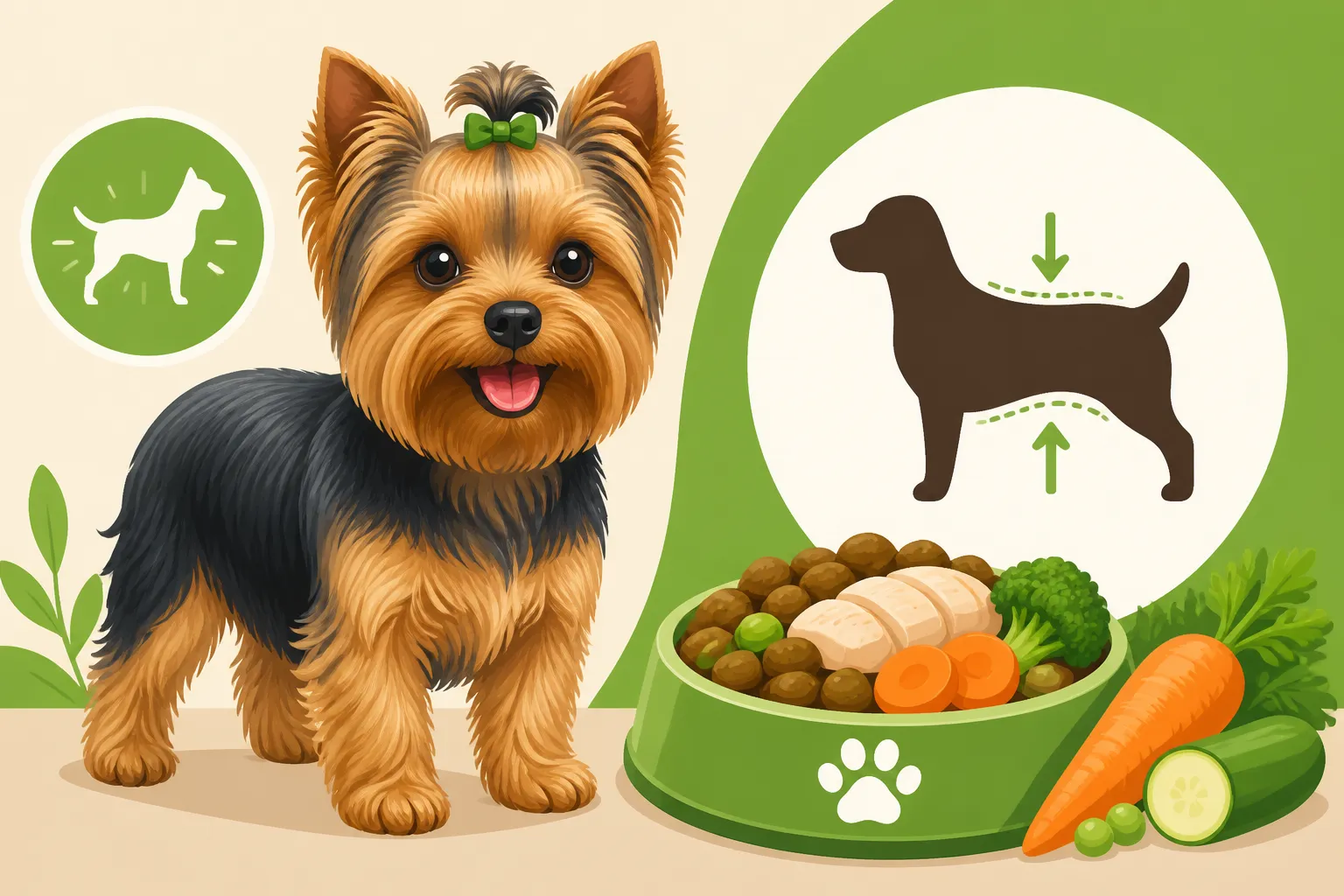
Yorkshire Terrier Food For Weight Loss
It's a common, heartbreaking scenario for many Yorkshire Terrier parents: you look at your beloved little furball, and you realize they've put on a little too much weight. Maybe their tiny waist isn't quite as nipped in as it used to be, or climbing stairs seems a bit more of an effort. It’s easy to let those extra pounds creep on – those adorable puppy-dog eyes are hard to resist when they beg for treats! But just like in humans, excess weight can lead to a whole host of health issues for our Yorkies. This guide is here to walk you through the specifics of choosing the right food and implementing effective strategies to help your Yorkshire Terrier safely and sustainably lose weight, ensuring they can live their happiest, healthiest life.
Understanding Why Your Yorkie Might Be Overweight
Before diving into specific foods, it's crucial to understand why your Yorkie might have gained weight in the first place. It’s rarely just one factor; often, it’s a combination of diet, lifestyle, and even genetics that contribute to those extra pounds. Recognizing the root causes can help you address them more effectively and prevent future weight issues.
Common Causes of Weight Gain in Yorkshire Terriers
One of the biggest culprits, predictably, is overfeeding. Those recommended portion sizes on dog food bags are often just guidelines, and a Yorkie's tiny stature means even a small excess can quickly add up. A few extra kibbles here, a couple of table scraps there, and suddenly you're looking at significant calorie surplus for a dog that might only weigh 5-7 pounds. Treats also play a huge role; a single dog biscuit designed for a medium-sized dog can be a significant portion of a Yorkie's daily caloric intake. It's easy to forget how potent these small indulgences can be.
Beyond diet, a lack of adequate exercise is another major contributor. Despite their spirited personalities, Yorkies are small dogs often kept indoors or primarily for short walks. While they might zoom around the house, that doesn't always translate to enough sustained physical activity to burn off the calories they consume. As our Yorkies age, their metabolism naturally slows down, just like ours does, and if their diet or exercise isn't adjusted accordingly, weight gain is almost inevitable. You might notice your Yorkshire Terrier Senior Care Guide touches on this more. Certain medical conditions, though less common, can also contribute to weight gain, such as hypothyroidism, which can slow metabolism. This is why a vet check is always the first step.
Health Risks Associated with Yorkie Obesity
It might seem cute to have a chunky Yorkie, but the health implications are serious. An overweight Yorkie is at a significantly higher risk for several serious health problems. Orthopedic issues like Yorkshire Terrier Patellar Luxation: Signs and Care can be exacerbated by extra weight, putting more strain on already delicate joints. Imagine carrying a backpack full of bricks all day – that’s what excess weight feels like for their tiny knees and hips.
Obesity also increases the risk of heart disease, diabetes, and certain types of cancer. Breathing problems, particularly for a breed already prone to issues like Yorkshire Terrier Collapsing Trachea: Signs and Care, can become much worse when there's extra fat around the chest and throat, making it harder for them to breathe comfortably. Their quality of life can diminish significantly; they might be less playful, more lethargic, and experience discomfort. Even their lifespan can be shortened. Our guide on How Long Do Yorkshire Terriers Live often highlights how crucial maintaining a healthy weight is for longevity.
Choosing the Best Food for Yorkshire Terrier Weight Loss
Once you've confirmed with your vet that weight loss is necessary and ruled out any underlying medical conditions, the next critical step is to re-evaluate your Yorkie's diet. This isn't just about feeding less; it's about feeding smarter.
Key Ingredients to Look For in Weight Loss Dog Food
When selecting a weight loss formula for your Yorkie, you're primarily looking for foods that are lower in calories, higher in protein, and rich in fiber. Protein is crucial because it helps your Yorkie feel full and supports muscle mass, which is important for metabolism. Look for lean protein sources like chicken, turkey, or fish as the first ingredient. Many high-quality brands available on platforms like Chewy or Amazon clearly label their weight management formulas, making it easier to identify suitable options.
Fiber is another superstar ingredient. It adds bulk to the food without adding many calories, helping your Yorkie feel satisfied after meals. Ingredients like beet pulp, peas, and various fruits and vegetables are excellent sources of fiber. Healthy fats, while seemingly counterintuitive, are still necessary in small amounts for coat health and overall well-being, but they should be kept to a minimum in a weight loss formula. Look for omega-3 and omega-6 fatty acids from sources like fish oil.
Ingredients to Avoid in Weight Loss Dog Food
Just as important as knowing what to look for is knowing what to avoid. Steer clear of foods with excessive fillers like corn, wheat, and soy. While not inherently bad, these can contribute to unnecessary calories and offer little nutritional value for a weight loss diet. Artificial colors, flavors, and preservatives are also best avoided for overall health.
High-fat ingredients should also be minimized. While some fat is essential, too much can quickly derail a weight loss plan. Pay close attention to the ingredient list, especially the fat content percentage. Some dog foods, particularly those marketed as "all-natural" or "holistic," can sometimes be deceptively calorie-dense, even if their ingredients are otherwise good. Always check the caloric content per cup or serving size.
Comparing Popular Weight Loss Dog Food Brands
Many reputable brands offer excellent weight management formulas specifically designed for small breeds or general weight loss. These often have reduced fat and calorie content while maintaining a balanced nutritional profile.
Here's a quick comparison of general characteristics you might find in weight management foods:
| Feature | Standard Adult Dog Food | Weight Loss Dog Food |
|---|---|---|
| Calorie Content | Moderate to High | Significantly Lower |
| Protein Level | Moderate | High |
| Fiber Level | Moderate | High |
| Fat Content | Moderate to High | Low to Moderate |
| Carbohydrates | Balanced, often higher for energy | Lower, often from complex sources |
| Ingredient Focus | Maintenance, general health | Satiety, lean muscle, metabolic support |
Brands like Royal Canin, Hill's Science Diet, Purina Pro Plan, and Blue Buffalo all have specific weight management lines. For instance, Royal Canin offers a "Yorkshire Terrier Adult" formula that, while not strictly a weight loss food, is tailored to the breed's needs and can be part of a controlled diet. For dedicated weight loss, they and other brands offer specific "Weight Care" or "Healthy Weight" formulas.
Some pet parents also explore fresh food options, which can be highly beneficial for weight management due to their controlled ingredients and often lower processed carb content. Companies like Ollie provide human-grade fresh food, which can be custom-portioned for weight loss goals, but always check their specific caloric recommendations. When in doubt, a quick search on Chewy will bring up countless options, often with customer reviews that can give you a real-world perspective on how a food performs.
Effective Feeding Strategies for Weight Management
Changing your Yorkie’s food is just one piece of the puzzle. How you feed them is equally important. Implementing a structured feeding plan is critical for successful and sustainable weight loss.
Proper Portion Control for Your Yorkie
This is arguably the most crucial aspect of weight loss. Small breeds like Yorkies require incredibly precise portion control. Even a few extra grams of food can make a difference. The feeding guidelines on dog food bags are just a starting point, as they don't account for your dog's individual metabolism, activity level, or current weight. Your vet will likely give you a target weight and recommend a specific daily caloric intake. It's vital to stick to this.
Invest in a digital kitchen scale to accurately measure your Yorkie's food. This might sound excessive, but eyeballing portions, even with a measuring cup, can lead to overfeeding. For a dog as small as a Yorkie, a half-ounce difference can be a significant caloric variation over time. Divide their daily allowance into two or three smaller meals. This helps manage hunger and keeps their metabolism ticking throughout the day. Our guide on How Much to Feed a Yorkshire Terrier provides more insights into general feeding guidelines.
Scheduled Feeding vs. Free-Feeding
For weight loss, scheduled feeding is non-negotiable. Free-feeding, where food is left out all day for your Yorkie to graze, makes portion control impossible and encourages overeating. Yorkies, despite their small size, can be quite adept at self-regulating, but when weight loss is the goal, scheduled meals are the way to go.
By offering food at specific times, you can monitor exactly how much your Yorkie is eating and adjust if needed. It also helps establish a routine, which many dogs thrive on. If your Yorkie has been free-fed, the transition might take a few days, but stick with it. They will learn to eat at mealtimes. This is often covered in detail in discussions about Free-Feeding vs Scheduled Feeding for Yorkies.
Smart Snacking: Low-Calorie Treats and Alternatives
Treats are often a silent saboteur of weight loss plans. Many commercial dog treats are calorie bombs, especially for tiny Yorkies. If you must give treats, choose low-calorie options specifically designed for training or weight management. Look for single-ingredient treats like dehydrated sweet potato or lean, cooked meats cut into tiny pieces.
Even better, consider fresh vegetable options like small pieces of carrots, green beans, or cucumber. Always check with your vet to ensure any human food is safe and appropriate. When training, use your Yorkie’s kibble as treats! This way, you’re not adding extra calories. You can find excellent suggestions for Best Low-Calorie Treats for Yorkies that won't undo all your hard work. Remember, attention and praise are often more rewarding for a Yorkie than any treat.
Beyond Diet: Exercise and Lifestyle Adjustments
While diet is paramount, it’s not the only factor in helping your Yorkie achieve a healthy weight. A holistic approach that includes appropriate exercise and mindful lifestyle choices is essential for their overall well-being and successful weight management.
Tailoring Exercise to Your Yorkie's Needs
Yorkies are small but surprisingly energetic, and regular exercise is crucial for burning calories and maintaining muscle mass. However, their tiny size means "exercise" for them looks very different from a Labrador's romp in the park. Aim for two to three short walks a day, 15-20 minutes each, depending on their stamina and health. Even a brisk walk around the block can make a difference.
Interactive play sessions indoors are also great. Fetching a lightweight toy, playing hide-and-seek, or even using a laser pointer (with caution, to avoid frustration) can get their heart rate up. Remember, consistency is key. Daily activity, even if it's short, is more effective than sporadic long bursts. Always be mindful of their small legs and potential joint issues; avoid high-impact activities. Our article on Yorkshire Terrier Exercise Needs has more specific advice on appropriate activities.
Regular Vet Check-ups and Monitoring Progress
Regular veterinary check-ups are non-negotiable when your Yorkie is on a weight loss journey. Your vet will help set realistic weight loss goals, monitor their progress, and adjust their diet or exercise plan as needed. They can also rule out any underlying health issues that might hinder weight loss.
It's helpful to weigh your Yorkie at home weekly or bi-weekly using a reliable digital scale. This allows you to track their progress and make small adjustments before issues become significant. Slow and steady weight loss, typically 1-2% of their body weight per week, is the safest and most sustainable. Drastic changes can be detrimental to their health. Keep a log of their weight, food intake, and exercise to share with your vet. This data is invaluable for fine-tuning their plan.
Creating a Supportive and Healthy Environment
Your home environment plays a significant role in your Yorkie's weight. Ensure all family members are on board with the weight loss plan. This means no sneaking table scraps, no extra treats, and consistent feeding schedules. Everyone needs to understand the importance of their health.
Provide plenty of mental stimulation to keep your Yorkie engaged and less focused on food. Puzzle toys that dispense a portion of their kibble can make mealtime last longer and provide mental enrichment. Consider taking a basic obedience class – not only is it great exercise, but it also strengthens your bond and provides mental challenges. Remember that managing a Yorkie's weight is a long-term commitment, but the reward is a healthier, happier companion for years to come.
Disclaimer
This article is intended for informational purposes only and does not constitute veterinary advice. Always consult with a qualified veterinarian for any health concerns or before making any changes to your Yorkshire Terrier's diet, exercise, or health care routine.