Best Brush for a Yorkshire Terrier
Oh, the quest for the perfect brush for your beloved Yorkshire Terrier! It’s a common dilemma for Yorkie parents, isn't it? Their beautiful, silky coats are a hallmark of the breed, but they can quickly become a tangled, matted mess if not given the right care and the proper tools. Finding a brush that effectively tackles tangles, removes loose hair, and leaves their coat gleaming without causing discomfort or damage can feel like searching for a needle in a haystack. This comprehensive guide is here to unravel that mystery, helping you navigate the world of brushes to find the absolute best one for your precious pup.
Why a Yorkie's Coat Demands Special Brushing Attention
You might think a brush is just a brush, but for a Yorkshire Terrier, that couldn't be further from the truth. Their unique hair type and the potential for common coat issues mean that a generic dog brush simply won't cut it. Understanding why their coat is so special is the first step to choosing the right grooming tools and establishing a routine that keeps them looking their best.
The Unique Texture of Yorkie Hair
Unlike many other dog breeds that have fur, Yorkshire Terriers boast a single coat of hair that is remarkably similar to human hair. This is why many people with allergies find Yorkies to be a more tolerable companion, as they tend to shed less dander. However, this human-like hair comes with its own set of challenges. It's fine, silky, and continuous in growth, meaning it doesn't have a natural shedding cycle like fur.
Because it's so fine and grows constantly, Yorkie hair is incredibly prone to tangling and matting. Just imagine not brushing your own long, fine hair for a few days – it would be a knotted mess! Now picture that on a dog who runs, rolls, and plays all day. This delicate texture requires brushes that can glide through the hair without snagging, pulling, or causing static, which can exacerbate tangles.
The texture also means that regular brushing isn't just about aesthetics; it's about comfort and health. Mats can pull at the skin, causing pain and irritation. They can also hide skin issues, parasites, and prevent proper air circulation, leading to skin infections. This unique hair demands a gentle yet effective approach, making the choice of brush paramount.
Common Coat Challenges Without Proper Brushing
Without a consistent and effective brushing routine, your Yorkie's beautiful coat can quickly descend into a state of disarray. The most prevalent issue is matting, where hair becomes so intertwined and felted together that it forms dense clumps. These mats aren't just unsightly; they can be incredibly painful for your dog, tugging at their sensitive skin with every movement.
Beyond matting, a lack of proper brushing can lead to excessive shedding of dead hair that gets trapped within the coat, dullness, and a loss of that characteristic silky sheen. Dead hair isn't removed, preventing new, healthy hair from growing properly. This can also contribute to skin irritation, as dirt, debris, and allergens can become trapped close to the skin.
Furthermore, a neglected coat can become a breeding ground for skin problems, parasites, and discomfort. If you've ever had a long-haired dog with a mat that pulled at their skin, you know the instant relief they feel when it's finally removed. Regular brushing, using the appropriate tools, is your primary defense against these common and distressing coat challenges, ensuring your Yorkie remains comfortable, healthy, and stunning. If you're struggling with mats, learning How to Prevent Yorkie Matting is crucial.
Understanding Different Types of Brushes for Yorkies
When you walk into a pet store or browse online, the sheer variety of dog brushes can be overwhelming. For Yorkie owners, it's essential to understand that not all brushes are created equal, and often, a combination of tools works best to keep their delicate coats pristine. Each type serves a distinct purpose in the grooming process.
Pin Brushes: Gentle Detangling and Fluffing
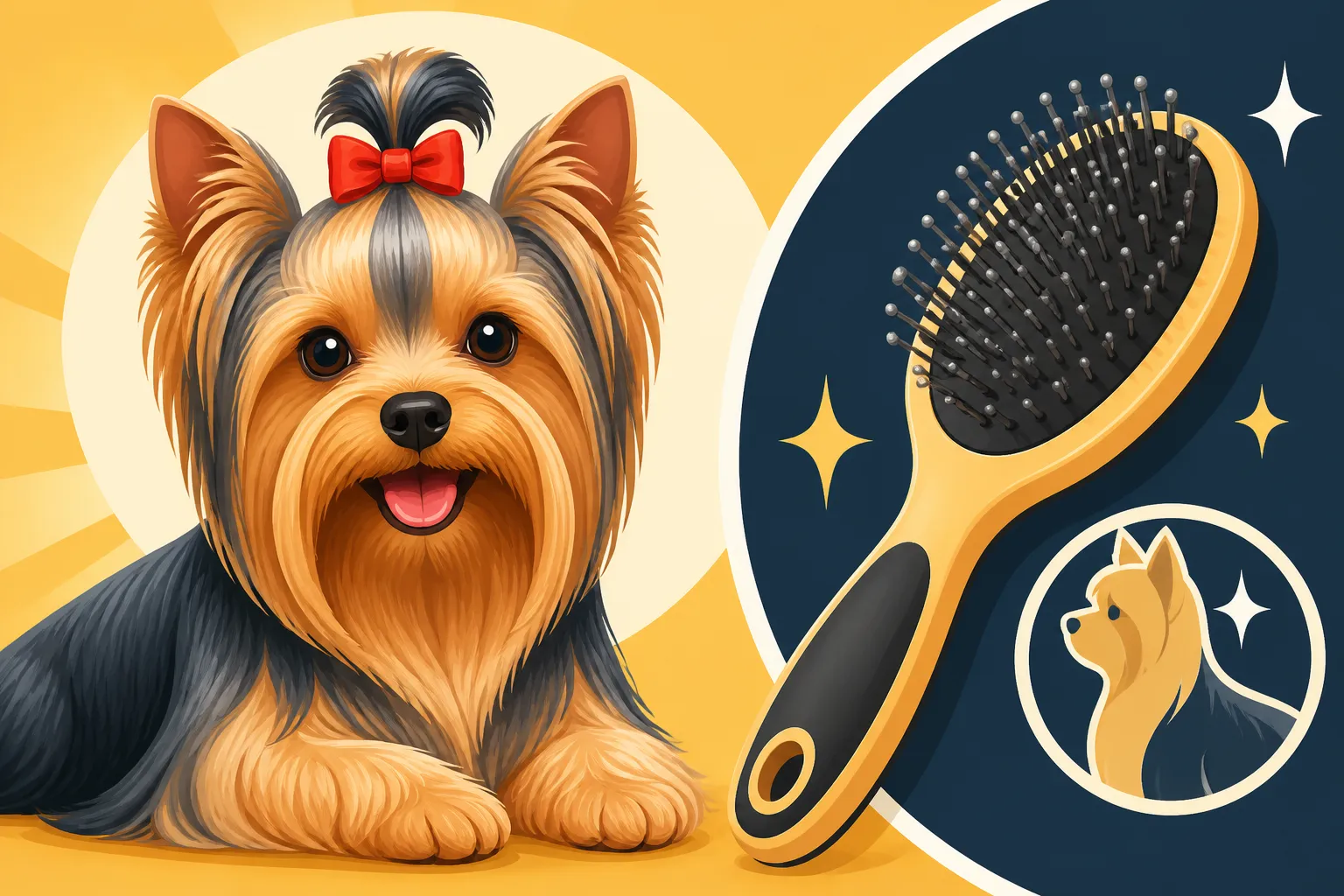
The pin brush is a fantastic all-around tool, especially for Yorkies with longer, flowing coats. These brushes feature widely spaced metal pins, usually with protective, rounded tips, set into a soft cushion. The design is specifically crafted to glide through longer hair, gently separating strands without snagging or pulling.
You'll find pin brushes invaluable for general coat maintenance and for fluffing up your Yorkie's hair, giving it that classic "just groomed" look. They're excellent for removing loose hair and surface tangles, making them a great first pass before moving onto more intensive detangling, or for daily maintenance to prevent major mats from forming. Brands like Chris Christensen offer high-quality pin brushes that are often praised by professional groomers for their effectiveness and gentle nature on delicate coats. Many Yorkie parents find them perfect for puppies learning to enjoy grooming, as they are less likely to cause discomfort.
When using a pin brush, aim for long, gentle strokes in the direction of hair growth. For a more detailed look into keeping their coat healthy, check out our Yorkshire Terrier Grooming Guide.
Slicker Brushes: Tackling Mats and Undercoat
Ah, the slicker brush – this is often considered the workhorse for many long-haired breeds, and Yorkies are no exception. Slicker brushes feature a rectangular or oval head with fine, short wire bristles that are angled to help gently separate and remove tangles, loose hair, and stubborn mats. They are incredibly effective at getting down to the skin, which is crucial for preventing mats from forming close to the body.
For Yorkies, a good quality slicker brush is indispensable for tackling those persistent tangles that accumulate behind the ears, under the legs, and on their belly. While they are highly effective, it's vital to use them with a very light hand and gentle strokes to avoid skin irritation, as the wire bristles can be sharp if used too aggressively. Always brush in small sections, working your way through the coat, and never try to "rip" through a mat with a slicker brush. For extremely matted areas, you might need a detangling spray first, which you can often find on sites like Chewy.
There are different types of slicker brushes, some with softer pins for sensitive skin, and others with firmer pins for denser coats. Finding one with a comfortable handle is important, especially for longer grooming sessions.
Bristle Brushes: For Shine and Finishing Touches
Bristle brushes, made from natural boar bristles or a blend of synthetic and natural fibers, are your go-to for adding shine and distributing natural oils throughout your Yorkie's coat. These brushes don't do much in terms of detangling or de-matting, but they are fantastic for the finishing touches, leaving the coat looking smooth, healthy, and lustrous.
The bristles work to stimulate the skin, which promotes healthy circulation and can even help with the natural shedding of any fine, loose hairs. After you've detangled and removed any mats with a pin or slicker brush, a few passes with a bristle brush will elevate your Yorkie's coat from merely tidy to truly radiant.
These brushes are particularly good for Yorkies with a well-maintained, longer show coat, or for daily quick brushes to keep the sheen. They're also great for puppies or older Yorkies with more sparse hair, as they are very gentle. You can often find a good selection of quality bristle brushes on Amazon, perfect for those final grooming touches.
Comb Options: Precision and Fine-Tuning
While brushes handle the bulk of the grooming, a good metal comb is an essential partner in your Yorkie's grooming kit for precision work. Combs typically come with two sides: one with wider teeth for general untangling, and another with finer teeth for more detailed work, such as around the face, ears, and for checking for any missed tangles.
A sturdy, stainless steel comb with rounded teeth is ideal. You'll use the wide-toothed side to gently work through larger sections of hair, checking for any knots the slicker or pin brush might have missed. Then, the fine-toothed side is perfect for carefully combing the hair on your Yorkie's face, making sure no stray hairs are irritating their eyes, or to ensure that famous top knot is perfectly in place. This is also where you'd meticulously check for any fleas or debris.
Always use a comb after you've done the initial brushing, never on a coat that hasn't been detangled first, as it can pull and hurt your Yorkie. A fine-toothed comb is also excellent for cleaning Yorkie Eye Problems Explained and tear stains.
Here's a quick comparison of the main brush types for your Yorkie:
| Brush Type | Primary Use | Key Features | Best For | Considerations |
|---|---|---|---|---|
| Pin Brush | General detangling, fluffing, daily maintenance | Widely spaced metal pins, cushioned base | Longer coats, gentle everyday brushing | Not ideal for severe mats, can generate static |
| Slicker Brush | Removing tangles, mats, loose undercoat | Fine, angled wire bristles | Dense or mat-prone coats, thorough detangling | Use gently to avoid skin irritation |
| Bristle Brush | Adding shine, distributing natural oils | Natural boar bristles or blend | Finishing touches, polishing the coat, puppies | Minimal detangling, less effective on heavy mats |
| Metal Comb | Precision detangling, checking for mats, facial hair | Dual-sided (wide/fine teeth), stainless steel | Detailed work, post-brush check, sensitive areas | Always use on a pre-brushed coat to prevent pulling |
Factors to Consider When Choosing the Best Brush for Your Yorkie
Choosing the "best" brush isn't a one-size-fits-all situation; it truly depends on your individual Yorkie's coat, their personality, and your grooming routine. Thinking through these factors will help you make an informed decision and invest in tools that truly benefit your furry friend.
Coat Type and Length: Short, Long, or Puppy Fluff
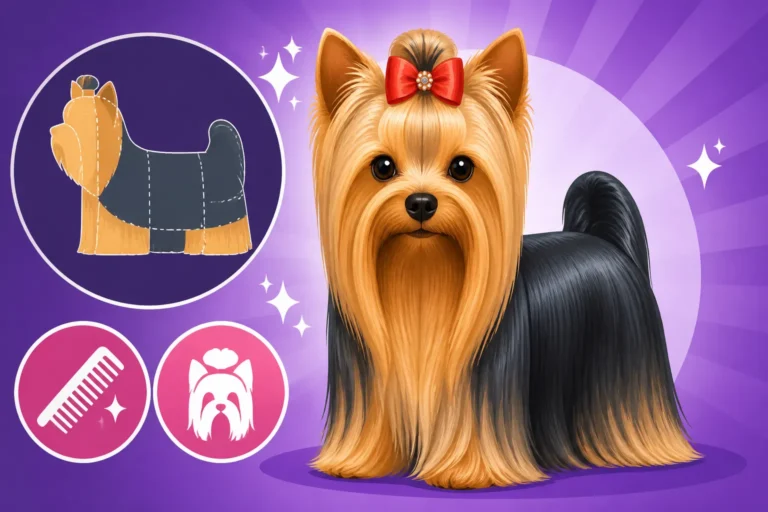
The first thing to consider is the current state and style of your Yorkie's coat. A puppy with its soft, fluffy baby coat will have different needs than an adult Yorkie sporting a long, flowing show coat or one with a shorter, practical "puppy cut."
For instance, a Yorkie puppy usually has a softer, less dense coat that isn't as prone to severe matting as an adult's longer hair. A soft bristle brush or a very gentle pin brush is often perfect for a puppy, helping them get accustomed to the grooming process without discomfort. As they grow and their adult coat comes in, especially if you plan to keep it long, you’ll need to transition to more robust tools like a quality slicker brush and a metal comb to tackle the inevitable tangles. For a Yorkie with a shorter "kennel cut" or "teddy bear cut," a pin brush might be sufficient for daily maintenance, with a slicker brush reserved for occasional deeper grooms or specific problem areas. Understanding the specific Yorkshire Terrier Coat Care and Haircuts will help you tailor your brush choices.
The goal is always to find a brush that can efficiently manage the specific length and texture of your Yorkie’s hair without causing pain or damage. A brush that’s too harsh for a delicate puppy coat could create a negative association with grooming, while one that’s too soft for a long adult coat won’t be effective at all.
Size and Ergonomics for You and Your Yorkie
Don't underestimate the importance of how a brush feels in your hand! Grooming a Yorkie, especially one with a long coat, can take some time. A brush with an ergonomic, comfortable handle will make the process much more pleasant for you, reducing hand fatigue and allowing for better control. Look for non-slip grips and a size that fits well in your hand.
Equally important is the size of the brush head relative to your Yorkie. A brush that's too large can be cumbersome and difficult to maneuver around their small body, especially in tight spots like under the arms or around the face. A smaller brush head allows for more precise strokes and can make grooming less intimidating for your little dog.
Think about the weight too. A lightweight brush is easier to handle for extended periods, and it reduces the chance of accidentally applying too much pressure. Remember, your Yorkie is small and delicate, so a brush that allows for gentle, controlled movements is key.
Material and Durability: What Lasts and What's Safe
The materials used in a brush not only dictate its durability but also its effectiveness and safety for your Yorkie. For pin brushes, look for pins made of high-quality stainless steel with smoothly finished, rounded tips to prevent scratching your dog's skin. Plastic pins can sometimes snap or have rough edges, which can pull or damage the hair.
Slicker brushes should have sturdy wire bristles that are flexible but not flimsy, set into a durable rubber or plastic base. The handle should be securely attached and made from a material that won't easily break or become sticky over time. Natural bristles for a bristle brush are generally preferred over synthetic, as they are softer and more effective at distributing oils.
Durability is also a practical concern. Investing in a well-made brush might cost a bit more upfront, but it will save you money in the long run by not needing frequent replacements. Always inspect brushes for any sharp edges, loose parts, or signs of poor construction that could potentially harm your Yorkie or become ineffective quickly. Quality materials mean a safer, more pleasant, and more effective grooming experience for both of you.
Addressing Specific Problems: Mats, Shedding, or Sensitive Skin
Sometimes, your Yorkie’s coat has particular challenges that need specific tools. If your Yorkie is prone to severe matting, a detangling spray used in conjunction with a slicker brush and a metal comb is essential. No single brush will magically untangle a dense mat; it’s a process that requires patience and the right combination of products and tools. Consider brushes specifically designed for de-matting, which often have specially shaped teeth or blades (use with extreme caution).
For Yorkies with sensitive skin, it’s paramount to choose brushes with soft tips, like a pin brush with polished pins, or a slicker brush with very flexible, fine bristles. Avoid anything that feels too scratchy or harsh. Always test the brush on your own skin first to ensure it won’t irritate your dog. In these cases, a soft bristle brush can also be a good choice for daily gentle grooming. If your Yorkie has very sensitive skin or allergies, you might also consider their diet, as good nutrition from brands like Ollie can significantly impact coat health.
While Yorkies don't "shed" like double-coated breeds, they do lose dead hair that gets caught in their silky coat. A good slicker brush or a pin brush will effectively remove these loose hairs, preventing them from contributing to tangles and mats. The key is to match the tool to the task, ensuring you’re addressing specific problems efficiently and comfortably for your Yorkie.
Step-by-Step Guide to Brushing Your Yorkshire Terrier
Brushing your Yorkie shouldn't be a chore for either of you; it should be a bonding experience that keeps them looking and feeling fantastic. A consistent, gentle approach is key.
Pre-Brushing Preparation and Essential Tools
Before you even touch your Yorkie with a brush, a little preparation goes a long way. First, gather all your tools: your chosen pin brush, slicker brush, metal comb, a detangling spray (especially if you anticipate tangles), and some small, high-value treats. Having everything within reach will make the process smoother and prevent interruptions.
Find a comfortable, quiet spot where your Yorkie feels secure. A grooming table with a non-slip surface is ideal, but a stable counter with a mat or even your lap can work for smaller dogs. Ensure your Yorkie is calm and relaxed. If they’re anxious, a short play session beforehand can help burn off some energy. Lightly mist their coat with a detangling spray or a hydrating conditioner. Never brush a completely dry coat, as this can cause static, breakage, and discomfort. A slightly damp coat allows the brush to glide through more easily.
This pre-brushing step is critical. It sets the tone for a positive grooming session and makes the actual brushing much more effective. If you're dealing with a puppy, positive reinforcement is particularly important. Learn more about their initial grooming needs in our Yorkshire Terrier Puppy Health Guide.
The Gentle Art of Detangling and De-matting
This is often the most challenging part, especially if you've missed a few days of grooming. Patience is your greatest ally here. Start with a wide-toothed comb or the wide side of your metal comb, or a pin brush. Work in small sections, typically starting from the bottom of a leg and working your way up, or from the tail forward.
When you encounter a tangle, do not pull. Instead, gently hold the hair at the base near the skin with one hand to prevent tugging on their skin. With the other hand, use the very tips of your slicker brush or the teeth of your comb to gently pick at the edges of the mat. Think of it as teasing the mat apart, rather than trying to brush through it. You can spray a little more detangling spray directly onto the mat to help loosen it. For stubborn mats, you might need to carefully use a mat splitter or blunt-nosed scissors, but if you're unsure, it's always best to consult a professional groomer to avoid injury.
Once you’ve loosened the mat, you can try to gently brush through the section with your slicker brush. Always be gentle, stopping if your Yorkie shows any signs of discomfort. Reward their patience with tiny treats. This careful, section-by-section approach prevents pain and helps maintain a positive association with grooming.
Regular Brushing Techniques for a Healthy Coat
Once the major tangles are handled, you can move onto the general brushing to maintain a healthy, flowing coat. For a Yorkie, a technique called "line brushing" is often recommended. This involves parting the hair in small sections, brushing from the skin out, and then moving to the next section. This ensures you're reaching all the way down to the skin, where mats often begin to form.
Start with your pin brush or slicker brush. Begin at the bottom of a leg or flank. Hold the hair up with one hand, exposing the skin. With your other hand, brush a small section downwards, from the skin to the ends of the hair. Once that section is tangle-free, drop a little more hair from the main body of the coat and repeat, working your way across their body and upwards. This systematic approach ensures no spot is missed.
Use light, even strokes, following the direction of hair growth. For areas like the face, be extra gentle, using a smaller brush or the fine-toothed side of your comb. Aim for a thorough brushing session 3-4 times a week, or even daily for a very long coat. Regularity is truly the secret to preventing extensive matting and keeping that signature Yorkie sheen.
Post-Brushing Care and Rewards
After a successful brushing session, the care doesn't stop! First, take a moment to admire your Yorkie's beautifully groomed coat. Then, take your bristle brush and give them a few gentle strokes all over. This helps to distribute their natural oils, enhancing shine and smoothness. It also feels quite pleasant for most dogs, acting as a mini-massage.
Next, a thorough check with your metal comb is essential. Starting from the head and working towards the tail, comb through their entire coat, section by section. The comb should glide smoothly through the hair without snagging. If it catches, it means you've missed a tangle, and you'll need to go back and address it gently. Pay extra attention to common matting areas: behind the ears, under the chin, in the armpits, and around the tail.
Finally, and perhaps most importantly, end every grooming session with plenty of praise, cuddles, and their favorite treats. You want your Yorkie to associate grooming with positive experiences. This helps reinforce good behavior for future sessions. If you’re also focusing on their dental health, this is a great time to offer a dental treat. For more tips on overall health, consider reading our guide on How to Keep a Yorkshire Terrier Healthy.
Common Brushing Mistakes to Avoid with Your Yorkie
Even with the best intentions, it's easy to fall into common brushing traps that can do more harm than good for your Yorkie's delicate coat. Being aware of these pitfalls will help you refine your technique and keep grooming a positive experience.
Brushing a Dry Coat: A Recipe for Damage
This is arguably one of the biggest mistakes Yorkie owners make. Brushing a completely dry coat, especially one that's prone to tangles, is like trying to comb through dry, tangled human hair – it's painful, ineffective, and leads to breakage. Dry hair generates static electricity, which can actually make tangles worse and cause the delicate strands to snap, leading to frizz and a dull appearance.
Before any brushing session, always lightly mist your Yorkie's coat with a detangling spray, a leave-in conditioner diluted with water, or even just plain water. This adds moisture, lubricates the hair shaft, and allows the brush or comb to glide through more smoothly, minimizing pulling, static, and damage. Think of it as providing a protective barrier for each precious strand. This simple step can drastically improve the comfort of your Yorkie and the health of their coat.
Neglecting this can contribute to Yorkie Hair Loss: When to Worry, so make sure the coat is always slightly damp.
Skipping Regular Sessions: The Matting Monster
We've all been there – life gets busy, and grooming takes a back seat. But for a Yorkie, skipping even a few regular brushing sessions can quickly turn their beautiful coat into a matting disaster. Because their hair grows continuously and is so fine, tangles form easily and tighten rapidly, especially in high-friction areas like under harnesses, behind the ears, and in the armpits.
Once a small tangle forms, it acts as a magnet for other loose hairs, quickly growing into a larger, denser mat. These mats pull at the skin, restricting movement and causing pain. They can also lead to skin irritation, infections, and can harbor parasites. Trying to tackle severe mats after weeks of neglect is far more time-consuming, stressful, and uncomfortable for your Yorkie than regular preventative brushing.
The solution is consistency. Establish a regular grooming schedule – ideally daily or every other day, even if it's just a quick 10-15 minute session. This proactive approach prevents the "matting monster" from taking hold and keeps grooming manageable and enjoyable. This is especially true for those with longer coats; consistency is key to avoiding serious issues.
Using the Wrong Brush or Technique
Just as brushing a dry coat is detrimental, so is using the wrong tool or applying an improper technique. A brush designed for a short-haired, coarse-coated dog will be far too harsh for a Yorkie's delicate hair, causing damage and discomfort. Similarly, using a comb to rip through heavy mats will only cause pain and further break the hair.
Using too much pressure with any brush, especially a slicker brush, can scratch your Yorkie's sensitive skin, leading to redness, irritation, and a negative association with grooming. Always use a gentle hand, allowing the tips of the bristles or pins to do the work, not brute force. Learning to differentiate between gentle teasing and aggressive pulling is crucial.
If your Yorkie recoils, whines, or tries to escape during brushing, it's a clear sign that something isn't right. Re-evaluate your tools and your technique. Consider watching some professional Yorkie grooming videos online to observe proper hand placement and brush strokes. The goal is always to make grooming a positive, calm experience, not a wrestling match.
Ignoring Sensitive Areas
Yorkies, despite their small size, have several sensitive areas that are prone to matting and require special attention during brushing. These often include:
- Behind the ears: This is a notorious spot for tangles and mats due to frequent scratching and the fine hair here.
- Armpits and groin area: Friction from movement and skin folds often lead to tight mats in these delicate spots.
- Tail and hindquarters: Especially for Yorkies with longer tails, this area can easily become tangled.
- Beard and mustache: Food and water can cause this hair to mat and collect debris.
- Paws and between paw pads: Hair here can also mat, collecting dirt and debris, and if left untrimmed, can become uncomfortable.
Ignoring these sensitive zones during regular brushing is a recipe for disaster. While you might focus on the main body, these hidden areas can quickly become severely matted, often requiring a professional groomer to shave them out, which is stressful for your dog. Always allocate specific time to gently brush and comb these areas. Use the fine-toothed side of your metal comb for the face, ears, and paws, taking extra care. Consistency in these areas is crucial to prevent pain and serious matting. You may also want to reference How to Groom a Yorkie's Ears for specific tips.
Beyond the Brush: Complementary Coat Care for Your Yorkie
While the right brush and a consistent routine are paramount, keeping your Yorkie's coat truly magnificent involves more than just grooming tools. Several other factors play a significant role in the overall health and appearance of their hair.
The Role of Diet in Coat Health
You know the saying, "you are what you eat"? Well, the same goes for your Yorkie! A healthy, shiny, and strong coat is often a direct reflection of a high-quality diet. If your Yorkie is eating a diet lacking in essential nutrients, their coat might appear dull, dry, brittle, or even shed more than usual (for a Yorkie).
Look for dog foods that list real meat as the first ingredient and contain healthy fats like Omega-3 and Omega-6 fatty acids (found in ingredients like fish oil, flaxseed, and chicken fat). These fatty acids are crucial for skin and coat health, promoting a lustrous shine and helping to keep the skin hydrated and less prone to flakiness. High-quality protein sources also contribute to strong hair follicles. Brands like Ollie, known for fresh, human-grade ingredients, often formulate their meals with these vital nutrients, which can make a noticeable difference in coat quality.
Conversely, diets filled with fillers, artificial preservatives, and low-quality ingredients can strip the coat of its vitality. If you're struggling with a dull coat or excessive dry skin, evaluating your Yorkie's food is often the first step. Consult your vet for recommendations on the Best Dog Food for Yorkshire Terriers that caters to their specific needs.
Professional Grooming vs. Home Care
For many Yorkie owners, the question arises: how much grooming can I do at home, and when should I call in the professionals? The truth is, it's often a blend of both. Regular home grooming with the right brushes is essential for daily maintenance and preventing severe matting. You are the frontline defense against tangles and can keep their coat looking good between professional visits.
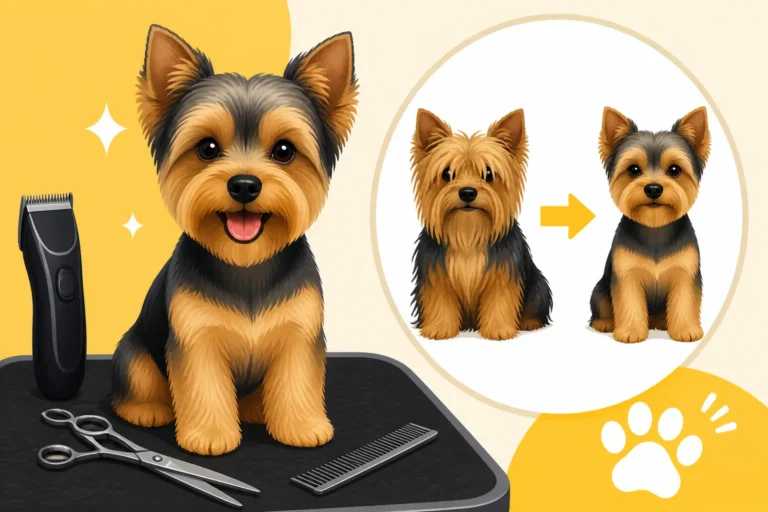
However, professional groomers offer services that are difficult to replicate at home. This includes precise haircuts (like the popular puppy cut or teddy bear cut), thorough de-shedding (even for Yorkies, professional tools can remove more loose hair), ear cleaning, nail trims, and anal gland expression. They also have specialized equipment like high-velocity dryers that can get a Yorkie dry quickly and thoroughly, which is vital for preventing mats during the drying process. A good groomer can also spot skin issues or potential health concerns you might miss.
For most Yorkies, a professional groom every 4-8 weeks is ideal, depending on their coat length and lifestyle. In between, your diligent home brushing and How to Bathe a Yorkie routine will keep them comfortable and presentable. Think of it as teamwork – your consistent home care supports the professional's specialized touch.
Hydration and Environmental Factors
Beyond diet and direct grooming, hydration and your Yorkie's living environment play silent but significant roles in coat health. Just like humans, dogs need adequate water intake for overall health, and this directly impacts skin elasticity and coat moisture. Ensure your Yorkie always has access to fresh, clean water. Signs of dehydration can sometimes manifest as a dull, dry coat.
Environmental factors can also affect your Yorkie's coat. Dry air, especially in heated homes during winter, can lead to dry skin and a brittle coat. Using a humidifier can help. Exposure to harsh sunlight for extended periods can damage hair, just as it can human hair. For Yorkies with very long coats, protecting them with light clothing or providing shade during walks can be beneficial.
Lastly, allergens in the environment, whether pollen, dust mites, or certain cleaning products, can irritate your Yorkie's skin, leading to scratching, which in turn causes tangles and mats. Regular cleaning of their bedding and living areas can help minimize exposure to allergens. A holistic approach that considers diet, hydration, environment, and consistent grooming with the right tools is what truly sets your Yorkie up for a lifetime of beautiful, healthy hair.
Disclaimer
The information provided in this article is for general informational purposes only and is not a substitute for professional veterinary advice. Always consult with a qualified veterinarian or professional groomer for any health concerns or before making any changes to your Yorkie's diet, grooming routine, or health care.