Yorkie Show Cut: What to Know
Bringing a Yorkshire Terrier into your life is an absolute joy, but for those of us who dream of seeing our little companions shine in the show ring, or simply adore the elegant, flowing coat often associated with champion Yorkies, the "show cut" can seem like a daunting, almost mythical task. It's not just a simple trim; it's a meticulous art form that requires dedication, specific tools, and a deep understanding of the breed standard. This comprehensive guide is here to unravel the mysteries of the Yorkie show cut, helping you understand what it entails and how to approach this sophisticated grooming style.
Understanding the Yorkshire Terrier Show Standard Coat
When you see a Yorkshire Terrier glide around the show ring, what immediately catches your eye is that breathtaking, long, silky coat. This isn't just any long hair; it adheres to a very specific standard set by kennel clubs like the American Kennel Club (AKC). Understanding this standard is the first crucial step before even thinking about picking up a comb for a "show cut." It dictates everything from texture to length, and even the nuances of color.
The Ideal Texture and Length
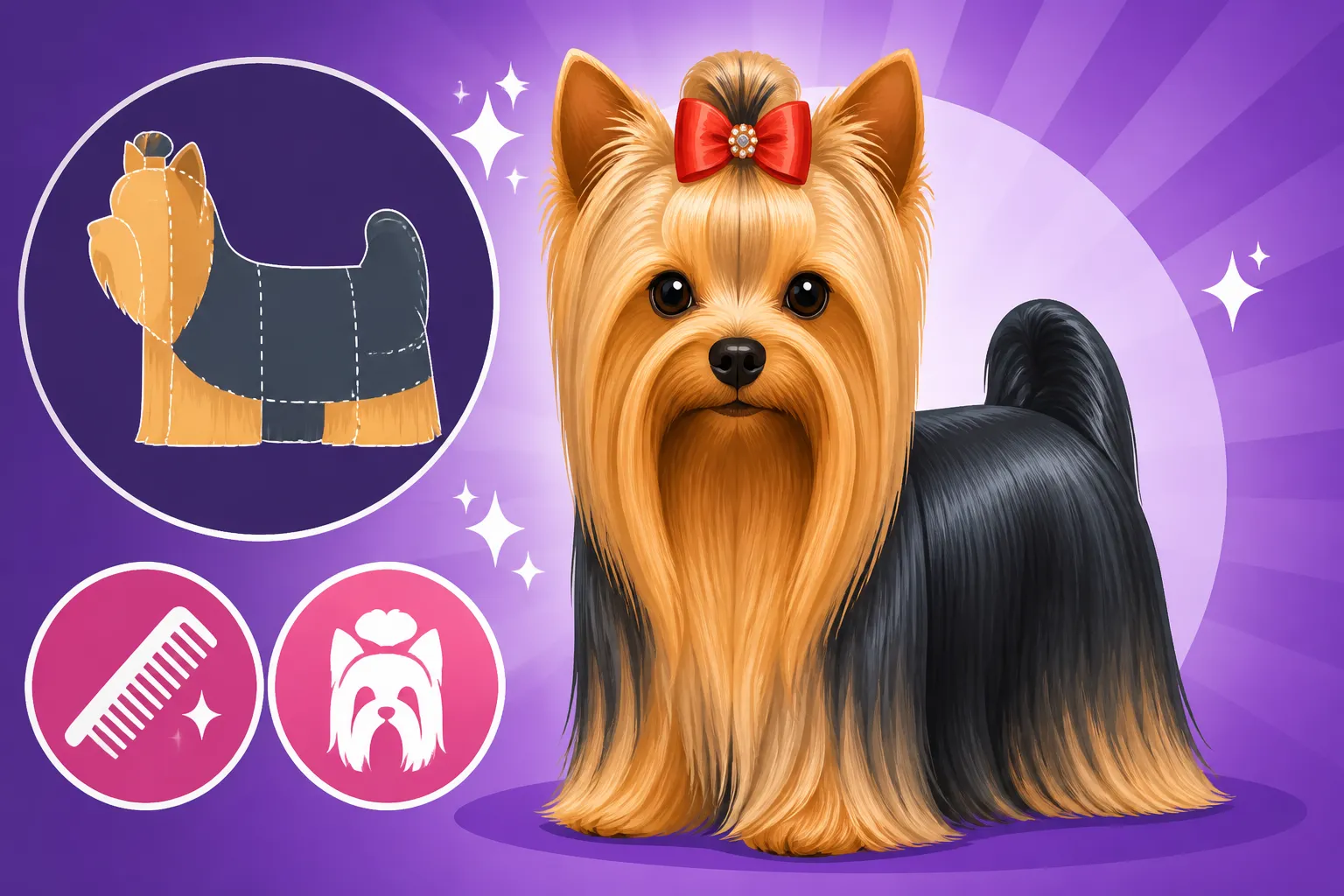
The hallmark of a show-quality Yorkshire Terrier coat is its texture and length. Imagine silk – that's the closest comparison. The coat should be fine, straight, and glossy, with a distinct part running down the back, extending from the base of the skull to the tip of the tail. It’s absolutely vital that the coat is not woolly, cottony, or wavy; these textures are considered faults in the show ring. The goal is for the hair on the body to be long enough to reach the ground, or at least come very close, forming a luxurious mantle around the dog.
Achieving this length takes years of dedicated care, patience, and a bit of genetic luck. Puppies start with a shorter, often softer coat, and it gradually grows longer and coarser (in a good way, meaning silkier and finer) as they mature. This isn't a quick transformation; it's a marathon, not a sprint, requiring consistent daily grooming to prevent tangles and breakage. For an in-depth look at how to maintain this growth, you might find our article on How to Keep a Yorkie's Coat Long and Silky incredibly helpful.
Acceptable Color Standards
Beyond texture and length, the color of a Yorkshire Terrier's coat is another critical component of the show standard. A true show Yorkie will display a specific color combination: a dark steel blue (not silver blue) extending from the back of the head to the root of the tail, paired with a rich, bright tan on the head, chest, and legs. The tan should be darker at the roots and lighter at the tips, but never extend into the blue area.
Puppies are born black and tan, and the blue and tan coloration develops as they mature, usually over the first year or two. This color change is a fascinating process to watch, but it also means that a young Yorkie might not yet display its full show-quality color. Understanding these nuances helps a prospective show owner evaluate a puppy's potential. Variations like golden, black, or chocolate Yorkies, while beautiful, do not meet the strict color criteria for the show ring.
Why the Topknot is Crucial
The topknot is arguably the most iconic feature of the Yorkie show cut, serving both aesthetic and practical purposes. A properly done topknot pulls the long hair on the dog's head up and away from its eyes, preventing irritation and allowing the dog to see clearly. In the show ring, it's a statement, a testament to the groomer's skill and the dog's pristine condition. The topknot should be tied neatly with a single bow, usually red, orange, or white, and should sit high on the head, directly above the eyes.
Creating a perfect, show-ready topknot requires practice and the right tools. The hair needs to be gathered evenly, without pulling too tightly or leaving stray hairs. It’s a delicate balance to make it look effortless and elegant. This isn't just about appearance; it’s about the dog's comfort and health. Neglecting the topknot can lead to eye issues or matted hair that pulls at the sensitive skin on their head. For more detailed instructions on this specific technique, you'll want to check out our guides on Yorkie Top Knot: What to Know and Yorkie Top Knot Tutorial.
The Tools and Products You'll Need for a Show Cut
Embarking on the journey of a Yorkie show cut means equipping yourself with a specialized arsenal of grooming tools and products. This isn't your average dog grooming kit; every item has a specific purpose in maintaining that pristine, flowing coat. Skimping on quality here can literally break your Yorkie's hair, undoing months of careful growth and care.
Essential Grooming Equipment
To achieve and maintain a show-quality coat, you'll need professional-grade tools. A good quality pin brush is paramount for daily brushing, designed to gently glide through long hair without snagging or pulling. Follow this with a fine-toothed metal comb to check for any missed tangles, especially around the ears, legs, and tail.
For trimming, blunt-nosed scissors are essential for safety, particularly when working around the face, paws, and sanitary areas. You'll also need a high-quality pair of thinning shears to soften lines and blend areas without creating harsh cuts. Additionally, a professional-grade slicker brush can be helpful for detangling small mats carefully. For nail care, a small pair of nail clippers or a Dremel tool will ensure quick, clean cuts. Remember, proper usage of these tools is key, so if you're unsure, consulting a professional groomer or watching detailed tutorials is highly recommended. You can learn more about general grooming in our extensive Yorkshire Terrier Grooming Guide.
Shampoos, Conditioners, and Styling Aids
The right bathing products are critical for a healthy, vibrant show coat. You'll need a mild, pH-balanced dog shampoo that cleans without stripping natural oils. This should be followed by a rich, moisturizing conditioner specifically formulated for long, silky coats. Some owners even use leave-in conditioners or coat oils to add extra hydration and shine, and to help protect the hair from breakage.
For styling, a professional-grade anti-static spray or detangling spray is a must, especially during brushing to prevent damage. Light holding sprays might be used to keep the topknot perfectly in place without making the hair stiff or sticky. When selecting products, always look for those that are sulfate-free and paraben-free to avoid irritating your Yorkie's sensitive skin. For specific recommendations, our article on Best Shampoo for Yorkshire Terriers can guide you.
Specific Brands and Where to Find Them
When it comes to sourcing these specialized grooming products, quality and reputation matter. Brands like Chris Christensen, Isle of Dogs, and Les Poochs are highly regarded in the show dog community for their superior grooming tools and coat care lines. Their products are often formulated with ingredients specifically beneficial for long, delicate coats, helping to achieve that desired silky texture and brilliant shine.
You can often find these premium brands at specialized pet supply stores, dog shows, or through online retailers. Websites like Chewy and Amazon offer a wide selection of professional grooming equipment, from specialized brushes to high-quality shampoos and conditioners. While they might come with a higher price tag, the investment in quality tools and products is crucial for preserving the integrity and beauty of your Yorkie's show coat.
Here’s a quick overview of essential grooming tools for a show cut:
| Tool Type | Purpose | Key Features | Recommended Brands (Examples) |
|---|---|---|---|
| Pin Brush | Daily detangling, gentle brushing | Long, polished pins; ergonomic handle | Chris Christensen, ActiVet |
| Metal Comb | Fine detangling, checking for knots | Combination fine/coarse teeth; stainless steel | Greyhound, Poodle Pet |
| Blunt-Nosed Scissors | Trimming delicate areas (face, paws) | Rounded tips for safety; sharp blades | Geib, Kenchii |
| Thinning Shears | Blending hair, softening lines, reducing bulk | Single or double-sided serrated blades | Kenchii, Gold Line |
| Slicker Brush | Removing loose undercoat, small mat removal | Fine wire pins; cushioned base (use gently on show coats) | Chris Christensen, Artero |
| Nail Clippers/Dremel | Nail trimming | Sharp blade or rotary sander; comfortable grip | Resco, Dremel |
| Hair Dryer | Thorough drying, fluffing coat | Variable heat/speed; quiet motor (stand dryer ideal) | K9-II, B-Air |
| Topknot Bands | Securing topknot | Small, latex-free elastic bands | Show Tech, Paw Brothers |
| Grooming Table | Provides a stable, elevated surface | Adjustable height; non-slip surface | Master Equipment, Flying Pig |
Step-by-Step Guide to Achieving the Yorkie Show Cut
Achieving a true Yorkie show cut is less about "cutting" and more about meticulous maintenance, strategic trimming, and precise styling. It's a ritual that aims to highlight the breed's elegant lines and luxurious coat, adhering strictly to show ring standards. This isn't a quick once-over; it's a process demanding patience, a steady hand, and an understanding of your dog's coat.
Pre-Grooming Preparation: Bathing and Drying
The foundation of a perfect show coat begins with a pristine clean. Before any trimming or styling, your Yorkie needs a thorough bath. Start by gently brushing out any large tangles or mats while the coat is dry. Then, use a high-quality dog shampoo formulated for long, silky coats, ensuring you dilute it properly to avoid residue. Work the shampoo through the entire coat, paying close attention to every strand, then rinse thoroughly until no suds remain. Follow with a rich conditioner, allowing it to sit for a few minutes before rinsing. This step is crucial for adding moisture and making the coat manageable.
After rinsing, gently blot your Yorkie dry with a soft towel – never rub vigorously, as this can cause tangles and breakage. Then, it's time for the blow-dry. Using a stand dryer (which frees up your hands) and a good quality pin brush, systematically dry the coat section by section, brushing as you go. The goal is to dry the hair completely straight, from root to tip, without any waves or frizz. This process can be lengthy but is vital for achieving the desired sleek, flowing look. Our guide on How to Bathe a Yorkie provides more specific techniques.
Meticulous Brushing and Detangling
Once your Yorkie is clean and dry, the serious work of brushing and detangling begins. This is not just a quick run-through; it's a meticulous process. Starting from the bottom, part the hair in small sections and brush upwards, always working from the ends towards the roots. Use your pin brush first, followed by a fine-toothed metal comb to ensure every tangle, no matter how small, is removed. Pay particular attention to areas prone to matting, such as behind the ears, under the elbows, and around the sanitary areas.
When you encounter a mat, do not pull! Instead, gently work it apart with your fingers, then use a detangling spray and carefully tease it out with the comb, one strand at a time. This step requires immense patience and gentleness to prevent pain to your Yorkie and to avoid breaking the delicate coat. Regular, thorough brushing is the best defense against mats, which can ruin a show coat. For detailed brushing techniques, refer to How to Brush a Yorkie's Coat.
Strategic Trimming and Shaping
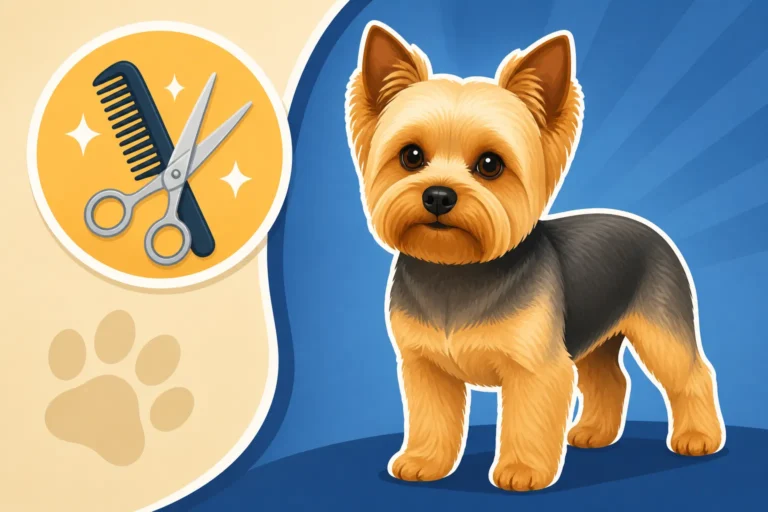
Unlike many other breeds, a Yorkie show cut involves very minimal actual "cutting" of the body coat. The goal is maximum length, so the body hair is typically left untouched. The trimming focuses on tidying up specific areas to create a neat, elegant outline and to ensure comfort for the dog. These areas include the feet, ears, and sanitary region.
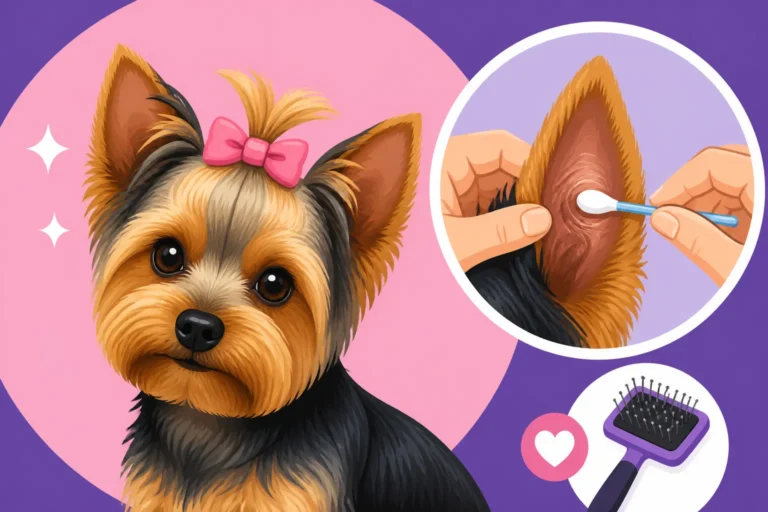
For the feet, carefully trim any hair that grows beyond the paw pads, creating a neat, round "cat foot" appearance. The hair on the ears is typically trimmed very short, often with small, blunt-nosed scissors or even electric clippers on a very fine setting, revealing the natural V-shape of the ear and giving a sharp, alert look. It's crucial not to cut the leather of the ear. The sanitary area also needs to be kept short and clean for hygiene. Remember, precision is key here; any unevenness will be noticeable.
Crafting the Perfect Topknot
The topknot is the crowning glory of the Yorkie show cut. To begin, separate the hair on the top of your Yorkie's head, creating a distinct part from the outer corner of one eye, over the crown, to the outer corner of the other eye. Gather this section of hair smoothly and neatly, ensuring no bumps or stray hairs. The goal is to create a clean, high ponytail right on top of the head.
Secure this section with a small, strong latex-free elastic band. For added security and to prevent breakage, many owners will use a second band slightly below the first, or a small piece of cloth wrapped around the hair before the elastic. Finally, a show-appropriate bow (traditionally red, orange, or white, but check current show regulations) is attached over the elastic, completing the look. The topknot should be tight enough to stay in place but not so tight that it causes discomfort or pulls the skin.
Maintaining the Show Coat Between Grooming Sessions
The show cut isn't a one-time event; it's a lifestyle. The sheer length and delicate nature of a Yorkshire Terrier's show coat mean that continuous, diligent maintenance between full grooming sessions is absolutely non-negotiable. Without it, the coat can quickly become a matted mess, rendering all your hard work (and your Yorkie's comfort) undone.
Daily Brushing and Conditioning Routines
To prevent matting and keep the coat in pristine condition, a daily brushing and conditioning routine is paramount. Every single day, sometimes twice a day depending on activity levels, your Yorkie's coat needs to be gently but thoroughly brushed. This involves using a high-quality pin brush, followed by a metal comb, working through the entire coat in sections as described previously. A good detangling or leave-in conditioning spray should be used during this process to help the brush glide through the hair and to minimize static and breakage.
This daily routine isn't just about aesthetics; it's about your Yorkie's health and comfort. Mats can pull at the skin, cause irritation, and even lead to skin infections if left untended. Regular brushing also helps distribute natural oils, keeping the coat healthy and shiny. Establishing a consistent schedule and making it a positive experience with treats and praise can make this daily ritual much more enjoyable for both you and your furry friend.
Protecting the Coat from Damage
A Yorkie's long, silky show coat is incredibly vulnerable to damage from everyday activities. To protect it, many show owners "wrap" their dog's coat. This involves dividing sections of the long body hair, applying a light coat oil or conditioner, and then carefully wrapping each section in tissue paper or specialized wrapping papers, securing them with latex bands. These wraps prevent the hair from dragging on the ground, getting tangled, or breaking when the dog moves, eats, or plays.
Beyond wrapping, protective clothing can also play a role. During walks or outdoor play, a lightweight doggy jumpsuit or coat can shield the hair from dirt, burrs, and environmental damage. Inside, it's wise to avoid rough surfaces or areas where the coat might snag. Even the simple act of eating needs consideration; using a snood (a fabric tube worn over the ears and hair) can keep the topknot and facial hair clean and out of the food bowl. Learning about Yorkshire Terrier Coat Care and Haircuts provides more insights into protective measures.
Professional Groomer versus DIY Maintenance
While daily maintenance is largely a DIY task for dedicated owners, the question often arises whether to handle the more intricate aspects of the show cut yourself or rely on a professional groomer. For those serious about competing, a professional handler or a groomer specializing in show breeds is invaluable. They have the expertise, the correct equipment, and the nuanced understanding of breed standards to ensure your Yorkie always looks its best for the ring. They can also offer invaluable advice on techniques and products.
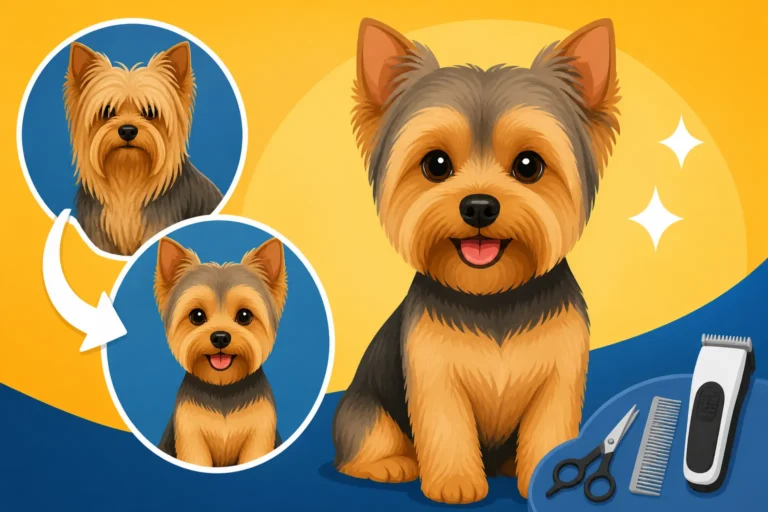
However, for owners who want the show look without the intention of competing, or who are learning the ropes, a combination approach works well. You can perform daily brushing and basic upkeep, taking your Yorkie to a professional groomer every few weeks for a "maintenance groom" – a bath, blow-dry, precise trim of the feet, ears, and sanitary area, and a perfectly crafted topknot. Even if you aspire to do it all yourself, starting with professional guidance and gradually taking on more tasks can lead to better results and less stress for both you and your Yorkie.
Challenges and Common Pitfalls of the Yorkie Show Cut
Embracing the Yorkie show cut is a commitment, and it comes with its own set of unique challenges that new and experienced owners alike must navigate. It's not always glamorous; sometimes it's a battle against mats, tear stains, and the sheer time investment. Being aware of these potential pitfalls can help you prepare and proactively address them.
Preventing Matting and Breakage
Matting and breakage are arguably the biggest adversaries of a long Yorkie show coat. The fine, silky texture, while beautiful, is incredibly prone to tangling and matting, especially when wet or if left unattended for even a short period. Mats can form quickly and, if not addressed promptly and gently, can lead to painful skin issues or necessitate shaving, which means starting the entire coat growth process from scratch.
Prevention is key. This means strict adherence to a daily brushing and conditioning routine, using protective wraps, and keeping the coat clean. Static electricity can also contribute to breakage, so using anti-static sprays, especially in dry environments, is important. Also, be mindful of your Yorkie's activities; rough play, rolling in abrasive surfaces, or even rubbing against furniture can cause irreparable damage to delicate strands.
Dealing with Tear Stains and Face Hair
The long hair around a Yorkie's face, combined with their propensity for tear production, often leads to noticeable and unsightly tear stains. These reddish-brown marks are caused by porphyrins, a pigment found in tears, and can be particularly prominent on the light tan areas of a show dog's face, detracting from their overall pristine appearance.
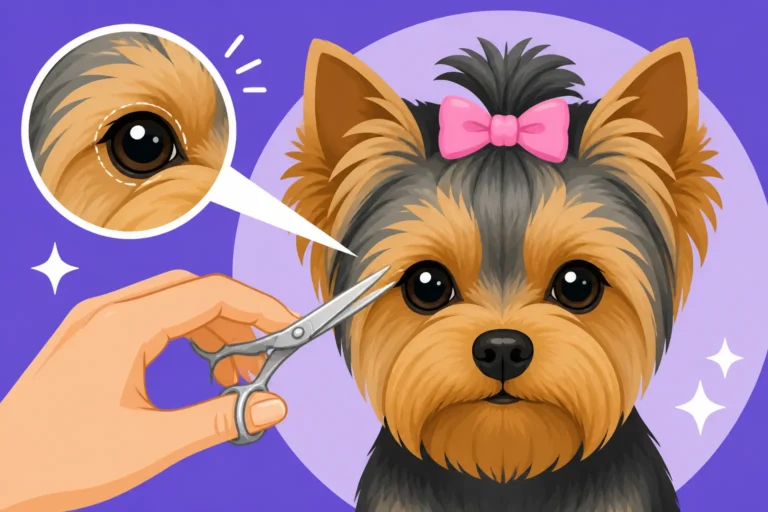
Addressing tear stains requires a multi-faceted approach. Regularly cleaning the eye area with a damp cloth or a veterinarian-approved eye cleaner is essential. Some owners use specific tear stain removers or supplements, though effectiveness can vary. Ensuring good dental health can also indirectly help, as poor oral hygiene can sometimes contribute to excessive tearing. Additionally, maintaining a clean topknot and carefully trimming any stray hairs that irritate the eyes will help minimize tear production. For more help, consult our article on How to Clean Yorkie Tear Stains.
The Time and Financial Commitment
Let’s be honest, maintaining a Yorkie show cut is a significant investment of both time and money. This isn't a low-maintenance grooming style. Daily brushing, bathing every week or two, wrapping the coat, and meticulous care of the topknot all add up to several hours of dedicated work each week. If you opt for professional grooming, those costs can accumulate quickly, with specialized show groomers often charging premium rates.
Beyond grooming, the cost of high-quality shampoos, conditioners, detangling sprays, oils, brushes, combs, and wrapping supplies can also be substantial. And if you're seriously considering showing your Yorkie, factor in entry fees, travel expenses, and potentially hiring a professional handler. It's crucial to realistically assess if you have the time, patience, and financial resources to commit to this level of care before aiming for the show ring, or even just striving for that picture-perfect show look at home.
Disclaimer
Please remember that the information provided in this guide is for informational purposes only and should not be considered a substitute for professional veterinary advice. Always consult with a qualified veterinarian or professional groomer for any health concerns or specific grooming needs related to your Yorkshire Terrier.