Do Yorkies Have a Prey Drive
Yorkshire Terrier predatory behavior stems from 19th-century ratting history and requires management through leashes, training, and safe toy outlets.
Is this the right one for you?
Origins and temperament, size and coat, what living with one is actually like, and how it compares to the breeds people weigh against it.

Yorkshire Terrier predatory behavior stems from 19th-century ratting history and requires management through leashes, training, and safe toy outlets.

Yorkshire Terrier feistiness stems from ratting ancestry and small dog syndrome, but proper training and socialization help channel this spirit.

Yorkshire Terrier care needs include daily grooming, health monitoring, and behavioral training to help potential owners determine breed suitability.

Yorkshire Terrier attachment patterns explain primary caregiver preferences and how shared care routines build family connections.
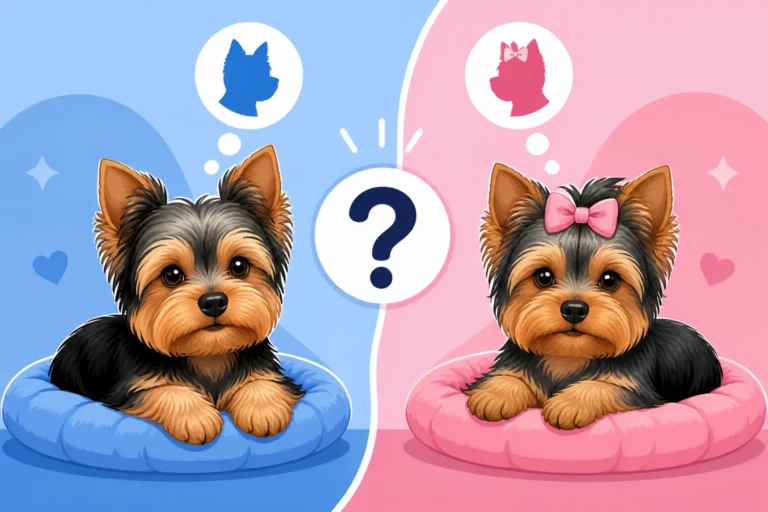
Yorkshire Terrier temperament differences compare male and female traits like affection, independence, marking behaviors, and overall training needs.

Senior Yorkshire Terrier adoption offers house-trained adult companionship, predictable personalities, and deep emotional rewards for families.

Choosing a Yorkshire Terrier puppy versus an adult dog involves comparing training, health considerations, and lifestyle commitments for your home.
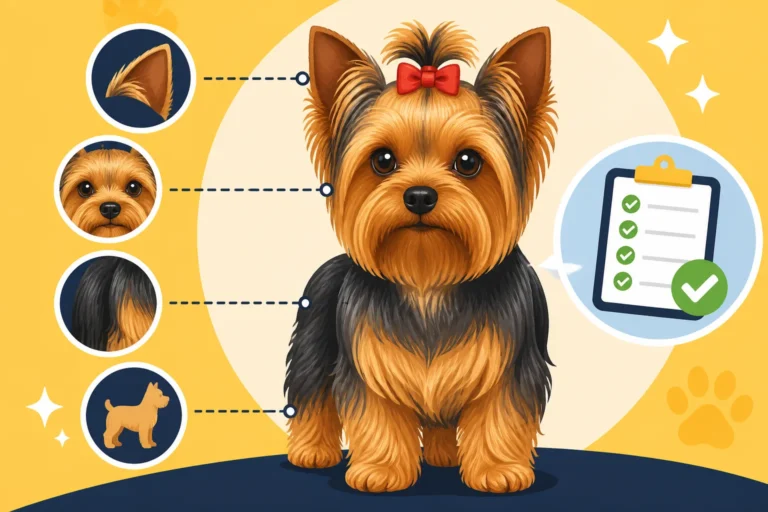
Official breed standards, physical traits, temperament markers, and DNA testing help determine if a Yorkshire Terrier is truly a purebred dog.
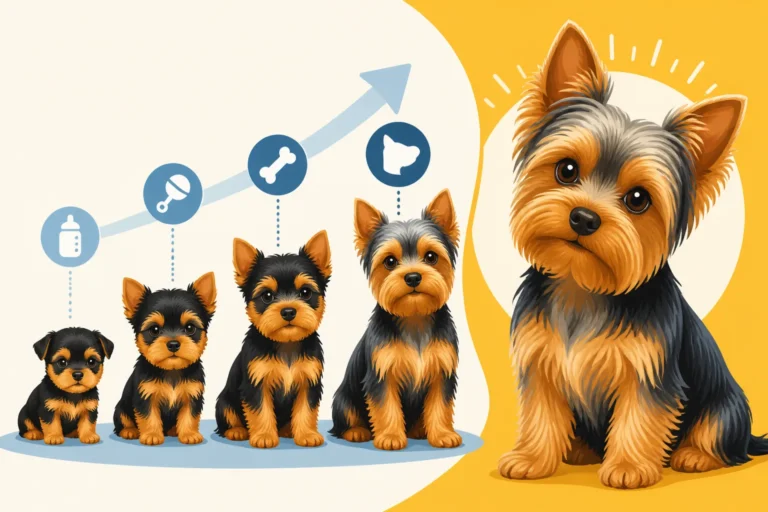
Yorkshire Terrier growth timelines, adult sizes, and genetic factors determine how big puppies get between eight weeks and eighteen months old.

Yorkshire Terrier weight standards, growth stages, and influencing factors explain the healthy size range for adult dogs up to seven pounds.