How to Socialize a Yorkie with People
It's a familiar scenario for many Yorkie parents: you're out for a walk, and a friendly stranger wants to say hello, but your tiny companion either barks relentlessly, shies away, or acts as though they're about to be devoured. This common struggle of a Yorkie being overly cautious, or even aggressive, towards new people can make everyday life surprisingly stressful. This comprehensive guide is here to unravel the complexities of socializing your Yorkshire Terrier with people, offering practical, empathetic strategies to build their confidence and help them embrace new human interactions safely and positively.
Understanding the Yorkie Temperament for Socialization
Yorkshire Terriers, despite their small stature, possess a mighty personality. They were originally bred to be ratters in English mills, a job that required courage, tenacity, and a healthy dose of suspicion towards anything unfamiliar. This heritage contributes significantly to their sometimes-aloof or even defensive reactions to strangers. Understanding this inherent wiring is the first step toward effective socialization.
Why Yorkies Can Be Naturally Wary
Think about it: a world full of towering humans can be pretty intimidating for a dog that often weighs less than seven pounds. Their small size makes them feel vulnerable, and this feeling often manifests as barking, growling, or attempts to hide. They're not being "mean" or "bad"; they're simply trying to protect themselves in a world that can seem overwhelming. This can be especially true if they haven't had much exposure to a diverse range of people during their crucial developmental stages.
Their keen senses also pick up on subtle cues that we might miss. A new person's scent, the sound of their voice, or even their posture can trigger a defensive response. It's a survival instinct kicking in, and for a small dog like a Yorkie, that instinct can be amplified. Recognizing that their wariness comes from a place of perceived threat, rather than naughtiness, allows us to approach their socialization with more patience and understanding.
Common Socialization Challenges
Beyond natural wariness, Yorkies can exhibit several common challenges when it comes to meeting new people. One frequent issue is excessive barking at guests or passersby, which can be shrill and persistent. This often stems from anxiety or a territorial instinct, rather than genuine aggression, but it can certainly be off-putting for visitors. Another challenge is nipping or lunging, particularly if they feel cornered or threatened, especially by fast-moving children. This behavior is a clear sign that your Yorkie feels overwhelmed and is trying to create distance.
Some Yorkies might display extreme shyness, trembling, or trying to hide behind your legs when new people approach. This fear-based response indicates a lack of confidence and previous positive experiences. Conversely, some might be overly boisterous, jumping up or demanding attention, which can also be overwhelming for people and potentially lead to accidental nips due to over-excitement. Each of these behaviors, though different, points to a need for structured, positive socialization experiences to help your Yorkie develop appropriate social manners. For more insights into these issues, explore our guide on Yorkshire Terrier Behavior Problems and Solutions.
Early and Consistent Socialization: The Key
The foundation of a well-socialized Yorkie is laid early in life, but it's crucial to understand that socialization isn't a one-and-done event. It's an ongoing process that adapts to your dog's age, experiences, and specific needs.
Puppy Socialization: The Critical Window
The period between 3 and 16 weeks of age is often called the "critical socialization window" for puppies. During this time, their brains are like sponges, eagerly absorbing new experiences and forming lasting impressions about the world. Exposing your Yorkie puppy to a wide variety of sights, sounds, smells, and, most importantly, different types of people during this phase is paramount. Think about exposing them to people of different ages (gentle children, seniors), genders, and appearances (wearing hats, glasses, uniforms).
These early positive interactions build resilience and curiosity, teaching your puppy that new people are generally safe and can even be a source of good things, like treats and gentle pets. Enrolling in a puppy class, like those offered through BAXTER & Bella or local humane societies, can be incredibly beneficial, as it provides a controlled environment for these vital experiences. Remember, the goal isn't just exposure but positive exposure. If an interaction seems stressful for your puppy, it's better to end it quickly and try again later in a less intense setting. Our guide on How to Socialize a Yorkie Puppy offers even more detailed advice.
Desensitization and Counter-Conditioning for Adult Yorkies
If you have an adult Yorkie who missed out on early socialization or has developed fear-based reactions to people, all hope is not lost. The process of desensitization and counter-conditioning can be incredibly effective, though it requires patience and consistency. Desensitization means gradually exposing your Yorkie to the trigger (new people) at a level where they don't react negatively, slowly increasing the intensity over time. Counter-conditioning involves changing your dog's emotional response to the trigger from negative (fear, anxiety) to positive.
For example, if your Yorkie barks at strangers walking by your window, start by having a stranger stand far away, out of barking range. As soon as your Yorkie notices them calmly, give a high-value treat. Repeat this many times, slowly decreasing the distance over days or weeks, always ensuring your Yorkie stays below their "threshold" of reacting negatively. The key is to associate the presence of a new person with something wonderful, like a delicious treat or a favorite toy. This systematic approach, where you control the environment, is vital for success.
Step-by-Step Guide to Socializing Your Yorkie with People
Effective socialization isn't about throwing your Yorkie into a crowd and hoping for the best. It's a structured, thoughtful process that respects their small size and sensitive nature. Here's a step-by-step approach to help your Yorkie build positive associations with people.
Controlled Introductions to New People
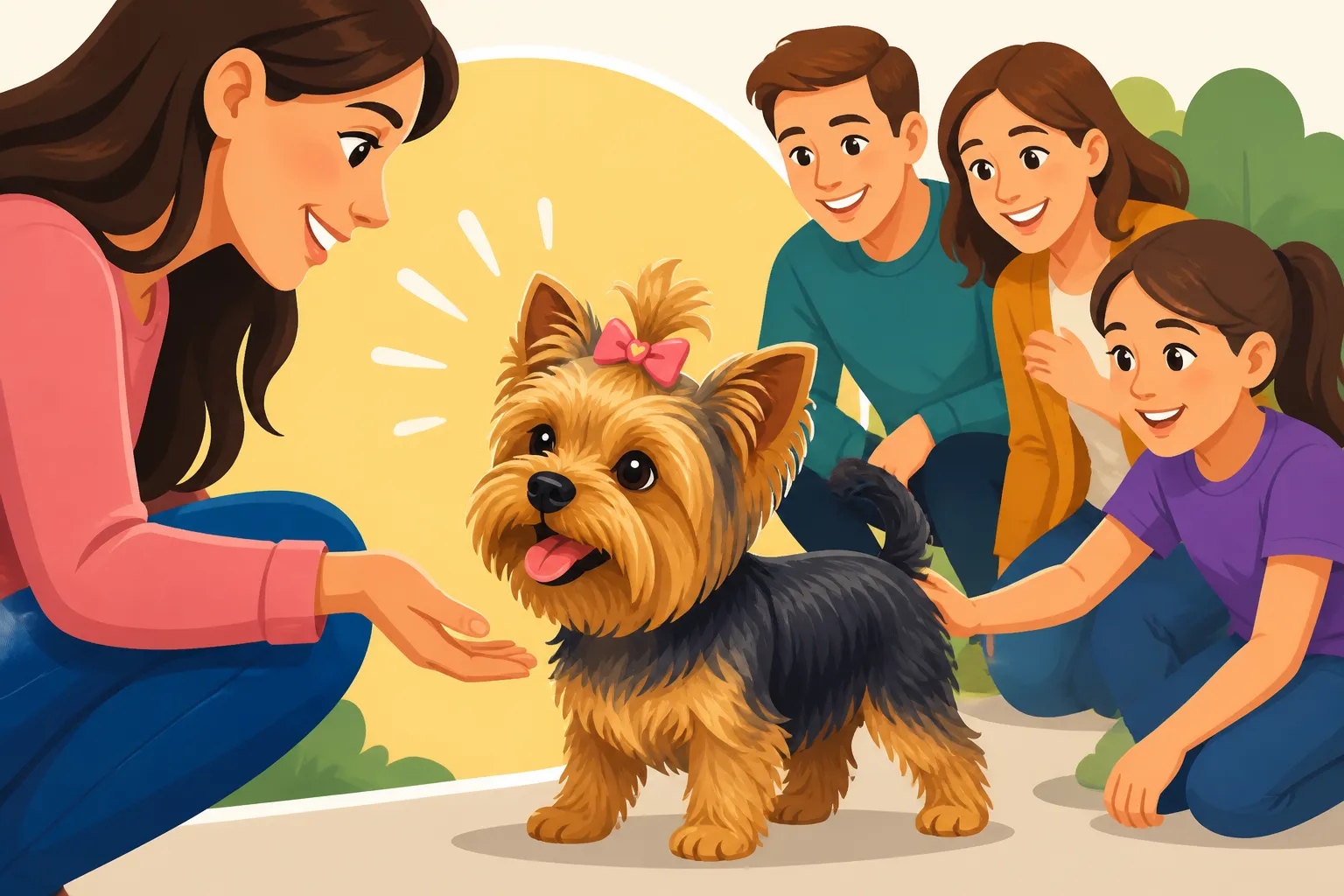
When introducing your Yorkie to new people, control is everything. Avoid overwhelming them with sudden approaches or loud greetings. Start with calm, quiet settings, perhaps one new person at a time in your home, or a neutral outdoor space where your Yorkie feels secure. Instruct the person to avoid direct eye contact, towering over your Yorkie, or reaching directly for them. Instead, they should crouch down to your Yorkie's level, turn slightly sideways (to appear less confrontational), and extend a hand with the palm up, allowing your Yorkie to approach and sniff on their own terms.
The goal is for your Yorkie to initiate the interaction, if they choose. If they don't, that's perfectly fine; simply move on. Never force an interaction. You can also have the new person gently toss a high-value treat towards your Yorkie (not directly at them) to create a positive association without direct contact. This low-pressure environment helps your Yorkie feel safe and in control, making them more likely to develop positive feelings towards new individuals.
Positive Reinforcement and Treats
This is the cornerstone of successful socialization. Every positive interaction your Yorkie has with a new person should be immediately rewarded. Use high-value treats that your Yorkie absolutely loves, whether it's tiny pieces of cooked chicken, cheese, or their favorite store-bought training treats. The moment your Yorkie looks calmly at a new person, sniffs them, or allows a gentle pet, a treat should appear. This creates a powerful connection: "New person = yummy food!"
Verbal praise in a cheerful, calm voice ("Good boy/girl!") also reinforces the positive experience. The timing is crucial; the reward needs to happen within seconds of the desired behavior for your Yorkie to understand what they're being rewarded for. Carry a pouch of treats with you on walks or when expecting visitors. Consistency in using positive reinforcement will dramatically accelerate your Yorkie's comfort level around new people. For ideas on great rewards, check out our list of Best Treats for Training a Yorkie.
Managing Over-Stimulation and Fear
Yorkies can easily become over-stimulated or fearful in new situations. Recognizing the signs is key to preventing negative experiences. Look for behaviors like lip-licking, yawning (when not tired), turning their head away, stiff body posture, tail tucked, trembling, or excessive barking. If you see these signs, it means your Yorkie is uncomfortable, and it's time to create distance or end the interaction. Pushing them past their comfort zone can set back your training significantly.
Create a safe space for your Yorkie when guests are over, such as a cozy crate or a separate room where they can retreat if they feel overwhelmed. During walks, if a new person approaches too quickly, you can gently step in front of your Yorkie, becoming a barrier, or calmly guide them away. The goal is to be your Yorkie's advocate, protecting them from situations that might trigger fear or stress. A relaxed Yorkie is a receptive Yorkie.
Group Settings and Public Outings
Once your Yorkie is comfortable with one-on-one introductions, you can gradually introduce them to slightly more complex environments. Begin with small, calm gatherings at your home, where guests understand the rules of gentle interaction with your dog. You can also start taking your Yorkie to quiet public places, like a pet-friendly park during off-peak hours or a relaxed outdoor cafe. Keep initial outings short and focus on observing your Yorkie's comfort level.
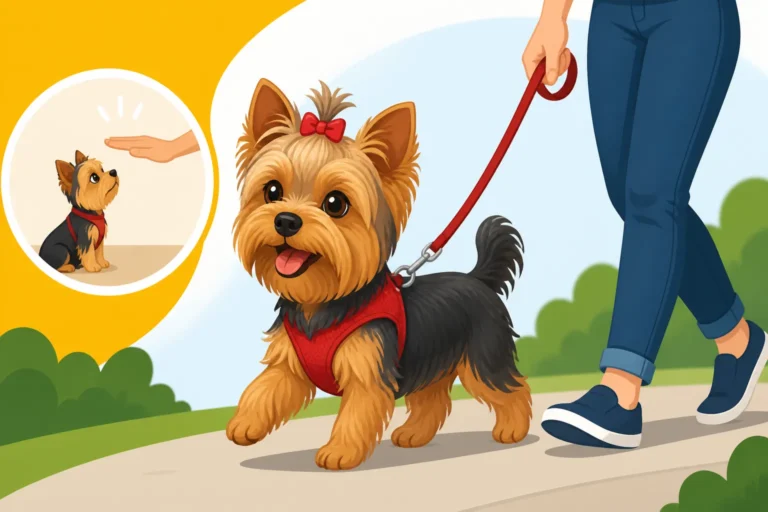
Always keep your Yorkie on a secure leash and harness (a good quality harness like those found on Amazon can prevent strain on their delicate trachea). The focus should be on observation and rewarding calm behavior, not necessarily on interacting with every single person. Let them watch people from a comfortable distance, and offer treats whenever they are relaxed. This gradual exposure helps them generalize their positive experiences to a wider range of people and environments, building confidence for future adventures.
Addressing Specific Socialization Hurdles
No two Yorkies are exactly alike, and sometimes specific challenges crop up during socialization. Here’s how to tackle some common hurdles.
Fearful or Anxious Yorkies
For Yorkies who are particularly fearful or anxious around people, the process needs to be even slower and more gentle. These dogs may have had negative past experiences or simply have a more sensitive temperament. Start by working with a professional dog trainer or a behaviorist who specializes in positive reinforcement. They can help you identify specific triggers and develop a tailored plan.
Focus heavily on creating positive associations through food. Have new people drop treats from a distance, gradually decreasing the distance only when your Yorkie remains calm and relaxed. You might consider using a long line in a safe, enclosed area to allow your Yorkie to approach and retreat from a person at their own pace, always with treats available near the person. Building confidence in a timid Yorkie is a journey, not a sprint, and celebrating small victories is crucial. Avoid any punishment, as this will only intensify their fear.
Overly Enthusiastic or Nipping Yorkies
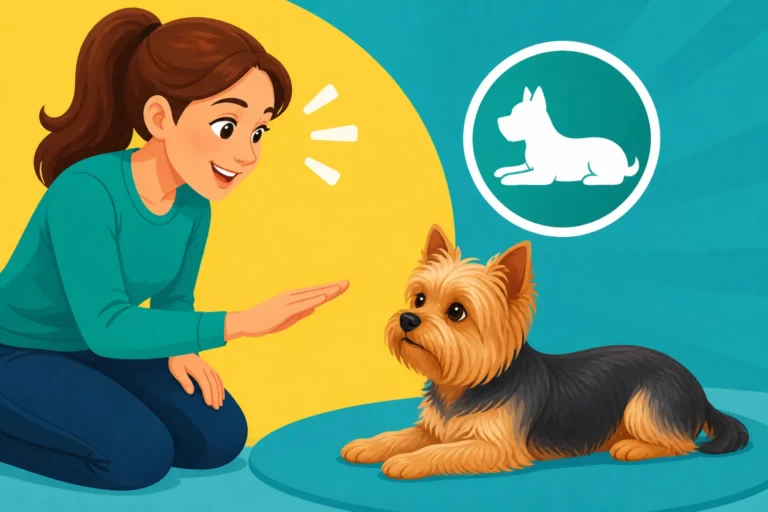
Some Yorkies, especially puppies, can be overly enthusiastic, jumping up, or nipping at people in excitement. While not fear-based, this still needs to be managed for appropriate interactions. For jumping, teach an alternative behavior like "sit" and reward heavily when they offer it instead of jumping. When a person approaches, ask your Yorkie to sit, and have the person only interact if all four paws are on the floor. If the Yorkie jumps, the person should turn their back and ignore them until they are calm. This teaches them that calm behavior gets attention.
For nipping, especially during the Yorkie Puppy Biting Phase Explained, redirection is key. When your Yorkie tries to nip a person, immediately redirect their mouth to a appropriate chew toy. If the nipping persists, a brief "time-out" (even just for 10-20 seconds in a nearby crate or playpen) can teach them that nipping makes the fun stop. Consistency from everyone interacting with your Yorkie is vital for success.
Socialization with Children and Guests
Socializing your Yorkie with children requires extra care due to both the Yorkie's delicate size and a child's unpredictable movements. Always supervise interactions closely. Teach children how to approach and interact gently: no chasing, no loud screaming, no pulling tails or ears. Show them how to offer a treat gently or how to pet softly on the chest or shoulder, rather than reaching over the head. Explain that if the Yorkie walks away, they should respect that. Our guide on How to Introduce a Yorkie to a New Baby provides specific advice for very young children.
For general guests, clearly communicate your Yorkie's boundaries and needs. Let them know whether your Yorkie prefers to approach on their own, whether they like treats, and where they can retreat if they need a break. Consider using a baby gate to create a visual barrier in your living space, allowing your Yorkie to observe guests calmly from a distance without feeling overwhelmed. This helps manage the environment effectively and sets both your Yorkie and your guests up for success.
Here's a quick overview of key socialization strategies:
| Strategy | Description | Key Benefits | Best For |
|---|---|---|---|
| Controlled Introductions | One-on-one, calm introductions in a safe space, allowing dog to initiate. | Builds trust, reduces fear, prevents overwhelm. | Shy/fearful Yorkies, first introductions. |
| Positive Reinforcement | Reward calm behavior or gentle interactions with high-value treats/praise. | Creates positive associations (people = good things!). | All Yorkies, all socialization stages. |
| Desensitization | Gradual exposure to people at non-reactive distances, slowly closing gap. | Helps overcome past negative experiences, reduces anxiety over time. | Anxious or reactive adult Yorkies. |
| Counter-Conditioning | Pairing the sight of a person with something positive (treats). | Changes emotional response from negative to positive. | Anxious or reactive adult Yorkies. |
| Management | Using leashes, crates, gates to control environment and prevent bad habits. | Ensures safety, provides breaks, prevents rehearsing unwanted behaviors. | All Yorkies, especially puppies or those with behavioral challenges. |
| Training Classes | Structured environment for meeting new people and dogs under supervision. | Professional guidance, diverse exposure, builds confidence. | Puppies, new owners, Yorkies needing structured social exposure. |
| Advocacy | Protecting your Yorkie from unwanted interactions or over-stimulation. | Prevents negative experiences, builds trust between you and your Yorkie. | All Yorkies, particularly fearful or small ones. |
Remember, consistency is paramount. Socialization isn't a one-time event but an ongoing process throughout your Yorkie's life. Keep interactions positive, brief, and always end on a good note. With patience, understanding, and the right techniques, your Yorkshire Terrier can learn to navigate the human world with confidence and joy.
Disclaimer
This article is for general informational purposes only and does not constitute professional advice. Laws, prices and regulations vary by location and change over time. Consult a qualified professional for guidance on your specific situation.