How to Teach a Yorkie to Wait
There's nothing quite as frustrating as trying to manage an excited Yorkshire Terrier who dashes out the door, lunges for their food bowl, or can't seem to stay still for a moment. This constant battle against impulse can be exhausting and, more importantly, unsafe. This comprehensive guide is here to walk you through the process of teaching your Yorkie the invaluable "wait" command, transforming chaotic moments into calm, controlled interactions.
Why "Wait" is a Crucial Command for Your Yorkshire Terrier
When you picture your adorable Yorkie, you might envision a tiny lapdog content to snuggle. While they certainly excel at cuddles, Yorkshire Terriers are also intelligent, spirited, and often possess an abundance of energy and a dash of stubbornness. This combination means that without proper guidance, their natural eagerness can quickly lead to tricky situations. The "wait" command isn't just a parlor trick; it's a fundamental safety measure and a cornerstone of good manners that can literally save your Yorkie's life.
The Importance of Impulse Control for Small Dogs
For a breed as small as a Yorkshire Terrier, impulse control is paramount. Imagine your Yorkie darting out the front door the moment it opens, directly into a busy street. Or perhaps they snatch a dropped pill off the floor before you can react. These aren't just minor inconveniences; they are genuine dangers for a tiny dog. Teaching "wait" provides a crucial moment of pause, allowing you, the owner, to assess a situation, intervene, or give the green light for safe action. It teaches your Yorkie that not every exciting opportunity needs to be pounced on immediately. It helps them understand that good things come to those who wait, fostering a sense of calm and respect for boundaries. This command can significantly reduce stress for both of you by building a more predictable and controlled environment.
Impulse control also plays a huge role in preventing other common issues, like excessive barking or jumping. A Yorkie that understands how to wait is often a more thoughtful and less reactive dog overall. It's a foundational skill that supports more advanced training and a well-behaved companion. If you're struggling with various antics, you might find more comprehensive solutions in a guide on Yorkshire Terrier Behavior Problems and Solutions.
Real-World Scenarios Where "Wait" Shines
Let's get real about where the "wait" command truly shines in day-to-day life with your Yorkie. It’s not just for competition obedience; it’s for navigating the real world safely and politely.
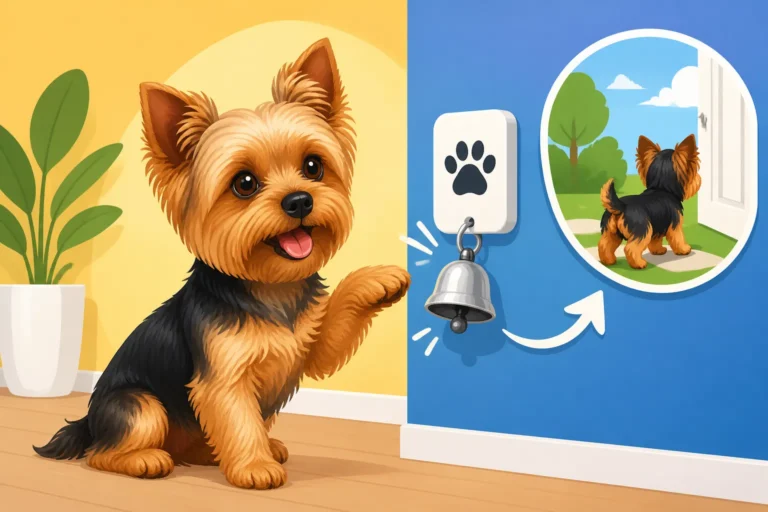
- Doorway Manners: This is perhaps the most classic application. Instead of your Yorkie bursting through the door the second it's ajar, they'll sit patiently, waiting for your release command. This is critical for preventing escapes into traffic, avoiding accidental injuries from being underfoot, or simply teaching them not to barge ahead of guests. A simple "wait" before opening the door fully means you control the exit and entrance, which is especially helpful if you're working on How to Stop Yorkie Leash Pulling once they are outside.
- Mealtime Patience: Many Yorkies become overly excited at meal times, barking, jumping, or trying to snatch food. "Wait" teaches them to calmly sit by their bowl until you give the all-clear. This prevents gulping, which can lead to digestive upset, and reinforces that you are the provider of resources, building respect and calm anticipation.
- Safety Around Hazards: Imagine you've dropped something potentially harmful on the floor – a pill, a piece of chocolate, or a small sharp object. A quick "wait!" can halt your Yorkie in their tracks, giving you precious seconds to safely remove the item before they ingest it. This is a game-changer for their safety.
- Greeting Guests: Instead of a frenzied jumping and barking greeting, a Yorkie who knows "wait" can be instructed to stay calmly by your side, or even on their bed, until the initial excitement subsides or you allow them to greet your visitors politely.
- Getting In and Out of the Car: If your Yorkie is prone to bolting from the car the moment the door opens, "wait" is essential. It ensures they stay safely in place until their leash is on and you're ready to guide them out, preventing potential accidents in parking lots or busy areas.
- Playing with Toys: You can use "wait" before tossing a favorite toy, teaching them to hold back their excitement for a brief moment, which can also make playtime more structured and enjoyable.
These scenarios highlight how "wait" isn't just about control; it's about building a better, safer, and more harmonious relationship with your spirited Yorkshire Terrier.
Getting Started: Essential Tools and Mindset
Before you dive into the nitty-gritty of the "wait" command, it's worth taking a moment to gather your resources and get yourself into the right frame of mind. Training any dog, especially a clever and sometimes independent Yorkie, requires more than just showing up; it requires preparation, patience, and a positive attitude. You're building a bond of trust and understanding, not just teaching a trick.
Choosing the Right Training Treats and Environment
The right treats can make all the difference in successful training. For a small dog like a Yorkie, treats need to be tiny, highly palatable, and easy to chew quickly. Think pea-sized or smaller, so they don't fill up too fast or get distracted by chewing. High-value treats are key—something they absolutely adore and don't get often. This could be small pieces of cooked chicken, cheese, or specific training treats from brands like Zuke's Mini Naturals or Wellness Soft Puppy Bites, which you can often find readily on platforms like Amazon. Varying the treats can also keep them interested.
When it comes to the training environment, start simple and distraction-free. Your living room or a quiet corner of your kitchen is ideal. You want a space where your Yorkie can focus solely on you and the task at hand, without the temptation of other pets, loud noises, or interesting smells. As your Yorkie progresses, you'll gradually introduce more distractions, but for the initial stages, peace and quiet are your best friends. Having a leash handy, even if not attached, can also help if your Yorkie tries to wander off during a "wait" session, gently guiding them back to position. Consider revisiting Best Treats for Training a Yorkie for more specific recommendations that might aid your training efforts.
Building a Foundation of Patience and Consistency
Teaching "wait" is a marathon, not a sprint. Yorkshire Terriers are smart, but like all dogs, they learn through repetition and consistent expectations. Patience is non-negotiable. There will be days when your Yorkie seems to forget everything you've taught them, or they'll be overly excited and test your limits. On these days, take a deep breath, keep the sessions short, and end on a positive note, even if it's just practicing a command they already know, like "sit."
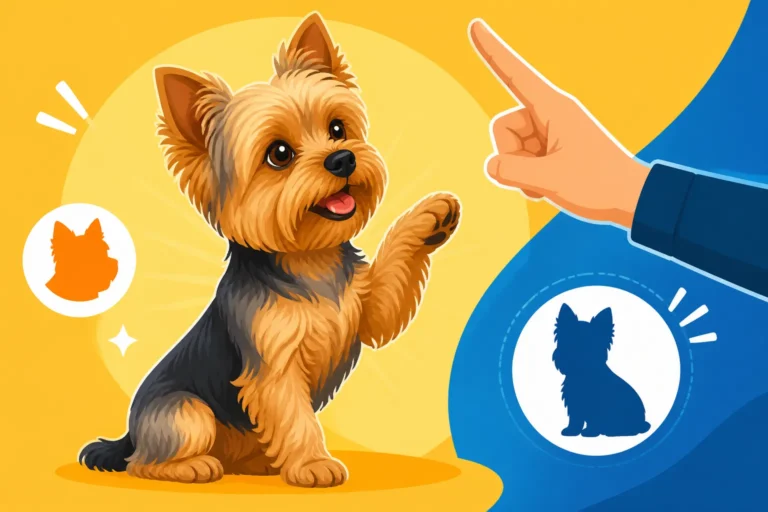
Consistency means everyone in the household uses the same command ("wait," not "stay" or "halt"), the same hand signal (if you choose one), and the same rules. If one person lets the Yorkie bolt out the door and another insists they wait, your Yorkie will become confused and training will suffer. Establish clear rules and ensure all family members are on board. Training should be a regular, positive experience. Short, frequent sessions (5-10 minutes, 2-3 times a day) are far more effective than one long, infrequent session. This consistent practice helps solidify the command in your Yorkie's mind and builds a strong foundation for future learning. Remember, positive reinforcement, praising and rewarding desired behavior, is always the most effective approach for Yorkies. Many trainers, like BAXTER & Bella, emphasize consistency and positive reinforcement in their programs for lasting results.
Step-by-Step Guide to Teaching the "Wait" Command
Now that you're armed with treats and a patient mindset, let's break down the "wait" command into manageable steps. Remember, each Yorkie is an individual, so adjust the pace to suit your dog's learning style and attention span. The goal is success and positive association, not speed.
Phase 1: The Doorway or Gate Drill
This is often the easiest place to start, as the barrier (door or gate) physically helps manage your Yorkie's impulse to dash.
- Set the Scene: Choose an interior doorway or a baby gate, perhaps one you use to block off areas in your home. Have your Yorkie on a leash, even if it's just dragging on the floor, for a little added control if needed. Stand with your Yorkie on one side of the doorway.
- Introduce the Command: Hold the leash (if using it) firmly but gently. Slowly reach for the doorknob or gate latch. The moment your Yorkie shifts forward, pulls, or tries to push past, immediately pull your hand back from the door, take a step back yourself, and have your Yorkie reset to a sit or stand. This teaches them that pushing forward makes the door not open.
- The "Wait" Cue: Once your Yorkie is calm and not lunging, reach for the doorknob again. As you begin to open the door (just a crack!), say "Wait" in a calm, firm voice.
- Reward for Calmness: If your Yorkie stays put for even a second, immediately say "Yes!" or "Good wait!" and offer a high-value treat. Close the door slowly. Repeat this several times, only ever opening the door a tiny bit if they "wait."
- Increase Duration: Gradually increase the time the door is open by a tiny fraction of a second. Open it a crack, say "Wait," count to one, then "Yes!" and treat. Then two seconds, then three. Always close the door if they break the "wait."
- The Release Command: Once your Yorkie can "wait" calmly for a few seconds with the door slightly ajar, introduce a release word like "Okay!" or "Free!" After you say "Wait" and they hold it, say your release word, and then allow them to walk through the doorway, then reward them. This teaches them that the "wait" isn't forever, and there's a signal for when they can move.
- Progress to Fully Open Doors: Slowly increase the door's opening. First, a crack, then halfway, then fully open. Always use "Wait" as you open it and release them with "Okay!" when they are allowed to pass. If they try to bolt, quickly close the door and start over. This requires consistency. For persistent door dashers, you might find additional strategies in Yorkie Training Mistakes to Avoid.
Phase 2: Waiting for Food or Toys
This phase helps generalize the "wait" command beyond doorways and applies it to highly motivating resources.
- Mealtime Prep: Prepare your Yorkie's food bowl as usual. Have them sit or stand calmly a short distance from the bowl. Hold the bowl in your hand.
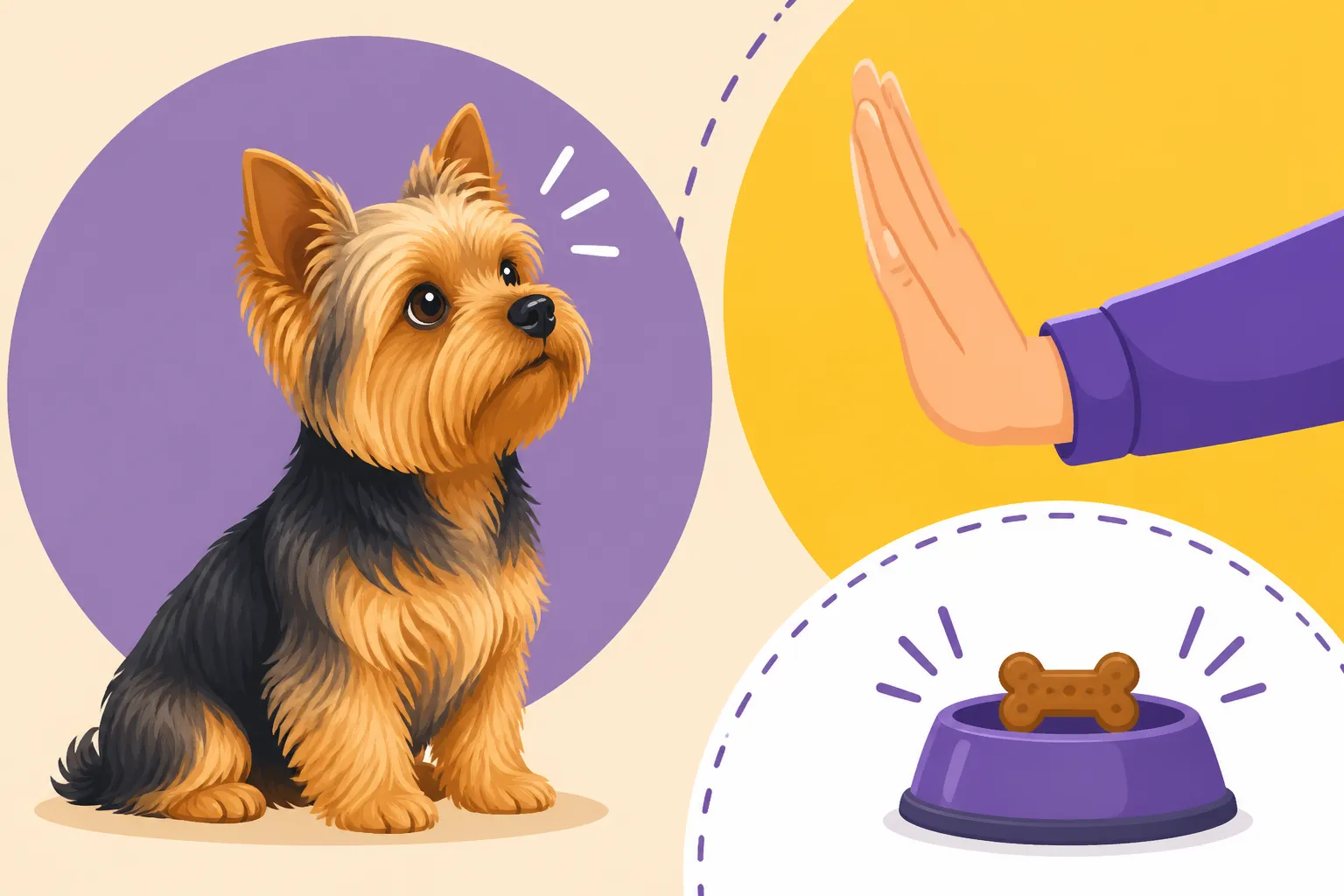
- Apply "Wait": Place the bowl on the floor, but keep your hand covering it or near it. Say "Wait." If your Yorkie tries to dive in, immediately lift the bowl back up. They only get the food if they are waiting.
- Short Bursts of Success: When you place the bowl down and they pause for even a second before trying to eat, immediately say "Yes!" or "Good wait!" and then give your release command ("Okay!") and let them eat.
- Extend the Duration: Gradually increase the "wait" time. First, one second, then two, then three, before giving the release command. If they break the wait, immediately cover the bowl or pick it up, wait for them to calm, then try again.
- Introduce Distance: Once they consistently wait for a few seconds right next to the bowl, start taking a small step back after you place the bowl down and say "Wait." If they remain, give your release and let them eat. Gradually increase the distance.
- Toy Time: The same principle applies to toys. Hold a favorite toy, say "Wait," then place it on the floor. If they lunge, pick it up. If they wait, say "Yes!" and "Okay!" and let them have the toy. This reinforces the idea that patience leads to rewards. Teaching foundational commands like How to Teach a Yorkie to Sit will make this process much smoother.
Phase 3: Extending Duration and Distance
Once your Yorkie understands "wait" in predictable situations, it's time to build endurance and apply the command in more varied environments.
- Longer Durations: Start by increasing the time they hold the "wait" command. If they can do 5 seconds by the door, try for 7, then 10. Always build up slowly and avoid setting them up for failure. It's better to end a session with several successful, shorter waits than one failed long wait. Use a timer if it helps you keep track.
- Greater Distances: With doorways, try walking further away from the door once you've given the "wait" command. For food, place the bowl down and walk across the room. Return to them, give the release, and reward. If they break, go back to a closer distance or shorter duration.
- Adding Distractions: This is where the command really becomes reliable. Start introducing mild distractions.
- Sound: Have someone quietly walk by, or make a soft noise in another room while your Yorkie is waiting.
- Movement: Gently toss a soft ball or toy nearby (but not directly at them) while they are waiting.
- People: Have a family member walk into the room, then calmly walk out.
- Outdoors: Once they're solid indoors, take your training to a quiet, fenced yard. Start with very minimal distractions and slowly build up.
- Practice in Different Locations: A command isn't truly learned until a dog can perform it reliably in various settings. Practice "wait" in different rooms of your house, then in your yard, then at a quiet park. Each new location is like starting fresh, so be patient and go back to basics if needed. Remember, the goal of Yorkshire Terrier Obedience Training Basics is generalization, not just isolated trick performance.
Throughout these phases, keep your voice calm and consistent. Avoid yelling or getting frustrated. Your Yorkie thrives on positive reinforcement, so abundant praise, cheerful words, and those high-value treats will be your greatest allies.
Troubleshooting Common "Wait" Command Challenges
Even with the best intentions and the most delicious treats, training doesn't always go smoothly. Yorkshire Terriers, with their feisty personalities and independent streaks, can present unique challenges. It's important to understand why your Yorkie might be struggling and how to adapt your approach to help them succeed.
Dealing with Distractions and Excitement
Distractions are the arch-nemesis of the "wait" command. A Yorkie’s world is full of fascinating sights, sounds, and smells, and their instinct is often to investigate immediately. When your Yorkie is consistently breaking their "wait" due to excitement or distractions, it usually means you've introduced them too quickly.
- Go Back to Basics: The most common mistake is to push too far, too fast. If your Yorkie can't "wait" when a squirrel runs by the window, go back to a quiet room with no visible distractions. Master the command there, then very gradually add a tiny, controlled distraction. Start with a quiet cough, then perhaps a crinkling paper sound, before moving to visual distractions.
- Increase the Value of Your Reward: Is your treat still high-value enough to compete with a barking dog outside or a new person entering the room? If your Yorkie is highly distracted, you might need to pull out the absolute "jackpot" treats – tiny pieces of grilled steak or chicken, something truly irresistible. The treat needs to outweigh the perceived reward of whatever is distracting them.
- Shorten Sessions, Increase Frequency: When distractions are high, keep your training sessions incredibly short – think 1-2 minutes. The goal is to get a few successful "waits" and end on a high note before their attention wanes.
- Management is Key: Don't set your Yorkie up for failure. If you know guests are coming over, or you're opening the front door, use a leash for extra control while you're still working on the "wait" command in high-distraction scenarios. A baby gate from a brand like Regalo or even a simple pet playpen (easily found on Amazon) can be an excellent management tool to create physical barriers while training, allowing your Yorkie to still observe without being able to dart forward. You can learn more about managing high-energy dogs in How to Calm a Hyper Yorkie.
- Practice in Controlled Environments: Before venturing into a busy park, practice "wait" in your living room with the TV on, then in your yard with a few outdoor noises. Slowly build up the intensity and novelty of the distractions.
When Your Yorkie Just Won't Stay Put
Some Yorkies are just bundles of perpetual motion, and getting them to stay put can feel like trying to herd cats. If your Yorkie constantly breaks the "wait" command, consider these points:
- Is Your Yorkie Physically Comfortable? Ensure your Yorkie isn't uncomfortable or needing to relieve themselves. A full bladder or an itch can make waiting impossible.
- Are You Releasing Too Soon or Too Late? The timing of your release word is crucial. If you release too early, they don't learn to hold the position. If you release too late, they might get frustrated and break it themselves. Aim for consistent, clear timing. The release word should come immediately after they successfully hold the wait for the desired duration.
- Are You Over-Aiding? Are you holding their collar, or physically blocking them too much? Gradually fade out any physical prompts as soon as possible. The verbal command and hand signal should be enough.
- Build Duration in Tiny Increments: If your Yorkie breaks after 3 seconds, go back to 1 second. Consistently reward that 1-second wait, then try 2 seconds. Don't jump from 1 to 10. Success breeds success.
- Review Foundational Commands: A solid "sit" or "down" command is a prerequisite for a good "wait." If your Yorkie struggles with these basic obedience commands, it might be beneficial to reinforce them first. A program like the online training from BAXTER & Bella can offer structured approaches to building these foundational skills, ensuring your Yorkie is well-prepared for more complex commands like "wait." Strong basics are essential for How to Train a Yorkshire Terrier effectively.
- Check for Underlying Anxiety: Some Yorkies develop separation anxiety or general nervousness which can make them restless and unable to settle. If you suspect this, consult with a veterinarian or a certified professional dog trainer. They can help rule out medical issues and provide guidance on managing anxiety.
Remember, every "wait" is a micro-lesson in patience and self-control. Celebrate every tiny success, and never be afraid to go back a step or two if your Yorkie is struggling. With patience, persistence, and positive reinforcement, your little Yorkie will master the "wait" command and become a more polite, safe, and happy companion.
| Scenario | Initial Approach | Troubleshooting Tip |
|---|---|---|
| Door Dashers | Use a physical barrier (gate/door), leash on. | Close door immediately if they lunge. Re-set. |
| Mealtime Excitement | Hold bowl, then place. Cover if they lunge. | Use extremely high-value treats. |
| High Distraction | Start in a quiet, boring room. | Increase reward value. Reduce distraction level. |
| Short Attention Span | Keep sessions 1-2 minutes, 3-5 times a day. | End on a successful, easy "wait." |
| Won't Stay Put | Ensure comfort. Shorten duration to 1 second. | Reinforce "sit" or "down" first. |
| Inconsistent Behavior | Ensure all family members use the same command/rules. | Practice consistently in varied settings. |
Disclaimer
The information provided in this article is for general informational purposes only and is not a substitute for professional veterinary advice. Always consult with a qualified veterinarian or certified professional dog trainer for any health concerns or before making any decisions related to your Yorkshire Terrier's care and training.