Best Age to Start Training a Yorkie
It's a common worry for any new Yorkshire Terrier parent: when do I actually start training this tiny fluffball? There’s a misconception that puppies are too young to learn, or conversely, that an older dog is set in their ways and untrainable. The truth is, there's no single "best" age, but rather crucial windows and ongoing opportunities for training that will shape your Yorkie into a well-adjusted, happy companion. This guide will walk you through the ideal times to introduce various training elements and how to approach them effectively at every stage of your Yorkie's life.
The Early Start: Why Puppyhood is Prime Training Time
When you bring home that adorable, tiny Yorkshire Terrier puppy, it's easy to get caught up in the cuteness and think training can wait. But truly, puppyhood, especially between 8 and 16 weeks, is a critical period for foundational learning. Their little brains are like sponges, soaking up information about their new world, and establishing good habits early on is far easier than trying to break bad ones later. Starting early helps prevent many common Yorkshire Terrier behavior problems and solutions down the road.
Foundations in Puppyhood: Potty and Crate Training
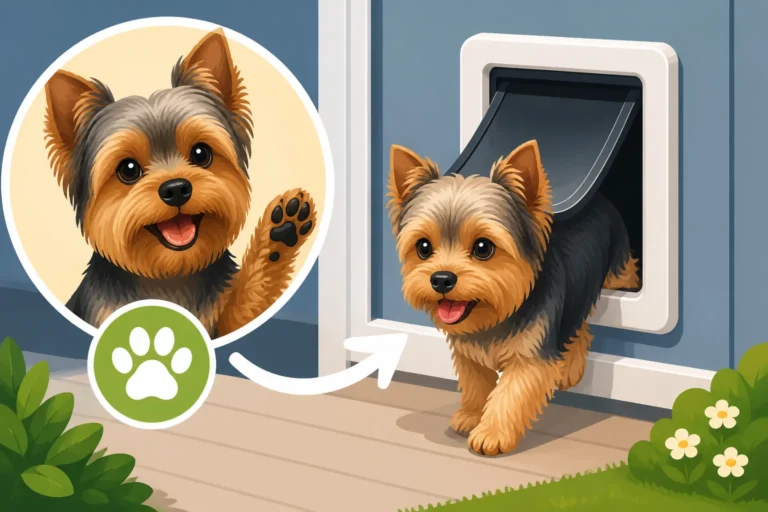
As soon as your Yorkie puppy crosses your threshold, the clock starts ticking on critical training. Potty training and crate training are absolute priorities. Imagine a tiny explorer learning the rules of a new territory – consistency is key. At this young age, puppies have small bladders and limited control, meaning frequent trips outside are a must. We’re talking every hour or two, after waking up, after eating, and before bed. Accidents will happen, but don't get discouraged; it's part of the process. For a detailed roadmap, check out our guide on how to potty train a Yorkie puppy.
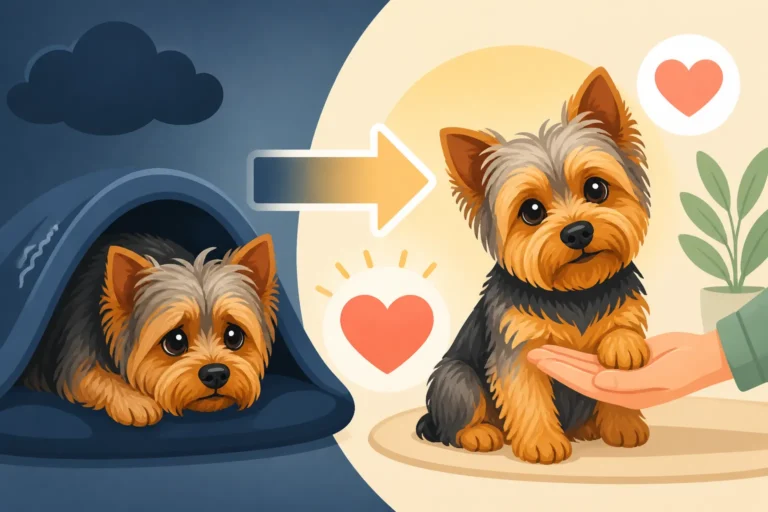
Crate training goes hand-in-hand with potty training. A crate, when introduced positively, becomes your Yorkie’s den – a safe, comfortable space where they can feel secure. It taps into their natural denning instincts. The goal isn't to use it as a punishment, but as a cozy retreat. Start with short periods, associate it with treats and toys, and gradually increase the time they spend inside. This also helps with separation anxiety solutions later on. A secure, comfortable crate can be found readily, with many excellent options available on Amazon. Teaching your Yorkie to view their crate as a positive place will make travel, vet visits, and even just quiet time at home much less stressful for everyone.
Early Socialization and Exposure
Beyond basic commands, the early weeks are crucial for socialization. This isn't just about meeting other dogs; it’s about exposing your Yorkie puppy to a wide variety of sights, sounds, smells, people, and experiences in a safe and positive way. Think about the bustling city park, the whirring of a vacuum cleaner, different floor textures, or children playing. A well-socialized Yorkie is less likely to develop fear-based aggression or anxiety later in life.
The critical window for socialization typically closes around 16 weeks of age, so make the most of it! Enroll in a puppy kindergarten class, arrange supervised playdates with vaccinated, friendly dogs, and take your puppy on short, positive outings. Always prioritize their safety and comfort, never forcing interactions. You want them to form positive associations with new things, not frightening ones. If you're looking for structured guidance, many online programs, such as BAXTER & Bella, provide comprehensive resources for puppy socialization and training, complete with step-by-step instructions and live support to help you navigate this vital period effectively.
Building Blocks: Training Through Yorkshire Terrier Adolescence
Once your Yorkie sails past puppyhood, typically between 4 to 12 months, they enter adolescence. This stage can feel a bit like having a furry teenager – they might test boundaries, "forget" commands they once knew, and seem a little rebellious. But this is not the time to slack off on training; it’s the time to reinforce, refine, and introduce more complex concepts.
Refining Obedience Commands
By now, your Yorkie should have a grasp on basic commands like "sit," "stay," "come," and "down." During adolescence, the focus shifts to generalizing these commands, meaning they should respond reliably in different environments, with distractions, and from varying distances. For instance, can your Yorkie "come" when called at the dog park, not just in your quiet living room? This requires consistency and practice. Practice in short, fun sessions daily, using high-value treats and enthusiastic praise. Our guide on how to teach a Yorkie basic commands can offer more specific tips and techniques.
This period is also ideal for starting leash training properly. Yorkies, despite their small size, can be surprisingly strong pullers or easily distracted. A comfortable, well-fitting harness is essential, as collars can put undue pressure on their delicate tracheas. You might find a good selection of harnesses and training leashes on Amazon that are specifically designed for small breeds. Teach them to walk politely by your side, rewarding loose-leash walking, and gradually increasing the duration and complexity of your strolls.
Tackling Nuisance Behaviors
Adolescence is often when challenging behaviors emerge or intensify. This can include excessive barking, jumping on guests, chewing inappropriate items, or showing signs of small dog syndrome. It’s important to address these behaviors patiently and consistently, rather than letting them escalate. For example, if your Yorkie is prone to chewing, ensure they have plenty of appropriate chew toys. Rotate toys to keep them interesting, and consider puzzle toys to engage their minds.
If you find your Yorkie entering a phase where they're testing boundaries, it’s a good time to revisit the how to crate train a Yorkie article and ensure their comfort zone is still a positive reinforcement space. For barking, identify the trigger (e.g., the doorbell, strangers outside) and work on desensitization and counter-conditioning. For instance, pair the sound of the doorbell with a high-value treat, gradually moving towards quiet responses. Remember, punishment can often exacerbate behavioral issues, so always opt for positive reinforcement methods that reward desired actions.
Lifelong Learning: Training Your Adult or Senior Yorkie
The idea that you can't teach an old dog new tricks is simply not true, especially for intelligent breeds like Yorkshire Terriers. Whether you've adopted an adult Yorkie with an unknown past or your lifelong companion is entering their golden years, training and mental stimulation remain vital. It’s all about adjusting your approach to their current needs and capabilities.
Addressing Established Habits in Older Dogs
If you've welcomed an adult Yorkie into your home, they might come with some pre-existing habits, good or bad. It requires a bit more patience and understanding to help them unlearn old patterns and adopt new ones. The first step is often observation: what are their triggers? What rewards do they value most? Consistency from everyone in the household is paramount. If you're struggling, don't hesitate to seek guidance from a certified professional dog trainer who specializes in positive reinforcement. They can provide tailored strategies for how to house train an adult Yorkie or address specific behavioral quirks.
For example, an adult Yorkie who has never been leash trained might initially be resistant. Start in a quiet, distraction-free environment, making the leash and harness positive by associating them with treats and praise. Gradually work your way up to short walks, celebrating every small success. Even ingrained behaviors can be modified with enough dedication and the right approach.
Advanced Training and Mental Stimulation
For adult Yorkies who have mastered basic obedience, consider delving into advanced training. This could include teaching fun tricks like "spin" or "play dead," participating in canine sports like agility or rally obedience, or even training for therapy dog work. These activities not only strengthen your bond but also provide crucial mental stimulation, which is just as important as physical exercise for a Yorkie's overall well-being.
As Yorkies age, their physical capabilities might change, but their need for mental engagement doesn't diminish. Senior Yorkies might not be able to run long distances, but they can still enjoy puzzle toys, scent games, and learning new, simpler commands. Keeping their minds active helps maintain cognitive function and can even help prevent some age-related behavioral changes. Tailoring your training to their physical state, offering soft landings for their joints, and keeping sessions short and fun are key for how to care for a senior Yorkie. For an older rescue Yorkie, the focus might be on rebuilding trust and providing a secure, predictable environment before jumping into complex commands.
Key Considerations for Successful Yorkie Training at Any Age
No matter your Yorkie's age, certain principles remain constant for effective and humane training. These elements form the bedrock of a strong, trusting relationship and ensure your training efforts are fruitful.
The Power of Positive Reinforcement
This cannot be stressed enough: positive reinforcement is the most effective and ethical way to train a Yorkshire Terrier. This means rewarding desired behaviors with something your Yorkie values – high-value treats, verbal praise, a favorite toy, or a gentle pet. This makes training a positive experience for them and increases the likelihood they’ll repeat the behavior. Avoid punishment, scolding, or harsh corrections, as these can damage your bond, instill fear, and lead to more behavioral problems.
When choosing rewards, consider what truly motivates your Yorkie. Some might go wild for tiny pieces of cooked chicken, while others are toy fanatics. Keep treats small to avoid overfeeding and ensure they can be consumed quickly so you can continue training. You can find a vast array of training treats, including many healthy, small-sized options perfect for Yorkies, on Amazon.
| Age Stage | Primary Training Focus | Key Objectives | Common Challenges & Solutions |
|---|---|---|---|
| 8-16 Weeks | Foundation & Socialization | Potty training, crate training, bite inhibition, sound/sight exposure, basic commands (sit). | Short attention spans (short, frequent sessions), fear periods (positive exposure). |
| 4-12 Months | Reinforcement & Boundary Setting | Leash manners, generalizing commands, recall, addressing jumping/barking/chewing. | Adolescence testing boundaries (consistency, redirecting), energetic bursts (structured exercise). |
| 1-7 Years | Maintenance & Advanced Skills | Continued obedience, trick training, dog sports, mental enrichment. | Boredom (puzzle toys, new activities), ingrained habits (patience, professional help). |
| 7+ Years | Adaptation & Gentle Engagement | Maintaining cognitive function, gentle exercise, comfort, reviewing basic commands. | Physical limitations (adapt training, gentle activities), hearing/sight loss (visual/hand signals). |
Consistency and Patience
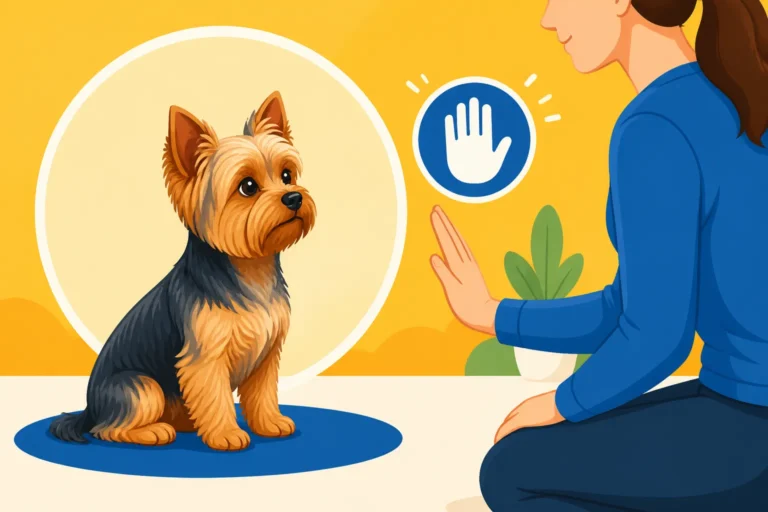
Yorkies are intelligent but can also be stubborn. Consistency is the name of the game. Everyone in the household needs to use the same commands, the same hand signals, and the same rules. If one person lets the Yorkie jump on the couch while another forbids it, your dog will get confused, and training will break down. This is especially true for potty training or when addressing issues like why Yorkies shake and tremble.
Patience is equally vital. Training is a journey, not a destination. There will be good days and challenging days. Celebrate small victories, don't dwell on setbacks, and remember that your Yorkie is doing their best to understand what you want from them. If you feel frustrated, take a break. A frustrated owner often leads to a confused or fearful dog.
Knowing When to Seek Professional Help
While many training basics can be handled at home, there's absolutely no shame in seeking professional help. If you're struggling with a particular behavior, feel overwhelmed, or if your Yorkie exhibits aggression, severe anxiety, or other complex issues, a certified professional dog trainer or a veterinary behaviorist can be an invaluable resource. They can assess your specific situation, identify underlying causes, and develop a personalized training plan. For those interested in structured, professional-led programs from the comfort of their home, platforms like BAXTER & Bella offer comprehensive online puppy training and adult dog training solutions with expert support. Sometimes, an outside perspective and specialized knowledge are exactly what you and your Yorkie need to get back on track.
Ultimately, the best age to start training a Yorkie is now. Whether you have a brand-new puppy or an older companion, every day is an opportunity to teach, learn, and strengthen the incredible bond you share.
Disclaimer
The information provided in this article is for general informational purposes only and is not a substitute for professional veterinary advice. Always consult with a qualified veterinarian or professional dog trainer for any health concerns or before making any decisions related to your pet's health or training.