How to Tire Out a Hyper Yorkie
Oh, the sheer, boundless energy of a Yorkshire Terrier! If you've ever found yourself wondering how such a tiny creature can possess an endless supply of zoomies, incessant barking, or simply bounce off the walls, you're not alone. It’s a common, albeit exhausting, conundrum for many Yorkie parents. This comprehensive guide is here to unravel the mystery behind your hyper Yorkie and, more importantly, equip you with practical, realistic strategies to help them burn off that exuberance in healthy, productive ways, leading to a calmer, happier home for everyone.
Decoding Your Yorkie's Boundless Energy
Before we dive into solutions, it’s really helpful to understand why your Yorkie might be acting like a tiny tornado. It's rarely out of malice or naughtiness; more often, it's a combination of instinct, unmet needs, or even a bit of anxiety. Recognizing the root cause is the first step toward effective management.
The Terrier Spirit: More Than Just a Lapdog
Let's be real, Yorkies might look like elegant little accessories, but deep down, they're true terriers. And what does "terrier" mean? It means they were bred to be feisty, tenacious, and incredibly energetic working dogs. Think about their history: chasing rats and other vermin in Yorkshire, England. That takes stamina, focus, and a whole lot of drive! This isn't a breed content to just sit on your lap all day, though they certainly love to cuddle after a good "hunt" (or play session). Their instincts are hardwired for action, investigation, and sometimes, a little bit of mischief. Understanding this fundamental aspect of their Yorkshire Terrier Temperament and Personality is crucial.
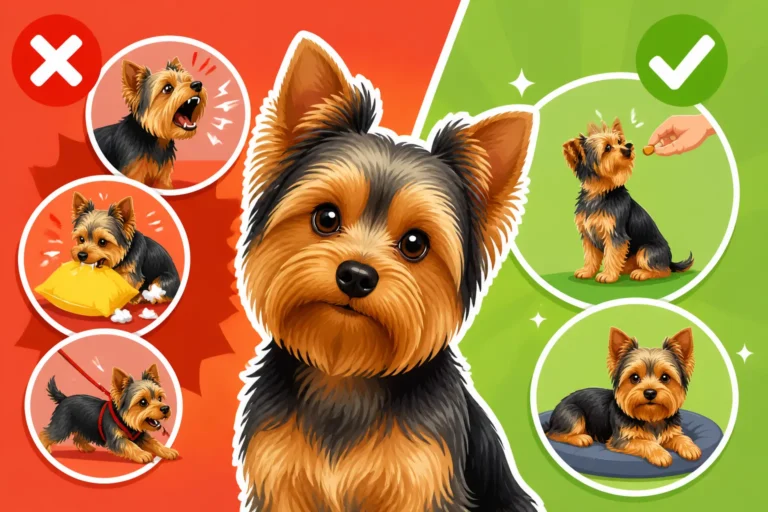
You might be thinking, "But my Yorkie is so small, how much energy could they possibly have?" The answer is: a surprising amount. Size can be deceiving. They're like little rechargeable batteries that seem to hit 100% full capacity again moments after you thought you'd drained them. When this natural terrier energy isn't channeled appropriately, it often manifests as hyperactivity, excessive barking, destructive chewing, or general restlessness.
Untapped Potential: When Energy Becomes Hyperactivity
Often, hyperactivity in a Yorkie isn't just "being a Yorkie"; it's a sign that their needs aren't being fully met. Imagine having a powerful engine but nowhere to drive it. That's your Yorkie. They have an incredible capacity for both physical activity and mental engagement, and if either of those tanks are running low, their pent-up energy will find an outlet, often in ways we owners find frustrating. It's like a toddler who hasn't had enough playtime and starts throwing toys – they're not trying to be naughty, they just don't know what else to do with all that internal buzzing.
A lack of sufficient physical exercise is a huge contributor. While a quick trip around the block might seem like enough for a tiny dog, it often isn't. They need varied experiences and enough movement to truly stretch their legs and work their muscles. Beyond physical activity, a lack of mental stimulation can be an even bigger culprit. Yorkies are smart, and their brains need a workout just as much as their bodies. If they're bored, they'll invent their own "jobs," which might involve disassembling your couch cushions or orchestrating a symphony of barks at passing squirrels.
Environmental Triggers for Zoomies
Sometimes, your Yorkie's sudden bursts of energy, often called "zoomies" or "FRAPs" (Frenetic Random Activity Periods), aren't due to boredom, but specific triggers in their environment. These can include:
- Over-stimulation: A bustling household with kids running around, lots of guests, or even too much noise from the TV can overwhelm a sensitive Yorkie. They might react by zooming around as a way to release the sensory overload.
- Excitement: The sound of your car keys, the jingle of their leash, or even the arrival of a favorite person can trigger an explosion of joyful (but often hyper) energy.
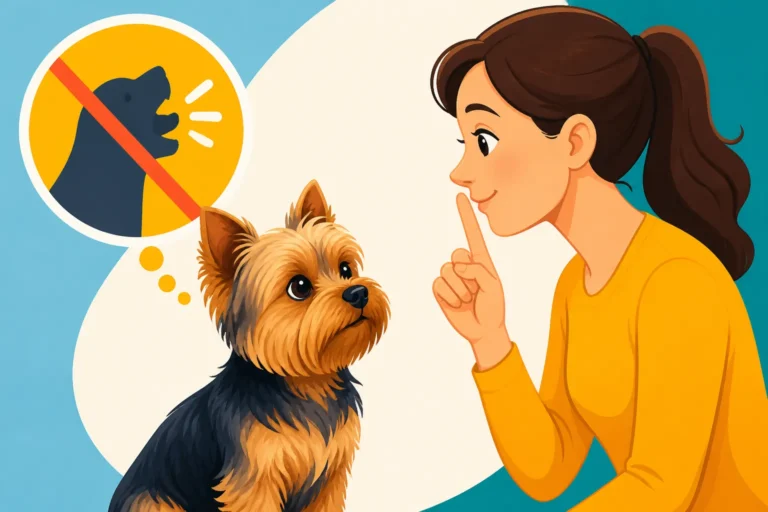
- Anxiety: Believe it or not, sometimes hyperactivity is a manifestation of stress or anxiety. A Yorkie with Yorkie Separation Anxiety: Signs and Fixes might pace, whine, or become destructive, which can look a lot like hyperactivity. Loud noises, new environments, or being left alone for too long can all contribute.
- Time of day: Many dogs, including Yorkies, have natural peaks in their energy levels, often in the morning and evening. You might notice your Yorkie is more prone to zoomies around these times.
Understanding these triggers helps you anticipate and mitigate them, giving you a better chance to manage their energy effectively.
Strategic Physical Exercise to Exhaust Their Little Legs
Let's face it, getting physical is often the most straightforward way to burn off some of that excess energy. But for a tiny Yorkie, "exercise" doesn't necessarily mean a marathon run. It means smart, consistent, and safe activities tailored to their small stature and specific needs.
Structured Walks and Exploration
Regular walks are non-negotiable for a Yorkie, even if you have a yard. It’s not just about potty breaks; it’s about mental enrichment too. Aim for at least two shorter walks (20-30 minutes each) daily, or one longer one if your schedule allows. Remember, their little legs take many more steps than yours to cover the same distance!
- Vary the Route: Walking the same path every single day can get boring. Try new neighborhoods, parks, or even just different sides of the street. New sights, smells, and sounds provide immense mental stimulation. Let them sniff around! That sniffing is a powerful mental workout for dogs, using their most important sense to interpret the world.
- Pace and Engagement: Don't just drag them along. Allow your Yorkie to set a comfortable pace. Incorporate short bursts of faster walking if they're up for it, followed by slow, sniffy breaks. Use a comfortable harness, like those readily available on Amazon, rather than a collar, which can put pressure on their delicate trachea. You can learn more about this in "Why Harnesses Are Better Than Collars for Yorkies".
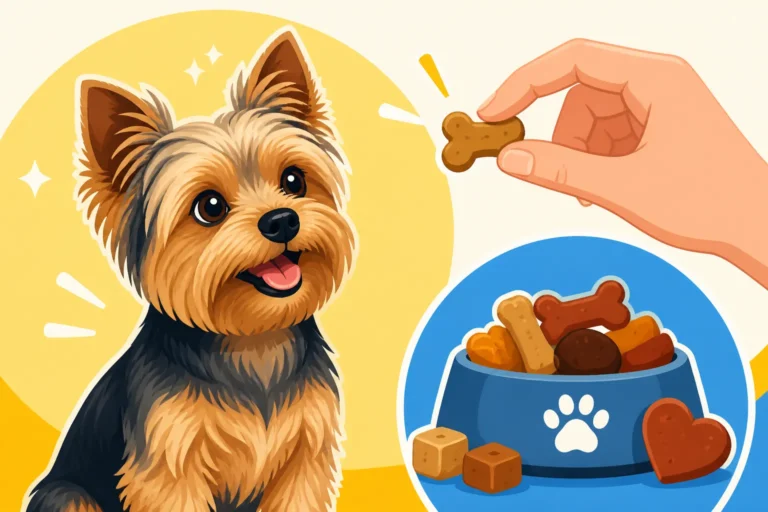
- Playful Interruptions: During walks, stop for a quick game of "find it" by tossing a small, high-value treat into the grass for them to sniff out. Or practice a quick "sit" or "stay" command for a treat. These small interruptions add mental engagement to the physical activity.
Indoor Play Sessions and Fetch Alternatives
Bad weather, busy schedules, or even just living in an apartment can make outdoor exercise challenging. The good news is, there are plenty of ways to get your Yorkie moving indoors.
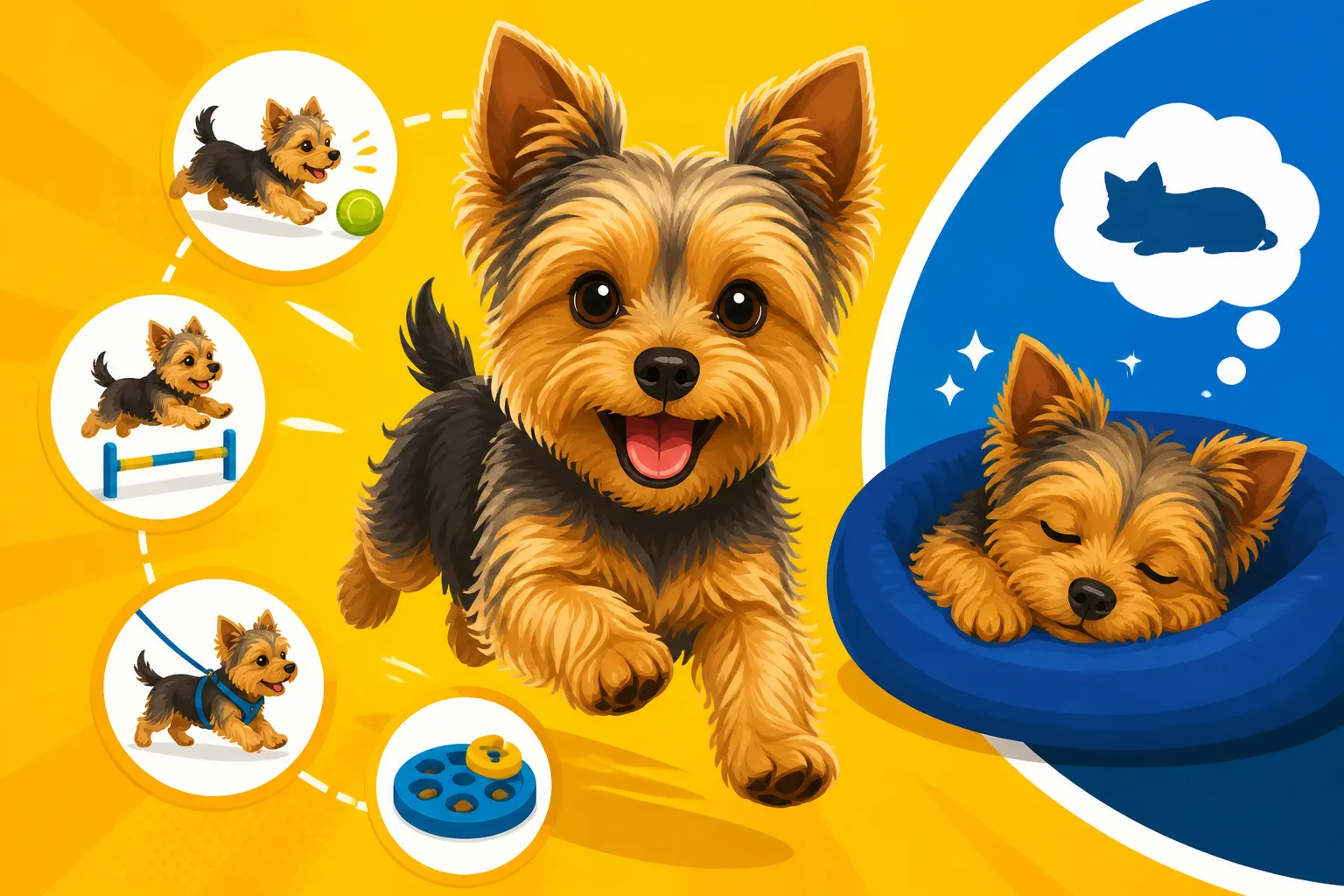
- Hallway Fetch or Chase: A long hallway is perfect for a miniature game of fetch with a soft, lightweight ball or toy. Don't just throw; engage! Make it a game of chase too, encouraging them to run after you. If your Yorkie isn't a natural retriever, roll the ball and praise them enthusiastically when they go after it, even if they don't bring it back.
- Tug-of-War (with Rules): Tug-of-war can be a fantastic energy burner and confidence builder, as long as it's played with rules. Use a soft, small tug toy. Teach "drop it" from the beginning. Keep sessions short and let your Yorkie "win" often to boost their confidence. End the game before they get over-stimulated.
- Bubble Chasing: Many Yorkies absolutely adore chasing bubbles! Use pet-safe bubble solution (often available from brands like KONG or on Amazon). It’s a great way to get them leaping and dashing around without much effort from you, and it’s hilarious to watch.
- Obstacle Course Fun: Set up a mini obstacle course in your living room using pillows, blankets, and low boxes. Lure your Yorkie over, under, and around these obstacles with treats or a favorite toy. It combines physical movement with problem-solving.
Safe Socialization and Dog Park Etiquette
Socializing with other dogs can be an incredible way for a Yorkie to burn energy, but it requires careful consideration due to their small size.
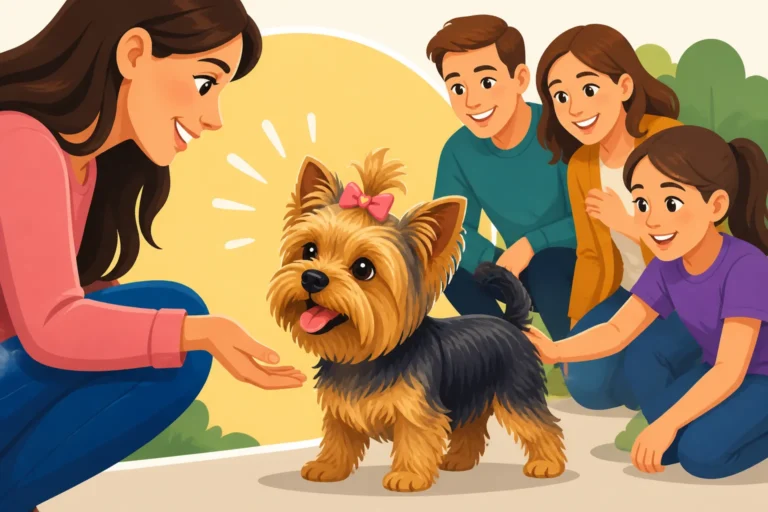
- Small Dog Playgroups: Look for local small dog playgroups or dedicated small dog hours at dog parks. This ensures your Yorkie isn't accidentally injured by a larger, more boisterous dog. Supervise closely and ensure play remains appropriate and consensual.
- Known Playmates: Arranging playdates with a friend's calm, vaccinated, and known small dog can be a safer, more controlled way to provide social interaction and exercise.
- Doggy Daycare: For those days when you're just too busy, a reputable doggy daycare that offers separate play areas for small breeds can be a lifesaver. Ensure they have trained staff who understand small breed dynamics.
A table comparing indoor and outdoor physical activities for your hyper Yorkie:
| Activity Type | Examples | Benefits | Considerations |
|---|---|---|---|
| Outdoor Physical | Structured walks, varied routes, small dog parks | Builds stamina, provides sensory enrichment, natural sniffing behavior | Weather dependent, leash/harness safety, potential larger dog hazards |
| Indoor Physical | Hallway fetch, tug-of-war, bubble chasing, agility | Burns energy in a controlled environment, less weather-dependent | Requires space, supervision to prevent injury, can lead to over-excitement |
Harnessing Their Brainpower: Mental Stimulation is Key
Physical exercise is important, but often, the real secret to tiring out a hyper Yorkie lies in challenging their brilliant little brains. Mental work can be far more exhausting than physical exertion, and it fulfills their natural terrier drive for problem-solving. Think of it: 15 minutes of intense brain games can be as tiring as an hour-long walk for some dogs!
Interactive Toys and Puzzle Feeders
These are fantastic tools for making mealtime or treat time into an engaging activity, rather than just a quick gulp from a bowl.
- Puzzle Toys: These toys require your Yorkie to manipulate parts, push levers, or slide panels to get to a hidden treat. Start with simpler puzzles and gradually increase the difficulty. Brands like KONG, Nina Ottosson (available on Amazon), and Outward Hound make excellent puzzle toys for small dogs. This transforms eating into a "hunt," tapping into their natural instincts.
- Snuffle Mats: A snuffle mat is a fabric mat with many folds and pockets where you can hide kibble or small treats. Your Yorkie has to use their nose and paws to sniff out and retrieve the food. It's an excellent way to slow down eating and provide a good mental workout.
- Slow Feeder Bowls: If your Yorkie eats too quickly, a slow feeder bowl with ridges and mazes makes them work for their meal. While not as complex as a puzzle toy, it still adds a layer of mental engagement.
- Chew Toys with Inserts: Toys that allow you to stuff them with peanut butter (xylitol-free!), yogurt, or wet food and then freeze them can keep a Yorkie engrossed for a significant period. This prolonged licking and chewing is incredibly calming and mentally satisfying.
Consistent Training and New Skill Acquisition
Training isn't just for puppies; it's an ongoing journey that provides immense mental stimulation. Even an adult Yorkie can learn new tricks!
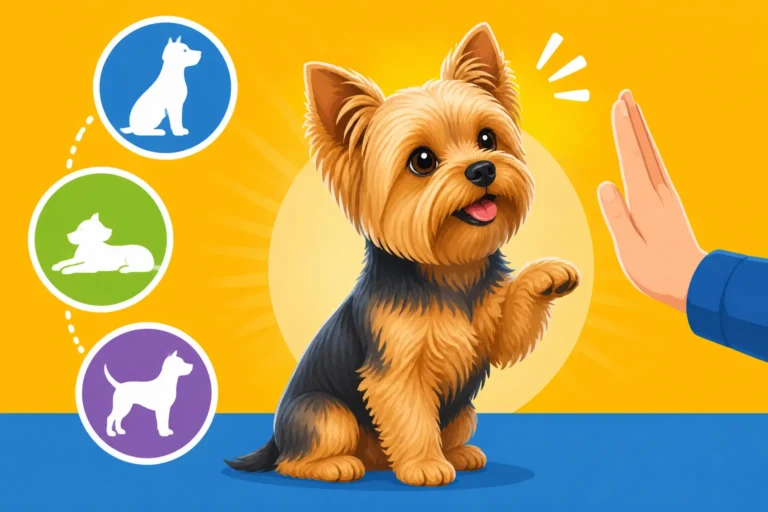
- Basic Obedience Refresher: Practice commands like "sit," "stay," "down," "come," and "leave it." Not only does this reinforce good behavior, but the focus and concentration required are mentally draining for your dog. Consider resources like BAXTER & Bella, which offer comprehensive online training programs that are fantastic for engaging your Yorkie's mind and building a strong bond.
- Teach New Tricks: Yorkies are smart and often love to show off. Teach them fun tricks like "spin," "weave," "shake a paw," or "play dead." Breaking down a trick into small, achievable steps and using positive reinforcement will keep them engaged and eager to learn. This is a perfect way to give them an outlet for their intelligence. Check out "How to Teach a Yorkie Basic Commands" for more ideas.
- Clicker Training: Many dogs respond exceptionally well to clicker training. The clicker marks the exact moment they perform the desired behavior, making it very clear to them what they did right. This clarity and precision makes learning efficient and fun, providing excellent mental exercise.
- Short, Frequent Sessions: Keep training sessions short (5-10 minutes) and frequent throughout the day. This prevents boredom and frustration, ensuring your Yorkie remains enthusiastic. Ending on a high note, even if it's just a simple "sit" and a treat, builds confidence. Remember to use Best Treats for Training a Yorkie to keep them motivated!
Engaging Scent Games and Hide-and-Seek
Yorkies have a keen sense of smell, and engaging this natural ability is incredibly stimulating.
- "Find It" Games: Hide small, high-value treats or their favorite toy in various spots around the house while your Yorkie watches. Then, give the "find it" command. As they get better, make it more challenging by hiding items when they're not looking, or in more obscure locations. This game taps into their primal hunting instincts in a safe, fun way.
- Shell Game: Place three opaque cups upside down. Show your Yorkie you're putting a treat under one cup, then shuffle them around. Encourage them to "find" the treat. This simple game builds problem-solving skills and requires focus.
- Indoor Hide-and-Seek: If your Yorkie has a good "stay" command, have them stay in one room while you hide in another. Then call their name and praise them enthusiastically when they find you. This is a wonderful way to reinforce their "come" command while providing mental and a little bit of physical exercise.
Building a Foundation for Calm: Routine and Relaxation
Even with plenty of physical and mental exercise, some Yorkies still struggle with hyperactivity. This is where a consistent routine and dedicated relaxation techniques come into play. Dogs thrive on predictability, and a structured day can significantly reduce anxiety and over-excitement.
The Power of a Predictable Schedule
A consistent daily schedule helps your Yorkie understand what to expect, reducing uncertainty and, consequently, hyperactivity driven by anxiety or anticipation.
- Regular Feeding Times: Feed your Yorkie at the same times each day. This not only regulates their metabolism but also provides a predictable anchor in their day.
- Consistent Potty Breaks: Establish a routine for potty breaks. This helps with house training and gives them a sense of control over their environment.
- Scheduled Play and Training: Integrate dedicated times for play, walks, and training into your daily routine. Knowing when these stimulating activities will occur can help them settle during quieter periods. For a deeper dive into managing their day, consider looking at the Yorkshire Terrier Daily Care Routine.
- Quiet Time: Just like kids, Yorkies need downtime. Ensure there are periods of the day when the house is calm, and they can relax without constant stimulation. This is especially important for How to Calm a Hyper Yorkie.
Creating a Peaceful Retreat
Every Yorkie, especially a hyper one, needs a designated safe space where they can retreat and feel secure. This isn't a punishment, but a sanctuary.
- Comfortable Crate: A crate, when introduced properly and made comfortable with soft bedding and familiar toys, can become a den. It offers a sense of security and a quiet place away from the hustle and bustle. Never use the crate as a punishment.
- Designated Bed/Area: If a crate isn't an option, ensure they have their own bed in a quiet corner of a room where they won't be constantly disturbed. This is their spot, their safe haven.
- Calming Scents and Sounds: Some Yorkies respond well to calming pheromone diffusers (like Adaptil, available on Amazon), or even soft, classical music or white noise. These can help create a more serene environment.
Incorporating Calming Practices and Tools
Beyond routine and a safe space, there are specific practices and tools that can help promote calmness in a high-energy Yorkie.
- Gentle Massage: A gentle massage can be incredibly relaxing. Use slow, circular motions along their neck, shoulders, and back. Pay attention to their reactions; if they lean into it, you know they're enjoying it. This is a wonderful bonding experience as well.
- Lick Mats: These silicone mats have textured surfaces that you can spread with dog-safe peanut butter, yogurt, or pureed pumpkin. The repetitive licking motion is incredibly soothing and helps dogs self-regulate and relax. They are often inexpensive and available on Amazon.
- Mindful Interaction: Be mindful of your own energy levels. If you're constantly hyped up and excited around your Yorkie, they'll mirror that energy. Interact with them calmly, especially when you want them to settle down.
- Professional Guidance: If your Yorkie's hyperactivity seems extreme, or you suspect it's linked to anxiety, a certified professional dog trainer or a veterinary behaviorist can provide tailored strategies and rule out any underlying medical conditions. Sometimes, what looks like hyperactivity is actually an underlying issue that needs a specific approach. Don't hesitate to seek expert advice if you're struggling. This can prevent Yorkie Training Mistakes to Avoid.
By combining consistent physical outlets with engaging mental challenges, all wrapped within a predictable and calming routine, you'll be well on your way to helping your hyper Yorkie find their inner zen. Remember, patience and consistency are your best friends on this journey!
Disclaimer
This article is for general informational purposes only and does not constitute professional advice. Laws, prices and regulations vary by location and change over time. Consult a qualified professional for guidance on your specific situation.