How to Stop a Yorkie from Not Coming When Called
Isn't it frustrating when you call your sweet little Yorkie, and they just… don't come? It feels like they've suddenly gone deaf, or worse, are actively choosing to ignore you! This guide will dive deep into why your Yorkshire Terrier might be giving you the cold shoulder when called and, more importantly, equip you with practical, loving strategies to teach them a reliable recall command, ensuring their safety and your peace of mind.
Understanding Why Your Yorkie Ignores "Come"
Before we can fix the problem, we need to understand it. Your Yorkie isn't trying to be defiant or disobedient; there's usually a perfectly logical reason (from their perspective!) why they're not rushing back to you. Pinpointing the root cause is the first step toward effective training.
Distractions Rule Their World
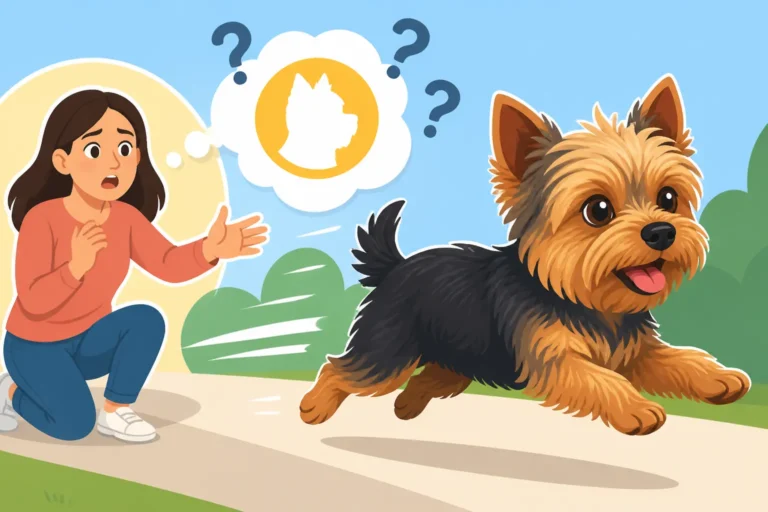
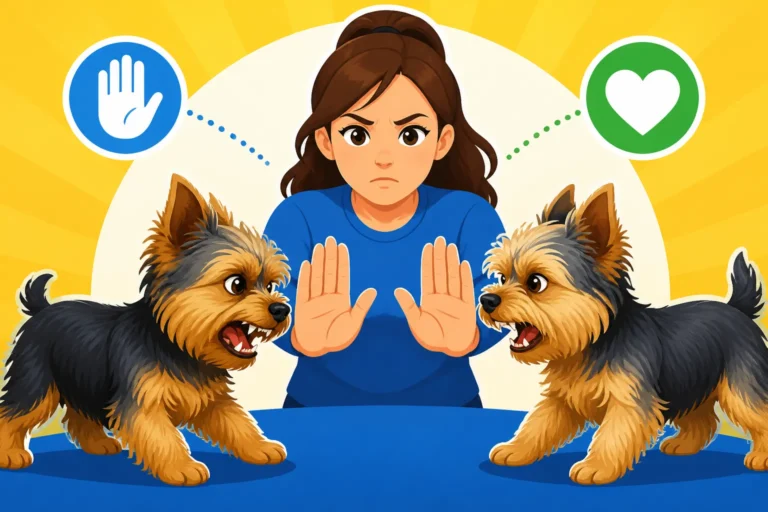
Yorkies, despite their small size, are terriers at heart. This means they often have a strong prey drive and are incredibly curious about their surroundings. A rustling leaf, a distant squirrel, another dog, or even an interesting scent can become an overwhelming distraction, completely eclipsing your voice. When you call, they might genuinely not hear you over the internal monologue about chasing that butterfly, or the external world is just too exciting to leave. It’s not personal; it’s just the raw, unadulterated joy of exploration taking over.
Imagine being engrossed in the most thrilling movie of your life, and someone quietly calls your name from another room. Chances are, you wouldn't even register it. For your Yorkie, that squirrel across the park is their blockbuster action film, and your gentle "Fido, come!" might just be background noise. Understanding this intense focus on external stimuli helps us realize we need to make coming to us even more exciting than whatever else is going on.
Lack of Motivation or Poor Associations
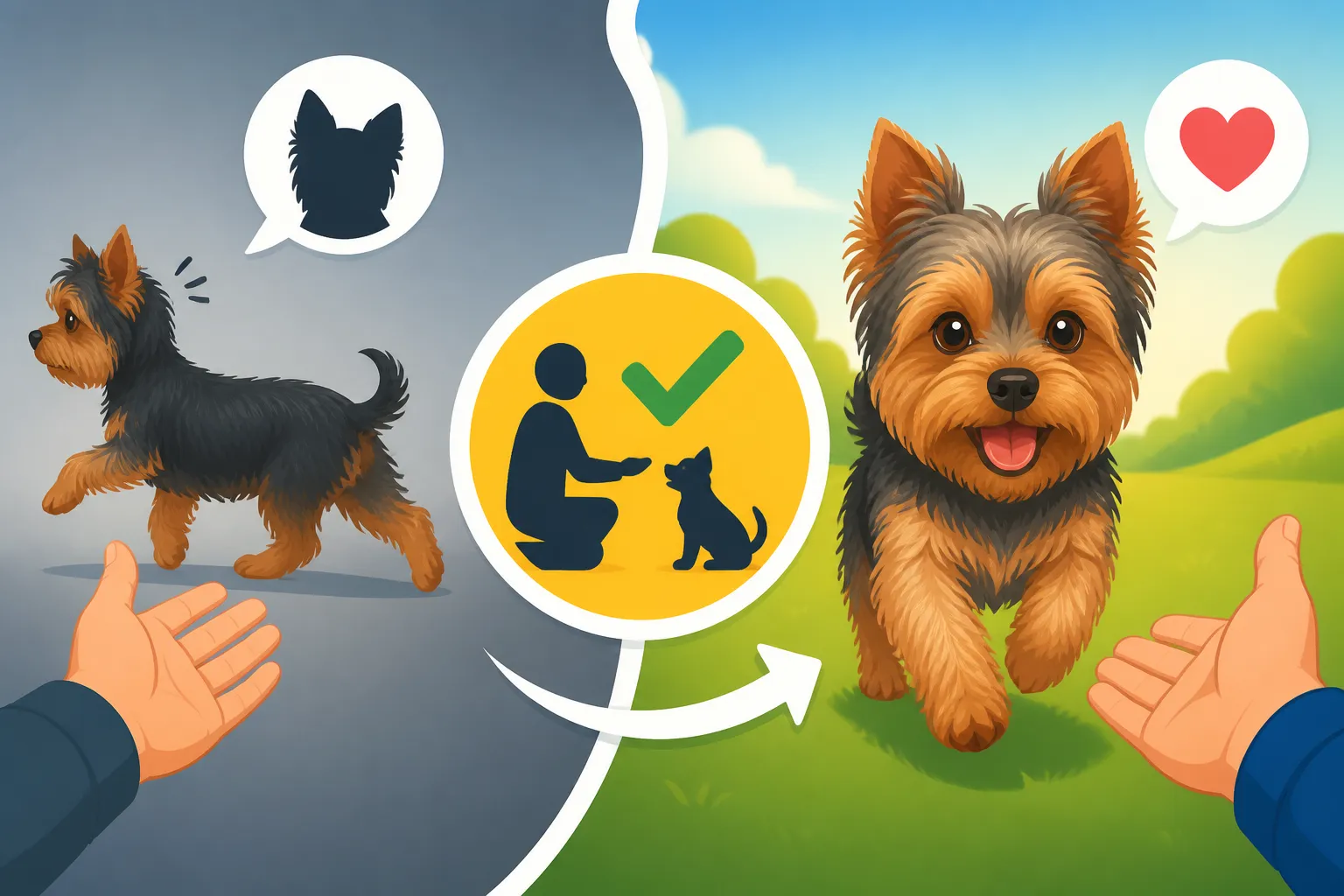
Let's be honest, sometimes coming when called means the fun stops. Maybe it's time to go inside, or perhaps it means getting picked up for an unpleasant task like nail trimming. If your Yorkie consistently associates the "come" command with the end of playtime or something they dislike, they'll quickly learn to avoid it. They're smart little cookies, and they'll weigh the pros and cons: "Is sniffing this fascinating patch of grass better than the uncertainty of what Mom wants?" If the answer is often "yes," your recall command loses its power.
Another common issue is that the reward for coming isn't enticing enough. A dry piece of kibble might not cut it when faced with the allure of a wide-open park. We need to supercharge the motivation. Think about what truly gets your Yorkie excited. Is it a special treat they only get for recall? A favorite squeaky toy? Or perhaps a burst of enthusiastic praise and cuddles? The reward needs to be a jackpot, something worth leaving all those intriguing distractions for.
Inconsistent Training and Expectations
This is a big one. If you only call your Yorkie when you need them to come – like when they're running towards a busy street or about to eat something they shouldn't – the command can become associated with stress or urgency. Moreover, if "come" sometimes means they get a treat and sometimes they don't, or if sometimes you chase them when they ignore you, the command loses its clear meaning.
Consistency is paramount in any dog training, and especially so with a recall command. If you call, they must come, and they must be rewarded. If you're not in a situation where you can enforce the command (e.g., off-leash in an unfenced area), don't use it. This prevents them from learning that they can ignore you without consequence. Many owners inadvertently train their Yorkies not to come by making recall a negotiable command rather than an absolute one.
Laying the Groundwork for a Reliable Recall
Building a rock-solid recall isn't about yelling louder or getting frustrated; it's about creating positive associations and a clear understanding. It requires patience, consistency, and a dash of creativity. Think of it as building trust and a fun game, not a chore.
Choose Your Recall Word Wisely
First things first, select a single, distinct word for your recall command. "Come," "Here," or even a fun sound like a whistle are all good choices. The key is to stick to it. Avoid using your Yorkie's name followed by "come" (e.g., "Max, come!") as their recall word. Their name should always be a positive signal that simply gets their attention. Once you have their attention, then use your recall command.
It's also important that your chosen recall word isn't used for anything negative. If "come" is what you say right before a bath, a trip to the vet, or when they're in trouble, they'll naturally develop an aversion to it. Keep it sacred for joyous returns and fabulous rewards. This is also why having a backup recall word or a special sound can be useful in emergencies, as it won't be tainted by regular, potentially less exciting uses.
Equip Yourself with High-Value Rewards
For a Yorkie, a high-value treat isn't just tasty; it's practically irresistible. Forget the regular kibble; we're talking about tiny pieces of cooked chicken, cheese, hot dogs, or store-bought training treats they absolutely adore. These "jackpot" treats should be reserved only for recall practice, making them extra special. The moment your Yorkie comes, they should immediately get this amazing reward.
You can also incorporate a favorite toy or a quick game of tug as a reward, especially if your Yorkie is toy-motivated. The goal is to make coming back to you the most rewarding thing they could possibly do at that moment. Many trainers even suggest having a variety of high-value treats to keep things interesting and unpredictable, preventing your Yorkie from getting bored with the same old reward. You can find a huge variety of enticing, high-value training treats on platforms like Amazon to see what your Yorkie loves most.
Here's a quick comparison of treat values:
| Treat Type | Value Level | Description |
|---|---|---|
| Dry Kibble | Low | Everyday food, often ignored when distractions are present. |
| Hard Biscuits/Cookies | Medium | Moderately appealing, but still might lose out to strong distractions. |
| Soft Chews/Training Treats | High | Flavorful and easy to consume quickly, great for regular practice. |
| Cooked Chicken/Cheese | Jackpot | Irresistible, reserved for perfect recalls or high-distraction environments. |
| Squeaky Toy/Tug | Jackpot | Excellent for toy-motivated Yorkies, adds an element of play to the reward. |
Start in a Low-Distraction Environment
Rome wasn't built in a day, and a perfect recall won't be either. Begin your training in a quiet, enclosed space like your living room or a securely fenced yard. This minimizes competition for your Yorkie's attention, allowing them to focus solely on you and the command.
Once they consistently perform well in a low-distraction setting, gradually introduce more complex environments. Move to a quiet park on a leash, then to a slightly busier park, slowly increasing the level of distraction. The key is to set them up for success at every stage, building confidence and reliability before asking too much. Trying to teach recall at a dog park on day one is like asking a toddler to run a marathon – it’s just not realistic.
For more general training advice that emphasizes positive reinforcement and building a strong bond, you might find resources like "How to Train a Yorkshire Terrier " helpful.
Step-by-Step Training for a Bulletproof "Come" Command
Ready to turn those ignored calls into enthusiastic sprints back to your side? Let's break down the training process into manageable, fun steps.
The "Name Game" and Positive Reinforcement
Start by making your Yorkie's name a super positive sound. Say their name, and immediately, without waiting for them to do anything else, give them a high-value treat. Repeat this many times a day in various situations. The goal is for them to associate their name with good things, so when you say it, they automatically orient towards you, expecting something wonderful.
Once they reliably look at you when you say their name, add the recall command. Say their name, wait for eye contact, then say your recall word ("Come!"). As soon as they take a step towards you, or even just shift their weight, immediately reward them with praise and that jackpot treat. If they're far away, gently encourage them with an excited tone. Repeat, repeat, repeat! This initial phase is about building an overwhelmingly positive association with the word itself.
The "Bungee Cord" Method for Controlled Freedom
This method is fantastic for building distance and control. Get a lightweight, long line or a "bungee cord" leash (you can find these on Amazon or at most pet stores – a 15-30 foot length is usually good for a Yorkie). Attach it to their harness (never a collar for recall training, especially with a small breed like a Yorkie, due to the risk of tracheal collapse). Let them wander in a safe, open area, keeping the end of the line in your hand or under your foot.
When they’re distracted but not too far away, give your recall command with a cheerful voice. If they hesitate, gently reel them in with the line while continuing to call them encouragingly. The moment they start moving towards you, release tension on the line and praise them enthusiastically. When they reach you, it's jackpot time! This method teaches them that "come" isn't optional, but also that returning is always rewarding, without the stress of a chase. Over time, you'll use the line less and less, but it serves as a wonderful safety net and teaching tool.
Practice in Diverse Environments
Once your Yorkie is a recall superstar in your home and yard, it’s time to expand their horizons. Take your training to different locations, starting with areas that have minimal distractions and slowly progressing to busier spots. Each new environment is like a new lesson, so be patient and expect a slight regression in their performance initially.
Always start with your Yorkie on a long line in new places, even if they're reliable at home. This allows you to enforce the command and prevent them from practicing ignoring you. Call them, reward them, and make it a fun game. Remember, every successful recall in a new environment strengthens their understanding that "come" means "return to me for awesome things," no matter where they are or what's happening around them. A fantastic resource for guided training programs that can help with consistency across environments is BAXTER & Bella, which offers comprehensive online dog training.
Overcoming Common Hurdles and Sustaining Success
Even with the best intentions, recall training can present some challenges. Don't get discouraged! These little roadblocks are normal, and with a bit of insight and persistence, you can navigate them.
What to Do When Your Yorkie Still Ignores You
If your Yorkie completely blows off your recall command, resist the urge to chase them. Chasing often turns into a fun game for them, reinforcing the idea that running away is exciting. Instead, try changing your tone to something high-pitched and playful, clap your hands, or even run away from them in the opposite direction. Many dogs find this intriguing and will chase after you. When they do, celebrate wildly and reward them.
If you're using a long line and they ignore you, a gentle, consistent pull on the line while repeating the command can remind them of their obligation. The key is to remain calm, consistent, and always make their return a positive experience. If you find yourself repeatedly needing to physically retrieve them, it means you've introduced distractions too quickly, and you need to go back to a less distracting environment. Remember the importance of "How to Train a Stubborn Yorkie " – consistency is key, and sometimes it just takes more repetitions.
Addressing Fear of Being Caught
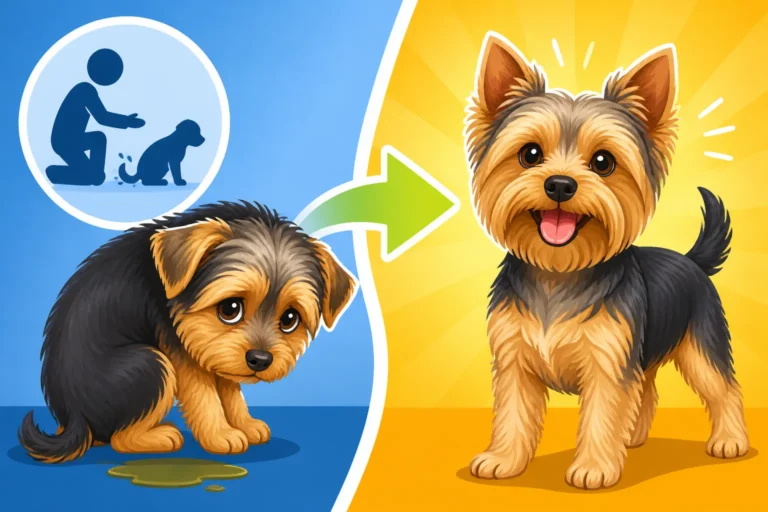
Sometimes a Yorkie doesn't come because they anticipate something unpleasant happening when they are caught. This often happens if they've been scolded upon return, or if recall always leads to them being put back on a leash and going home when they wanted to keep playing. If this is the case, you need to rebuild trust.
Practice calling them, rewarding them lavishly, and then immediately letting them go back to play. Do this several times in a row, so they learn that coming to you doesn't necessarily mean the end of fun. It simply means a quick check-in and a fantastic reward. This teaches them that returning is a positive interruption, not the end of their freedom. You might also want to ensure your Yorkie feels secure and happy on their leash when out and about; articles like "How to Stop Yorkie Leash Pulling " can offer valuable tips for making leash time more enjoyable.
Managing Distractions During Training
Distractions are the arch-nemesis of reliable recall, but they're also crucial for proofing the command. When introducing distractions, do so gradually. Start with passive distractions like a distant person, then move to active distractions like another dog or a ball being thrown far away. Always ensure you have control over your Yorkie, ideally with a long line, to prevent them from practicing ignoring you.
If your Yorkie is heavily distracted, reduce the distance, increase the value of your reward, or momentarily remove the distraction if possible. You can also work on "focus exercises" where you teach your Yorkie to make eye contact with you on command, even when distractions are present. This strengthens their ability to tune into you, no matter what else is going on. Remember, your goal is to make you the most exciting, rewarding thing in their environment.
Regular Practice and Maintenance
Recall isn't a "one and done" training exercise. It's a skill that needs regular practice to stay sharp, especially as your Yorkie ages or new distractions emerge. Integrate short recall practice sessions into your daily routine. Call them from another room for a treat, or during playtime in the yard. Make it a fun game, not a serious training drill.
Even when your Yorkie has a seemingly perfect recall, periodically surprise them with a jackpot reward for coming. This keeps them guessing and excited about the possibility of an amazing treat, reinforcing that coming to you is always worthwhile. Consistency, patience, and a whole lot of love are the ingredients for a Yorkie who happily comes running every single time. And always ensure their safety by using a secure harness when out on walks, as discussed in "Why Harnesses Are Better Than Collars for Yorkies ".
Disclaimer
The information provided in this guide is for general educational purposes only and should not be considered a substitute for professional veterinary or behavioral advice. Always consult with a qualified veterinarian or certified professional dog trainer for any concerns about your Yorkshire Terrier's health or specific training needs.