How to Train a Stubborn Yorkie
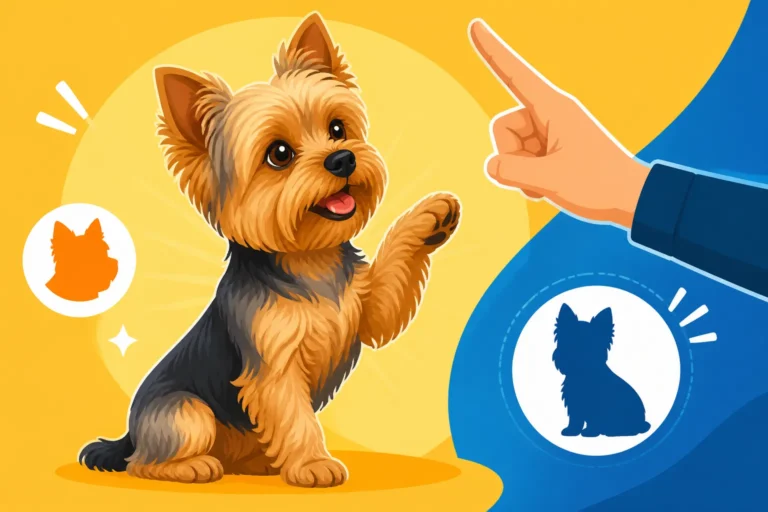
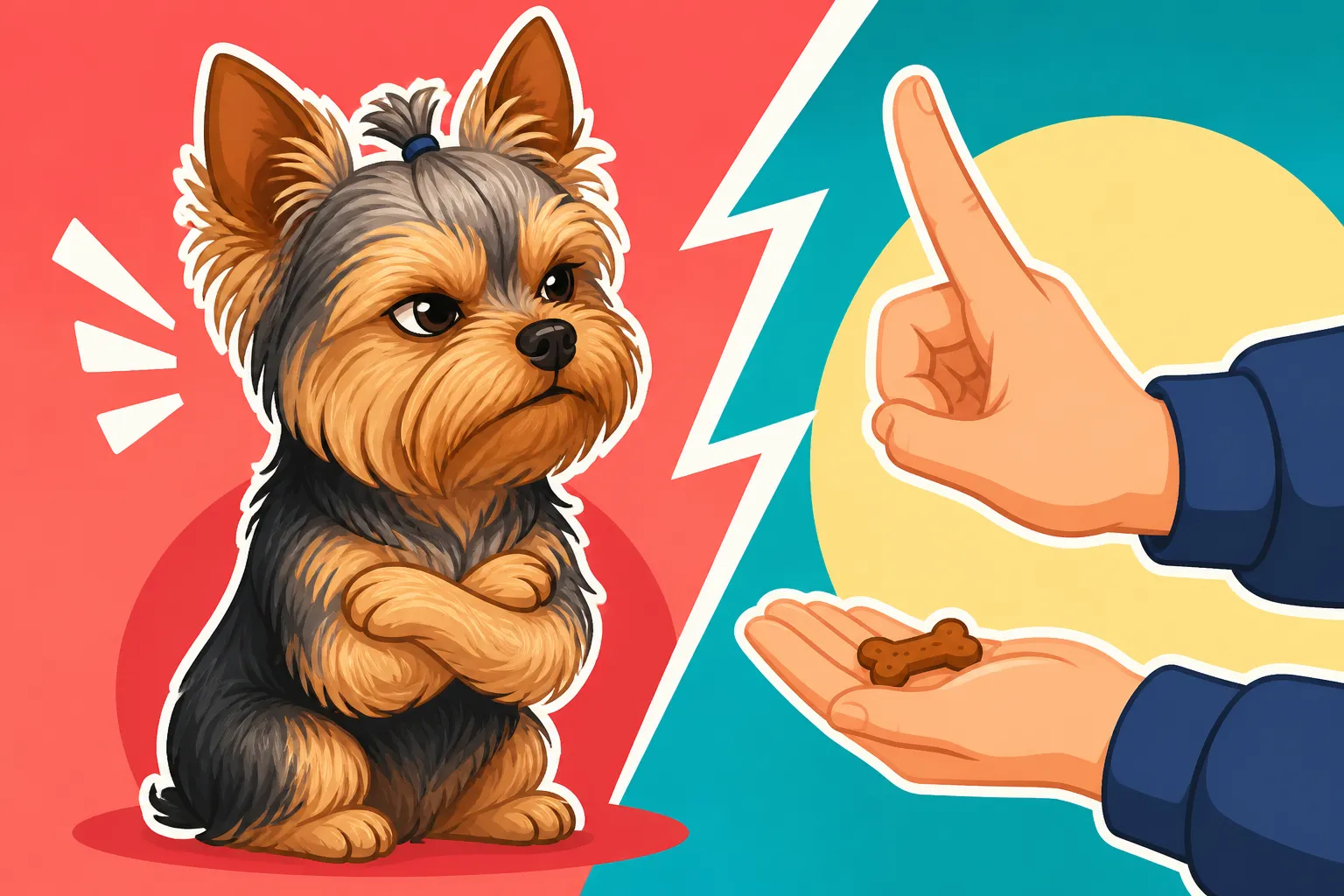
Oh, the beloved, yet sometimes utterly baffling, Yorkshire Terrier! If you're reading this, chances are you’ve fallen head over heels for their charm, their feistiness, and their undeniable cuteness. But you’ve also likely encountered that infamous "stubborn streak" that can make training feel like an uphill battle. It’s not just you; many Yorkie parents feel this frustration. This guide is here to validate your experience and equip you with realistic, empathetic strategies to navigate the delightful challenge of training a stubborn Yorkie, turning those moments of resistance into opportunities for growth and a stronger bond.
Understanding the Heart of Yorkie Stubbornness
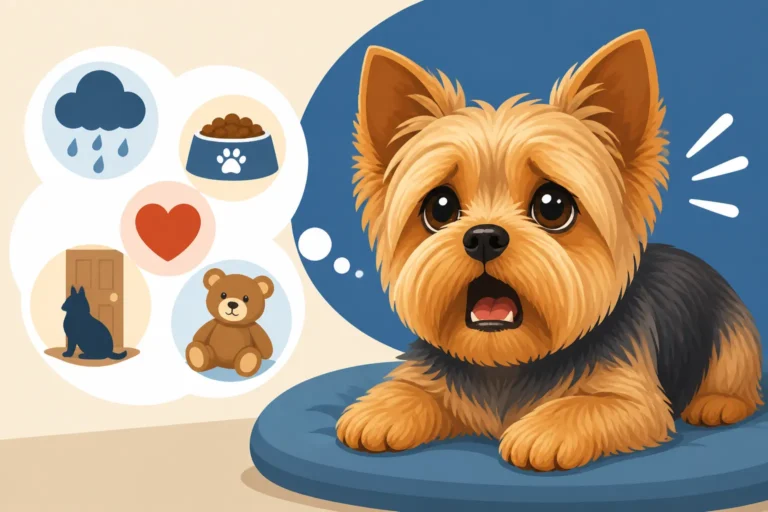
Before we dive into specific techniques, it's crucial to understand why your Yorkie might seem stubborn. It’s rarely out of malice or a desire to make your life difficult. More often, it stems from their unique breed characteristics, past experiences, or even a simple misunderstanding of what you're asking. Blaming it on "stubbornness" can be a roadblock; instead, let's explore the underlying reasons.
The Terrier Temperament
Yorkshire Terriers, at their core, are terriers. And what does that mean? It means they were originally bred for hunting small vermin – a job that required immense courage, independence, intelligence, and a tenacious spirit. They had to think for themselves, be persistent, and weren't easily deterred from their task. These admirable traits, when brought into a domestic setting, can manifest as what we perceive as stubbornness. They have a strong will and often a clear idea of what they want (and don't want!).
This inherent independence means they're not always eager to please, unlike some other breeds. They're more likely to question "What's in it for me?" when you ask them to do something. Understanding this innate drive helps us reframe our approach. It’s not that they can’t do it; it’s that they might not immediately see the benefit, or they might simply be expressing their strong personality. This strong character is one of the things we adore about them, but it certainly adds a layer to their training journey.
Common Misconceptions About Stubbornness
Sometimes, what looks like stubbornness is actually something else entirely. It could be confusion, fear, or even a physical discomfort. Owners often interpret a dog's refusal to perform a command as defiance, but it's important to rule out other possibilities first. For instance, if your Yorkie suddenly stops responding to "sit," is it stubbornness, or are they experiencing pain when sitting? Are they distracted by something in the environment that you haven't noticed?
Another common misconception is that a dog is being stubborn when they simply don't understand what's being asked. Maybe the cue isn't clear enough, or you haven't broken the command down into small, achievable steps. Dogs don't generalize well, so practicing "sit" in the living room doesn't automatically mean they'll "sit" perfectly at the bustling park. It's our job to ensure they truly comprehend what we want, across various environments.
Why Your Yorkie Might Be Resisting Training
Beyond their terrier nature and potential misunderstandings, several factors can contribute to a Yorkie resisting training. One significant reason is lack of motivation. If the reward isn't appealing enough, or if the training session feels boring or repetitive, a smart Yorkie will quickly lose interest. High-value treats, exciting toys, and enthusiastic praise are essential.
Past negative experiences can also play a huge role. If your Yorkie has been scolded or punished for making mistakes during training, they might become hesitant or fearful, leading them to shut down rather than engage. This isn't stubbornness; it's a learned avoidance. Additionally, inconsistent training on your part can be a culprit. If rules change frequently or different family members use different commands or expectations, your Yorkie will naturally become confused and, consequently, appear uncooperative. Remember, consistency is key, and every interaction is a training opportunity, whether you intend it or not.
Laying the Foundation for Training Success
When dealing with a "stubborn" Yorkie, it's not always about finding a magic trick; it’s often about creating the right environment and relationship where they want to learn and cooperate. A solid foundation built on trust, routine, and clear expectations will make all the difference, transforming resistance into eagerness.
Establishing a Consistent Routine
Yorkies, like most dogs, thrive on routine. A predictable schedule provides security and helps them understand what to expect throughout their day. This is especially critical for areas like potty training and meal times, but it extends to play, walks, and training sessions too. If your Yorkie's day is chaotic and unpredictable, they might feel anxious, which can manifest as resistance or a lack of focus during training.
Set up a consistent schedule for feeding, potty breaks, exercise, and dedicated training time. For example, if you feed your Yorkie at 7 AM and 5 PM every day, their body clock will adjust, making subsequent potty breaks more predictable. Sticking to a routine for walks and playtime also ensures their physical and mental needs are met, reducing pent-up energy that could lead to "stubborn" behavior. A calm, well-exercised Yorkie is often a more receptive student. You can find more specific advice in our guide on Yorkshire Terrier Potty Training Guide.
Creating a Positive Learning Environment
Your Yorkie needs to feel safe, happy, and motivated to learn. This means creating a training environment free from distractions, fear, or harsh corrections. Start in a quiet, familiar space like your living room, away from other pets, loud noises, or tempting toys. As they progress, you can gradually introduce more distractions, but always set them up for success.
Positive reinforcement is paramount. This means rewarding desired behaviors immediately and enthusiastically. If your Yorkie offers a "sit," even if you didn't ask, praise them and give them a treat! This encourages them to repeat the behavior. Avoid punishment, as it can erode trust and make your Yorkie fearful, leading them to simply avoid you or the training situation altogether. Your Yorkie should associate training with fun, rewards, and positive attention, not with stress or reprimand.
Building Trust and a Strong Bond
A strong, loving bond with your Yorkie is the most powerful training tool you possess. If your Yorkie trusts and respects you, they'll be far more inclined to listen and cooperate. This bond isn't built overnight; it's forged through consistent, positive interactions, clear communication, and meeting their needs. Spend quality time together, playing games, cuddling, and going on adventures.
Engage in activities that your Yorkie genuinely enjoys, whether it's a brisk walk around the neighborhood, a game of fetch with a favorite toy, or just quiet time on the couch. Be their advocate and protector. When they know you have their best interests at heart, they're more likely to view you as a benevolent leader rather than a dictator. This mutual respect makes them want to work with you, not against you. For insights on building this relationship through socialization, check out How to Socialize a Yorkshire Terrier.
Effective Training Techniques for Stubborn Yorkies
Once you’ve established a solid foundation, it’s time to fine-tune your training approach. With a "stubborn" Yorkie, standard techniques might need a little extra pizzazz and a whole lot of patience. The goal is to make learning irresistible and rewarding, so they choose to cooperate rather than resist.
Mastering Positive Reinforcement
This isn't just a technique; it's a philosophy, especially crucial for a breed with a strong will. Positive reinforcement means rewarding behaviors you want to see, making them more likely to happen again. For a Yorkie, this means finding what truly motivates them. Is it tiny, tasty bits of cooked chicken? A squeaky toy? A vigorous belly rub? Experiment to find their "jackpot" reward.
Timing is everything. The reward needs to happen within 1-3 seconds of the desired behavior. If your Yorkie sits, and you wait too long to offer the treat, they might associate the treat with standing up again or looking at you, not the sit itself. Keep treats small, so you can give many without overfeeding, and save the absolute highest-value treats for new or challenging behaviors. Loud, enthusiastic praise, like "YES! Good dog!" coupled with the treat, helps them connect the action to your approval. You can delve deeper into this approach with Positive Reinforcement Training for Yorkies.
The Power of Short, Engaging Sessions
Yorkies, despite their intelligence, have relatively short attention spans, especially puppies or those new to training. Long, drawn-out sessions will quickly lead to boredom and "stubbornness." Aim for 5-10 minute training bursts, several times a day. These short, frequent sessions are far more effective than one long, tedious one.
Keep the energy positive and upbeat. If you start to feel frustrated, end the session on a positive note (ask for an easy command your Yorkie knows, reward them, then stop) and take a break. Your mood directly impacts your Yorkie's willingness to participate. Vary the commands and activities to keep things interesting. Think of it as a fun game rather than a chore – your Yorkie certainly will!
Breaking Down Complex Commands
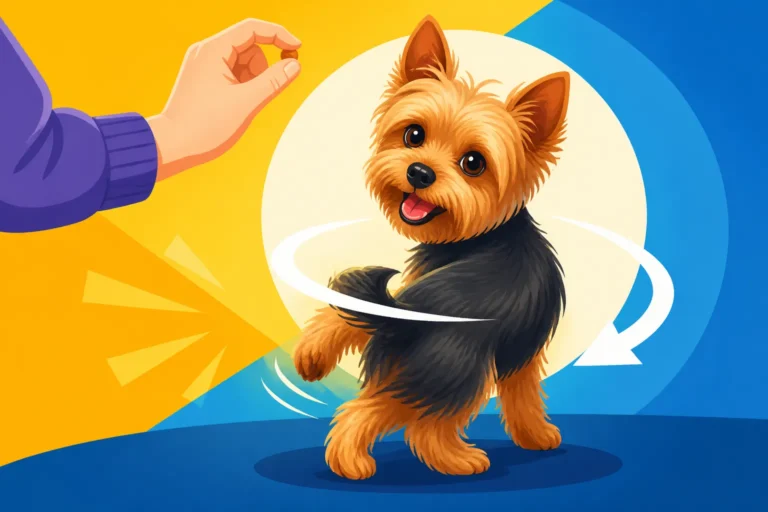
Sometimes, a Yorkie seems stubborn because the command you're asking for is too big or too difficult in their eyes. Break down complex behaviors into tiny, achievable steps, then reward each small success. This is called "shaping." For example, if you're teaching "lie down," you might start by rewarding them just for looking at the floor, then for lowering their head, then for lying down.
Use luring initially, where you guide their nose with a treat into the desired position. Once they reliably perform the action, phase out the lure and introduce a verbal cue (like "down") and a hand signal. This method prevents frustration for both of you and builds confidence in your Yorkie. Remember, patience and celebrating incremental progress are key to teaching a stubborn Yorkie new tricks.
| Command | Initial Small Steps | Typical Yorkie Challenge |
|---|---|---|
| Sit | Lure with treat over head, reward when hindquarters touch ground. | Distraction, jumping for treat, not holding position. |
| Down | Lure from sit to ground, reward when elbows touch ground. | Standing up, resisting lowering, nipping at treat. |
| Stay | Start with 1 second, 1 step back; gradually increase distance/time. | Breaking stay for attention, boredom, easily distracted. |
| Come (Recall) | Practice in quiet area, reward heavily; gradually add distractions. | Prioritizing smells/sights over owner, "selective hearing." |
| Loose Leash Walk | Reward every step beside you; change direction if pulling. | Pulling, darting, reacting to external stimuli. |
Addressing Common Stubborn Behaviors
Yorkies, with their big personalities, often come with a few "quirks" that owners can interpret as stubbornness. From potty training woes to barking at every leaf that blows by, these behaviors can be managed with consistent effort and the right approach.
Tackling Potty Training Challenges
Potty training a Yorkie can feel like a marathon, not a sprint. Their small bladders mean frequent trips outside are necessary, and their intelligence sometimes leads them to prefer the comfort of an indoor spot, especially in bad weather. If your Yorkie seems "stubborn" about potty training, it's usually a combination of habit, lack of understanding, or insufficient opportunities.
The golden rules: frequent potty breaks (especially after waking, eating, and playing), immediate supervision, and lavish praise/rewards for success outside. Use a consistent potty spot in your yard. If accidents happen inside, clean them thoroughly with an enzymatic cleaner to remove all scent. Never scold your Yorkie for an indoor accident; they won't understand why they're being punished, only that you're scary when they pee. Crate training can be incredibly helpful, as dogs are naturally reluctant to soil their sleeping area. For more detailed help, refer to our comprehensive Yorkshire Terrier Potty Training Guide.
Managing Excessive Barking
Oh, the glorious sound of a Yorkie expressing themselves! While their barks can be endearing, excessive barking can quickly become a problem, especially if your Yorkie seems "stubborn" about quieting down. Whether it's alert barking at every passerby, demand barking for attention, or boredom barking, the key is to address the underlying cause and teach an alternative behavior.
First, identify why your Yorkie is barking. Are they bored? Provide more mental and physical stimulation. Are they territorial? Manage their environment (e.g., restrict window access). Are they seeking attention? Ignore demand barking, and reward quiet behavior. Teach the "quiet" command by pairing it with a distraction that stops the barking (like a treat to their nose), then rewarding when they're silent. Consistency from all family members is vital; if one person gives in to barking, it reinforces the behavior. Find out more about strategies in How to Stop a Yorkie from Barking.
Overcoming Leash Pulling and Reluctance
Taking your Yorkie for a walk should be an enjoyable experience, not a tug-of-war. If your Yorkie "stubbornly" pulls on the leash or resists walking altogether, it can be frustrating. For pullers, it's often because they haven't learned that a loose leash gets them where they want to go faster. For reluctant walkers, fear, past negative experiences, or simply being overwhelmed by the outside world might be the cause.
For pulling, use a no-pull harness (more on this below). Practice walking in a quiet area, stopping every time they pull, and only moving forward when the leash is slack. Reward heavily for walking nicely beside you. For reluctant walkers, make walks super positive: bring high-value treats, carry them past anything scary, and keep initial walks short and focused on fun exploration. Gradually introduce them to new sights and sounds. Our guide on How to Stop Yorkie Leash Pulling offers even more solutions.
Tools and Resources for Stubborn Yorkies
Having the right equipment and knowing when to seek additional help can dramatically improve your training journey with a stubborn Yorkie. It’s not about shortcuts, but about smart strategies and leveraging available support.
Choosing the Right Gear
The right equipment can make training easier and more effective, especially for physical behaviors like walking on a leash. For a Yorkie, comfort and safety are paramount due to their delicate necks and small size.
- Harnesses vs. Collars: For Yorkies, a harness is almost always preferred over a collar, particularly for walks. Their tiny tracheas are susceptible to damage from pulling on a collar, which can lead to issues like tracheal collapse. A well-fitting harness distributes pressure across their chest and shoulders, making walks safer and more comfortable. Look for harnesses that don't restrict shoulder movement, like those from brands such as Ruffwear or the popular harnesses found on Amazon. For deeper insights, read about the Best Harness for a Yorkshire Terrier.
- High-Value Treats: As mentioned, these are non-negotiable for a stubborn Yorkie. Small, soft, smelly treats like cooked chicken, cheese, or specialized training treats will capture their attention better than dry kibble. Zuke's Mini Naturals are a popular choice and easily found.
- Interactive Toys: Mental stimulation is crucial. Puzzle toys, snuffle mats, and toys that dispense treats can keep a smart Yorkie engaged and tire them out mentally, leading to less "stubborn" behavior born of boredom.
Considering Professional Help or Online Programs
Sometimes, despite your best efforts, a Yorkie's "stubbornness" feels insurmountable, or you encounter a behavior that’s beyond your current skill set. This is not a sign of failure; it's a sign of a responsible pet parent recognizing the need for expert guidance.
- Professional Dog Trainers: A certified professional dog trainer (CPDT-KA) who has experience with small breeds or terriers can be invaluable. They can assess your Yorkie's specific behaviors, observe your interactions, and provide tailored strategies. They can also help identify if what seems like stubbornness is actually fear, anxiety, or even a health issue. A good trainer will use positive, force-free methods.
- Online Training Platforms: If in-person training isn't feasible, many reputable online dog training programs offer structured courses and support. These can be particularly helpful for building a strong foundation and addressing common issues. Programs like BAXTER & Bella offer comprehensive online courses with live support, which can be an excellent resource for new and experienced owners alike. The flexibility allows you to train on your own schedule.
- Breed-Specific Resources: Seek out forums or groups dedicated to Yorkshire Terriers. Other Yorkie owners can share their experiences and tips, offering a sense of community and practical advice for this unique breed.
Beneficial Training Aids
Beyond the basics, a few specific aids can make a big difference in training a strong-willed Yorkie.
- Clicker Training: A clicker marks the exact moment your Yorkie performs the desired behavior, followed immediately by a treat. This clear communication tool can be incredibly effective for smart dogs and can speed up the learning process. It helps a Yorkie understand precisely what they did right.
- Long Lines: For practicing recall ("come") in a safe, open area, a long line (15-30 feet) allows your Yorkie to explore while still giving you control. This way, they can experience freedom, and you can still enforce the "come" command without fear of them running off, which builds their reliability when off-leash in appropriate settings.
- Training Pads: While aiming for outdoor potty training is ideal, pee pads can be a useful tool, especially for tiny Yorkie puppies, those living in apartments, or during inclement weather. The key is to use them consistently and, if desired, eventually fade them out as your Yorkie transitions to outdoor-only potty breaks. Ensure they are always placed in the same spot, away from their eating and sleeping areas, to avoid confusion.
Patience and Persistence: The Ultimate Yorkie Training Tools
Training a stubborn Yorkie is less about quick fixes and more about a marathon of consistent effort, unwavering patience, and a deep understanding of your furry friend. There will be days when you feel like you're making no progress, but these moments are part of the journey.
Celebrating Small Victories
When faced with a "stubborn" dog, it's easy to focus on what isn't working. Instead, make a conscious effort to acknowledge and celebrate every tiny success. Did your Yorkie glance at you when you called their name, even if they didn't "come" all the way? That's progress! Did they go potty outside two times in a row without an accident? Huge win!
These small victories, consistently rewarded, build momentum. They show your Yorkie that cooperation leads to good things, and they reinforce your motivation to keep going. Keep a training journal if it helps you track progress and see how far you've both come. Sometimes, just looking back at where you started can be incredibly encouraging. Remember that even the most headstrong Yorkie wants to please you, deep down, as long as they understand what that entails and are properly motivated.
Avoiding Frustration and Burnout
Let’s be real, training a dog, especially one with a strong personality like a Yorkie, can be incredibly frustrating. There will be days when you feel defeated, exhausted, and ready to throw in the towel. It's vital to recognize these feelings and take a step back. Your Yorkie can sense your frustration, and it will make them less likely to cooperate.
If you find yourself getting angry or upset, end the training session immediately on a positive note (ask for a command your Yorkie knows perfectly, reward them, then stop) and take a break. Go for a walk, make yourself a cup of tea, or simply step away from the situation. Self-care is a crucial part of being a successful dog owner. Remember that every dog learns at their own pace, and setbacks are a normal part of the process. For guidance on handling difficult moments, explore Yorkie Not Listening: What to Do.
Long-Term Commitment to Training
Training a Yorkie isn't a one-time event; it's an ongoing commitment that lasts their entire life. Even a well-trained Yorkie can regress if consistency falls by the wayside. Continue to practice commands regularly, reinforce good behavior, and keep their minds engaged with new challenges. This breed thrives on interaction and learning, so lifelong training and mental stimulation are not just about obedience, but about their overall well-being.
Your Yorkie will continue to learn from every interaction with you. By maintaining a positive attitude, celebrating their successes, and understanding their unique terrier spirit, you'll build an incredible bond that goes far beyond simple commands. You're not just training a stubborn dog; you're nurturing a relationship with a fiercely intelligent, loyal, and loving companion. With patience and persistence, your "stubborn" Yorkie will become a shining example of what positive training can achieve.
Disclaimer
The information provided in this article is for general informational purposes only and is not a substitute for professional veterinary advice. Always consult with a qualified veterinarian or certified professional dog trainer for any health concerns or before implementing any new training regimen for your Yorkshire Terrier.