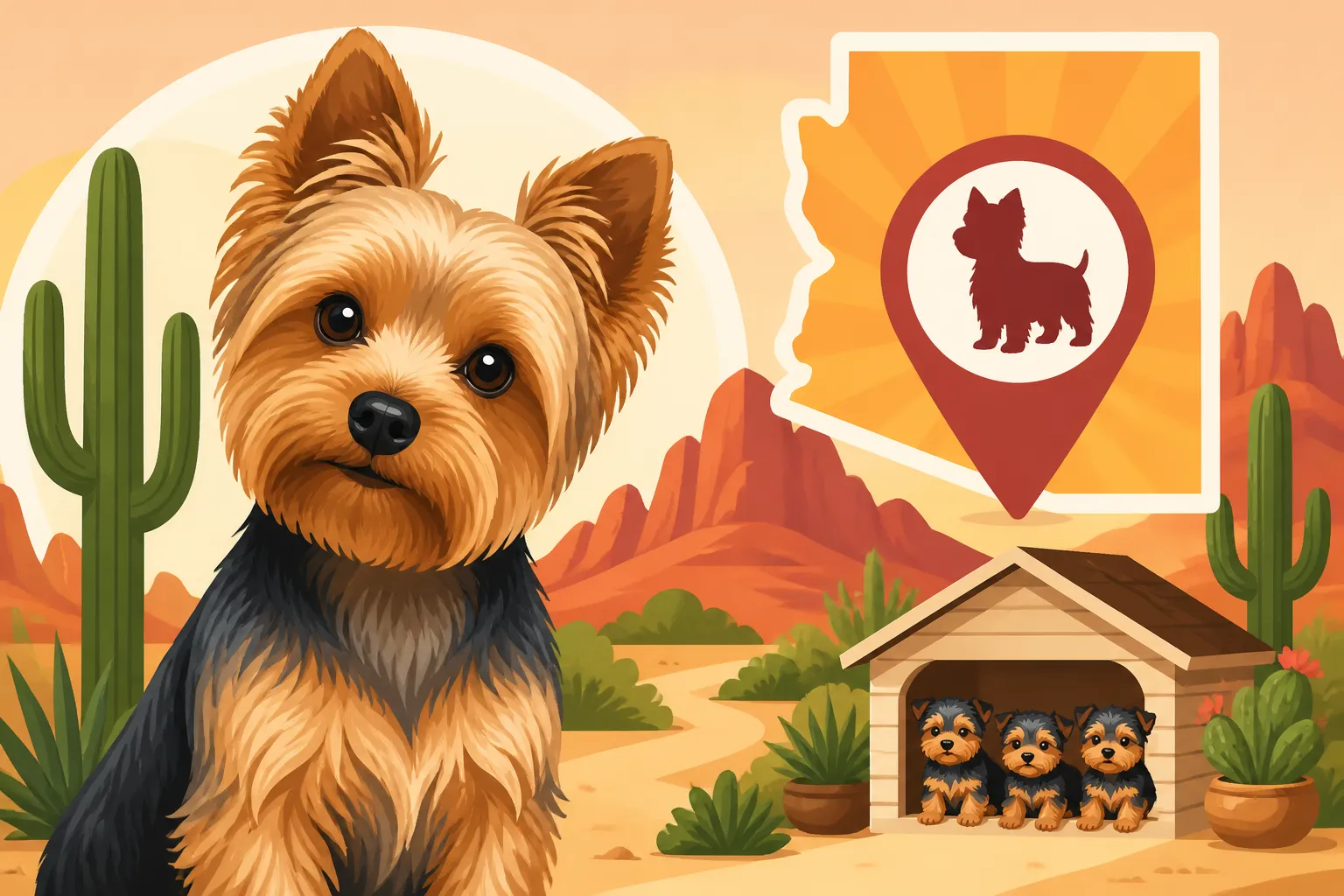
Where to Find Yorkie Breeders in Arizona
Bringing a new Yorkshire Terrier into your life is such an exciting time, but the journey to finding the right puppy or adult dog can feel really overwhelming, especially when you’re trying to navigate reputable sources in a specific state like Arizona. You’re probably wondering how to sort through all the online listings, avoid potential scams, and ensure you're connecting with someone who truly cares for their dogs' health and well-being. This comprehensive guide is here to walk you through the process of finding ethical Yorkie breeders in Arizona, offering insights into what to look for, what questions to ask, and even exploring adoption as a wonderful alternative.
Navigating the Search for a Yorkie Breeder in Arizona
Finding a responsible breeder, whether you're in a bustling city like Phoenix or a quieter area of Arizona, requires patience and a discerning eye. It’s not just about finding a puppy that’s cute; it’s about finding a puppy that’s been given the best start in life, both genetically and environmentally. The biggest frustration many prospective owners face is distinguishing between a truly dedicated breeder and someone who is simply breeding for profit without regard for the breed's health or temperament.
Understanding the Breeder Landscape
Arizona, like any other state, has a mix of breeders. You'll find everything from hobby breeders who are passionate about the Yorkshire Terrier breed standard, to backyard breeders who might have accidentally bred their pets, and unfortunately, even puppy mills masquerading as legitimate operations. It's easy to get swept up in the excitement of a cute puppy picture, but it's crucial to understand who you're dealing with. A hobby breeder usually breeds infrequently, has a deep knowledge of the breed, and is highly invested in placing their puppies in appropriate homes. They're not just selling a dog; they're expanding their canine family line and upholding the breed's integrity.
Backyard breeders, on the other hand, often lack extensive knowledge of genetics, health clearances, or proper socialization techniques. Their dogs might not have champion bloodlines, nor do they often invest in the rigorous health testing that helps prevent common Yorkshire Terrier health problems to know. While their intentions might not be malicious, their lack of expertise can lead to puppies with health or behavioral issues down the line. It's a risk you really don't want to take.
Initial Steps in Your Search
Your first step should always be to educate yourself about the Yorkshire Terrier breed. What are their typical temperament and personality traits? What are their specific health needs? Armed with this knowledge, you'll be better equipped to evaluate a breeder. Next, consider starting your search with established breed clubs. The Yorkshire Terrier Club of America (YTCA) is the national parent club, and they often have a directory of regional clubs or recommended breeders. While Arizona may not have its own standalone YTCA affiliate, connecting with the national club can lead you to reputable individuals in nearby states or those willing to ship responsibly.
You can also explore larger dog show circuits and events held in Arizona. For instance, the Scottsdale Dog Show or events hosted by the Arizona Kennel Club often feature various breeds, including Yorkshire Terriers. This offers a fantastic opportunity to meet breeders in person, observe their dogs, and ask questions face-to-face, which is always preferable to online-only interactions. It allows you to see the dogs' true demeanor, assess their grooming, and gauge the breeder's commitment to their animals.
Identifying a Responsible Yorkshire Terrier Breeder
Once you start finding potential breeders, your next challenge is to differentiate the good from the bad. This isn’t a quick process; it involves a lot of research, communication, and a keen eye for detail. Remember, an ethical breeder will want to screen you thoroughly, just as you should be screening them. It's a two-way street that ensures their beloved puppies go to suitable, loving homes.
Essential Health Clearances and Practices
A cornerstone of responsible breeding is health testing. Yorkshire Terriers are prone to certain genetic conditions, such as patellar luxation, Legg-Calve-Perthes disease, and liver shunts. A reputable breeder will actively work to minimize the risk of these issues by having their breeding dogs undergo specific health clearances from organizations like the Orthopedic Foundation for Animals (OFA) or the Canine Eye Registry Foundation (CERF, now part of OFA). They should be transparent about these results and willing to provide documentation. This is crucial for avoiding heartache and expensive vet bills down the line. To really dig into this, you might want to learn more about Common Yorkshire Terrier Genetic Conditions and Yorkshire Terrier Patellar Luxation: Signs and Care.
Beyond genetic testing, a good breeder ensures their dogs receive regular veterinary care, including vaccinations and deworming. They'll have a clean, safe, and stimulating environment for their puppies and adult dogs. This isn’t about fancy marble floors; it’s about hygiene, enrichment, and appropriate space. The puppies should be raised in a home environment, exposed to typical household sights and sounds, helping with their early socialization. They should also be on a proper Yorkie Vaccination Schedule when you pick them up.
Red Flags and Warning Signs
Sadly, not all breeders operate with integrity. There are definite red flags to watch out for. Be extremely wary of any breeder who won't allow you to visit their facility, meet the puppy’s parents (at least the mother), or observe the living conditions. Excuses like "the puppies are too young" or "we meet in a neutral location" are often smokescreens. A breeder who offers multiple breeds for sale, seems more interested in getting payment than asking about your home life, or has puppies readily available year-round is likely running a commercial operation or a puppy mill, not a dedicated breeding program.
Another red flag is a lack of a health guarantee. Ethical breeders stand by their dogs and will offer a written health guarantee, typically for a certain period, covering genetic defects. They should also require a spay/neuter contract for pet-quality puppies. If a breeder pushes for quick payment, won't provide references, or sells puppies without proper paperwork (like AKC registration for purebreds), turn and walk away. Understanding Yorkie Breeder Red Flags to Avoid can save you a lot of trouble.
Connecting with Arizona Yorkie Breeders and Asking the Right Questions
Once you’ve identified potential ethical breeders, it’s time to start communicating. This is where you gather critical information and build a rapport. Remember, your goal is to find a lifelong companion, not just a transaction.
What to Ask and What to Expect
When you reach out, be prepared with a list of questions. A responsible breeder will appreciate your thoroughness. Some key questions include:
- How long have you been breeding Yorkshire Terriers?
- What health clearances do you perform on your breeding dogs? Can I see the documentation?
- What is your philosophy on puppy socialization?
- How often do you breed your females?
- What kind of food do you feed your puppies and adult dogs? (This is a good point to mention specialized dog food providers. For their overall health, a balanced diet is crucial. Brands like Ollie offer fresh, human-grade food that can be a great option for a growing Yorkie.)
- What is included in the puppy's going-home package (vaccination records, deworming, microchip, food sample, health guarantee)?
- Do you have a waiting list, and what is the process?
- Can you provide references from previous puppy buyers or your veterinarian?
An ethical breeder will engage in a detailed conversation, answering your questions patiently and thoroughly. They should also ask you many questions about your lifestyle, living situation, experience with dogs, and what you’re looking for in a Yorkie. They're trying to ensure their puppies go to homes that match their needs and personalities. This extensive interview process is a sign of a good breeder, not an inconvenience. You can find more detailed questions in our guide on Questions to Ask a Yorkie Breeder.
Visiting a Breeder in Arizona
If a breeder passes your initial screening, arrange a visit to their home or kennel. This is your chance to see everything firsthand. Observe the environment: Is it clean? Do the dogs appear happy, well-fed, and well-socialized? Are the puppies playful, curious, and comfortable with human interaction? Pay attention to the mother dog; she should be present, in good health, and have a good temperament. If she seems shy, aggressive, or unhealthy, that's a cause for concern.
While you're there, also inquire about the puppy's parents' temperaments. A Yorkie's personality is heavily influenced by its parents. You'll want to choose a puppy from parents with stable, friendly dispositions. Don't be shy about spending time with the puppies and observing their interactions. This visit is critical for both you and the breeder to ensure a good match. Remember, the goal is to get a healthy, happy puppy that fits seamlessly into your life.
| Feature | Ethical Breeder | Backyard Breeder / Puppy Mill |
|---|---|---|
| Health Testing | Extensive genetic screening (OFA, CERF) for parents; provides documentation. | Little to no health testing; may make vague claims or dismiss its importance. |
| Environment | Clean, safe, stimulating home environment; puppies raised indoors. | Often unsanitary, cramped, or outdoor kennels; puppies lack socialization. |
| Parent Access | Allows visits to meet puppy's parents (especially mother) and see conditions. | Refuses visits, insists on meeting in public places, or only shows one parent. |
| Knowledge | Deep understanding of breed standard, genetics, health, and temperament. | Limited knowledge; focuses on selling puppies quickly. |
| Screening Process | Thoroughly interviews prospective buyers; cares deeply about puppy placement. | Minimal questioning; primarily interested in payment. |
| Health Guarantee | Provides a written health guarantee covering genetic issues. | No guarantee or a vague, unwritten promise. |
| Return Policy | Willing to take a dog back at any point if the owner cannot keep it. | No interest in the dog after the sale is complete. |
| Paperwork | Provides AKC registration papers, vaccination records, microchip info. | May delay papers, offer "limited" registration without explanation, or none. |
Before you bring your new family member home, don't forget to prepare your space. Our guide on How to Prepare Your Home for a Yorkie has some fantastic tips and a list of essentials. And when it comes to stocking up, online retailers like Chewy offer a vast selection of high-quality food, toys, and grooming supplies, making it easy to get everything you need delivered right to your door.
Considering Yorkshire Terrier Rescue and Adoption in Arizona
While many people dream of a puppy from a reputable breeder, adopting an adult Yorkshire Terrier or a mix from a rescue organization or shelter is a truly wonderful alternative that shouldn't be overlooked. In Arizona, there are several dedicated rescues and general animal shelters that often have Yorkies looking for their forever homes.
The Benefits of Adopting a Rescue Yorkie
Adopting a rescue dog comes with a unique set of advantages. Often, these dogs are already house-trained, spayed or neutered, and up-to-date on their vaccinations. Their personalities are usually well-established, so the rescue can provide a good idea of their temperament, energy level, and whether they'd be a good fit for your family, perhaps even with kids or other pets. Many rescue organizations provide foster homes for their dogs, giving them a chance to live in a family setting and allowing the foster parents to understand their quirks and needs.
The adoption fee for a rescue Yorkie is typically much lower than the price of a puppy from a breeder, and these fees usually cover the cost of veterinary care, food, and shelter while the dog was in their care. It's a hugely rewarding experience to give a deserving dog a second chance at happiness. If you’re considering this route, looking into Yorkie Rescue: How to Adopt can provide some excellent guidance.
Finding Yorkshire Terrier Rescues in Arizona
To find Yorkshire Terrier rescues in Arizona, start by searching online for breed-specific rescues, such as "Yorkie rescue Arizona" or "toy breed rescue Arizona." Organizations like the Arizona Small Dog Rescue or local branches of larger humane societies (e.g., Arizona Humane Society, Humane Society of Southern Arizona) often have Yorkies or Yorkie mixes available for adoption. Petfinder and Adoptapet are also excellent resources, allowing you to search for specific breeds in your area.
When working with a rescue, expect a thorough application process, including interviews, reference checks, and sometimes even a home visit. This is a good thing! It shows they are committed to finding the best possible match for their dogs. They want to ensure the dog goes to a loving, safe, and stable environment. Be open about your living situation and your experience with dogs, as this helps them recommend the most suitable companion for you. Even with a rescue, unexpected health issues can arise, making pet insurance from providers like Healthy Paws a wise consideration for your new companion. It's always best to be prepared for the financial aspects of dog ownership. For a complete picture of the potential costs, you might find our guide on the Cost of Owning a Yorkshire Terrier Per Month very helpful.
Ultimately, whether you choose to go with a responsible breeder or adopt a rescue, the goal is to find a healthy, happy Yorkshire Terrier who will bring immense joy to your life. Take your time, do your research, and don't rush the process. Your perfect Yorkie is out there waiting for you!
Disclaimer
The information provided in this article is for general informational purposes only and does not constitute veterinary advice. Always consult with a qualified veterinarian for any health concerns or before making any decisions about your pet's health or treatment.