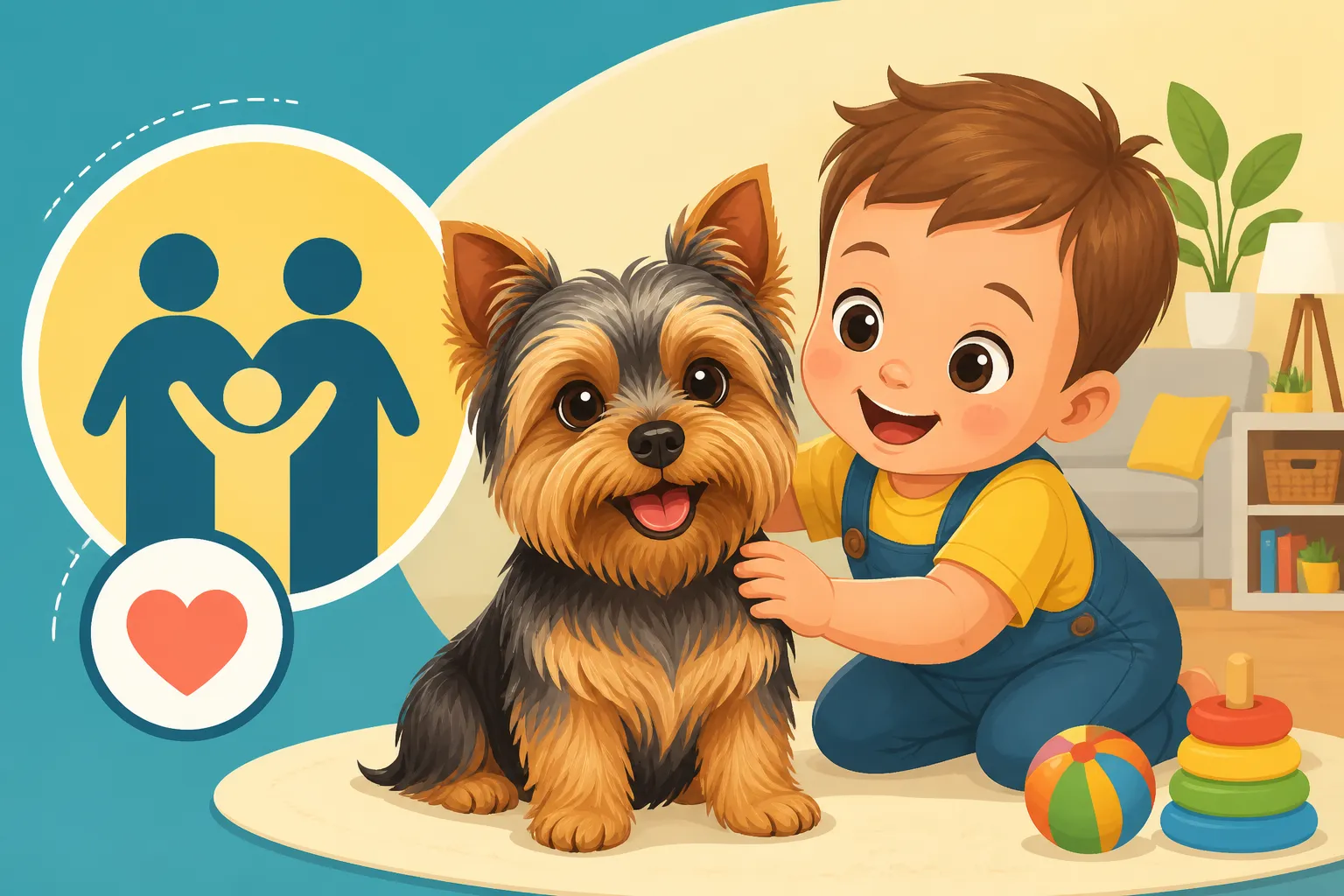
Are Yorkies Good for Families with Toddlers
Bringing a Yorkshire Terrier into a home with a toddler can feel like walking a tightrope – you adore both your tiny human and your pint-sized pup, but you’re worried about how their vastly different worlds will collide. It’s a common concern for many families, wondering if the spirited Yorkie can truly thrive alongside the unpredictable energy of a small child without stress or accidents. This comprehensive guide aims to unpack the realities of Yorkies and toddlers, offering realistic insights and actionable strategies to help create a harmonious household where both can flourish safely.
Understanding the Yorkie Temperament with Young Children
Let's be honest, Yorkshire Terriers are adorable, but their small size often belies a big, bold personality. They weren't bred to be docile lapdogs, but rather feisty ratters with a strong sense of self-importance. When you introduce this dynamic to a toddler, who is still learning about personal space and gentle handling, you can easily find yourself in a tricky situation. It's not about loving your dog less, but understanding their inherent traits to ensure everyone's safety and happiness.
The Yorkie's Fiery Spirit and Fragile Frame
Yorkies, despite their delicate appearance, possess a true terrier spirit. They are intelligent, tenacious, and can be quite vocal. This means they're not usually the type to silently endure roughhousing or accidental tugs from a curious toddler. If startled, hurt, or feeling threatened, a Yorkie might react by nipping or growling as a self-defense mechanism. It's not aggression born of malice, but an instinctive response to perceived danger, especially given their small stature. Think about it: a small dog sees a large, unpredictable human (even a tiny one) as a potential threat if not properly introduced and managed.
Beyond their temperament, their physical vulnerability is a major factor. A full-grown Yorkshire Terrier typically weighs between 4 to 7 pounds, making them incredibly fragile. A toddler, even one meaning well, can accidentally inflict serious injury. A dropped toy, a misstep, or an overly enthusiastic hug could lead to broken bones, internal injuries, or even worse. This isn't to scare you, but to emphasize the constant need for vigilance. Many Yorkie owners can attest to the heart-stopping moments when a larger person or child unknowingly comes too close, highlighting why safety precautions are paramount. For more on their physical characteristics, you might want to read our guide on Yorkshire Terrier Size, Weight, and Appearance.
Potential Behavioral Challenges with Toddlers
Yorkies can develop certain behavioral quirks that become amplified in a toddler-filled home. One common issue is resource guarding. This is when a dog becomes possessive of their toys, food, or even their favorite human, and may snap or growl if a toddler approaches these "resources." Imagine your Yorkie happily chewing on a new dental chew from Chewy, and your toddler, fascinated by the noise, tries to grab it. This could quickly escalate into a tense situation.
Another challenge can be jealousy. Yorkies often bond strongly with one or two individuals, and when a new "rival" like a baby or toddler enters the scene and commands a lot of attention, they might act out. They might bark excessively to get attention, or even revert to house-soiling as a way to express their distress or jealousy. For an in-depth look at this, our article on Why Do Yorkies Get Jealous could provide further insights. Their territorial barking can also be triggered by the loud, sudden noises toddlers make, leading to a constant state of arousal and stress for the dog, and frustration for the parents. These aren't insurmountable problems, but they require consistent management and training to prevent them from becoming entrenched habits.
Toddler Behavior and Yorkie Safety
It’s easy to focus on the dog’s behavior, but it’s equally, if not more, important to understand the capabilities and limitations of your toddler. Toddlers are delightful, curious, and developing rapidly, but they lack the fine motor skills, impulse control, and empathy to consistently interact safely with a small, fragile dog. Ignoring this crucial aspect can put both your child and your beloved Yorkie at risk.
The Unpredictable Nature of Toddlers
Toddlers are a whirlwind of unpredictable energy. Their actions are driven by curiosity and instinct, not always logic or caution. They might:
- Grab and Pull: A Yorkie's long, silky hair, ears, or tail can look like an irresistible handle to a toddler learning about textures and movement. An accidental pull can cause pain and instantly trigger a defensive reaction from the dog.
- Make Sudden Loud Noises: Squeals of delight, frustrated cries, or banging toys can be startling to a sensitive Yorkie, leading them to bark, cower, or nip out of fear.
- Lack Understanding of Personal Space: Toddlers haven't fully grasped the concept of personal boundaries, often invading a dog's space without warning, which can make the Yorkie feel cornered or threatened.
- Drop Things: Heavy toys, books, or even their own weight can inadvertently fall on a small Yorkie, causing severe injury.
- Interpret Interactions Differently: What a toddler sees as a playful chase, a Yorkie might perceive as a frightening pursuit.
These are not signs of a "bad" toddler, but simply normal developmental behaviors. However, they are precisely why constant, active supervision is non-negotiable when a Yorkie and a toddler are together.
Creating a Safe Environment for Both
Establishing clear boundaries and safe zones is paramount. This isn't about keeping them separate forever, but about structuring their interactions for success.
- Designated Safe Spaces for the Yorkie: Your Yorkie needs a sanctuary where they can retreat and feel completely safe from your toddler. This could be a cozy crate in a quiet room, a dog bed elevated on a table (inaccessible to the toddler), or an area cordoned off by a baby gate. This space should be respected by everyone in the family as the Yorkie's "do not disturb" zone. When the Yorkie is in their crate, they should be left alone, no exceptions. You can find excellent, sturdy baby gates and crates on Chewy that will help you create these safe spaces effectively.
- Supervised Interactions Only: Never leave your Yorkie and toddler unsupervised, even for a moment. This means if you need to answer the door or step away, either the dog or the child needs to be moved to a secure, separate area.
- Teaching Gentle Handling (for the Yorkie): Even before the toddler arrives or becomes mobile, gently habituate your Yorkie to being touched all over. Practice holding their paws, gently opening their mouth, and stroking their ears. Reward calm behavior with praise and treats. This helps build their tolerance for handling, which can reduce their startle response if a toddler accidentally grabs them. Our guide on How to Train a Yorkshire Terrier offers valuable tips that can be applied here.
Strategies for Successful Coexistence
It's not enough to just separate them; the goal is to create a dynamic where they can comfortably coexist and, ideally, even share some gentle moments. This requires proactive effort on your part, focusing on training both your Yorkie and your toddler.
Training and Socialization are Key
A well-trained and well-socialized Yorkie is much more likely to adapt to a bustling family environment.
- Early Socialization for the Yorkie: If you have a Yorkie puppy, expose them to a variety of sights, sounds, and gentle experiences, including children (under strict supervision, of course), from a young age. This helps them grow into a confident, resilient adult dog less prone to fear-based reactions. Enrolling in puppy classes can be incredibly beneficial. For more on this, check out How to Socialize a Yorkshire Terrier and Yorkie Puppy Training Schedule.
- Obedience Training: Basic commands like "sit," "stay," "come," and especially "leave it" are invaluable. "Leave it" can be a lifesaver if your toddler approaches a forbidden item or even if your Yorkie is about to pick up something they shouldn't. Consistent positive reinforcement training builds a strong bond and helps your Yorkie understand expectations. Even a stubborn Yorkie can learn with patience, as detailed in How to Train a Stubborn Yorkie.
- Crate Training: A well-crate-trained Yorkie views their crate as a safe, comfortable den, not a punishment. This is their ultimate retreat from toddler chaos. Ensure the crate is a positive place filled with comfy bedding and toys.
Educating Your Toddler
This is arguably the most challenging but crucial part. Toddlers learn through repetition and modeling.
- Teaching Gentle Interactions: Constantly model and narrate how to interact with the Yorkie. "Soft hands," "gentle touches," and "quiet voice" should be your mantras. Physically guide your toddler's hand for gentle strokes on the dog's back, away from their face or tail.
- Understanding Dog Body Language: As your toddler gets a little older, teach them basic dog body language. Explain that if the dog walks away, hides, or shows the whites of their eyes, they need space.
- "No Means No" (for the Dog): Teach your toddler that when the dog walks away, it means "no" and they should respect that boundary. You can reinforce this with visual cues, like having a special mat or bed for your Yorkie that means "leave me alone."
- Constant Adult Supervision: This cannot be stressed enough. Until your toddler is much older and consistently demonstrates an understanding of how to interact safely, an adult must be actively present and engaged during all interactions. This isn't just about preventing bites, but also preventing accidental injuries to your fragile Yorkie.
Providing a Safe Retreat
Beyond training, providing physical escape routes and safe zones is critical for your Yorkie's well-being.
- Dog-Proofed Spaces: Just as you child-proof your home, you need to dog-proof it from your toddler. Ensure there are always elevated spots the Yorkie can jump onto, like a sturdy chair or a dog bed on a table, that are out of the toddler's reach. Use baby gates to section off areas where the Yorkie can relax without being disturbed.
- Consistent Routines: Yorkies thrive on routine. A predictable schedule for feeding, walks, and playtime can help them feel secure, even amidst the chaos of a toddler. This predictability reduces anxiety and makes them less likely to react negatively to disruptions.
Alternative Considerations and When to Reassess
While many families successfully integrate Yorkies with toddlers, it's important to be realistic about the challenges and acknowledge that it might not be the right fit for every situation. Sometimes, despite your best efforts, the personalities simply don't mesh, or the risks remain too high.
Are There Better Breeds for Toddlers?
When considering a dog for a family with toddlers, many experts recommend breeds known for their patience, larger size (making them less fragile), and higher tolerance for accidental bumps and grabs. Breeds like Golden Retrievers, Labradors, or Beagles often rank higher for families with very young children due to their generally more forgiving nature. This isn't a knock on Yorkies, but rather an acknowledgment of their inherent traits. Their small size and spirited terrier personality mean they require a higher level of vigilance and management in a home with toddlers compared to some other breeds. It’s a matter of safety and managing expectations.
When to Seek Professional Help
If, despite implementing all the strategies, you find yourself constantly stressed, or if your Yorkie is exhibiting persistent fear, aggression (even mild nipping or growling), or significant anxiety around your toddler, it’s time to call in the professionals.
- Veterinarian Check-up: First, rule out any underlying medical issues. Pain or discomfort can make any dog irritable and more prone to snapping. A visit to your vet is always a good starting point. You can read about Yorkie Emergency Symptoms to Never Ignore for guidance on serious concerns.
- Certified Professional Dog Trainer (CPDT) or Behaviorist (CDBC): These experts can assess your specific situation, observe the interactions between your Yorkie and toddler, and provide tailored guidance. They can help you understand your Yorkie’s body language, develop targeted training plans, and offer strategies for safe management. Sometimes, just having an objective third party observe the dynamics can provide invaluable insights. They can help you implement positive reinforcement techniques or suggest specific tools like calming chews available on Chewy if anxiety is a major factor.
It's a huge responsibility to ensure the safety and well-being of both your child and your pet. If a professional advises that the combination is not safe, or if you consistently feel unable to manage the risks, making difficult decisions might be necessary. This could involve rehoming the Yorkie to a home without small children, or, in extreme cases, reassessing your family's readiness for a dog at this stage of your children's development.
| Toddler Behavior Trait | Potential Yorkie Reaction | Safety Strategy for Parents | Recommended Supplies (e.g., from Chewy) |
|---|---|---|---|
| Grabbing/Pulling | Nipping, growling, fear, pain | Constant direct supervision; teach "soft hands" | Baby gates, secured safe spaces, playpens for Yorkie |
| Loud Noises | Barking, cowering, anxiety | Provide quiet retreat space; desensitize Yorkie | Sound-absorbing dog bed, calming diffuser |
| Invading Space | Retreating, growling, snapping | Enforce "leave me alone" rule for Yorkie's space | Crate with cover, elevated dog bed |
| Dropping Objects | Injury, fear | Never leave unsupervised; clear play areas | Durable, lightweight dog toys (soft materials) |
| Running/Chasing | Fear, defensive nipping, over-stimulation | Teach "gentle play"; use leash for controlled walks | Indoor agility toys, puzzle feeders |
Disclaimer
This article is intended for informational purposes only and does not substitute for professional veterinary advice. Always consult with a qualified veterinarian or certified dog behaviorist regarding your specific pet's health and behavioral needs.