Red-Legged Yorkshire Terrier: What to Know
It's completely normal to wonder about the unique quirks and features of our beloved Yorkshire Terriers, especially when you come across terms like "red-legged." This description often sparks curiosity, making you question if your furry companion is a rare variant or if there's something specific you should know. This guide is here to demystify what it means when someone refers to a "red-legged" Yorkie, explain the beautiful variations in their coats, and offer practical advice on celebrating and caring for your dog's distinctive coloring.
Understanding Yorkshire Terrier Coat Colors
The hallmark of a Yorkshire Terrier's beauty often lies in their magnificent coat. However, what starts as a certain color in puppyhood doesn't always stay that way, leading to fascinating transformations that can sometimes appear quite different from the "standard" descriptions. It's a journey of discovery for many Yorkie parents!
The Standard Yorkshire Terrier Color Palette
When we talk about official breed standards, a Yorkshire Terrier's coat color is quite specific. The American Kennel Club (AKC) standard, for instance, describes mature Yorkies as having a "steel blue" body with "rich tan" markings. This "steel blue" isn't a solid color like a dark navy; it’s more of a dark, glossy, grayish-blue, often found on the body from the back of the head to the tip of the tail. The "rich tan" or "golden tan" is typically seen on their head, chest, and legs. It's this tan that can show a wonderful array of shades, sometimes leaning towards a vibrant, almost reddish hue. You won't find official categories like "red-legged" in the breed standard because it's considered a variation within the tan spectrum. For a deeper dive into the breed's characteristics, you might find our article on the useful, a great resource.
It’s crucial to understand that these colors aren't always sharply defined. The transition between the blue and tan can be quite blended, and the intensity of the tan can vary significantly from one Yorkie to another, even within the same litter. Some might have a pale, almost creamy tan, while others sport a deep, fiery gold. This natural variation is part of what makes each Yorkie so unique and endearing.
How Yorkie Colors Develop Over Time
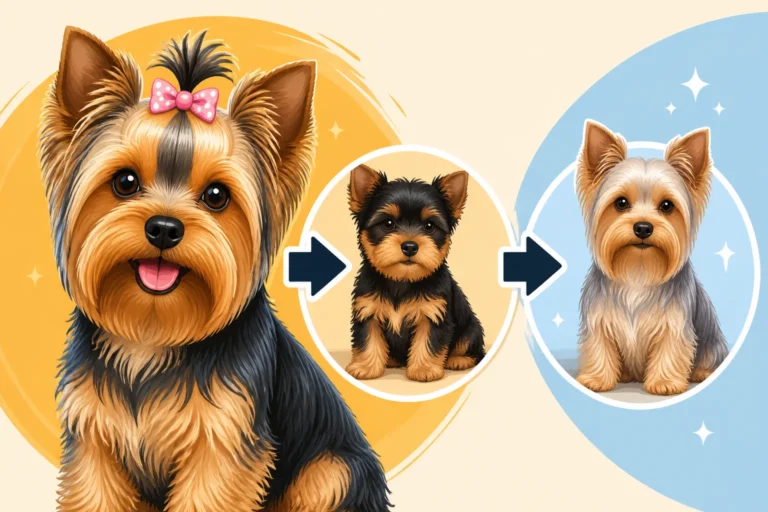
One of the most remarkable aspects of a Yorkshire Terrier's coat is its development. Yorkie puppies are not born with their adult "steel blue" and "rich tan" coats. Instead, they typically arrive sporting a black and tan coat. Yes, black! The process of their coat changing from black to the characteristic blue is often called "blueing" or "breaking," and it’s a gradual transformation that can take anywhere from a year to three years, or even longer, to fully complete.
During this "blueing" period, the black hair slowly lightens and takes on the steel blue shade. Simultaneously, the tan areas on their face, chest, and legs often intensify in color. This is where the "red-legged" appearance can come into play. As the tan deepens, some Yorkies develop such a vibrant, rich tan that it indeed looks reddish, especially on their legs. It's not an indication of a mixed breed or a health issue, but rather a beautiful expression of their genetic makeup. Think of it like a beautiful sunset – the colors can range from soft yellow to fiery orange and red, all variations of the same underlying light. This complex genetic dance is just one of the many reasons why these tiny dogs hold such a special place in our hearts.
What Exactly Is a "Red-Legged" Yorkshire Terrier?
When people talk about a "red-legged" Yorkshire Terrier, they're describing a visual characteristic rather than an official breed classification. It’s a descriptive term born from observation, not from a specific genetic marker or a distinct variant of the breed.
Common Misconceptions and Terminology
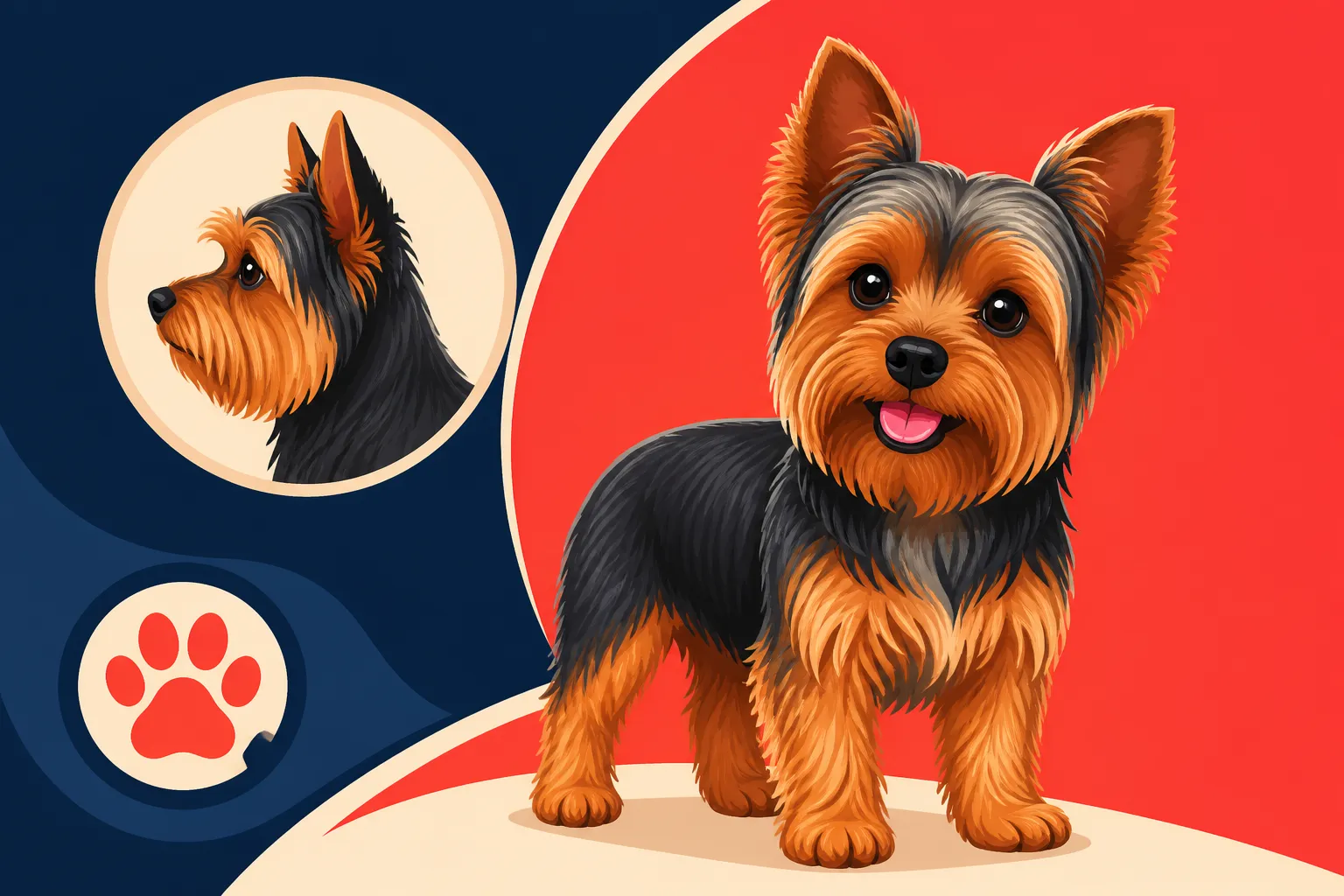
The term "red-legged" is largely informal. You won't find it in official breed standards or recognized by major kennel clubs as a distinct type of Yorkshire Terrier. This can be a source of confusion for new Yorkie owners or those researching the breed, who might stumble upon the term and wonder if their dog is something unusual. Rest assured, a "red-legged" Yorkie is simply a Yorkshire Terrier whose tan markings, particularly on their legs, have a notably rich, deep, and sometimes reddish-gold hue. It’s still part of the standard "tan" coloration, just on the more vibrant end of the spectrum.
Often, people confuse variations in color with different breeds or "designer" dogs. While there are other terrier breeds with more prominent red or reddish-brown markings, and many Yorkie mixes like the Morkie: Yorkshire Terrier Mix Guide or Yorkiepoo: Yorkshire Terrier Mix Guide can have a wide array of colors, a purebred Yorkshire Terrier exhibiting "red legs" is simply showcasing a beautiful natural variation of its tan points. It's not a separate breed, nor does it imply a health concern related to color. It’s simply a stunning manifestation of their genetic inheritance, much like how human hair can range from blonde to deep auburn.
Explaining the "Red" Hues in Yorkie Coats
So, why do some Yorkies have this more intense, reddish tan? It all comes down to genetics and the type of pigment their hair follicles produce. There are two primary types of melanin that determine coat color in dogs: eumelanin (which produces black and brown pigments) and pheomelanin (which produces red and yellow pigments).
In Yorkshire Terriers, the "blue" parts of their coat are a diluted form of black eumelanin, while the "tan" parts are produced by pheomelanin. The intensity of this pheomelanin can vary widely. Some Yorkies are genetically predisposed to produce a higher concentration of the richer, more reddish form of pheomelanin in their tan areas. This results in those striking, almost copper-toned legs, faces, and chests that some describe as "red-legged." It's the same genetic mechanism that causes some golden retrievers to have a pale cream coat while others have a deep, rich fox-red coat – all variations of pheomelanin expression. This intensity can also sometimes be influenced by other genes that modify or enhance pigment. So, if your Yorkie has those fiery legs, it’s just a testament to their unique genetic beauty!
Factors Influencing Yorkie Coat Color Intensity
The depth and vibrance of your Yorkie's tan, including those rich "red-legged" tones, aren't just a roll of the genetic dice. Several factors can play a role in how these colors manifest and are maintained throughout their lives.
Genetics and Breeding
The primary determinant of your Yorkie's coat color intensity, including the reddish hues, is genetics. Responsible breeders carefully consider the lineage of their dogs, understanding that the genes for coat color are passed down from parents to offspring. If a Yorkie has parents with particularly rich, deep tan markings, it's more likely that their puppies will also inherit those same vibrant characteristics. This is why some lines of Yorkshire Terriers might consistently produce dogs with very dark, almost mahogany tan points, while others produce lighter, more golden shades.
However, genetics are complex, and recessives genes can always throw a "surprise" color or intensity. Sometimes, a puppy from parents with average tan markings might still develop an exceptionally rich, "red-legged" tan, demonstrating the fascinating variability within the breed. This genetic interplay is a huge part of what makes each individual dog a true original. When looking for a puppy, an ethical breeder can often give you an idea of what to expect based on the parents' coat development, though there are never any guarantees until the "blueing" process is complete.
Environmental and Nutritional Impacts
While genetics lay the foundation, environmental factors and nutrition can certainly influence the appearance and health of your Yorkie's coat, which in turn can affect how vibrant or "red" those tan areas look.
For example, exposure to sunlight can sometimes lighten or oxidize hair, potentially making redder tones appear more faded over time, similar to how human hair can get sun-bleached. Conversely, a healthy, well-nourished coat will always look its best, reflecting light and making colors appear richer. A diet rich in essential fatty acids, like Omega-3 and Omega-6, can contribute to a shiny, healthy coat, which naturally enhances its color and luster. Brands like Chewy offer a wide range of premium dog foods and supplements that are formulated to support skin and coat health. Selecting a high-quality food, such as Royal Canin Yorkshire Terrier Adult Dry Dog Food, can make a noticeable difference in the overall vibrancy and condition of their hair. Our guide on Best Dog Food for Yorkshire Terriers has more detailed recommendations.
Regular grooming is another crucial factor. A clean, well-maintained coat, free from mats and dirt, will always present its colors more vibrantly. Using appropriate shampoos and conditioners for long-haired breeds helps maintain coat health and prevents dullness. For instance, you can find excellent grooming supplies on Chewy that cater specifically to the delicate and unique needs of a Yorkie’s coat, such as conditioning shampoos from Earthbath or Burt's Bees.
Caring for a Yorkshire Terrier with Unique Coat Tones
Regardless of whether your Yorkie has standard tan or those striking "red-legged" hues, proper care is essential to keep their coat healthy, shiny, and beautiful.
Maintaining Coat Health and Luster
The long, silky coat of a Yorkshire Terrier is one of its most defining features, and it requires diligent care. This is especially true for dogs with vibrant tan or "red-legged" markings, as a healthy coat will make these colors truly pop.
Regular brushing is paramount to prevent mats and tangles, which can not only be uncomfortable for your dog but can also obscure the beauty of their coat. Aim for daily brushing, using a pin brush and a metal comb to work through their long hair. For guidance on techniques, check out our article on How to Brush a Yorkie's Coat. Bathing should typically be done every 2-3 weeks, or as needed, using a gentle, moisturizing shampoo specifically designed for dogs. You can find a wide selection of these products, including sulfate-free and hypoallergenic options, at retailers like Chewy. After bathing, always use a good conditioner to keep the coat soft and prevent breakage, which is vital for maintaining that luxurious texture and vibrant color. Proper conditioning also makes the hair easier to brush, reducing shedding and potential skin irritation. For more in-depth advice, our comprehensive guide on Yorkshire Terrier Grooming Guide is an invaluable resource.
Recognizing Health Implications of Coat Color
It’s important to reiterate that "red-legged" is a descriptive term for a shade of tan, not a separate genetic condition or a sign of illness. Therefore, having a Yorkie with particularly rich, reddish tan markings does not inherently come with any specific health implications related to color.
However, maintaining overall health is crucial for a vibrant coat, regardless of its color. A dull, brittle, or thinning coat can sometimes be a sign of underlying health issues, such as nutritional deficiencies, allergies, hormonal imbalances, or skin conditions. If you notice any significant changes in your Yorkie's coat quality or color (beyond the normal "blueing" process), it's always a good idea to consult your veterinarian. They can help rule out any medical causes and ensure your dog is getting all the nutrients they need.
Ensuring your Yorkie receives a balanced diet, regular exercise, and routine veterinary check-ups are the best ways to support their overall well-being, which in turn reflects in a healthy, lustrous coat. Don't forget to keep up with their vaccination schedule and be aware of Common Yorkshire Terrier Genetic Conditions that might require specific care, though none are directly linked to coat color variations like "red-legged." Paying attention to their Yorkshire Terrier Daily Care Routine can also help you spot any subtle changes early on.
Yorkshire Terrier Coat Color Tones
| Feature / Color Aspect | Standard Tan Markings (Typical) | "Red-Legged" Appearance (Vibrant Tan) |
|---|---|---|
| Description | Golden-tan, light to medium shade | Deep, rich golden-red to mahogany-tan |
| Location | Head, chest, lower legs, underside of tail | Head, chest, lower legs, underside of tail (more intense) |
| Breed Standard Status | Recognized as "rich tan" | Recognized as "rich tan" (an intense shade within it) |
| Genetic Basis | Pheomelanin pigment production | Higher concentration/intensity of pheomelanin pigment |
| Development | Develops from black/tan puppyhood | Becomes more pronounced as puppy black "blues out" |
| Health Implications | None | None |
| Care Considerations | Regular grooming for coat health | Regular grooming to maintain luster and prevent fading |
| Common Perception | Classic Yorkie look | Distinctive, often admired for its vibrancy |
Disclaimer
The information provided in this article is for general informational purposes only and is not intended as a substitute for professional veterinary advice. Always consult with a qualified veterinarian for any health concerns or before making any decisions about your pet's health or treatment.