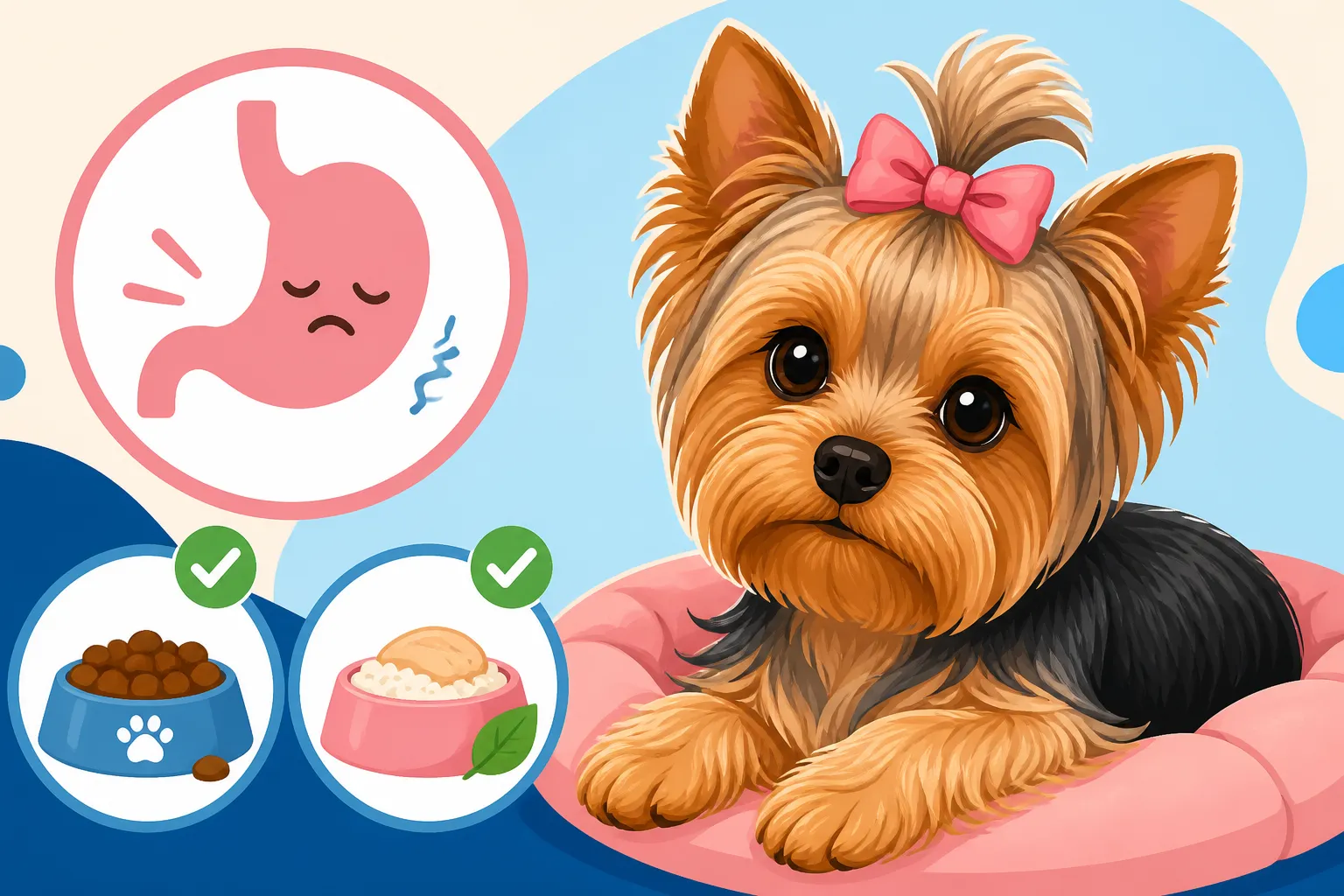
How to Manage a Yorkie’s Sensitive Stomach
It’s truly disheartening when your little Yorkshire Terrier, usually so full of life and bounce, starts showing signs of an upset tummy. You might notice them turning their nose up at their dinner, experiencing uncomfortable bloating, or having bouts of diarrhea or vomiting, and it leaves you feeling helpless and worried. This guide is dedicated to helping you understand, manage, and ultimately soothe your Yorkie’s sensitive stomach, ensuring they can get back to their happy, healthy selves.
Understanding Your Yorkie's Sensitive Stomach
Yorkshire Terriers, despite their robust personalities, can be prone to sensitive digestive systems. Their small size often means their bodies react more intensely to dietary changes, stress, or minor irritants that a larger dog might easily brush off. Recognizing the signs and understanding the potential triggers is the first step in providing them with the comfort and care they need.
Common Symptoms to Look For
It can be tough to pinpoint exactly what’s bothering your tiny companion, but paying close attention to their behavior and physical cues can give you vital clues. If your Yorkie is suffering from a sensitive stomach, you might observe a range of symptoms, some subtle, others more pronounced. One of the most common signs is a change in appetite; they might suddenly become a picky eater, turning away from food they normally gobble up, or even refusing to eat altogether for a meal or two. Another tell-tale sign is digestive distress like vomiting or diarrhea. While an occasional upset might not be a huge concern, persistent or severe episodes warrant immediate attention.
Beyond these, look for changes in their stool consistency – it might be softer than usual, contain mucus, or even a small amount of blood. Flatulence, excessive burping, or a gurgling stomach can also indicate discomfort. Sometimes, the signs are behavioral; your Yorkie might seem lethargic, withdrawn, or even restless and unable to find a comfortable position. They might lick their lips excessively, indicating nausea, or stretch frequently in a "prayer position" (front paws down, rear end up), which is a classic sign of abdominal pain. Keeping a mental note, or even a small journal, of when these symptoms occur can be incredibly helpful when you consult your veterinarian.
Potential Causes of Gastrointestinal Upset
The reasons behind a Yorkie’s sensitive stomach can be numerous, ranging from simple dietary indiscretions to more serious underlying health conditions. Often, it's something as straightforward as a sudden change in their dog food. Their digestive systems thrive on consistency, so switching brands or even flavors too quickly can throw them off balance. Eating something they shouldn't have, like scraps from the table, a dropped piece of human food, or even scavenging in the yard, is another frequent culprit. These small breeds are notorious for their curiosity and tiny mouths that can get into surprisingly problematic items.
Beyond food, stress can play a significant role. Yorkies are sensitive creatures, and changes in routine, a new environment, separation anxiety, or even loud noises can manifest as digestive upset. Underlying health issues are also a possibility, though less common for temporary bouts. Conditions like pancreatitis, inflammatory bowel disease (IBD), food allergies, or even parasites can contribute to chronic sensitive stomach issues. For a deeper dive into common health concerns, you can read more about Yorkshire Terrier Health Problems to Know. It's crucial to rule out these more serious problems with your vet, especially if symptoms persist or are severe.
Dietary Strategies for a Sensitive Yorkie
Once you suspect your Yorkie has a sensitive stomach, the most impactful changes you can make revolve around their diet. A carefully selected diet can alleviate symptoms and prevent future flare-ups, turning mealtime from a source of worry into a source of wellness. It’s all about finding what works best for your individual pup and sticking with it.
Choosing the Right Food
Selecting the appropriate food is paramount for a Yorkie with a sensitive stomach. The goal is to find something easily digestible, with limited ingredients, and free from common allergens or irritants. Look for foods labeled "sensitive stomach" or "limited ingredient diet" (LID). These typically feature a single source of animal protein, like lamb or duck, and easily digestible carbohydrates such as sweet potato or rice, avoiding common triggers like corn, wheat, or soy. Brands like Hill's Science Diet, Royal Canin, and Purina Pro Plan often have veterinary-formulated sensitive stomach options that many pet parents find effective. Some even offer novel protein diets, which use less common protein sources to reduce allergic reactions.
Consider both wet and dry food options. Wet food can be more palatable and easier to digest for some Yorkies, particularly if they’re also experiencing dental issues. However, high-quality dry kibble designed for small breeds with sensitive stomachs can also be excellent. When introducing a new food, do it gradually over 7-10 days, mixing increasing amounts of the new food with decreasing amounts of the old. This slow transition helps their system adapt without further upset. You can find a wide variety of these specialized foods, along with helpful customer reviews, on platforms like Chewy, making it easier to compare and select the best fit for your furry friend.
The Importance of a Consistent Feeding Schedule
Just as important as what you feed your Yorkie is how and when you feed them. A consistent feeding schedule provides stability for their digestive system and can significantly reduce instances of upset. Instead of free-feeding, where food is left out all day, aim for two to three small, portion-controlled meals spread throughout the day. This prevents their stomach from becoming overly full or staying empty for too long, both of which can trigger discomfort. For puppies, more frequent small meals are often necessary to prevent issues like Yorkshire Terrier Hypoglycemia: Signs and Care.
Stick to the same meal times each day. For example, if you feed at 8 AM, 1 PM, and 6 PM, try to maintain that routine as much as possible, even on weekends. This regularity helps regulate their metabolism and digestive enzymes. Always provide fresh, clean water alongside their food. Small breed dogs are prone to dehydration, which can exacerbate stomach issues. If your Yorkie is a notoriously picky eater, a consistent schedule can also help establish a routine where they understand when food is available, reducing tendencies to hold out for better options. For more detailed guidance, explore a Yorkshire Terrier Feeding Guide by Age.
Safe Treats and Supplements
Even with a perfectly balanced diet, treats are a part of a Yorkie's life, and choosing them wisely is crucial. Many commercial dog treats contain fillers, artificial flavors, and preservatives that can be highly irritating to a sensitive stomach. Opt for single-ingredient treats like dehydrated sweet potato, small pieces of cooked lean chicken, or specific sensitive stomach dog treats. Brands like Greenies offer dental chews designed for sensitive digestion, which can be a good option for oral health without upsetting their tummies.
Supplements can also play a supportive role. Probiotics, for example, can help replenish beneficial gut bacteria, promoting better digestion and gut health. Always consult your veterinarian before adding any supplements to your Yorkie’s regimen to ensure they are appropriate and correctly dosed. Some popular choices can be found on sites like Amazon, but vet advice is always best. For pups struggling with nutrient absorption, a fresh food diet like Ollie, specifically formulated with human-grade ingredients, might also be a viable option, often proving easier on delicate digestive systems due to its minimal processing and high digestibility.
Lifestyle Adjustments and Veterinary Support
While diet is a huge piece of the puzzle, managing a Yorkie's sensitive stomach also involves looking at their overall environment and knowing when it's time to bring in the professionals. Sometimes, external factors contribute just as much to digestive upset as the food they eat.
Stress Reduction and Environment
Yorkies are tiny dogs with big personalities, but they can also be quite susceptible to stress and anxiety, which can manifest as digestive problems. Think about their environment: Is it generally calm and predictable, or is there a lot of commotion, loud noises, or frequent changes? Creating a stable, safe, and quiet space for your Yorkie can make a significant difference. This might mean giving them their own cozy bed in a low-traffic area, ensuring a consistent daily routine, and providing plenty of opportunities for gentle exercise and mental stimulation to burn off nervous energy.
If your Yorkie experiences separation anxiety, which is common in the breed, this can absolutely contribute to an upset stomach. Gradual training, leaving them with comforting toys or an item of your clothing, and avoiding overly dramatic goodbyes and hellos can help. Consider if there have been any recent changes – a new pet, a move, or a change in your work schedule – that could be causing anxiety. Addressing these underlying stressors, often with behavior modification techniques or even calming pheromone diffusers, can lead to a calmer gut. Many Yorkies thrive on routine, so consistent walk times, feeding times, and play sessions create a sense of security that their sensitive systems appreciate.
When to Seek Professional Veterinary Advice
While minor stomach upsets can often be managed at home with bland diets and rest, there are definite red flags that indicate it's time to call your veterinarian. If your Yorkie is experiencing persistent vomiting (more than once or twice in 24 hours), severe diarrhea, bloody stools, extreme lethargy, or signs of pain (like yelping when touched or the "prayer position" mentioned earlier), don’t delay. These can be symptoms of more serious conditions such as pancreatitis, ingestion of a foreign object, or severe infections, which require immediate medical attention. Remember that small breeds can dehydrate very quickly, making even moderate vomiting or diarrhea a potentially serious issue.
Your vet can perform a thorough examination, which might include blood tests, stool samples, or imaging (like X-rays or ultrasound) to diagnose the underlying cause. They can also prescribe appropriate medications to alleviate symptoms, such as anti-nausea drugs or probiotics specific for dogs. Never give your Yorkie human medications without explicit veterinary guidance, as many are toxic to dogs. Establishing a good relationship with a vet who understands the unique needs of small breeds is invaluable, especially for navigating complex issues like managing a Yorkshire Terrier Pancreatitis: Signs and Care diagnosis.
Long-Term Management and Prevention
Managing a Yorkie's sensitive stomach is often an ongoing process, requiring vigilance and adaptability. It's not usually a one-time fix but rather a commitment to their well-being through careful monitoring and proactive prevention.
Monitoring and Adjusting Over Time
Your Yorkie's digestive needs can change over their lifespan, so what worked perfectly when they were a puppy might not be ideal as an adult or senior. Regularly observe their stool quality, appetite, and energy levels. If you notice a decline or a recurrence of sensitive stomach symptoms, it’s an indication that adjustments might be needed. This could involve trying a different sensitive stomach food formula, re-evaluating their treat intake, or even introducing a probiotic supplement if not already in use.
Keep an open dialogue with your veterinarian, especially during routine check-ups. Discuss any subtle changes you've observed, even if they don't seem like an emergency. Your vet can provide guidance on when to consider a diet change, suggest specific brands known for their digestibility, or recommend further diagnostics if necessary. They might also suggest specialized diets for Yorkshire Terrier Food For Sensitive Stomach that are prescription-only, offering tailored nutritional support.
Preventing Future Upset
Prevention is truly the best medicine when it comes to sensitive stomachs. Here are some key strategies to minimize future episodes:
- Strict Dietary Control: Avoid feeding table scraps, even small ones. Many human foods are too rich, fatty, or even toxic for Yorkies. Educate everyone in your household about this rule.
- Gradual Food Transitions: If you ever need to change your Yorkie's food, do it slowly over 7-10 days to allow their digestive system to adapt.
- Appropriate Treats: Stick to single-ingredient, easily digestible treats or specific sensitive stomach options.
- Environmental Management: Keep hazardous items (toxic plants, chemicals, small objects they could ingest) out of reach. Supervise them closely outdoors to prevent scavenging.
- Regular Vet Check-ups: Consistent veterinary care helps catch potential issues early, before they escalate into severe stomach problems.
- Stress Reduction: Maintain a calm home environment and consistent routine to minimize stress-induced digestive upset.
- Proper Hydration: Always ensure fresh water is available. Dehydration can worsen digestive issues.
By staying proactive and attentive to your Yorkie's needs, you can significantly improve their quality of life and help them enjoy their meals and days without the discomfort of a sensitive stomach. It's a journey, but a rewarding one, ensuring your tiny companion thrives.
| Symptom Category | Common Indicators | Potential Management Steps | When to See a Vet |
|---|---|---|---|
| Appetite Changes | Loss of appetite, picky eating, refusing meals | Bland diet (boiled chicken/rice), offer small, frequent meals | If refusing food for >24 hours, or if accompanied by other severe symptoms |
| Vomiting | Regurgitation, throwing up food/bile, retching | Withhold food for 12 hours (puppies shorter), offer small sips of water, then bland diet | More than twice in 24 hours, persistent retching, blood in vomit, lethargy |
| Diarrhea | Loose, watery stools, frequent defecation, mucus, straining | Bland diet, ensure constant access to fresh water, temporary probiotic | Lasts more than 24 hours, black/tarry stools, bloody diarrhea, signs of pain |
| Abdominal Discomfort | Bloating, gas, gurgling sounds, "prayer position," restlessness | Gentle belly massage (if tolerated), warmth, bland diet | Persistent pain, hunched posture, distended abdomen, yelping |
| Behavioral Changes | Lethargy, withdrawal, excessive licking lips (nausea) | Rest, quiet environment, assess for stressors | Severe lethargy, disorientation, unresponsiveness, collapse |
Disclaimer
This article provides general information and guidance. It is not a substitute for professional veterinary advice. Always consult your veterinarian for any health concerns or before making changes to your Yorkshire Terrier's diet or care routine.