How to Do a Yorkie Bows
Trying to tie a dainty bow on your lively Yorkshire Terrier can sometimes feel like a high-stakes game of "pin the tail on the donkey," especially when they're wiggling or the tiny elastic slips from your fingers. Many Yorkie parents want their furry friends to look adorable, but they also want to ensure comfort and practicality. This comprehensive guide will walk you through everything you need to know, from choosing the right bow to mastering the perfect top knot, ensuring your Yorkie looks stylish and feels great.
Why Yorkie Bows Are More Than Just Adornment
When you see a Yorkshire Terrier sporting a neat top knot adorned with a cute bow, it’s easy to just think of it as a fashion statement. And yes, they do look incredibly charming! But there’s a much deeper, more practical reason why many Yorkie owners choose to incorporate bows into their dog's grooming routine. It’s about more than just aesthetics; it's about their health and comfort.
Beyond Aesthetics: Practical Benefits of a Top Knot and Bow
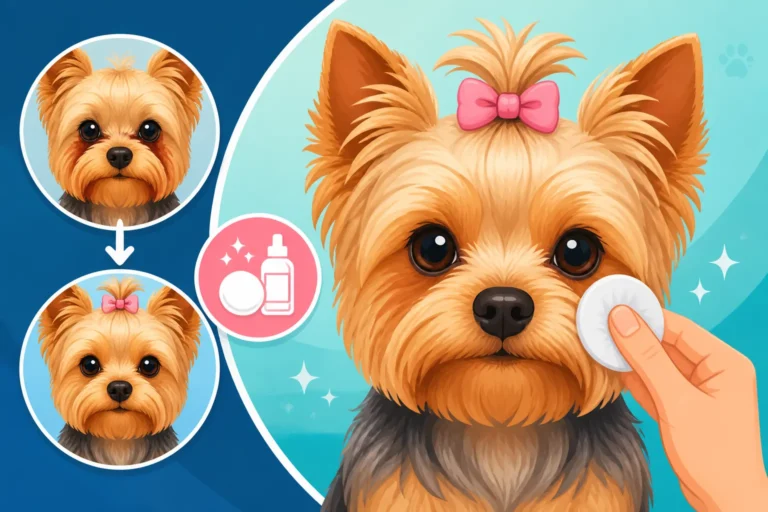
One of the most significant reasons for putting a bow in a Yorkie's hair, particularly as part of a top knot, is to keep their long facial hair out of their eyes. Yorkies have beautiful, silky coats that grow quite long, including the hair around their face. If this hair is left untamed, it can constantly fall into their eyes. Imagine having long bangs always poking you in the eyes; it would be incredibly irritating, right? For a Yorkie, this constant irritation isn't just annoying; it can lead to several problems.
Persistent hair in the eyes can cause chronic irritation, leading to excessive tearing and the development of unsightly tear stains, especially common in lighter-colored Yorkies. Beyond that, it can scratch the cornea, potentially leading to more serious eye problems like infections or ulcers. A properly secured top knot, even without a decorative bow, acts as a protective barrier, sweeping that troublesome hair away from their delicate eyes. This simple grooming step plays a vital role in maintaining good eye hygiene and overall comfort. It's a proactive measure that contributes significantly to preventing Yorkie Eye Problems Explained.
Furthermore, for those who appreciate the traditional Yorkie look, the top knot is an integral part of the breed standard. It showcases the beautiful texture and flow of their coat while maintaining a tidy appearance. It's a hallmark of the breed's elegant presentation in the show ring, but also a beloved style for everyday pets.
Common Frustrations and Misconceptions About Bows
Despite the practical benefits, many Yorkie parents wrestle with the idea of using bows, often due to common frustrations and misconceptions. The most frequent complaint I hear is, "My Yorkie just pulls it out immediately!" or "I'm worried it's uncomfortable and pulls their hair." These are totally valid concerns, and it’s important to address them head-on.
It's true that a badly tied or ill-fitting bow can be uncomfortable. If the elastic band is too tight, it can pull at the skin and hair, causing pain or even bald patches over time. If the bow itself is too heavy or awkwardly placed, it can feel cumbersome to your small dog, prompting them to try and remove it. Some Yorkies, especially those not introduced to grooming early, might genuinely dislike the sensation of anything in their hair. Their instinct is often to shake it off or rub their head on the carpet.
Another misconception is that all bows are purely decorative and therefore frivolous. As we've discussed, the functional aspect of keeping hair out of their eyes is paramount. The decorative bow itself is merely an addition to a practical grooming technique. If your Yorkie seems resistant, it’s not necessarily because they’re being stubborn; it might be because the experience isn't positive, or they haven’t been properly desensitized to it. Patience and the right approach can turn a battle into a pleasant routine, fostering a bond over a shared grooming moment.
Choosing the Right Bows and Supplies
Before you can achieve that picture-perfect top knot and bow, you need to gather the right tools and accessories. Just like humans have different hair types and styles, Yorkies also benefit from specific types of bows and grooming aids designed for their delicate hair and small stature. Choosing correctly can make all the difference in comfort, longevity, and your overall success.
Types of Bows: Ribbons, Latex Bands, and Clips
When it comes to Yorkie bows, you'll find a surprising variety, each with its own pros and cons. Understanding these differences will help you select the best option for your dog's hair type, activity level, and your personal preference.
-
Small Elastic Bands (Latex or Coated): These are the foundational element for almost any Yorkie top knot. They're typically tiny, often clear or black, and are used to gather and secure the hair into a ponytail before a decorative bow is added.
- Pros: Strong hold, nearly invisible, essential for a secure top knot. The coated bands are generally preferred as they cause less friction and breakage than plain latex bands, which can snag and pull hair.
- Cons: Can be tricky to apply without pulling hair, and if left in too long, they can tangle or create mats.
- Tip: Look for brands that specify "coated" or "silicone" elastic bands. Many pet supply stores and online retailers like Chewy carry these specifically for small dogs.
-
Ribbon Bows with Elastic Loops: These are the most traditional decorative Yorkie bows. They often feature a small elastic band (similar to the base bands) sewn onto the back of a pre-tied fabric ribbon.
- Pros: Classic look, wide variety of colors and patterns, generally lightweight.
- Cons: The elastic can stretch out over time, and the ribbon itself can fray or get dirty easily. Some cheaper ribbons might use harsh elastic that can pull hair.
- Application: After you've secured the top knot with a basic elastic, you loop the bow's elastic around the already formed ponytail.
-
Clip-On Bows: These bows come with a small alligator clip or barrette on the back, allowing you to clip them directly into the hair or onto an existing top knot.
- Pros: Easy to attach and remove, no need to struggle with tiny elastic loops, less chance of pulling hair if applied carefully.
- Cons: Clips can be heavier for a tiny Yorkie, some clips might not hold as securely in fine, silky hair, and metal clips can rust or cause irritation if not properly covered.
- Application: Simply clip it over a small section of hair at the base of your established top knot, ensuring the clip isn't too tight against the scalp.
-
Bows with Rubber Bands: Some bows come with small rubber bands already integrated, meant to be directly tied into the hair without a separate base elastic.
- Pros: All-in-one solution.
- Cons: The plain rubber can be very damaging to Yorkie hair, causing breakage and tangles. It's generally advised to use a coated elastic for the initial top knot and then add a decorative bow over it if this is the only option.
Always choose bows that are appropriately sized for your Yorkie's head and the amount of hair they have. A bow that's too large will be uncomfortable and likely fall off. Ensure any decorative elements are securely attached and won't come off and become a choking hazard.
Essential Grooming Tools for Bow Application
Beyond the bows themselves, having the right grooming tools on hand will make the process much smoother and more enjoyable for both you and your Yorkie. These tools help prepare the hair, ensure a clean section, and minimize discomfort.
- Fine-Tooth Comb: An absolute must-have. This comb is crucial for precisely parting and gathering the small sections of hair for the top knot. It helps achieve a neat, smooth look and ensures you're not leaving any stray hairs that could cause discomfort or pull.
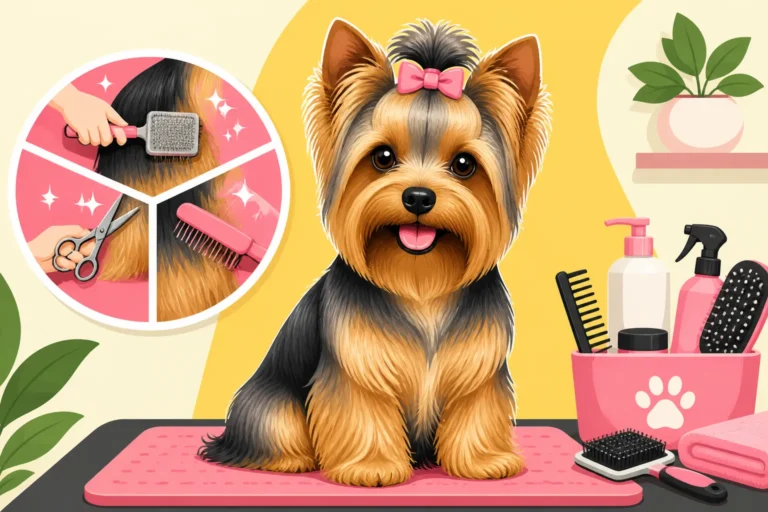
- Slicker Brush: Before you even think about a top knot, a thorough brushing is essential. A good quality slicker brush, followed by a pin brush, will remove any tangles and mats, making the hair soft and manageable. This is a critical step in Yorkshire Terrier Grooming Guide and helps prevent painful pulling when you gather the hair.
- Grooming Spray/Detangler: Yorkie hair is prone to tangles. A light mist of a dog-specific detangling or grooming spray can make a world of difference. It lubricates the hair, making it easier to comb through and reducing static, which is especially helpful when dealing with fine hair. You can find excellent options on Amazon or through specialized pet brands.
- Small, Blunt-Nosed Scissors: Sometimes, a few stray hairs around the eyes or the edge of the top knot might need a tiny trim to keep everything neat and tidy, especially if your goal is to keep all hair out of the eyes. Always use blunt-nosed scissors to avoid accidental pokes.
- Treats: Last but not least, high-value treats are an essential "tool" for positive reinforcement! Make the bow-tying experience a positive one by rewarding calm behavior. Even high-quality, limited-ingredient options from brands like Ollie can be broken into tiny training pieces.
Here’s a quick comparison of bow types:
| Bow Type | Pros | Cons | Best For |
|---|---|---|---|
| Coated Elastic Bands | Secure, minimal damage, invisible base | Can be tricky to apply, must be removed daily | Essential for securing the top knot base |
| Ribbon Bows with Elastic Loop | Classic aesthetic, wide variety, lightweight | Elastic can wear out, ribbon can fray/stain, may pull if cheap | Decorative layer over a secure top knot, traditional look |
| Clip-On Bows | Easy to attach/remove, less hair pulling at application | Can be heavier, may not hold well in fine hair, metal can irritate | Quick adornment, less fuss for sensitive dogs, short wear times |
| Bows with Rubber Bands | All-in-one | Can cause significant hair breakage and tangles | Generally discouraged due to potential hair damage |
Step-by-Step Guide to Tying a Perfect Yorkie Bow
Now that you've got all your supplies, let's get down to the actual process. Tying a bow on a Yorkie isn't just about putting it in; it's about creating a comfortable, secure top knot that protects their eyes and holds the bow beautifully. Patience, gentle handling, and positive reinforcement are your best friends here.
Preparing Your Yorkie's Hair for a Top Knot
A well-prepped coat is the foundation for a successful and comfortable top knot. Trying to gather tangled or matted hair will not only be difficult but also painful for your Yorkie, making them resistant to future grooming sessions.
First things first, make sure your Yorkie's coat is clean and completely dry. Attempting to tie a top knot on wet or damp hair can lead to tangles and even mildew if not dried properly. Once dry, it’s time for a thorough brushing. Use your slicker brush to gently work through the entire coat, paying special attention to the areas around the face and ears. Follow up with your fine-tooth comb to catch any smaller tangles. This step is crucial for preventing How to Prevent Yorkie Matting. If you encounter stubborn knots, a light mist of dog-specific detangling spray will make the job much easier and reduce breakage.
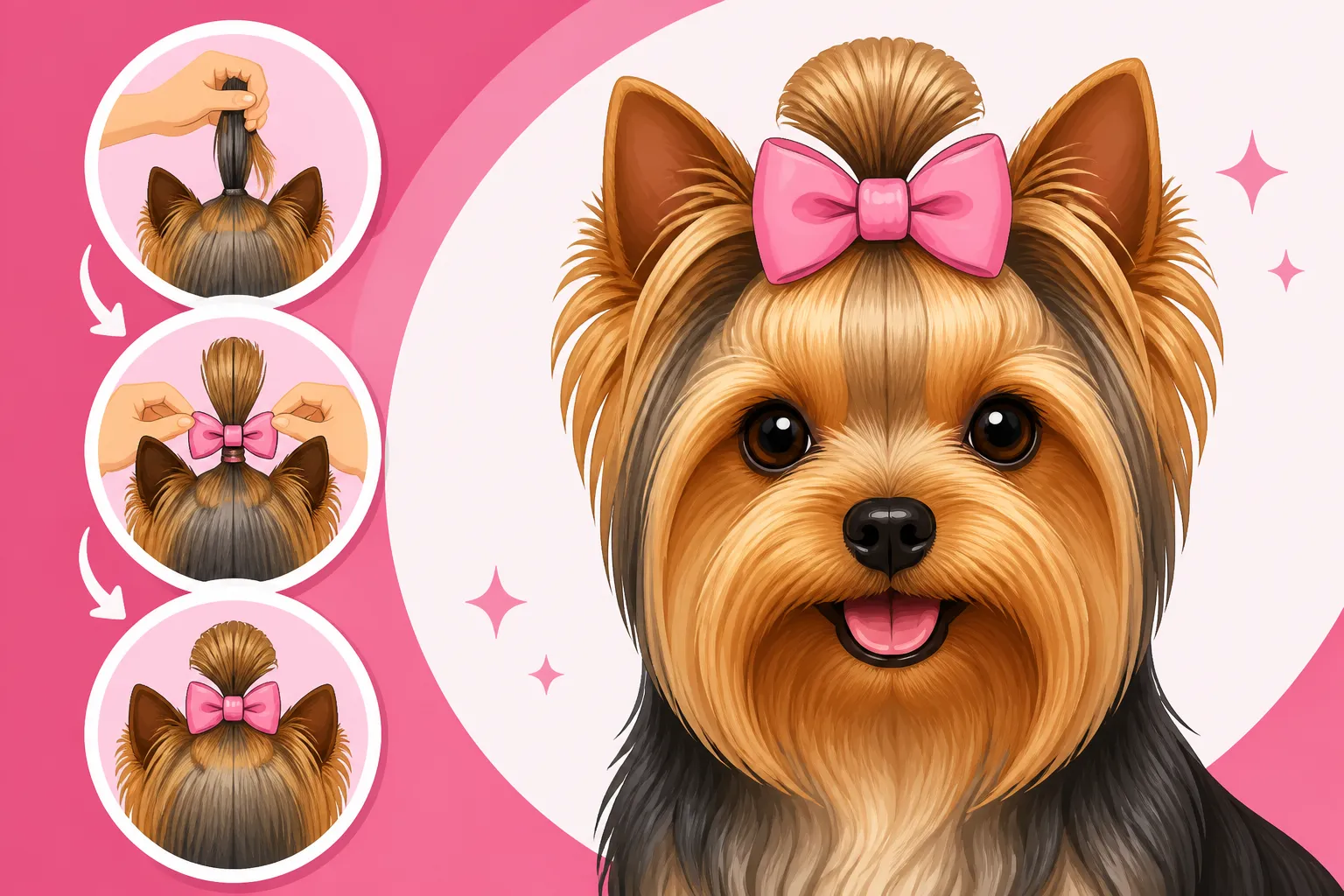
Next, you need to section the hair. This is perhaps the most critical part of the preparation. The top knot typically involves the hair on top of your Yorkie’s head, from just between their eyes up to the back of their skull, roughly in line with the front of their ears. Using your fine-tooth comb, carefully create a clean, crisp part line. Start by drawing a line across the top of their head, just behind their eyes, and extend it horizontally from one ear to the other. Then, comb all the hair within this rectangular section upwards and forwards, away from their face. Ensure all the hair you plan to include in the top knot is smooth and free of knots. You want to avoid grabbing any hair from their ears or neck, as this will pull uncomfortably.
While you're working, speak in a calm, soothing voice. Offer praise and small treats when your Yorkie remains still. This helps create a positive association with the grooming process, making them more cooperative.
Securing the Top Knot Base
Once the hair is properly sectioned and brushed upwards, it’s time to secure the base of the top knot with an elastic band. Remember, we’re aiming for secure, but never tight! Too much tension can lead to discomfort, skin irritation, and even traction alopecia (hair loss from constant pulling).
Gather all the hair you've sectioned into a neat ponytail right on top of your Yorkie's head. The ideal placement is usually high enough to keep all eye-level hair clear, but not so far back that it pulls on their ears or scalp. Hold the gathered hair firmly but gently in one hand. With your other hand, take one of your small, coated elastic bands.
Carefully loop the elastic band around the base of the ponytail. For most Yorkies, two to three gentle wraps of the elastic should be sufficient to hold the hair securely without being overly tight. You want it to feel snug, but not strained. After each loop, gently tug on the ponytail to ensure it's not pulling on the skin. You should be able to slide a fingernail or the tip of your comb underneath the elastic band without much resistance. If it feels too tight, gently cut the elastic off and restart. Never try to yank it off, as this will cause painful hair pulling.
Once the elastic is in place, double-check the comfort level. Look for any signs of discomfort from your Yorkie, such as head shaking, pawing at their head, or excessive rubbing. If you see any of these, the band might be too tight or pulling on stray hairs. Adjust as needed. This secured top knot is now the perfect base, ready for your chosen decorative bow. Learning how to properly secure this foundation is key to a comfortable and lasting style, as well as a healthy coat, complementing your overall How to Keep a Yorkie Healthy routine.
Attaching the Bow Securely
With the top knot base firmly in place, it’s time for the fun part: adding the decorative bow! The method of attachment will depend on the type of bow you've chosen.
If you're using a ribbon bow with an elastic loop on the back, gently slide the bow's elastic over the existing top knot. Position the bow so it sits nicely at the base of the top knot, covering the base elastic. You might need to adjust the hair around it to ensure it looks neat and balanced. The key is to slide it over the existing elastic, not to create a new tight band around the hair. This prevents additional pulling.
For clip-on bows (like those with alligator clips or barrettes), carefully open the clip. Take a small amount of hair from the top knot, just beneath the elastic band you've already secured. Gently slide the clip onto this small section of hair. Ensure the clip isn't digging into your Yorkie's scalp or pulling excessively. The beauty of clip-on bows is their ease of use, allowing for quick changes. They are great for special occasions or when you just want a temporary bit of flair. Just make sure the clip is robust enough to hold in their fine hair without slipping, but not so heavy it pulls down the top knot.
No matter the type of bow, always take a moment to admire your handiwork and, more importantly, check your Yorkie’s reaction. Give them a final treat and plenty of praise for being such a good model. The goal is a bow that enhances their adorable look while remaining completely comfortable for them. A well-placed bow adds that extra touch of charm and elegance to their already captivating personality.
Maintaining and Caring for Your Yorkie's Bows
Once you’ve successfully adorned your Yorkie with a charming bow, your job isn't quite done. Proper maintenance ensures the bow stays in place, the hair remains healthy, and your Yorkie stays comfortable. Neglecting these small steps can lead to tangles, skin irritation, and even damage to their delicate coat.
How Long Should a Bow Stay In?
This is a really important question, and the answer is typically: not very long! While it might be tempting to leave a perfectly tied bow in for days, it's generally recommended to remove your Yorkie's bow and the underlying elastic band daily.
Think about how your hair feels after wearing a tight ponytail all day – a little sore, right? For a Yorkie, leaving an elastic band in for extended periods can have several negative consequences. The most common issue is matting. Even coated elastic bands can start to tangle the fine, silky Yorkie hair as they move, play, and sleep. Over time, this can lead to painful mats that are difficult to remove and may require cutting the hair, compromising your efforts to achieve a beautiful How to Keep a Yorkie's Coat Long and Silky.
Beyond matting, leaving a band in too long can irritate the skin underneath, potentially leading to redness, sores, or even infections. The constant tension on the hair follicles can also contribute to hair breakage and even localized hair loss over time.
So, make it a part of their daily care routine – perhaps in the evening before bed or first thing in the morning if you prefer them to sleep without it. Gently cut the elastic band with small, blunt-nosed scissors. Always slide the blunt tip of the scissors under the elastic, against the hair, to ensure you're cutting only the elastic and not your dog's hair or skin. Never pull or try to snap the elastic off. This gentle removal process is just as important as the careful application.
Keeping Hair Healthy Around the Top Knot Area
The hair around the top knot area, especially if it’s frequently styled, needs a little extra love and care to prevent damage. This is a high-stress zone for the coat, and without proper attention, you might notice thinning or breakage.
Regular brushing is absolutely paramount. After removing the bow and elastic, take a few minutes to gently brush through the entire top knot section. Use your fine-tooth comb to ensure no tiny tangles have started to form. A good quality slicker brush and a detangling spray will be invaluable here. This daily habit not only keeps the hair smooth but also stimulates the skin, promoting healthy hair growth. This is a key component of your Yorkie Daily Care Routine.
Consider using a dog-specific conditioning spray or leave-in conditioner a few times a week, especially if your Yorkie has very long or dry hair. This helps to hydrate and protect the hair shafts, making them more resilient to the gentle tugging and manipulation involved in styling.
Some Yorkie owners go a step further and use a silk bonnet or snood for their Yorkie overnight. This might sound extravagant, but for Yorkies with very long show coats or those prone to severe matting, a silk covering can significantly reduce friction and prevent tangles while they sleep. This means less brushing in the morning and less stress on the hair.
Lastly, make sure the area around the top knot is kept clean. If tear stains are a problem, regularly cleaning the eye area can help. While bows help keep hair out of the eyes, sometimes tear stains can still occur. A gentle wipe with a dog-safe tear stain remover can keep the area fresh and clean, contributing to better overall How to Clean Yorkie Tear Stains. Healthy hair is happy hair, and a little consistent care goes a long way in preserving your Yorkie’s magnificent coat.
Troubleshooting Common Yorkie Bow Challenges
Even with the best intentions and the right tools, you might encounter some common hurdles when trying to integrate bows into your Yorkie's routine. It's perfectly normal for things not to go perfectly on the first try, or even the tenth! The key is to understand why these challenges arise and how to approach them with patience and effective strategies.
My Yorkie Hates Having Bows In
If your Yorkie shakes their head vigorously, rubs their face on the carpet, or tries to paw the bow out the moment you put it in, it’s a clear sign they’re not thrilled. This resistance isn't necessarily defiance; it might be due to discomfort, unfamiliarity, or a bad past experience. It’s important to approach this with understanding rather than frustration.
The first thing to check is comfort. Is the elastic band too tight? Is the bow itself too heavy or awkwardly placed? Does it pull on any sensitive spots? Sometimes, simply adjusting the placement or choosing a lighter bow can make a huge difference. For very sensitive Yorkies, you might even consider starting with just a plain, small, coated elastic band for the top knot, foregoing the decorative bow until they're comfortable with the base.
If comfort isn't the issue, then it's likely a matter of desensitization and positive association. Your Yorkie needs to learn that having a bow in is a positive, rewarding experience.
Here’s how to introduce bows gradually:
- Short Sessions: Start by putting the bow in for just a minute or two. The instant it’s in, offer a high-value treat and lavish praise. Then, immediately and gently remove it.
- Increase Duration: Over several days, gradually increase the time the bow stays in, always coupling it with positive reinforcement. For instance, put the bow in, give a treat, then engage in a short play session or offer a puzzle toy.
- Distraction: When you first put the bow in, try to distract your Yorkie with their favorite toy or a tasty chew. This shifts their focus away from the new sensation on their head.
- Make it a Routine: Incorporate bow-tying into a regular, positive grooming routine, perhaps after a walk or a gentle cuddle session. Consistency helps them understand what to expect.
Remember, every Yorkie is an individual. Some might take to bows quickly, while others require more time and patience. For those especially food-motivated, tiny pieces of premium training treats can be a game-changer. Brands like Ollie offer fresh, human-grade food that can be used for high-value training rewards. If your Yorkie consistently fights the bow, it might be worth re-evaluating if it's the right choice for them, or sticking to a simpler top knot without the added adornment. Sometimes, a plain top knot is all that’s needed to keep the hair out of their eyes, and that’s perfectly fine! Persistent negative reactions could be a sign of deeper Yorkshire Terrier Behavior Problems and Solutions that might need a professional trainer's input.
Bows Keep Falling Out
It can be incredibly frustrating to spend time perfecting a top knot, only for the bow to come flying off minutes later. Yorkie hair is famously fine and silky, which can make keeping accessories in place a real challenge.
Here are some strategies to improve bow longevity:
- Ensure Hair is Clean and Not Oily: Freshly washed and dried hair tends to have more grip than oily, unwashed hair. Product buildup or natural oils can make hair too slippery for bows to hold. Make sure your Yorkie's hair is clean before attempting to tie a bow.
- Backcomb a Small Section: Before you secure the initial elastic band, take a tiny section of hair where the elastic will sit and very gently backcomb it (comb against the grain, towards the scalp) a few times. This creates a bit of texture that the elastic can grip onto, making it less likely to slide down. Be extremely gentle to avoid damaging the hair.
- Use the Right Elastic: As mentioned earlier, coated elastic bands are far superior to plain rubber bands. They offer better grip without the damaging friction. Using two thin, coated elastics instead of one might also provide a more secure hold for very active Yorkies.
- Choose Lighter Bows: A heavy or bulky bow will put more strain on the elastic and is more likely to fall out. Opt for lightweight ribbon bows or small, unobtrusive clips.
- Secure Clips Properly: If using clip-on bows, make sure the clip is grabbing a sufficient amount of hair from the top knot. Test its grip before letting your Yorkie go. Some clips have a stronger spring or a non-slip lining that can help.
- Consider a Hair Spray (Dog-Safe!): For special occasions or photo shoots, a tiny, light mist of dog-specific hair spray (never human hair spray!) can help hold fine flyaways and keep the top knot looking crisp. Brands like Bio-Groom offer such products, often available on Chewy or Amazon. Use sparingly and avoid spraying directly into their eyes.
- Review Your Top Knot Base: A loose top knot base will inevitably lead to a loose bow. Re-evaluate your technique for securing the initial elastic band. Is it high enough? Is all the necessary hair included? Is it snug enough without being overly tight? Practice makes perfect!
It might take some experimentation to find the perfect combination of bow type, elastic, and technique that works best for your individual Yorkie and their unique hair texture. Don't get discouraged if a few bows end up on the floor; it's all part of the process of becoming a master Yorkie groomer!
Disclaimer
This article is intended for informational purposes only and does not constitute veterinary advice. Always consult with a qualified veterinarian for any health concerns or before making any changes to your pet's care routine.