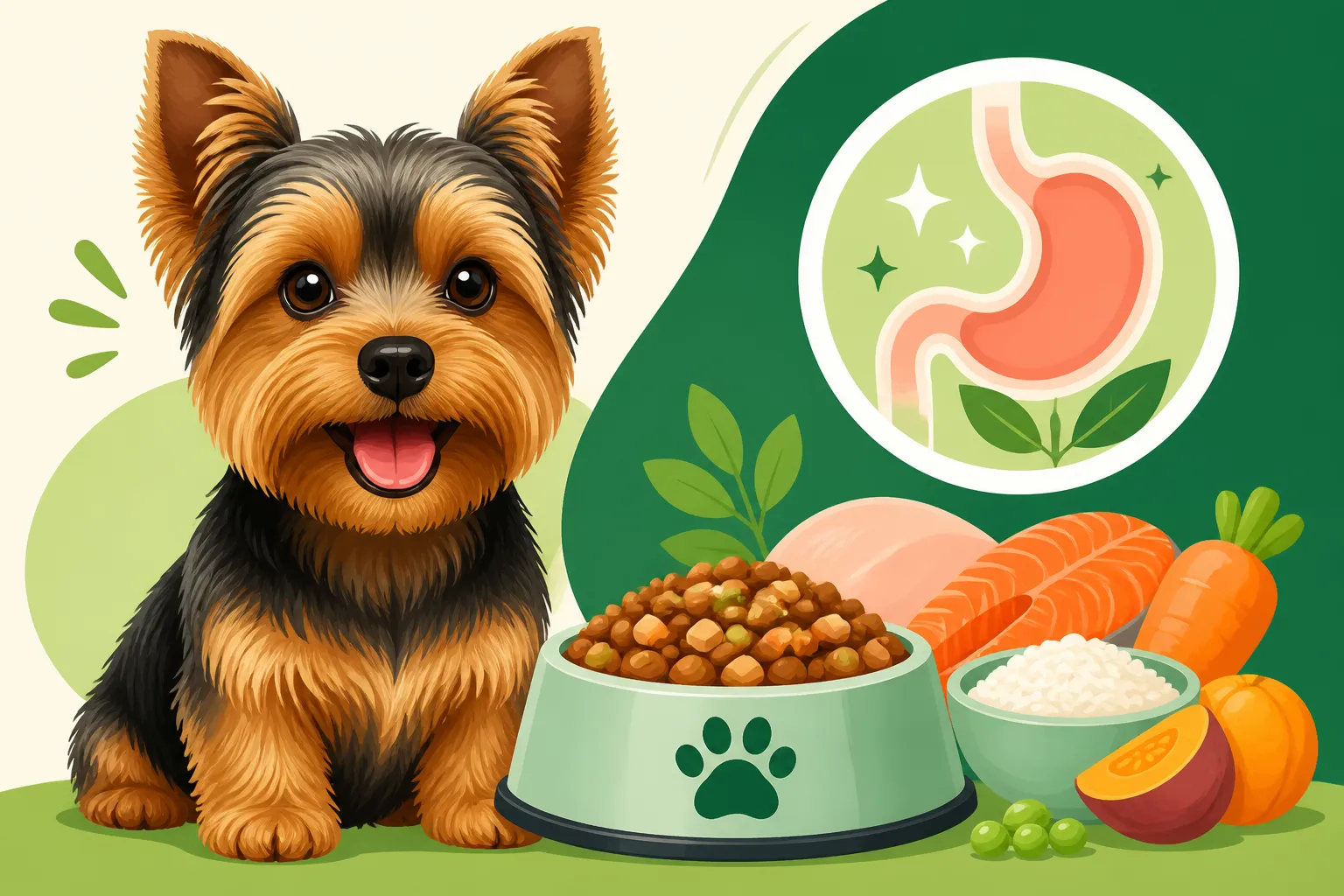
Best Food for a Yorkie with a Sensitive Stomach
It’s truly heartbreaking to watch your precious Yorkshire Terrier suffer through digestive issues like upset stomach, vomiting, or persistent diarrhea. As a Yorkie parent, you just want them to feel better, but finding the right food for a sensitive stomach can feel like navigating a minefield of ingredients and conflicting advice. This comprehensive guide is here to cut through the confusion and help you identify the best dietary solutions to bring comfort and vitality back to your beloved companion.
Decoding Your Yorkie's Digestive Dilemma
A sensitive stomach in a Yorkshire Terrier isn't just a minor inconvenience; it can be a sign of underlying issues that impact their overall health and happiness. Yorkies, like many small breeds, can be prone to a variety of gastrointestinal sensitivities and conditions. It's crucial to understand what might be causing their discomfort before you can effectively address it with diet. Sometimes, it’s a simple food intolerance, but other times, it could indicate a more serious health concern that warrants a vet visit.
Common Causes of Sensitive Stomachs in Yorkies
Yorkshire Terriers are little bundles of energy, but their delicate digestive systems can be easily upset. One of the most common culprits is a food intolerance or allergy. Unlike allergies that trigger an immune response, intolerances typically manifest as digestive upset, such as gas, bloating, diarrhea, or vomiting. Common ingredients that can cause these issues include certain proteins like beef or chicken, dairy, wheat, corn, and soy. It’s not that these ingredients are inherently bad for all dogs, but some individual Yorkies just can’t process them well.
Beyond food sensitivities, Yorkies can also be predisposed to conditions like pancreatitis, an inflammation of the pancreas, which often presents with severe stomach pain, vomiting, and diarrhea, especially after eating fatty foods. Another concern is inflammatory bowel disease (IBD), a chronic condition where the digestive tract becomes inflamed, leading to persistent symptoms. Even stress or rapid changes in diet can trigger an upset stomach. It’s always best to rule out serious medical conditions with your vet, particularly if you see signs like persistent Yorkie Vomiting When to Worry or Yorkie Diarrhea When to Worry.
Recognizing the Symptoms of Digestive Distress
Your Yorkie can’t tell you in words that their tummy hurts, so it’s up to us to be vigilant and recognize the signs. Beyond the obvious vomiting and diarrhea, sensitive stomach symptoms can be more subtle. You might notice your Yorkie frequently licking their lips, indicating nausea, or excessively eating grass. They might hunch their back, which is a common sign of abdominal pain in dogs. Increased flatulence, a rumbling stomach, decreased appetite, or even changes in their stool consistency (from soft to very watery) are all red flags.
Some Yorkies with chronic digestive issues might also show signs of low energy, dull coat, or even weight loss over time because their bodies aren't properly absorbing nutrients. It’s a cascading effect: poor digestion leads to poor nutrient absorption, which then impacts overall health. If you notice any of these persistent symptoms, it's definitely time to consider a dietary change, but only after consulting with your veterinarian to ensure there isn't a more serious underlying health issue at play.
What to Look For in Sensitive Stomach Dog Food
Once you and your vet have pinpointed that your Yorkie's issues are indeed diet-related, the real work of finding the perfect food begins. This isn't just about grabbing any bag labeled "sensitive stomach"; it's about understanding the specific ingredients and formulations that truly make a difference for these little guys. The goal is to minimize irritation while maximizing nutrient absorption.
Key Ingredients to Prioritize for Digestive Health
When you’re staring at a wall of dog food bags, it can feel overwhelming. For a Yorkie with a sensitive stomach, look for formulas that are easily digestible. This often means ingredients that are less likely to cause irritation and are gentle on the system.
Novel Proteins: If your Yorkie has a food allergy or intolerance to common proteins like chicken or beef, a novel protein source can be a game-changer. Think duck, venison, salmon, or even rabbit. These are proteins your dog likely hasn't encountered before, reducing the chance of an adverse reaction. Many limited ingredient diets (LID) feature these proteins.
Easily Digestible Carbohydrates: Instead of corn or wheat, look for gentle carbs like sweet potatoes, white rice, or oats. These provide energy without overburdening the digestive system.
Prebiotics and Probiotics: These are your Yorkie's gut health superheroes. Prebiotics (like chicory root or beet pulp) feed the beneficial bacteria in the gut, while probiotics (often listed as Lactobacillus or Bifidobacterium) introduce more good bacteria. Together, they promote a balanced gut microbiome, which is essential for healthy digestion. You can also explore Best Probiotics for Yorkshire Terriers as a supplement.
Omega-3 Fatty Acids: Often found in fish oil or flaxseed, these healthy fats have anti-inflammatory properties that can help soothe an irritated digestive tract. They also contribute to a healthy coat and skin!
Ingredients to Avoid and Why
Just as important as knowing what to include is knowing what to skip. Certain ingredients are notorious for triggering digestive upset in sensitive dogs.
Common Allergens: As mentioned, beef, chicken, dairy, wheat, corn, and soy are frequent culprits. If your Yorkie reacts to one, try to find foods that completely exclude it. Always check the ingredient list carefully, as some "chicken-free" foods might still contain chicken fat or broth.
Artificial Additives: Dyes, artificial flavors, and artificial preservatives offer no nutritional value and can sometimes irritate sensitive digestive systems. Opt for natural preservatives like mixed tocopherols (Vitamin E) and avoid foods with bright, unnatural colors.
Excessive Fats: While healthy fats are good, very high-fat foods can be problematic, especially for Yorkies prone to pancreatitis. Look for moderate fat content in sensitive stomach formulas. If your Yorkie has been diagnosed with pancreatitis, your vet will recommend a very low-fat diet. For more information, you can check out Yorkshire Terrier Pancreatitis Signs and Care.
Fillers and By-Products: While some by-products can be nutritious, others can be difficult to digest or of questionable quality. Avoid foods with vague ingredients like "meat by-products" or excessive amounts of corn gluten meal, which are often used as cheap fillers. Focus on whole, identifiable ingredients.
Here’s a quick overview of what to look for and avoid:
| Category | Look For | Avoid |
|---|---|---|
| Proteins | Novel Proteins (duck, salmon, venison) | Common proteins if suspected allergy (chicken, beef) |
| Carbohydrates | Sweet potato, white rice, oats, barley | Corn, wheat, soy (common allergens/fillers) |
| Fats | Omega-3s (fish oil, flaxseed), moderate fat | Excessive fats, unknown fat sources |
| Fiber | Beet pulp, chicory root, pumpkin | Artificial colors, flavors, preservatives, excessive fillers |
| Supplements | Prebiotics, Probiotics |
Exploring Top Food Options for Upset Yorkie Tummies
The pet food market is vast, offering everything from traditional kibble to fresh, human-grade meals. For a Yorkie with a sensitive stomach, several categories stand out, each with its own benefits and considerations. It's about finding the right balance of digestibility, nutrition, and palatability for your individual pup.
Limited Ingredient Diets (LID)
Limited ingredient diets are often the first line of defense for Yorkies with food sensitivities. The philosophy here is simple: fewer ingredients mean fewer potential allergens or irritants. These foods typically feature a single novel protein source and a single, easily digestible carbohydrate.
For example, a common LID might contain only salmon and sweet potato, with a few essential vitamins and minerals. This minimalist approach makes it much easier to pinpoint what your Yorkie reacts to – or, more importantly, what they don't react to. Brands like Canidae PURE, Natural Balance Limited Ingredient Diets, and Merrick Limited Ingredient Diet often come highly recommended by veterinarians for dogs with sensitive stomachs. You can usually find a wide selection of these specialized foods on platforms like Chewy or Amazon, which offer detailed ingredient lists and customer reviews to help you make an informed choice. Remember, the goal of an LID is to simplify the diet to reduce digestive upset.
Hydrolyzed Protein Diets
If your Yorkie’s digestive issues are severe or persistent, particularly if a true food allergy is suspected, your vet might recommend a hydrolyzed protein diet. This is often available through veterinary prescription. In these diets, the protein has been broken down into tiny molecules that are so small, your dog's immune system doesn't recognize them as allergens. This effectively tricks the body into not reacting.
While not typically found on regular store shelves, these prescription diets can be incredibly effective for diagnosing and managing severe food allergies. Brands like Royal Canin Hydrolyzed Protein or Purina Pro Plan Veterinary Diets HA Hydrolyzed are examples. These diets are specifically formulated to be highly digestible and hypoallergenic, providing a "reset" for very sensitive systems. This is usually a last resort if LIDs haven't provided enough relief.
Fresh and Human-Grade Food Options
In recent years, fresh food and human-grade dog food options have gained significant popularity, and for good reason. These diets are often minimally processed, free from artificial additives, and made with whole, recognizable ingredients that are easy for many dogs to digest.
Services like Ollie deliver customized, pre-portioned fresh meals right to your door. Their recipes often feature ingredients like lean turkey, chicken, or beef mixed with fresh vegetables like carrots, peas, and spinach, alongside healthy fats and supplements. The transparency of ingredients and the lack of harsh processing can be a huge benefit for Yorkies with sensitive stomachs. The moisture content in fresh food can also be a plus, aiding hydration and digestion.
Similarly, cooking your Yorkie's meals at home can be an option if done correctly. This gives you complete control over every single ingredient. However, it's absolutely crucial that homemade diets are nutritionally balanced, which often requires working with a veterinary nutritionist. Without proper formulation, a homemade diet can lead to nutrient deficiencies or excesses, which can cause other health problems. For more insights into portioning and specific needs, you might find our guide on How Much to Feed a Yorkshire Terrier helpful.
Considerations for Wet Food vs. Dry Kibble
The choice between wet food and dry kibble also plays a role.
Wet Food: Generally, wet food is more palatable and contains higher moisture content, which can be beneficial for hydration and for dogs who struggle to chew kibble. The ingredients in wet food are often less processed, making them easier to digest for some sensitive tummies. However, wet food can sometimes be higher in fat, so always check the labels, especially if pancreatitis is a concern.
Dry Kibble: High-quality dry kibble specifically formulated for sensitive stomachs can also be excellent. It's convenient, cost-effective, and helps keep teeth clean. The key is to choose brands that use easily digestible ingredients and avoid common allergens. Many of the LID options mentioned earlier are available in kibble form.
Ultimately, the "best" food depends entirely on your individual Yorkie. What works wonders for one might not work for another. It's often a process of careful trial and error, guided by your veterinarian.
Smart Strategies for Food Transitions and Long-Term Health
Finding the right food is only half the battle; introducing it correctly and maintaining long-term digestive health are equally important. A sudden switch can often trigger digestive upset even in a dog without sensitivities, so patience and a thoughtful approach are key.
The Gentle Art of Food Transition
When you’ve finally selected a new food, resist the urge to swap it out immediately. A gradual transition is essential to allow your Yorkie’s digestive system to adapt to the new ingredients without becoming overwhelmed. This process typically takes about 7-10 days, but for highly sensitive Yorkies, you might even extend it to 14 days or more.
Here's a step-by-step guide to a smooth food transition:
- Days 1-2: Mix 75% of the old food with 25% of the new food.
- Days 3-4: Adjust the ratio to 50% old food and 50% new food.
- Days 5-6: Shift to 25% old food and 75% new food.
- Days 7-10: Your Yorkie should now be eating 100% of the new food.
During this period, closely monitor your Yorkie for any signs of digestive upset. If you notice soft stools, gas, or vomiting, slow down the transition or even revert to an earlier stage for a few extra days. The goal is to make the change as stress-free as possible for their delicate system. This gradual approach is vital for managing a Yorkie with a sensitive stomach.
Monitoring Your Yorkie's Response
Once your Yorkie is fully on the new food, diligent monitoring doesn’t stop. It’s important to give the new diet at least 4-6 weeks to truly see its effects. Digestive healing takes time, and you won’t see immediate, miraculous results overnight.
Keep a close eye on their stool quality – is it firm, well-formed, and consistent? Are they passing less gas? Is their appetite healthy and consistent? Are they showing more energy and generally seeming more comfortable? Even subtle improvements are a good sign. If symptoms persist or worsen, it’s a clear indication that this particular food might not be the right fit, and it's time to re-evaluate with your vet. You might need to try a different protein source or a different formulation. It’s a journey, not a sprint, to find what truly helps your specific Yorkie thrive.
Long-Term Digestive Health Strategies
Beyond finding the perfect food, several other practices contribute to your Yorkie's long-term digestive well-being. Regular feeding schedules can help regulate their digestive system; avoid free-feeding, which can sometimes lead to overeating and upset stomachs. Our guide on Yorkshire Terrier Feeding Guide by Age offers more structured advice.
Ensure they always have access to fresh, clean water. Hydration is crucial for digestion. Consider using stainless steel bowls, as plastic can harbor bacteria that might cause issues. Regular exercise, appropriate for their size, also aids in healthy digestion and overall wellness.
Lastly, be mindful of treats and table scraps. Even small amounts of "people food," especially fatty or seasoned items, can quickly undo all the good work you’ve done with their specialized diet and trigger a relapse of sensitive stomach symptoms. Stick to treats specifically formulated for sensitive stomachs or single-ingredient options that you know your Yorkie tolerates well, such as small pieces of boiled chicken or plain pumpkin. Maintaining consistency is key to keeping their tummy happy and healthy for years to come.
Disclaimer
The information provided in this article is for general informational purposes only and is not a substitute for professional veterinary advice, diagnosis, or treatment. Always seek the advice of your veterinarian or other qualified health provider with any questions you may have regarding a medical condition.