How to Groom a Yorkie’s Sanitary Area
Dealing with a Yorkie's sanitary area can feel like a delicate operation – a necessary evil to keep them clean and healthy, but one fraught with anxiety about nicks or discomfort. Many Yorkie parents struggle with keeping this sensitive spot tidy, leading to messes, matting, and even potential health issues. This comprehensive guide will walk you through everything you need to know to safely and effectively groom your Yorkshire Terrier's sanitary area, ensuring both you and your furry friend feel more confident and comfortable.
Understanding the Importance of Sanitary Grooming
Grooming your Yorkie’s sanitary area isn't just about aesthetics; it’s a critical part of their overall hygiene and health. Imagine trying to keep yourself clean if your hair was constantly interfering with bodily functions – it would be a frustrating and unsanitary experience. For our little Yorkie pals, whose long, flowing coats are a hallmark of their breed, the hair around their private parts can quickly become a magnet for urine and feces. This can lead to a host of problems that are easily preventable with a regular, careful trim.
Preventing Health Issues and Discomfort
When hair in the sanitary region gets soiled, it can harbor bacteria, leading to skin irritations, infections, and unpleasant odors. Over time, matting can occur, pulling on the skin and causing significant pain and discomfort for your dog. A matted coat can also make it difficult for your Yorkie to relieve themselves properly, leading to further hygiene issues. Moreover, unkempt sanitary areas can obscure signs of underlying health problems, such as skin rashes, parasites, or issues with anal glands, making it harder for you to spot them early. Regular grooming allows for closer inspection and proactive care.
It's not uncommon for Yorkie parents to notice their dog scooting across the floor, which is often a sign of discomfort in this area. While sometimes indicative of anal gland issues, it can also simply mean they have irritating fecal matter or matted hair trapped near their anus. A clean sanitary area reduces the likelihood of such irritations and makes daily life much more pleasant for your small companion. For more insights into keeping your dog feeling their best, you might find our guide on Yorkshire Terrier Health Problems to Know helpful, as discomfort can sometimes signal broader issues.
Maintaining Overall Cleanliness
Beyond preventing immediate health woes, a well-groomed sanitary area contributes significantly to your Yorkie's overall cleanliness and the cleanliness of your home. Who wants a dog trailing messes through the house after every potty break? A trim minimizes the "cling factor" for urine and feces, meaning fewer accidental deposits on your carpets or furniture. This also makes bathing much more effective, as you’re not trying to clean through heavily soiled, matted hair. It’s a simple, proactive step that can save you a lot of cleanup time and keep your home smelling fresh.
Think of it as setting your Yorkie up for success. When they can go about their business without worrying about getting dirty, they’re generally happier and more confident. This also makes the bond with your dog stronger, as you’re providing them with the comfort and care they deserve. Keeping up with this type of grooming is just one piece of the larger puzzle of How to Keep a Yorkshire Terrier Healthy to ensure your Yorkie thrives.
Essential Tools and Preparation for a Sanitary Trim
Before you even think about picking up scissors or clippers, having the right tools and preparing your Yorkie (and yourself) is paramount. Using inappropriate tools or rushing the process can lead to nicks, cuts, and a fearful dog who will dread future grooming sessions. Safety and comfort should always be your top priorities.
Choosing the Right Grooming Tools
Selecting the correct tools for a sanitary trim can make all the difference. You're working with a very sensitive area on a small dog, so precision and safety are key.
Clippers and Trimmers
For most Yorkies, a small, quiet, cordless trimmer with a ceramic or stainless steel blade is ideal. Look for models designed for delicate areas or for facial trimming, as these often have smaller heads and less vibration, which can be less intimidating for your dog. Brands like Wahl or Andis offer excellent cordless pet trimmers that are specifically designed for quiet operation and a clean, safe cut. You can often find a great selection of these on sites like Chewy or Amazon, often with customer reviews that can help guide your choice. A number 10 or 30 blade is typically recommended for sanitary areas, as they provide a close enough trim without being too aggressive. Avoid large, bulky clippers meant for full body trims, as they can be difficult to maneuver in such a small space.
Grooming Scissors
While clippers are generally safer for the bulk of the sanitary trim, a pair of blunt-nosed grooming scissors can be useful for touch-ups or for carefully trimming around the edges where clippers might be awkward. Ensure they are specifically designed for pet grooming, with rounded tips to prevent accidental pokes if your Yorkie moves unexpectedly. Never use sharp household scissors, which are far too dangerous for this delicate task. They should be sharp enough to cut through hair cleanly, not pull or snag, which can cause pain.
Other Helpful Supplies
- Comb: A fine-toothed comb is essential for parting the hair and ensuring there are no tangles before you start clipping. This helps prevent the blade from snagging.
- Pet Wipes or Warm Damp Cloth: For cleaning the area before and after the trim.
- Styptic Powder: An absolute must-have in case of a minor nick. Even the most careful groomer can have an accident, and styptic powder will quickly stop any bleeding.
- High-Value Treats: Positive reinforcement is crucial! Have plenty of your Yorkie’s favorite treats on hand to reward good behavior.
- Grooming Table with Arm (Optional but Recommended): A non-slip surface at a comfortable height makes the process easier and safer for both of you.
Preparing Your Yorkie and the Environment
Preparation is key to a stress-free experience. A calm dog is a safe dog, especially when sharp tools are involved.
Bathing and Brushing
Always start with a clean, dry dog. Bathe your Yorkie thoroughly, paying special attention to the sanitary area. Use a good quality dog shampoo and conditioner to ensure the coat is soft and tangle-free. After bathing, dry your Yorkie completely. Moisture can cause clipper blades to drag and make the trim uneven. Once dry, brush out their entire coat, including around their hindquarters, to remove any mats or tangles. Even a small knot can catch a clipper blade and cause discomfort or a serious injury. If your Yorkie has a sensitive stomach or frequent loose stools, addressing their diet might improve overall cleanliness. High-quality food options like Ollie can contribute to better digestive health, leading to firmer stools that are less likely to get caught in the hair.
Creating a Calm Atmosphere
Choose a quiet time when you won't be interrupted. Lay out all your tools beforehand. A calm environment helps keep your Yorkie relaxed. Speak in a soothing voice, offer praise, and keep your movements slow and deliberate. If your Yorkie is prone to anxiety during grooming, consider playing soft music or using calming pheromone sprays beforehand. It's also helpful to do these sessions after they've had a chance to relieve themselves and have some playtime, so they're less antsy. This isn't just about a one-time trim; it's about building positive associations with grooming for your Yorkie's entire life. You can learn more about how to make grooming a positive experience in our article on Yorkshire Terrier Grooming Guide.
Step-by-Step Guide to a Safe Sanitary Trim
Now that you're prepared, let's get down to the actual trimming. Remember, patience is your best friend here. Don't rush, and if your Yorkie becomes overly stressed, take a break and try again later. It’s better to do a partial trim over a couple of sessions than to push them too far.
Positioning Your Yorkie
Proper positioning is crucial for safety and efficiency. This will depend on your Yorkie's comfort level and your personal preference.
Standing Position
Many find it easiest to have their Yorkie stand on a grooming table or a non-slip surface at a comfortable height. Gently hold their tail up and slightly forward with one hand, exposing the anal area. This allows for a clear view and prevents the tail from getting in the way. Ensure their back legs are straight, not tucked under, to keep the skin taut. Having a second person to gently hold your Yorkie or distract them with treats can be incredibly helpful, especially for squirmy pups.
Lying Down Position
For some Yorkies, especially those who are particularly anxious or very small, it might be easier to have them lie on their side. Gently hold one hind leg and the tail, exposing the area. This can sometimes offer a more stable surface for trimming, but be extra careful to keep the skin taut and avoid accidental nicks. Whichever position you choose, make sure your Yorkie feels secure and supported, not dangling or unbalanced.
Performing the Trim with Clippers
This is where your quiet, small clippers come into play. Always be mindful of the direction of hair growth and the delicate skin beneath.
- Brush the Hair Out: Even if you brushed them before the bath, give the area another quick comb to ensure all hair is free of tangles and standing up.
- Lift the Tail: Gently lift your Yorkie’s tail straight up towards their back, exposing the anus and the surrounding hair.
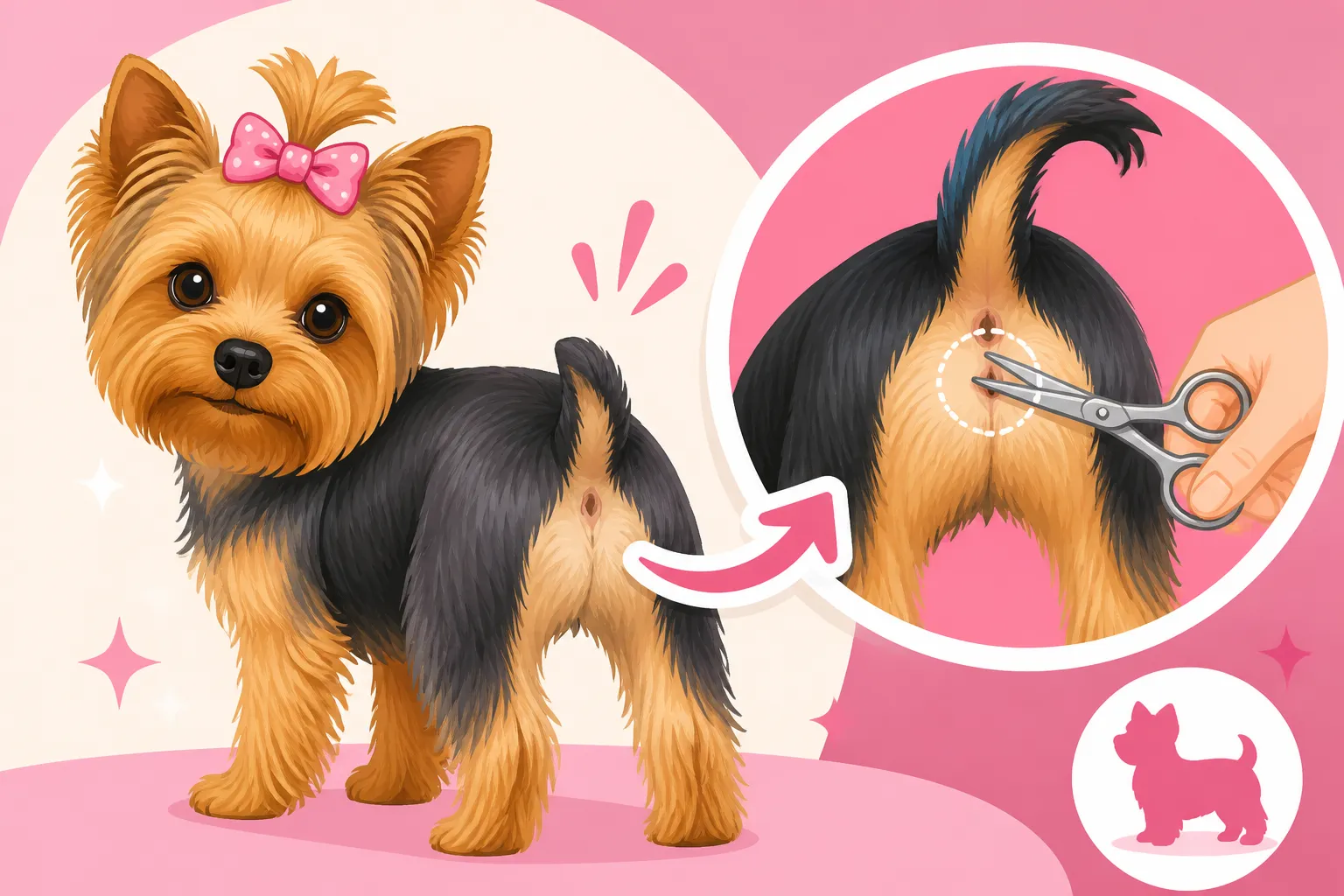
- Identify the "Target Zone": You're looking to create a clean perimeter around the anus. This typically means trimming about an inch or so in every direction, enough to prevent stool from sticking but not so much that you expose too much sensitive skin or create an unnatural look.
- Clip "With" the Hair First (for longer hair): If the hair is quite long, you might want to do an initial pass clipping with the direction of hair growth. This removes the bulk without getting too close too fast.
- Clip "Against" the Hair (for a closer trim): For the final, cleaner trim, gently hold the skin taut with your free hand. With the clippers, move against the direction of hair growth, starting from just below the anus and moving upwards. Use short, controlled strokes. The goal is to get the hair short enough so that it doesn't collect waste.
- Work Around the Anus: Carefully work in a circular or oval pattern around the anus. Always keep the clippers flat against the skin, never pointing the blade directly at the anus.
- Address the "Skirt" Area: Extend the trim slightly down the back of the hind legs and under the tail, creating a neat line that prevents feces from clinging to the longer hair there.
- Regular Breaks and Praise: Give your Yorkie little breaks, offer treats, and praise them throughout the process. This helps maintain a positive experience.
- Check Your Work: Once you think you’re done, put the tail down, then lift it again to ensure you haven’t missed any spots and that the trim is even.
Using Scissors for Detail and Safety
While clippers do most of the work, scissors are invaluable for fine-tuning and addressing specific spots.
- Careful Isolation: With your blunt-nosed scissors, gently isolate small sections of hair. Never cut a large chunk of hair at once.
- Trim Around the Edges: Use the scissors to neaten any stray hairs the clippers might have missed, especially along the edges of the clipped area, creating a smooth transition to the longer coat.
- Under the Tail: Some hair directly under the tail might be tricky to reach with clippers. Use your scissors with extreme caution, always pointing the blunt tips away from your Yorkie’s body.
- The "Female" Area: For female Yorkies, you'll also need to ensure the hair around the vulva is kept short and clean. This is usually a smaller, more delicate area than the anus, so extra care is needed. You can gently part the hair and carefully trim any longer strands that could collect urine or debris. Again, blunt-nosed scissors are often safer here than clippers, as they offer more control.
- Keep Skin Taut: Just like with clippers, always keep the skin taut when using scissors to avoid accidental cuts.
- Always Face Away: When scissoring near the body, always position the scissors so the tips are pointing away from your Yorkie.
- Final Inspection: After both clipper and scissor work, double-check for any missed spots or unevenness. A quick wipe with a pet wipe can help remove any loose hairs and give you a clearer view. This meticulous approach is part of providing comprehensive care, which also includes understanding the bigger picture of Yorkshire Terrier Grooming Guide for your furry friend.
| Tool Type | Best For | Key Features | Safety Tips |
|---|---|---|---|
| Small Clippers | Bulk hair removal, close trim | Quiet, cordless, small blade (e.g., #10 or #30) | Hold skin taut, move against hair growth, use short strokes, keep flat |
| Blunt-nosed Scissors | Detail work, sensitive spots, touch-ups | Rounded tips, sharp blades, pet-specific | Isolate small sections, point tips away from body, keep skin taut |
| Fine-toothed Comb | Detangling, parting hair, checking for mats | Metal or sturdy plastic | Use before trimming, gentle combing to prevent pulling |
| Styptic Powder | Emergency stop for minor nicks | Fast-acting clotting agent | Have readily available, apply immediately if bleeding occurs |
| Pet Wipes | Pre- and post-trim cleaning | Hypoallergenic, alcohol-free | Use to clean area before starting and to wipe away loose hair afterwards |
Post-Grooming Care and Troubleshooting
Congratulations! You've successfully navigated the sanitary trim. But the job isn't quite over. Proper aftercare is just as important as the grooming itself, and knowing how to handle common issues can save you a lot of worry.
Cleaning and Inspection
Once the trimming is complete, gently wipe down the entire area with a warm, damp cloth or a pet-safe wipe. This removes any stray hairs that could cause itching or irritation. Take this opportunity to thoroughly inspect the skin for any nicks, redness, or irritation. If you find a small nick, apply styptic powder immediately, holding gentle pressure until the bleeding stops. Keep an eye on any irritated areas over the next day or two to ensure they heal properly. If redness persists or worsens, it's always best to consult your vet.
This post-grooming inspection is a crucial part of ongoing health monitoring. It allows you to catch any skin issues, unusual growths, or even signs of parasites early on. Remember, your Yorkie’s skin is sensitive, and a close trim can sometimes make them a little itchier than usual for a day. Keeping the area clean helps prevent secondary infections. This regular attention is similar to the care discussed in our guide on Yorkshire Terrier Dental Care Guide, where consistent checks prevent bigger problems down the line.
Dealing with Accidents and Stress
Even with the utmost care, accidents can happen. If you do nick your Yorkie, don't panic. Apply styptic powder, reassure them calmly, and reward them with a treat. If the cut is deep or won't stop bleeding, contact your vet immediately. It's better to be overly cautious when it comes to your pet's health.
If your Yorkie became very stressed during the process, don't force them. End the session, even if the trim isn't perfect. Try again later or the next day, breaking it into even smaller steps. Over time, with consistent positive reinforcement (lots of praise and treats!), most Yorkies can learn to tolerate or even enjoy their grooming sessions. You might also want to look into How to Rebuild Trust with a Fearful Yorkie for more tips on managing anxiety during grooming.
Establishing a Regular Schedule
Consistency is key for sanitary grooming. How often you need to trim will depend on your Yorkie’s individual hair growth rate and their bathroom habits. For many Yorkies, a sanitary trim is needed every 2-4 weeks. If you notice stool clinging to the hair or urine staining, it's time for another trim.
Setting a regular schedule, perhaps every time you bathe them or every other bath, can help you stay on top of it. A well-maintained sanitary area not only keeps your Yorkie clean and comfortable but also prevents the more difficult task of having to de-mat or clean heavily soiled fur. This proactive approach to grooming is a cornerstone of overall well-being, much like adhering to a sensible Yorkshire Terrier Daily Care Routine that covers all aspects of their needs.
Disclaimer
Please note that the information provided in this article is for educational purposes only and should not be considered a substitute for professional veterinary advice. Always consult with a qualified veterinarian or professional groomer for any specific health concerns or before making significant changes to your pet's care routine.