Where to Find Yorkie Breeders in Pennsylvania
Bringing a tiny, spirited Yorkshire Terrier into your home is an incredibly exciting prospect, but the journey to finding the perfect furry family member can feel daunting, especially when you're trying to navigate the landscape of breeders in a specific state like Pennsylvania. It's easy to get overwhelmed by online searches, wondering how to distinguish a responsible, ethical breeder from someone simply looking to make a quick sale. This comprehensive guide is here to walk you through the process, helping you find a healthy, well-socialized Yorkie from a trustworthy source right here in the Keystone State.
Why Finding a Reputable Yorkie Breeder in Pennsylvania is Crucial
The excitement of getting a new puppy can sometimes overshadow the importance of where that puppy comes from. However, when it comes to small breeds like Yorkshire Terriers, the breeder's practices can profoundly impact your puppy's health, temperament, and even your long-term veterinary bills. Many people, myself included, have learned the hard way that cutting corners on breeder research can lead to heartbreak and significant financial strain down the road.
Avoiding Puppy Mills and Backyard Breeders
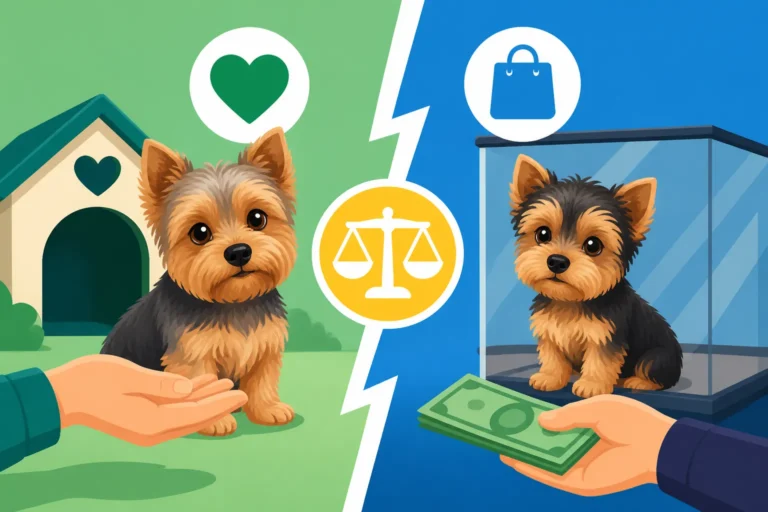
The sad reality is that puppy mills and irresponsible backyard breeders often operate under the radar, even in states with strict animal welfare laws like Pennsylvania. These operations prioritize profit over the well-being of their animals. Dogs are often kept in cramped, unsanitary conditions, without proper veterinary care, adequate nutrition, or social interaction. Puppies from such environments are far more prone to serious health issues, behavioral problems, and may struggle with socialization. You might find yourself falling in love with an adorable face online, only to discover later that you've unwittingly supported an unethical operation and brought home a puppy with a lifetime of challenges. This isn't just a concern in big cities; even rural areas can hide these types of operations. Understanding how to find a reputable Yorkie breeder can save you and your future furry friend a lot of heartache.
The Impact on Your Puppy's Health and Temperament
A responsible breeder does far more than just breed two dogs together. They invest time, money, and immense care into ensuring their breeding dogs are healthy, temperamentally sound, and free from common genetic conditions. This means comprehensive health testing for the parent dogs, proper nutrition, early socialization for puppies, and a clean, stimulating environment. Puppies raised this way are more likely to be robust, well-adjusted, and ready to thrive in their new homes. Conversely, a puppy from an unvetted source might inherit genetic predispositions to issues like patellar luxation or liver shunts, or suffer from behavioral problems due to lack of early socialization. Investing in a puppy from a reputable source is truly an investment in their long-term health and happiness.
Starting Your Search for a Yorkie Breeder in Pennsylvania
When you're ready to begin your search, it's easy to feel overwhelmed by the sheer volume of information online. Pennsylvania is a large state, and responsible breeders might be found anywhere from the rolling hills of Lancaster County to the suburbs surrounding Pittsburgh, or closer to the bustling areas near Philadelphia. A systematic approach will help you narrow down your options effectively.
Online Resources and Breed Club Directories
One of the best places to start is with national and regional breed clubs. The Yorkshire Terrier Club of America (YTCA) is the parent club for the breed and often lists reputable breeders on their website. They uphold a strict code of ethics, which ensures their listed breeders adhere to high standards. Similarly, you can look for local Pennsylvania kennel clubs, such as the Delaware County Kennel Club or the Pittsburgh Kennel Club. These local clubs may have breeder referral services or lists of members who breed Yorkies. While an online search for "Yorkshire Terrier breeders Pennsylvania" might yield many results, cross-referencing these with breed club directories helps weed out less reputable options.
Another avenue is pet-specific classified sites, but extreme caution is advised here. While some legitimate breeders use these platforms, they are also hotbeds for puppy mills and scams. If you do use them, always verify the breeder independently using the criteria we'll discuss later. Platforms like the American Kennel Club (AKC) Marketplace also provide a good starting point, as breeders listed there are typically required to meet certain standards.
Networking and Referrals
Sometimes, the best recommendations come from word-of-mouth. Talk to your veterinarian in Pennsylvania – they often know reputable local breeders or can point you to clients who have had good experiences. Dog trainers, professional groomers, and even friends who own Yorkies can be excellent sources of referrals. Participating in local dog shows or breed-specific events in areas like Harrisburg or Allentown can also be a fantastic way to meet breeders in person and see their dogs in action. These face-to-face interactions allow you to ask questions, observe the dogs' temperaments, and gauge the breeder's passion and professionalism firsthand. It's a much more personal way to connect than just an email, and often leads to a more trustworthy match.
What to Look for in a Pennsylvania Yorkie Breeder
Once you've found a few potential breeders, the real work begins: vetting them thoroughly. This isn't about being overly critical, but rather ensuring you're making a responsible choice for both your future puppy and the ethical standards of breeding.
Breeder's Knowledge and Experience
A good breeder isn't just someone who owns a female Yorkie. They are passionate experts in the breed. They should be able to discuss the breed's history, temperament, common health issues, and specific care needs (like their unique grooming requirements). They should be eager to educate you and answer all your questions, no matter how basic. If a breeder seems hesitant to share information or can't articulate why they breed Yorkies beyond "they're cute" or "they sell well," that's a significant red flag. Look for someone who is clearly invested in the betterment of the breed, not just the puppies they produce. They should know about Yorkshire Terrier Health Problems to Know and be proactive in addressing them.
Health Testing and Guarantees
This is non-negotiable for a reputable breeder. Due to their small size, Yorkies are prone to certain genetic conditions, such as patellar luxation, collapsing trachea, and certain eye conditions. A responsible breeder will have their breeding dogs screened for these conditions by a qualified veterinarian before breeding. They should be transparent about these test results and willing to share documentation, not just tell you "my dogs are healthy."
They should also offer a health guarantee, typically for the first year of the puppy's life, covering inherited health conditions. This shows confidence in their breeding program and a commitment to their puppies' long-term well-being. It's also a good idea to consider pet insurance from providers like Healthy Paws for your new puppy, as even with the best breeding, unexpected accidents or illnesses can occur.
| Feature | Reputable Breeder | Irresponsible Breeder/Puppy Mill |
|---|---|---|
| Health Testing | Comprehensive genetic testing for parents (e.g., patellas, eyes, liver) with documentation. | Little to no health testing; claims dogs are "healthy" without proof. |
| Environment | Clean, safe, stimulating home environment; puppies raised indoors with family. | Unsanitary, crowded kennels; puppies isolated from human interaction. |
| Parent Access | Will allow you to meet one or both parent dogs. | May make excuses to prevent you from seeing parents or facilities. |
| Socialization | Puppies handled daily, exposed to various sights, sounds, and people. | Minimal to no socialization; puppies may be fearful or aggressive. |
| Temperament | Focus on breeding for good temperament; eager to discuss personality. | Little regard for temperament; focus solely on appearance. |
| Transparency | Openly answers questions, provides references, offers a contract and health guarantee. | Evasive, pushes for quick sale, vague about medical history. |
| Follow-Up Support | Offers ongoing support and advice for the puppy's lifetime. | Disappears after the sale; no support offered. |
| Return Policy | Often has a clause to take the puppy back if you can't keep it. | No interest in the puppy after the sale. |
| Number of Breeds | Usually specializes in one or two breeds. | Breeds multiple dog breeds (a strong puppy mill indicator). |
Living Conditions and Socialization
Before committing to a puppy, insist on seeing where the puppies are raised. A responsible breeder will welcome you into their home (or a clean, dedicated puppy area within their home) to see the puppies and their mother. The environment should be clean, safe, and stimulating. Puppies should be actively engaged with their surroundings, not cowering in a corner. They should be familiar with household noises, handled regularly by people, and show signs of early socialization.
A breeder who insists on meeting you in a public place, like a park or parking lot, or won't allow you to see the living quarters of the puppies and their mother, is a serious red flag. This often indicates a desire to hide unsanitary or overcrowded conditions. For a tiny breed like a Yorkie, early socialization is vital for their long-term behavior and confidence, helping to prevent issues like small dog syndrome or excessive barking later on. Understanding Yorkshire Terrier Puppy Health Guide is a great way to know what to expect and what questions to ask.
Key Questions to Ask and Red Flags to Watch For
When you connect with potential breeders, remember you're not just buying a dog; you're entering into a relationship. A good breeder will be just as interested in you as you are in them.
Important Questions for a Breeder
Don't be shy about asking questions! A reputable breeder expects it. Here are some critical questions to pose:
- Can I meet the puppy's parents? Meeting the mother (and ideally the father) gives you insight into the temperament and health of the lineage.
- What health screenings have been performed on the parent dogs, and can I see the documentation? Insist on verifiable proof from organizations like the Orthopedic Foundation for Animals (OFA) or the Canine Eye Registration Foundation (CERF). This is particularly important for checking for conditions like Yorkshire Terrier Patellar Luxation: Signs and Care.
- What is your philosophy on puppy socialization? Learn about how the puppies are introduced to new sights, sounds, and people during their critical early weeks.
- What do you feed your puppies and adult dogs? A good breeder will be knowledgeable about canine nutrition and be able to recommend appropriate food. Many conscientious breeders use high-quality brands like Ollie, or other premium kibbles available on Chewy.
- What is included in the puppy's adoption fee? This should typically include initial vaccinations, deworming, a health check-up by a vet, and often a microchip.
- What is your health guarantee, and what happens if a genetic issue arises? Understand the terms of their guarantee and their commitment.
- Do you require a spay/neuter contract? Many reputable breeders require this to prevent unintended breeding.
- What is your return policy if I can no longer care for the dog? A responsible breeder will always want their dogs back if they can't stay in their homes, demonstrating a lifelong commitment.
- Can you provide references from previous puppy buyers or your veterinarian? Speaking to other owners or their vet can offer valuable insights.
Red Flags to Never Ignore
Being prepared to identify red flags is just as important as knowing what to look for in a good breeder.
- No health testing documentation: If a breeder claims their dogs are healthy but cannot provide official documentation of health screenings, walk away.
- Multiple breeds for sale or "designer dogs": Breeders who offer many different breeds, especially "designer" mixes, are often high-volume operations with little focus on breed health or standards.
- No access to parent dogs or facility: As mentioned, this is a huge warning sign. You need to see where your puppy is coming from.
- Lack of knowledge about the breed: If they can't answer basic questions about Yorkie temperament, health, or care, they are likely not truly invested in the breed.
- Pressure to buy immediately: Reputable breeders want to ensure a good fit and will take their time. Anyone pressuring you for an instant sale is suspicious.
- Selling puppies under 8 weeks old: Puppies need this crucial time with their mother and littermates for proper development. Selling earlier is irresponsible.
- Unusually low prices: While a Yorkie puppy from a reputable breeder in Pennsylvania can be an investment (check out a Yorkshire Terrier Price Guide: Puppy to Lifetime), an incredibly low price often signals poor breeding practices or a puppy mill.
- Cash-only transactions: While some small breeders might prefer cash, an exclusive demand for cash with no paper trail can be a red flag for avoiding scrutiny.
Considering Yorkshire Terrier Rescue Organizations in Pennsylvania
While many people dream of bringing home a tiny puppy, adopting an adult Yorkie or a Yorkie mix from a rescue organization is a truly rewarding alternative that shouldn't be overlooked. In Pennsylvania, there are several dedicated rescue groups that work tirelessly to rehome these wonderful little dogs.
Benefits of Adopting a Rescue Yorkie
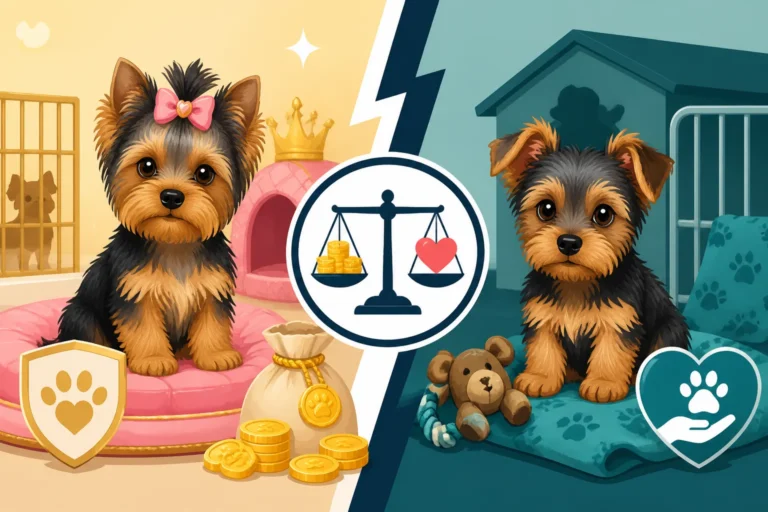
Adopting a rescue Yorkie comes with a host of benefits. Often, adult dogs have already been house-trained, understand basic commands, and their personality is fully developed, so you know exactly what you're getting. Many rescues provide extensive medical care, including spaying/neutering, vaccinations, dental work, and treatment for any existing conditions before adoption. This means you’re bringing home a dog that’s already been given a clean bill of health and is ready to integrate into your home. The adoption fees are typically much lower than purchasing a puppy from a breeder, and you're giving a deserving dog a second chance at a loving home. It's a fantastic way to honor the breed and avoid contributing to overpopulation. You can learn more about this route in our guide, Adopting vs Buying a Yorkshire Terrier.
Finding Yorkie Rescues in Pennsylvania
There are several excellent rescue organizations that focus on Yorkshire Terriers or toy breeds in Pennsylvania and surrounding states that serve the PA region. A simple online search for "Yorkie rescue Pennsylvania" will yield many results. Organizations like Yorkie Rescue of America or local all-breed rescues often have dedicated foster homes in Pennsylvania. Petfinder and Adopt-a-Pet are also great resources where you can search for Yorkies available for adoption by location.
When you contact a rescue, be prepared for a thorough application process. They will want to ensure you are a good fit for the dog, often including home visits and reference checks. This is a sign of a responsible rescue, and it shows their commitment to finding the best possible homes for their dogs. You might also find other related articles helpful, such as Yorkie Rescue: How to Adopt or Yorkie Vet Cost Breakdown.
Ultimately, whether you choose to go through a reputable breeder or adopt from a rescue, the goal is the same: to welcome a healthy, happy Yorkshire Terrier into your family who will bring you years of joy. The key is to be patient, do your research, and trust your instincts.
Disclaimer
This article is intended for informational purposes only and does not constitute veterinary advice. Always consult with a qualified veterinarian for any health concerns or before making any decisions about your pet's care. The information provided is based on general knowledge and should not be a substitute for professional veterinary examination.