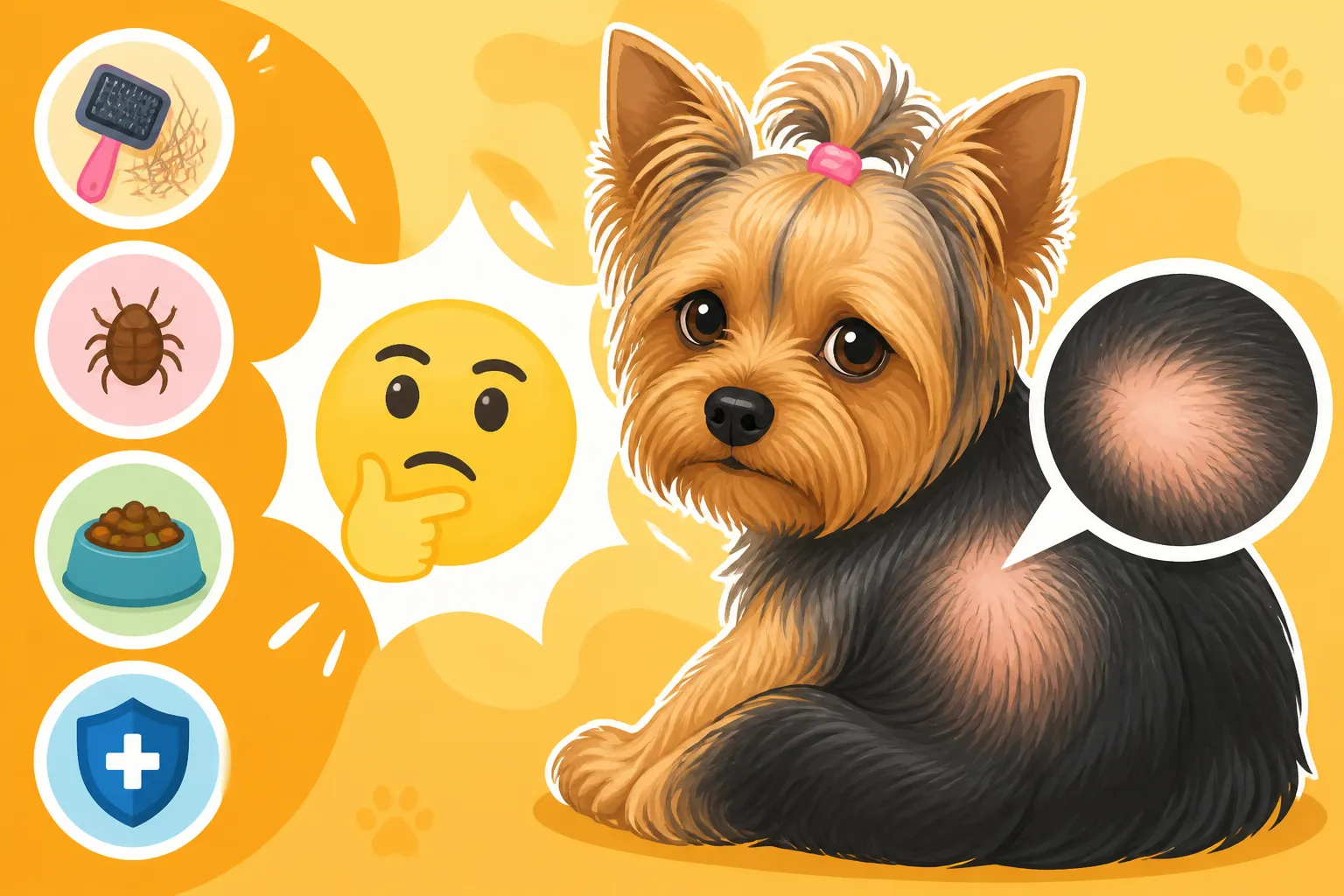
Why Is My Yorkie Hair Loss
Seeing your beloved Yorkshire Terrier's once-luxurious coat start to thin, or finding more hair than usual around the house, can be incredibly distressing. It's natural to feel a pang of worry when their signature silky strands seem to be disappearing, leaving behind bare patches or dullness. This guide is here to walk you through the many reasons why your Yorkie might be experiencing hair loss, from common causes to more serious underlying health concerns, and what you can do about it.
Understanding the Unique Yorkie Coat and Normal Shedding
Yorkshire Terriers are renowned for their beautiful, long, flowing coats that often feel more like human hair than typical dog fur. This distinctive characteristic is precisely why hair loss can be such a concern for their owners. Before diving into potential problems, it’s helpful to understand what’s considered normal for their unique locks.
The Unique Yorkie Coat: Hair Versus Fur
Unlike many dog breeds that have a double coat of dense fur, Yorkies possess a single layer of fine, silky hair. This isn't just a cosmetic difference; it impacts how they shed and react to environmental factors. Their hair grows continuously, much like human hair, rather than shedding in seasonal cycles like dogs with fur. This continuous growth is why regular grooming and trimming are essential to prevent their coats from becoming excessively long or matted. Because their hair growth mirrors ours, any disruption to the hair follicle or overall health can manifest as noticeable hair loss, often appearing more dramatic than in a typical shedding breed. When you do find stray hairs, it’s usually individual strands that have reached the end of their growth cycle or have been shed due to brushing, not clumps of undercoat.
Typical Shedding Patterns and What to Expect
Even with their "hair-like" coats, Yorkies still shed, just not in the same profuse way a Labrador or German Shepherd might. You might notice a few strands on your furniture or brush, particularly after a good grooming session. This is completely normal turnover, as old hair makes way for new. However, what you shouldn't see are bald spots, thinning patches, or excessive amounts of hair coming out with minimal contact. If you run your hands through your Yorkie's coat and come away with a significant wad of hair, or if areas of their skin are becoming visible, that’s a clear signal that something might be amiss beyond normal shedding. Keep an eye on the texture and overall health of their coat; a dull, brittle, or greasy coat accompanying hair loss is often a red flag.
Common Health Issues Causing Yorkie Hair Loss
Hair loss in Yorkies is frequently a symptom of an underlying health issue. Given their small size and sometimes delicate systems, they can be susceptible to various conditions that impact skin and coat health. Catching these early can make a big difference in treatment and recovery.
Skin Allergies and Irritations
Just like people, Yorkies can suffer from a range of allergies that manifest as itchy, irritated skin, often leading to hair loss from excessive scratching, licking, or chewing.
- Environmental Allergies (Atopy): Pollen, dust mites, mold spores – these common environmental allergens can trigger an allergic reaction in sensitive Yorkies. They might develop red, inflamed skin, especially on their paws, belly, ears, and face. The constant scratching and rubbing to relieve the itch can mechanically pull out hair, creating thinning areas or bald spots. Sometimes, secondary bacterial or yeast infections can develop in these irritated areas, further exacerbating the hair loss and discomfort. Identifying and minimizing exposure to these allergens, along with veterinary prescribed medications or immunotherapy, can help manage symptoms and prevent recurring hair loss.
- Food Allergies: Certain ingredients in your Yorkie's diet, most commonly proteins like chicken, beef, or dairy, can cause allergic reactions. Symptoms often include skin issues like itching and hair loss, but can also involve gastrointestinal upset. Your vet might recommend an elimination diet, where your Yorkie eats a novel protein or hydrolyzed protein diet for several weeks to see if symptoms improve. If this is the case, choosing a specialized diet for sensitive stomachs or allergies is crucial.
- Flea Allergy Dermatitis (FAD): Even a single flea bite can cause an intense allergic reaction in a flea-allergic Yorkie. The saliva from the flea bite triggers severe itching, especially around the base of the tail, hind legs, and abdomen. The furious scratching and biting can quickly lead to patchy hair loss, scabs, and skin infections. Consistent, year-round flea prevention is paramount for all Yorkies, but especially those with FAD. Products like Bravecto or NexGard are often recommended by vets.
Hormonal Imbalances
Hormonal disorders can profoundly affect a Yorkie's skin and coat, often leading to symmetrical hair loss that isn't typically itchy.
- Hypothyroidism: This condition occurs when the thyroid gland doesn't produce enough thyroid hormone. In Yorkies, while less common than in larger breeds, it can still occur. Symptoms include lethargy, weight gain, a dull and brittle coat, and hair loss that is often symmetrical on the flanks and body. Their skin might also become dry and flaky. A simple blood test can diagnose hypothyroidism, and it's usually managed with daily thyroid hormone supplementation, which can dramatically improve coat quality and overall well-being.
- Cushing's Disease (Hyperadrenocorticism): This is caused by the adrenal glands producing too much cortisol. It can be due to a tumor on the adrenal gland or the pituitary gland. In Yorkies, Cushing's can lead to a pot-bellied appearance, increased thirst and urination, and significant hair loss, particularly on the trunk of the body, sparing the head and legs. The skin might become thin, fragile, and hyperpigmented (darkened). Diagnosis involves specific blood and urine tests, and treatment options range from medication to surgery, depending on the underlying cause.
Parasites and Fungal Infections
External invaders and microbial overgrowth are common culprits for hair loss, often accompanied by intense itching and skin irritation.
- Mites (Demodex, Sarcoptes): Mites are tiny parasites that live on or in the skin. Demodectic mange (caused by Demodex mites) often results in patchy hair loss, especially around the face and forelegs, and can be localized or generalized. It's not always itchy. Sarcoptic mange (scabies, caused by Sarcoptes mites) is intensely itchy and highly contagious, leading to severe scratching, redness, scabbing, and widespread hair loss. Diagnosis usually involves skin scrapings examined under a microscope, and treatment involves specific antiparasitic medications, often in the form of oral medications or topical treatments.
- Ringworm (Dermatophytosis): Despite its name, ringworm is a fungal infection, not a worm. It typically causes circular patches of hair loss with red, scaly, crusty borders. It's contagious to humans and other pets. Diagnosis usually involves a fungal culture or Wood's lamp examination, and treatment can involve topical antifungal creams, medicated shampoos, and oral antifungal medications. It's important to treat the environment too, as spores can linger.
Nutritional Deficiencies
A balanced diet is fundamental for a healthy coat. If your Yorkie isn't getting the right nutrients, their hair can suffer.
- Protein and Essential Fatty Acids: Hair is primarily made of protein, so a diet lacking in high-quality protein can lead to a dull, brittle coat and increased shedding or poor hair regrowth. Similarly, essential fatty acids like Omega-3 and Omega-6 are crucial for skin barrier function and coat health. A deficiency can result in dry, flaky skin and a sparse, unhealthy coat. Ensuring your Yorkie is on a premium dog food formulated for small breeds, and potentially supplementing with vet-approved fish oil, can make a huge difference. You can often find great options that support skin and coat health in stores or online.
- Vitamins and Minerals: While less common with a well-balanced commercial diet, deficiencies in certain vitamins (like B vitamins) and minerals (like zinc or copper) can also impact hair growth and quality. These often present with other systemic symptoms, not just hair loss. A high-quality diet and regular veterinary check-ups are the best defense against such deficiencies. If you're considering a specialized diet, always consult with your vet.
Environmental and Lifestyle Factors Affecting Yorkie Hair
Beyond health issues, a Yorkie's environment and daily routine play a significant role in the health and appearance of their coat. Sometimes, simply adjusting a grooming routine or reducing stress can make a world of difference.
Grooming Practices and Product Choices
A Yorkie's long, silky hair requires consistent and careful grooming, but improper techniques or products can actually contribute to hair loss.
- Over-Grooming or Under-Grooming: Too much brushing, especially with harsh brushes or vigorous strokes, can pull out healthy hairs, particularly if there are tangles. On the other hand, under-grooming is a far more common issue for Yorkies. Their fine hair can quickly mat, especially behind the ears, under the legs, and on the belly. Mats pull tightly on the skin, causing pain, irritation, and even skin infections beneath them. These mats can also restrict blood flow to the hair follicles, leading to localized hair loss when they are finally removed. Regular, gentle brushing with the right tools (a pin brush and a metal comb are usually ideal) and professional grooming every 4-6 weeks are crucial.
- Harsh Shampoos and Conditioners: Using human shampoos, products with strong chemicals, or shampoos that are not pH-balanced for dogs can strip natural oils from your Yorkie's skin and hair, leading to dryness, irritation, and breakage. Always opt for high-quality, dog-specific shampoos and conditioners, ideally those formulated for sensitive skin or long coats. Look for gentle, hypoallergenic options. A good quality leave-in conditioner can also help protect their delicate strands.
- Tight Accessories: While adorable, tight bows, bands, or even certain harnesses can cause friction and tension on a Yorkie’s hair, leading to breakage and localized hair loss over time. If you use topknots, make sure they aren't pulled too tight and are changed regularly. For walking, consider a harness designed for small dogs, as they distribute pressure more evenly and help prevent Why Harnesses Are Better Than Collars for Yorkies.
Stress and Anxiety
Emotional well-being can directly impact physical health, and hair loss can sometimes be a sign of significant stress in your Yorkie.
- Separation Anxiety: Yorkies are known for forming strong bonds with their owners and can be prone to separation anxiety. When left alone, anxious Yorkies might engage in excessive licking, chewing, or pacing. This compulsive licking can cause "lick granulomas" or simply irritate the skin so much that hair falls out in the affected areas, often on their legs or belly. Addressing the root cause of the anxiety through training, enrichment, and sometimes medication is key. This could involve slowly acclimatizing them to your absence or providing mental stimulation games for Yorkies.
- Changes in Routine or Environment: Dogs thrive on routine, and significant changes—like moving to a new home, the arrival of a new baby or pet, or even a change in your work schedule—can be stressful for a sensitive Yorkie. This stress can manifest physically, including changes in coat quality or increased shedding. Creating a predictable routine, providing plenty of reassurance, and ensuring they have a safe, quiet space can help them cope. For more severe cases, your vet might suggest calming supplements or behavioral modification techniques.
Seasonal Changes and Weather
While Yorkies don't have dramatic seasonal shedding cycles like some breeds, extreme weather can still impact their coat.
- Dry Winter Air: Cold, dry indoor air, especially with heating systems running, can dehydrate your Yorkie's skin and hair, making it more prone to dryness, flakiness, and breakage. Using a humidifier, adding a vet-approved omega fatty acid supplement to their diet, and ensuring their shampoo is moisturizing can help combat this.
- Sunburn: Though less common, severe sunburn on areas with sparse hair can damage skin and follicles, leading to temporary or even permanent hair loss. If your Yorkie loves to sunbathe, especially if they have a shorter cut, consider pet-safe sunscreens or limiting prolonged exposure during peak UV hours.
When to Seek Veterinary Attention for Yorkie Hair Loss
It's tempting to try and fix hair loss problems at home, but given the delicate nature of Yorkies and the wide range of potential causes, a professional diagnosis is almost always the best first step. Early intervention can prevent minor issues from becoming major health problems.
Identifying Red Flag Symptoms
While some mild shedding is normal, certain signs should prompt an immediate call to your veterinarian. Look for:
- Symmetrical hair loss: Hair loss that appears equally on both sides of the body is often indicative of an underlying systemic issue, such as a hormonal imbalance or a nutritional deficiency.
- Bald patches or thinning: If you can see bare skin or their coat is noticeably thinner in specific areas or all over, it's a concern.
- Redness, inflammation, or scabs: These suggest skin irritation, infection, or parasitic activity that needs treatment.
- Excessive itching, licking, or chewing: This indicates intense discomfort and often points to allergies, parasites, or anxiety.
- Dull, brittle, or greasy coat: A healthy Yorkie coat should be soft and silky. Any change in texture can be a sign of illness or poor nutrition.
- Changes in behavior: Lethargy, increased thirst, changes in appetite, or weight gain accompanying hair loss could point to a more serious internal issue.
- Foul odor from the skin: This can signal a bacterial or yeast infection.
If you observe any of these "Why Is My Yorkie Shaking" or other concerning symptoms, don't delay in reaching out to your vet.
The Veterinary Diagnostic Process
When you take your Yorkie to the vet for hair loss, they will conduct a thorough examination and likely recommend a series of tests to pinpoint the cause. This might include:
- Physical Examination: The vet will carefully examine your Yorkie’s skin, coat, and overall body condition. They’ll look for visible parasites, rashes, bumps, or specific patterns of hair loss.
- Skin Scrapes and Hair Plucks: These quick, minimally invasive tests involve gently scraping a small sample of skin or plucking a few hairs to examine under a microscope for mites, fungi, or bacterial overgrowth.
- Blood Tests: A complete blood count (CBC) and biochemistry panel can assess overall health, organ function, and identify signs of infection or inflammation. Specific blood tests might be run to check thyroid hormone levels (for hypothyroidism) or cortisol levels (for Cushing's disease).
- Allergy Testing: If allergies are suspected, your vet might discuss options like elimination diets for food allergies or environmental allergy testing (blood tests or intradermal skin tests) to identify specific triggers.
- Fungal Cultures: To confirm ringworm, a hair sample might be sent to a lab for fungal culture.
Understanding these steps can help you feel more prepared for your visit. Remember, pet insurance like Healthy Paws can be incredibly beneficial in covering the costs associated with diagnostic tests and ongoing treatments for chronic conditions that cause hair loss.
Treatment Options and Management
Once a diagnosis is made, your vet will recommend a tailored treatment plan. This could involve:
- Medications: Depending on the cause, your Yorkie might need oral antibiotics for bacterial infections, antifungals for ringworm, antiparasitics for mites or fleas, or hormone replacement therapy for thyroid issues. For allergies, antihistamines, steroids, or specialized allergy medications might be prescribed.
- Topical Treatments: Medicated shampoos, conditioners, or sprays can soothe irritated skin, kill parasites, or treat fungal infections.
- Dietary Changes: For food allergies or nutritional deficiencies, a prescription diet or specific supplements (like omega fatty acids) will be recommended. This is a critical step in managing conditions like Yorkie Liver Shunt: Diet and Care.
- Environmental Management: Reducing exposure to allergens, consistent flea control, and improving air quality can go a long way.
- Behavioral Therapy: For stress-induced hair loss, working with a veterinary behaviorist or using anxiety-reducing techniques can be beneficial.
- Ongoing Monitoring: Many conditions causing hair loss, especially hormonal imbalances or allergies, require long-term management and regular follow-up with your vet. This is where having a comprehensive pet insurance plan from a provider like Healthy Paws can truly offer peace of mind, helping you manage unexpected or ongoing veterinary expenses without compromising your Yorkie's care.
Understanding the potential causes of your Yorkie’s hair loss and knowing when to seek professional help are crucial for their health and happiness. By being observant and proactive, you can help your furry friend regain their glorious coat and live a comfortable, healthy life.
| Potential Cause of Yorkie Hair Loss | Key Indicators / Symptoms | Common Treatment Approach |
|---|---|---|
| Allergies | Intense itching, redness, inflammation, patchy hair loss (often from scratching), sometimes ear infections or GI upset. | Allergy medication, elimination diet, flea prevention, medicated shampoos. |
| Hormonal Imbalances | Symmetrical hair loss (often on body/flanks), dull/brittle coat, lethargy, weight changes, increased thirst/urination. | Hormone replacement therapy (e.g., for hypothyroidism), specific medications (for Cushing's). |
| Parasites (Mites, Fleas) | Intense itching (scabies/fleas), visible bald patches (mange), scabs, redness, presence of fleas/flea dirt. | Antiparasitic medications (oral, topical), flea prevention. |
| Fungal Infections (Ringworm) | Circular patches of hair loss with red, scaly, crusty borders; can be itchy. | Antifungal medications (oral, topical), medicated shampoos, environmental decontamination. |
| Nutritional Deficiencies | Dull, brittle, sparse coat; slow regrowth; dry/flaky skin; sometimes other systemic signs if severe. | High-quality diet, vet-approved supplements (e.g., omega fatty acids). |
| Grooming Issues | Mats pulling on skin, localized breakage/loss from tight accessories or harsh brushing, dry/irritated skin from wrong products. | Regular, gentle grooming; appropriate brushes/shampoos; professional grooming; avoiding tight accessories. |
| Stress/Anxiety | Excessive licking/chewing (localized hair loss), changes in behavior, signs of Yorkie Separation Anxiety: Signs and Fixes. | Behavioral modification, enrichment, calming supplements, vet-prescribed anxiety medication. |
Disclaimer
The information provided in this article is for general informational purposes only and is not a substitute for professional veterinary advice. Always consult with a qualified veterinarian for any health concerns or before making any decisions related to your pet's health and treatment.