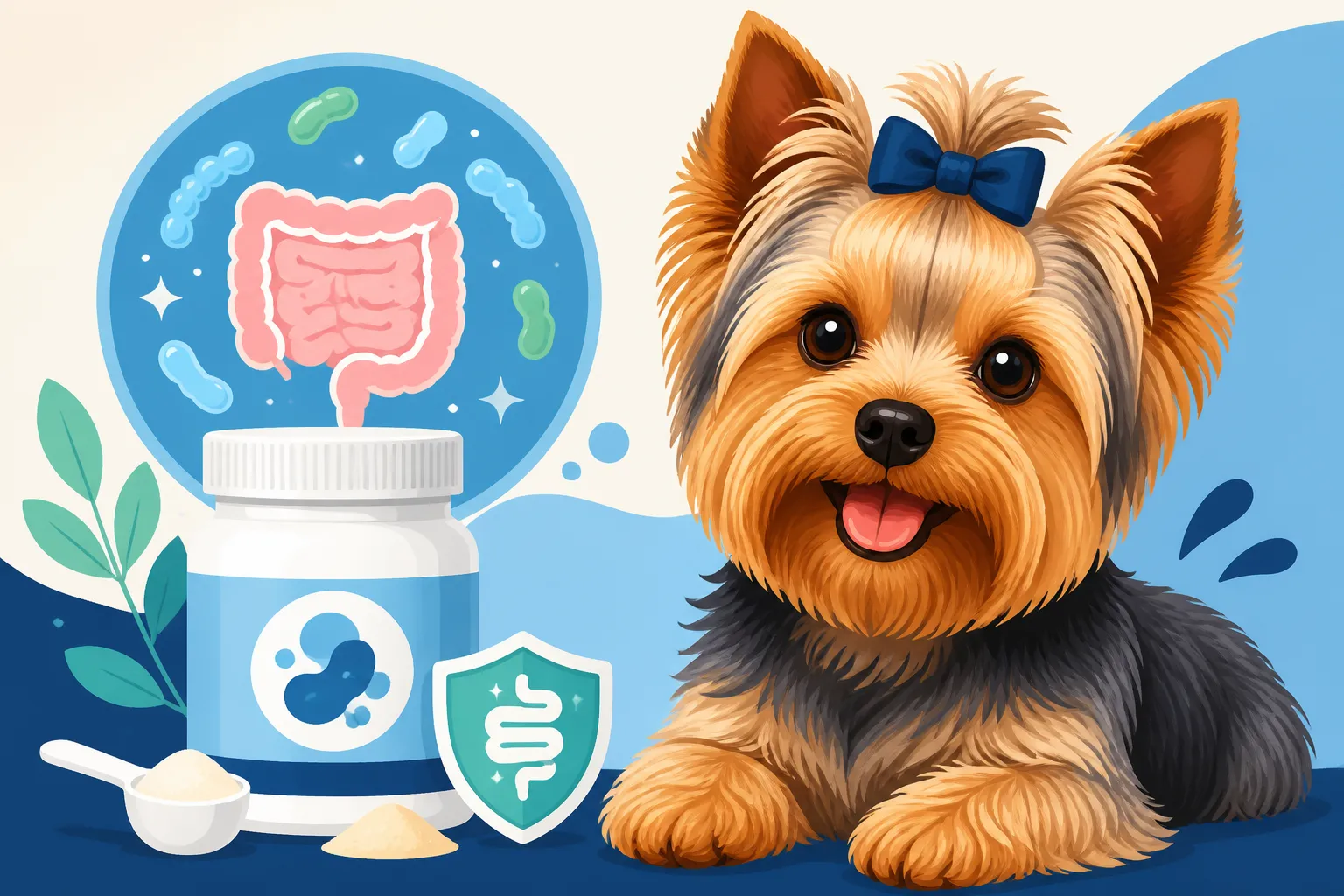
Best Probiotics for Yorkshire Terriers
It's incredibly frustrating when your little Yorkshire Terrier isn't feeling their best, especially when it comes to their tummies. Digestive issues like upset stomachs, irregular bowel movements, or even skin problems can make both you and your furry friend miserable. This comprehensive guide will help you understand the vital role probiotics play in your Yorkie's health and how to choose the best ones to support their delicate digestive system.
Understanding Your Yorkie's Digestive Health
Yorkshire Terriers, despite their big personalities, are a tiny breed with some unique health considerations, and their digestive systems often fall into that category. Many Yorkie parents know the struggle of a sensitive stomach all too well. It’s not uncommon for these little dogs to experience issues that range from mild discomfort to more serious conditions, making proactive care absolutely essential.
Why Yorkies Have Sensitive Stomachs
Our beloved Yorkies often seem to have a more delicate constitution when it comes to digestion compared to larger breeds. There are a few reasons for this. Firstly, their small size means their digestive tract is also miniature, and they can be more susceptible to rapid changes in their gut environment. A sudden change in diet, for instance, that a Labrador might barely notice, could send a Yorkie into a tailspin of diarrhea or vomiting. Stress, too, plays a huge role; even a simple change in routine or a trip to the groomer can sometimes trigger digestive upset. This is why understanding the specific challenges your little companion faces is crucial for their well-being.
Beyond everyday stressors, Yorkies are also predisposed to certain health conditions that directly impact their gut. For example, some may experience food sensitivities or allergies, which can manifest as chronic digestive issues like loose stools or excessive gas. Conditions such as pancreatitis, an inflammation of the pancreas, can also be a concern and greatly affect their ability to digest food properly. Knowing the signs to look out for, like those discussed in "Yorkie Pancreatitis: Signs and Care," can help you act quickly. Their small mouths also make them prone to dental problems, and while it might not seem directly related, poor oral health can introduce bacteria into the digestive system, further complicating matters. It’s a delicate balance, and any disruption can throw their whole system off track.
The Role of the Gut Microbiome
Think of your Yorkie’s gut as its own bustling city, filled with trillions of microorganisms – bacteria, fungi, and viruses – collectively known as the gut microbiome. This tiny ecosystem is far more powerful than you might imagine, influencing almost every aspect of their health. When this microbiome is balanced, with a healthy ratio of beneficial bacteria to harmful ones, everything tends to run smoothly. These good bacteria aid in digestion, helping your Yorkie break down food and absorb vital nutrients. They produce important vitamins, help regulate metabolism, and even play a significant role in mood and behavior.
But the gut microbiome isn't just about digestion; it's a cornerstone of their immune system. A healthy gut means a stronger defense against pathogens and a reduced risk of inflammatory responses throughout the body, including those that might contribute to allergies or skin issues. In fact, a whopping 70-80% of a dog's immune system resides in their gut! When this delicate balance is disturbed – perhaps by a course of antibiotics, a parasitic infection, or even chronic stress – the beneficial bacteria can diminish, allowing harmful bacteria to proliferate. This imbalance, known as dysbiosis, can lead to a host of problems from chronic diarrhea and constipation to a dull coat and even behavioral changes. That’s where carefully selected probiotics can come in, helping to restore harmony to that vital inner ecosystem. Learning "How to Keep a Yorkshire Terrier Healthy" often starts right here, in their gut.
What Are Probiotics and How Do They Work?
Probiotics are live microorganisms, often bacteria, that when administered in adequate amounts, confer a health benefit on the host. Essentially, they are the "good" bacteria that help maintain balance in your Yorkie's gut. They're not just about digestion; they're about overall wellness, from a shiny coat to a resilient immune system. Understanding what they are and how they function can be a game-changer for many Yorkie owners.
Demystifying Probiotic Strains
When you look at probiotic supplements, you'll see a lot of scientific names listed, like Lactobacillus acidophilus or Bifidobacterium animalis. These are different strains of beneficial bacteria, and each one can have slightly different benefits. Think of it like a team of superheroes, each with their own special power.
- Lactobacillus strains: These are often found in fermented foods and are excellent for digestive support. For example, Lactobacillus acidophilus is known for its ability to help break down lactose and produce lactic acid, which can inhibit the growth of harmful bacteria. Lactobacillus plantarum is another common one, good for reducing inflammation and supporting overall gut lining integrity. If your Yorkie frequently experiences loose stools or "Yorkie Diarrhea: When to Worry," these strains can be incredibly helpful in firming things up.
- Bifidobacterium strains: These strains are particularly important for immune system modulation and can help produce short-chain fatty acids, which are vital for colon health. Bifidobacterium animalis subspecies lactis is a well-researched strain known for its efficacy in improving stool quality and reducing gastrointestinal upset in dogs.
- Saccharomyces boulardii: This isn't a bacterium at all, but a beneficial yeast. It’s unique because it's not affected by antibiotics, making it a fantastic choice to use concurrently if your Yorkie is on a course of medication that might otherwise wipe out good gut bacteria. It's particularly effective at treating antibiotic-associated diarrhea and has anti-inflammatory properties.
Many effective probiotic supplements for dogs will contain a blend of several different strains to provide a broader spectrum of benefits, addressing various aspects of gut health, from digestion to immunity.
When to Consider Probiotics for Your Yorkie
Probiotics aren't just for when your Yorkie is actively sick; they can be a fantastic tool for preventative care and managing chronic conditions. Here are some common scenarios where probiotics can make a real difference:
- After Antibiotics: This is perhaps the most common reason vets recommend probiotics. Antibiotics, while necessary to fight bacterial infections, are indiscriminate. They kill both the bad bacteria and the good bacteria in your Yorkie’s gut. Supplementing with probiotics during and after an antibiotic course helps to repopulate the gut with beneficial flora, preventing issues like antibiotic-induced diarrhea.
- During Periods of Stress: Yorkies can be quite sensitive little dogs, and stress from moving, boarding, a new pet, or even just changes in your daily routine can manifest as digestive upset. Giving probiotics during these times can help support their gut and ease their digestive system through the transition.
- Digestive Upset: If your Yorkie experiences recurring bouts of mild diarrhea, constipation, or excessive gas, probiotics can often help regulate their bowel movements and improve overall digestive comfort. For more serious issues, or if you're asking "Yorkie Vomiting: When to Worry," always consult your vet first.
- Food Changes or Sensitivities: Switching your Yorkie’s food, even to one of the "Best Dog Food for Yorkshire Terriers," can sometimes cause temporary digestive upset. Probiotics can smooth this transition. For Yorkies with ongoing food sensitivities or allergies, a healthy gut microbiome can help to reduce inflammatory responses and improve nutrient absorption. "Yorkie Allergies: Signs and Relief" often highlight digestive issues as a key symptom.
- Skin and Coat Issues: Believe it or not, a healthy gut is often reflected in a healthy coat. If your Yorkie struggles with dry, itchy skin, excessive shedding, or a dull coat, an imbalanced gut might be a contributing factor. Probiotics can support skin health from the inside out.
- Aging Yorkies: As dogs age, their digestive efficiency can decrease. Probiotics can help senior Yorkies maintain optimal digestion and nutrient absorption, supporting their overall vitality. This can be a key part of "How to Care for a Senior Yorkie."
Choosing the Best Probiotics for Your Yorkshire Terrier
With so many options on the market, picking the right probiotic for your tiny Yorkie can feel a bit overwhelming. It's not just about grabbing the first thing you see; you need to consider quality, potency, and suitability for small breeds.
Key Factors to Look For
When you're sifting through probiotic products, keep these critical elements in mind to ensure you're getting something truly beneficial for your Yorkie:
- CFUs (Colony-Forming Units): This number indicates the potency of the probiotic – how many live, active organisms are in each dose. For small dogs like Yorkies, you're generally looking for products with billions of CFUs (e.g., 1-10 billion). However, more isn't always better; the right blend of strains is often more important than an astronomically high CFU count. Ensure the CFUs are guaranteed at the time of expiration, not just at the time of manufacture, as viability can decrease over time.
- Diverse Strains: As we discussed, different strains offer different benefits. A probiotic with multiple, well-researched strains (like Lactobacillus and Bifidobacterium species, and possibly Saccharomyces boulardii) will provide a broader spectrum of support for your Yorkie’s gut health. Look for at least 3-5 different strains.
- Added Prebiotics: Many high-quality probiotics for dogs also include prebiotics. Prebiotics are non-digestible fiber compounds that act as "food" for the beneficial bacteria, helping them to flourish and multiply in the gut. Common prebiotics include FOS (fructooligosaccharides) and inulin. This synergistic combination is often referred to as a "synbiotic."
- Third-Party Testing and Quality Assurance: The supplement industry isn't as tightly regulated as pharmaceuticals, so looking for brands that undergo third-party testing is crucial. This ensures the product actually contains what it claims to, and in the amounts specified, and is free from contaminants. Certifications or seals from organizations like the National Animal Supplement Council (NASC) are a good indicator of quality and adherence to manufacturing standards.
- No Unnecessary Fillers or Allergens: Yorkies can be prone to sensitivities, so check the ingredient list for artificial colors, flavors, preservatives, or common allergens like corn, soy, or wheat. You want a product that's as pure and natural as possible.
- Storage and Stability: Probiotics are live organisms, so their viability can be affected by heat and moisture. Some probiotics require refrigeration, while others are shelf-stable. Always follow the storage instructions carefully to ensure the product remains effective.
Types of Probiotic Supplements
Probiotics for dogs come in a few different formats, each with its own advantages, which might influence what works best for your Yorkie and your routine.
- Powders: This is a very common and often highly effective form. Probiotic powders can be easily sprinkled over your Yorkie's wet or dry food. They allow for flexible dosing, which is great for small dogs where you might need to start with a tiny amount and gradually increase. Many reputable brands offer powders, and you can often find them on sites like Chewy or Amazon with plenty of customer reviews to guide you.
- Chews: Probiotic chews are like tasty treats infused with beneficial bacteria. These can be a fantastic option if your Yorkie is picky about powders in their food, as they often view them as a reward. Ensure the chews are small enough for your Yorkie and check the sugar content and other ingredients to avoid unnecessary fillers.
- Fortified Foods: Some premium dog foods, particularly those formulated for sensitive stomachs, include probiotics directly in their kibble or wet food. While convenient, the heat processing involved in making kibble can sometimes reduce the viability of probiotics. Additionally, the specific strains and CFU count might not be as high as in dedicated supplements. However, for a general daily boost, brands like Ollie, which focus on fresh, gently cooked meals, often incorporate beneficial ingredients that support gut health. If your Yorkie is on a specific "Yorkshire Terrier Food For Sensitive Stomach," check if it already contains probiotics.
Top Recommended Probiotic Brands and Products
When it comes to specific products, a few brands consistently stand out for their quality and effectiveness in supporting canine digestive health. Remember, consulting your vet before introducing any new supplement is always a good idea, especially if your Yorkie has underlying health conditions.
- Purina Pro Plan Veterinary Diets FortiFlora Canine Probiotic Supplement: This is a widely recommended and well-researched probiotic, often prescribed by veterinarians. It comes in convenient powder sachets that are easy to sprinkle on food. While it contains only one strain (Enterococcus faecium), it's a very effective and stable one, proven to help with diarrhea and immune support. You can usually find FortiFlora on Chewy or through your vet's office.
- Nutramax Proviable-Forte: This is another vet-favorite, especially for acute digestive upset. Proviable-Forte contains both probiotics and prebiotics, delivered in capsules and a paste for immediate relief in severe cases. It offers a good blend of beneficial bacteria.
- Zesty Paws Probiotic Bites: For Yorkies who prefer a chewable format, Zesty Paws offers a popular option. Their Probiotic Bites come in various flavors and often combine multiple probiotic strains with prebiotics and other beneficial ingredients like digestive enzymes. Many pet parents find these easy to administer, and they’re readily available on Amazon.
- Solid Gold Supplements: Solid Gold offers a range of supplements, including a popular probiotic powder that includes digestive enzymes and a comprehensive blend of cultures. They are known for focusing on holistic health.
- Bernie’s Perfect Poop: This product is a combination of fiber, prebiotics, and probiotics, aiming to improve stool quality, reduce gas, and support overall digestive health. It's a powder that mixes easily with food and is often praised by owners of dogs with chronic loose stools.
Here’s a quick comparison of some popular options:
| Probiotic Product | Format | Key Strains (Examples) | Prebiotic? | CFU Count (Approx.) | Key Benefit | Where to Find |
|---|---|---|---|---|---|---|
| Purina Pro Plan FortiFlora | Powder | Enterococcus faecium | No | 100 million | Vet-recommended for acute diarrhea, immune support | Chewy, Vet Offices, some Amazon sellers |
| Nutramax Proviable-Forte | Capsule/Paste | Enterococcus faecium, Bifidobacterium bifidum | Yes | 5 billion | Acute and chronic diarrhea, gut balance | Vet Offices, Chewy, Amazon |
| Zesty Paws Probiotic Bites | Chew | Multiple Lactobacillus, Bifidobacterium | Yes | 3-6 billion | Daily digestive maintenance, immune support | Amazon, Pet Stores |
| Solid Gold Supplements Seameal | Powder | Lactobacillus acidophilus | Yes (kelp) | N/A (focus on whole foods) | Digestion, skin & coat, immune support | Chewy, Pet Stores, Amazon |
| Bernie's Perfect Poop | Powder | Multiple Lactobacillus, Bifidobacterium | Yes | 2 billion | Stool quality, gas reduction, fiber intake | Amazon, Pet Stores |
Remember that what works perfectly for one Yorkie might not be the ideal solution for another. It's often a process of trial and error, guided by your vet’s advice, to find the best fit for your furry friend's specific needs.
Incorporating Probiotics into Your Yorkie's Routine
Once you’ve chosen a probiotic, the next step is to introduce it to your Yorkie effectively and monitor their response. Since Yorkies are small and can be sensitive, a gentle approach is always best.
Proper Dosage and Administration
The most important rule when starting any new supplement, especially with a small breed like a Yorkie, is to start slow. Don't jump straight to the full recommended dose, even if the packaging specifies it for their weight. Begin with a quarter or half of the recommended dose for a few days, especially if your Yorkie has a particularly sensitive stomach or is dealing with ongoing issues. This allows their system to gradually adjust to the new beneficial bacteria without causing further upset.
Most probiotic powders can be sprinkled directly onto your Yorkie's food. If your Yorkie eats dry kibble, you might want to moisten it slightly with a tiny bit of water or low-sodium broth to help the powder stick. For picky eaters, mixing the powder into a small amount of plain yogurt (ensure it's plain, unsweetened, and free of xylitol!), canned pumpkin, or a small portion of their regular wet food from a brand like Ollie can make it more palatable. When it comes to chews, simply offer them as a treat according to the adjusted dosage.
Consistency is key. Probiotics work best when given regularly, ideally at the same time each day. If your Yorkie is on antibiotics, try to administer the probiotic a few hours apart from the antibiotic dose to maximize the survival of the beneficial bacteria. Always double-check the storage instructions for your specific probiotic. Some require refrigeration, while others are shelf-stable. Proper storage ensures the live cultures remain viable and effective for your Yorkie. For information on "How Much to Feed a Yorkie and Monthly Cost," consider how supplements factor into your overall budget and feeding routine.
Monitoring Your Yorkie's Response
After you introduce a probiotic, it's crucial to pay close attention to your Yorkie’s body language and physical signs. It’s not always an instant fix; some improvements can take days or even a few weeks to become noticeable.
What you're looking for are positive changes in their digestive health:
- Improved Stool Quality: This is usually the first and most obvious sign. You want to see well-formed, consistent stools that are easy to pick up. Less diarrhea or constipation is a good indicator.
- Reduced Gas and Bloating: If your Yorkie was prone to excessive gas or a distended belly, you might notice a decrease in these symptoms.
- Increased Appetite and Energy: A healthier gut can lead to better nutrient absorption, which can, in turn, boost your Yorkie’s overall vitality and appetite.
- Better Coat and Skin Condition: Over time, if underlying gut issues were contributing to skin problems, you might notice a shinier coat and less itching or irritation.
- Overall Disposition: Sometimes, digestive discomfort can make dogs irritable or restless. A happier tummy can lead to a more relaxed and content Yorkie.
On the flip side, if you notice any negative changes, such as increased diarrhea, vomiting, or lethargy, stop the probiotic immediately and consult your veterinarian. While rare, some dogs can have sensitivities to specific ingredients or strains. Keeping a small journal of their bowel movements, appetite, and energy levels can be incredibly helpful in tracking progress and discussing it with your vet. Remember, a probiotic is a supplement to good care, not a replacement for veterinary advice, especially when dealing with any "Yorkshire Terrier Health Problems to Know."
Disclaimer
The information provided in this article is for educational and informational purposes only and does not constitute veterinary advice. Always consult with a qualified veterinarian for any health concerns or before making any decisions about your Yorkshire Terrier's diet, medication, or health care routine.