How to Manage a Yorkie’s Sensitive Stomach
Yorkshire Terrier digestive care involves recognizing upset symptoms, choosing suitable sensitive foods, and maintaining consistent feeding schedules.
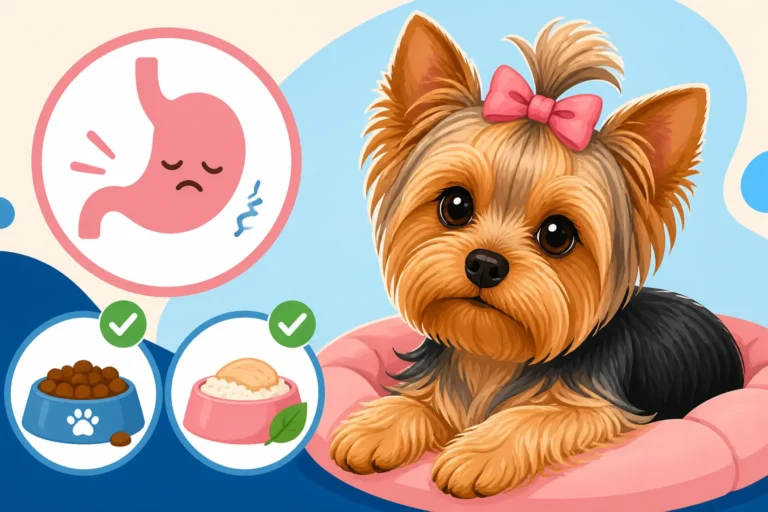
Yorkshire Terrier digestive care involves recognizing upset symptoms, choosing suitable sensitive foods, and maintaining consistent feeding schedules.
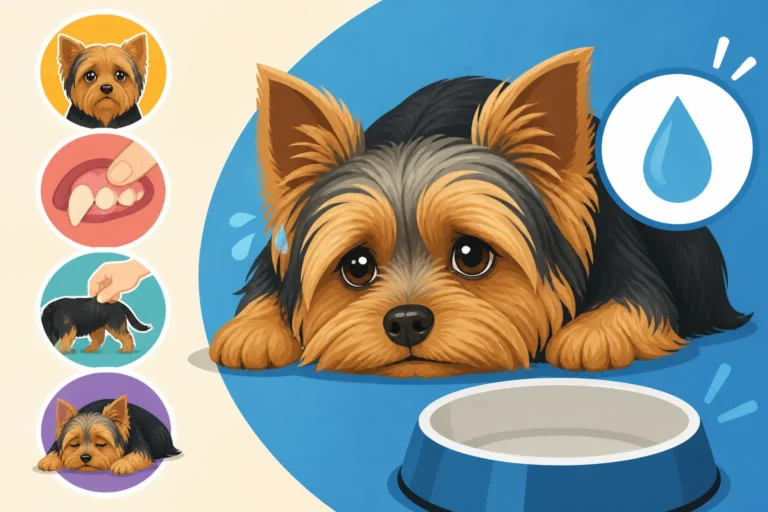
Yorkshire Terrier dehydration causes symptoms like dry gums, skin tenting, sunken eyes, and lethargy, which require immediate veterinary attention.

Yorkshire Terrier dehydration signs, daily water requirements, and practical strategies help pet parents keep small dogs healthy and properly hydrated.

Yorkshire Terrier weight management relies on understanding daily caloric needs and selecting safe snacks like green beans, freeze-dried liver, or carrots.

A Yorkshire Terrier weight loss guide explains safe diets, portion control, smart snacking, and tailored exercise routines for small dogs.

Underweight Yorkshire Terriers need tailored diets, scheduled meals, and veterinary care to safely and effectively gain healthy weight.

Yorkshire Terrier food toppers are safe, beneficial ingredients added to kibble to help picky eaters and improve overall nutrition and hydration.

Yorkshire Terrier nutrition comparisons between kibble and raw diets cover ingredients, convenience, preparation steps, and health risks.

Freeze-dried dog food provides Yorkshire Terriers with high nutrient retention, better digestion, and rich flavor for picky eaters.

Fresh food delivery services offer Yorkies tailored human-grade meals to improve sensitive stomachs and picky eating habits.