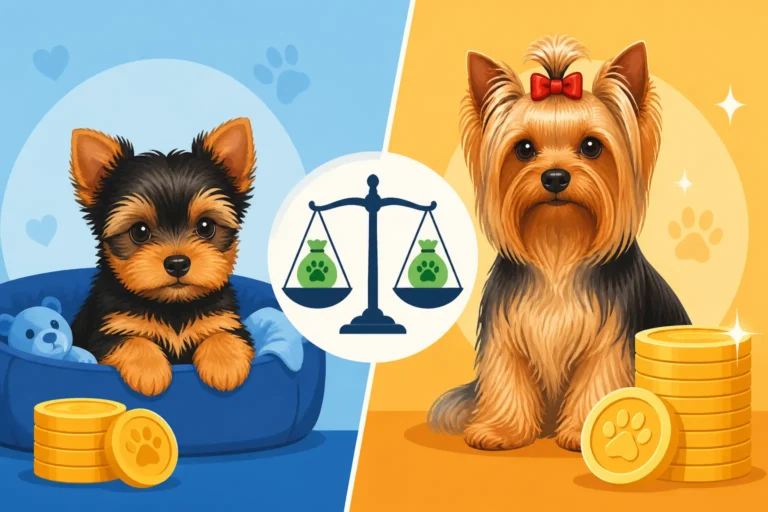
AKC vs Non-AKC Yorkie Price
Bringing a new Yorkshire Terrier into your life is an incredibly exciting journey, but it can also come with its fair share of head-scratching questions, especially when you start looking at prices. One of the biggest points of confusion for prospective Yorkie parents often revolves around the price difference between an AKC-registered Yorkshire Terrier and one that isn’t. You're not alone if you've found yourself wondering if those "official" papers truly warrant a higher price tag. This comprehensive guide is here to unravel the complexities of Yorkie pricing, dissecting what AKC registration means, how it impacts the cost of your furry companion, and helping you understand the real value behind those initial numbers.
Unpacking AKC Registration: More Than Just Pedigree Papers
The American Kennel Club (AKC) is widely recognized as the primary registry of purebred dogs in the United States. When you hear a breeder talk about "AKC papers" or an "AKC-registered Yorkie," they're referring to this official recognition. But what does that truly mean for you, the potential owner, and more importantly, for the Yorkie itself? It's far more than just a piece of paper; it's an indication of lineage, adherence to breed standards, and often, a commitment to responsible breeding practices.
What AKC Registration Actually Signifies
At its core, AKC registration is a verifiable record of a dog's pedigree. It means that both parents of your Yorkshire Terrier were also registered with the AKC, and their lineage can be traced back through generations of purebred Yorkies. This record helps ensure the dog's breed purity and provides a certain level of predictability regarding its appearance, temperament, and size, all of which are defined by the official breed standard. It's like having a birth certificate and family tree all rolled into one, confirming that your little furball is indeed a genuine Yorkshire Terrier. This isn't just about bragging rights; it's about safeguarding the integrity of the breed.
When you look into purchasing a Yorkshire Terrier, especially if you're concerned about health or specific breed traits, understanding the dog's lineage can be incredibly helpful. AKC registration offers that transparency, linking your puppy directly to a known genetic pool. This can sometimes give you peace of mind, knowing that the breeder has followed a clear path in their breeding program. It also provides access to various AKC events, such as dog shows and obedience trials, if that's something you might be interested in pursuing down the line.
The Rigorous Standards Behind AKC Recognition
The AKC doesn't just register any dog; there's a certain level of adherence to breed standards and ethical practices involved. For a breeder to register a litter, they must provide documentation proving the identity of the dam (mother) and sire (father), their registration numbers, and the date of breeding. While the AKC itself doesn't directly inspect every breeding facility, the reputation and commitment of AKC-registered breeders often align with the organization's emphasis on responsible breeding.
Responsible AKC breeders strive to produce dogs that conform to the breed standard, meaning they aim for specific physical characteristics and temperamental traits that define a Yorkshire Terrier. This often involves careful selection of breeding pairs to minimize the risk of genetic health issues and to maintain the breed's distinct qualities. It’s a painstaking process that goes far beyond simply breeding two dogs; it involves extensive research, health screenings, and a deep understanding of genetics. These standards contribute significantly to the perceived value and, consequently, the higher price of an AKC-registered Yorkie.
Benefits of Owning an AKC Registered Yorkie
Beyond just knowing your Yorkie's lineage, there are several tangible benefits that come with AKC registration. For one, it opens up a world of organized dog sports and activities. If you've ever dreamed of showcasing your Yorkie's charm in conformation shows, agility trials, or obedience competitions, AKC registration is typically a prerequisite. It connects you to a broader community of enthusiasts who share a passion for the breed.
Furthermore, AKC registration can sometimes be seen as an indicator of a more responsible breeding background. While not a guarantee, breeders who go through the effort of AKC registration often invest more in their breeding programs, including genetic health testing for common Yorkshire Terrier health problems to know, ensuring proper veterinary care for the parents, and providing early socialization for puppies. This commitment to quality breeding can translate into a healthier, more well-adjusted puppy, potentially saving you heartache and unexpected vet bills down the road. It also offers the opportunity to get a beautiful certificate with your dog's registered name, which many owners cherish.
Decoding the Cost of an AKC Yorkshire Terrier
When you encounter the price tag for an AKC-registered Yorkshire Terrier, it’s understandable to experience a bit of sticker shock. These puppies often command prices ranging from $1,500 to $3,500, and sometimes even higher. This isn't just an arbitrary number; it reflects the significant investment and meticulous care that ethical AKC breeders put into their breeding programs. Understanding these underlying factors can help you appreciate why these puppies are priced the way they are.
Breeder Reputability and Ethical Practices
A reputable AKC breeder doesn't just breed dogs for profit; they are passionate about the Yorkshire Terrier breed and dedicated to its welfare and improvement. This dedication manifests in numerous ways that directly impact the cost of their puppies. They invest in high-quality breeding stock, which often means purchasing their own foundation dogs from other reputable breeders, sometimes with champion bloodlines, at substantial expense. These breeders adhere to strict ethical guidelines, ensuring their adult dogs are healthy, well-socialized, and live in clean, enriching environments.
Their commitment extends to the puppies as well. Ethical breeders provide excellent prenatal care for the mother, proper nutrition, and extensive veterinary care for the puppies, including initial vaccinations, deworming, and health checks. They also spend a tremendous amount of time on early socialization, ensuring the puppies are exposed to various sights, sounds, and experiences, which helps them develop into confident, well-adjusted adults. All these efforts, from careful breeding selection to comprehensive puppy care, are factored into the initial How Much Does a Yorkshire Terrier Cost price. Finding a reputable Yorkie breeder takes time and effort, but it's an investment in your puppy's future well-being.
Health Clearances and Genetic Testing
One of the most crucial aspects of responsible AKC breeding, and a significant contributor to the cost, is comprehensive health screening and genetic testing of the parent dogs. Yorkshire Terriers, like all breeds, are prone to certain inherited health conditions, such as patellar luxation, Legg-Calve-Perthes disease, and portosystemic shunts. Ethical breeders proactively test their breeding stock for these and other relevant genetic markers to minimize the likelihood of passing them on to their offspring.
These health clearances are not cheap. DNA tests, hip and elbow evaluations, eye certifications, and cardiac screenings all add up. For instance, obtaining certifications from organizations like the Orthopedic Foundation for Animals (OFA) or the Canine Eye Registry Foundation (CERF) for multiple breeding dogs can represent a substantial financial outlay. When you purchase an AKC puppy from a breeder who has invested in these tests, you’re not just paying for a puppy; you’re investing in a higher probability of a healthier companion, potentially avoiding costly veterinary treatments in the future. This kind of preventative care is a hallmark of responsible breeding and should be a non-negotiable part of your Yorkshire Terrier Puppy Health Guide search.
Show Potential and Champion Bloodlines
For some buyers, the appeal of an AKC Yorkie lies in its potential for conformation shows or its illustrious lineage. Puppies from parents with "champion bloodlines" — meaning their ancestors have achieved significant titles in AKC conformation shows — often come with an even higher price tag. This premium reflects the proven quality of their genetic heritage, as champion dogs embody the ideal characteristics of the breed.
Breeders spend years, if not decades, carefully cultivating these bloodlines, striving to produce dogs that excel in the show ring. This involves not only breeding but also significant time and financial investment in training, grooming, and traveling to shows. Even if you have no intention of showing your Yorkie, a puppy from champion lines often means a dog that adheres very closely to the breed standard in terms of appearance and temperament. While a puppy is never a guaranteed future champion, the potential and the pedigree that supports it contribute to the higher cost.
The World of Non-AKC Yorkies: Understanding the Nuances
Not every purebred Yorkshire Terrier is registered with the AKC, and understanding why can shed a lot of light on the price differences you'll encounter. A "non-AKC" Yorkie simply means the dog isn't listed in the AKC registry. This doesn't automatically mean the dog isn't purebred, or that it's inherently unhealthy, but it does introduce a different set of considerations for potential owners.
Why a Yorkie Might Not Be AKC Registered
There are several reasons why a Yorkie might not be AKC registered. Sometimes, the parents of the puppy might be purebred but not AKC registered themselves. Perhaps the breeder simply chose not to register them, or they were acquired without registration papers. Other times, a breeder might have purebred, AKC-registered parents but choose to sell the puppies without individual AKC registration, often to ensure they go to "pet-only" homes and are not used for breeding, especially if the puppy has a minor fault that disqualifies it from show but makes it a perfectly healthy pet.
Another common scenario involves mixed-breed dogs being advertised as "Teacup Yorkies" or "Mini Yorkies" without official lineage documentation, sometimes even if they look like a Yorkie. These terms are not recognized by the AKC, and puppies sold under these labels often lack consistent breed traits. It's crucial to understand that "non-AKC" is a broad category, encompassing everything from a well-bred purebred whose owner didn't bother with papers to puppies from questionable origins.
Potential Risks and Unknowns
The primary risk with non-AKC Yorkies, especially if you can't verify the breeder's practices, is the increased potential for unknown factors. Without documented lineage, it's harder to confirm a puppy's purebred status or predict its mature size, temperament, or appearance. More significantly, the lack of health clearances on parent dogs becomes a major concern. Unscrupulous breeders, often driven by profit, may skip expensive health screenings, leading to puppies with a higher risk of inherited health issues.
Imagine bringing home a sweet Yorkie puppy, only to find out a few months later that it has a severe case of Yorkshire Terrier Patellar Luxation: Signs and Care or a liver shunt, conditions that could have been screened for in the parents. These conditions can lead to immense emotional distress and staggering veterinary bills. While AKC registration doesn't guarantee a completely healthy dog, it often signals a breeder who takes proactive steps to mitigate these risks. When dealing with non-AKC puppies, you might find yourself navigating a more uncertain path, which is reflected in their typically lower upfront cost.
Reputable Non-AKC Breeders vs. Backyard Breeders
It's important to distinguish between a reputable non-AKC breeder and a backyard breeder or puppy mill. A reputable non-AKC breeder might be a small, home-based operation that focuses on the health and welfare of their dogs, provides excellent care, and can still offer health guarantees and transparency about their dogs' backgrounds, even if they don't pursue AKC registration. They might have purebred dogs and simply choose not to deal with the AKC's paperwork or aren't interested in showing their dogs. These breeders are often transparent about why their dogs aren't registered and prioritize finding loving homes.
However, the "non-AKC" label also unfortunately covers backyard breeders and puppy mills. These operations often prioritize quantity over quality, paying little attention to genetic health, temperament, or proper care. Puppies from such sources are frequently sold at lower prices, but they come with a high risk of health problems, behavioral issues, and poor socialization. They might be housed in unsanitary conditions, lack proper veterinary care, and be sold at too young an age. Always be vigilant and do your homework when considering any puppy, regardless of its registration status. A strong indicator of an ethical breeder, AKC or not, is their willingness to answer questions, allow you to meet the puppy's parents, and provide references.
Direct Price Comparison: AKC vs. Non-AKC Yorkie Costs
The price difference between an AKC-registered Yorkshire Terrier and a non-AKC one can be quite substantial. Understanding the typical ranges and the factors that contribute to these disparities is key to making an informed decision that aligns with your priorities and budget.
Average Price Ranges and Influencing Factors
Generally speaking, an AKC-registered Yorkshire Terrier puppy from a reputable breeder in the United States will cost anywhere from $1,500 to $3,500, sometimes even reaching $5,000+ for puppies with exceptional show potential or from highly acclaimed champion lines. This price reflects all the investments discussed earlier: health testing, quality care for parents and puppies, extensive socialization, and the breeder's expertise and time.
In contrast, a non-AKC Yorkshire Terrier might be priced anywhere from $500 to $1,500. This lower range can be appealing, but as we’ve explored, it comes with a broader spectrum of quality and risk. A non-AKC purebred from a good, small-scale breeder might fall into the higher end of this non-AKC range, perhaps $1,000-$1,500, offering a healthy pet without the premium of registration. Puppies on the lower end, say $500-$800, are more likely to be from backyard breeders or even puppy mills, where health and welfare are often compromised.
Here’s a simplified breakdown:
| Factor | AKC Registered Yorkie (Typical) | Non-AKC Yorkie (Typical) |
|---|---|---|
| Initial Cost | $1,500 – $3,500+ | $500 – $1,500 |
| Parent Health Clearances | Extensive | Varies, often none |
| Pedigree Documentation | Verified multi-generational | Limited or none |
| Breeder Reputability | High probability of ethical | Varies greatly |
| Show/Breeding Potential | Yes | Generally none |
| Health Guarantees | Common, robust | Varies, often weak or none |
| Support from Breeder | Ongoing | Limited or none |
| Predictability (Size/Temperament) | High | Lower |
Geographical Variations in Pricing
Just like real estate, the cost of a Yorkshire Terrier can vary significantly depending on your geographical location. In major metropolitan areas or regions with a high demand for specific breeds, prices tend to be higher. For example, a reputable AKC breeder in a bustling city like Los Angeles or New York might charge more for their puppies than a breeder in a rural area of, say, Arkansas or Missouri, even for similar quality dogs.
Demand also plays a role. If Yorkies are particularly popular in a certain state or city, prices will naturally be driven up. Similarly, the availability of reputable breeders can influence costs. If there are fewer high-quality breeders in a given area, their puppies may command higher prices due to limited supply. Always consider regional differences when comparing prices, but remember that a significantly lower price might also be a red flag, regardless of location.
The Hidden Costs That Transcend Registration
It’s crucial to remember that the initial purchase price, whether for an AKC or non-AKC Yorkie, is just the beginning of your financial commitment. There are many "hidden" or often underestimated costs of owning a Yorkshire Terrier that can quickly add up, regardless of how much you paid for your puppy. These ongoing expenses are a reality for all pet owners and should be factored into your budget from day one.
Consider the cost of initial veterinary visits, including vaccinations and deworming. Then there's spaying or neutering. These medical necessities can be substantial. Beyond that, there's quality dog food, grooming supplies (or professional grooming services), toys, a bed, a crate, and a harness suitable for their tiny size. These essentials add up quickly, often surpassing the initial purchase price in the first year alone. Even with a lower-priced non-AKC Yorkie, these continuing costs are unavoidable.
Beyond the Initial Purchase: Lifetime Expenses for All Yorkies
No matter if you choose an AKC-registered Yorkie or a non-AKC one, the lifetime financial commitment extends far beyond the puppy's initial price tag. These are small dogs with big personalities and specific needs that require consistent financial planning. Being prepared for these ongoing expenses is just as important, if not more so, than the initial cost.
Veterinary Care and Health Insurance
Yorkshire Terriers, despite their small stature, can be prone to several health issues throughout their lives. Even with the best breeding practices and health clearances, unforeseen illnesses or accidents can occur. Routine veterinary check-ups, annual vaccinations, flea and tick prevention, and heartworm medication are essential for all Yorkies. As they age, senior care for your Yorkshire Terrier may include more frequent check-ups and treatments for age-related conditions.
Then there are the potential emergencies. A broken leg, an unexpected illness, or dental problems like those covered in Yorkie Dental Disease Prevention can lead to significant veterinary bills. This is where pet insurance can be a lifesaver. Companies like Healthy Paws offer comprehensive coverage that can help mitigate the financial burden of unexpected health issues, allowing you to focus on your Yorkie's recovery without stressing about the cost. Investing in pet insurance early can provide peace of mind and ensure your Yorkie receives the best possible care throughout their life. It's a key part of the overall Yorkie Vet Cost Breakdown.
Grooming, Food, and Essential Supplies
Maintaining a Yorkie's signature silky coat requires regular grooming, whether you do it yourself or opt for professional services. If you choose professional grooming, expect recurring costs for baths, haircuts (like the popular "puppy cut" or "teddy bear cut"), nail trims, and ear cleaning. This can easily add up to hundreds of dollars a year. Even if you groom at home, you'll need to invest in quality brushes, shampoos, conditioners, and trimmers.
Nutrition is another significant ongoing expense. Providing a high-quality diet, such as those recommended as the Best Dog Food for Yorkshire Terriers, is crucial for their health and longevity. Brands like Ollie offer fresh, human-grade dog food that caters to specific dietary needs, though often at a higher price point. Factor in treats, which are essential for training and enrichment, and you'll see a steady expenditure. Don't forget the everyday essentials: a comfortable bed, appropriate toys (durable enough for a feisty Yorkie but safe for their small mouth), travel carriers, and sturdy leashes or harnesses. Many of these items can be found conveniently on platforms like Chewy, offering a wide selection to fit various budgets.
Training and Socialization Investments
Yorkshire Terriers are intelligent but can also be quite spirited and sometimes stubborn. Proper training and socialization are vital for them to become well-behaved companions. While you can certainly undertake much of the training yourself, investing in puppy classes or working with a professional dog trainer can be incredibly beneficial. Learning How to Train a Yorkshire Terrier can prevent common behavioral issues like excessive barking or separation anxiety.
Socialization, especially during puppyhood, is critical for a Yorkie to be comfortable around other dogs, people, and new environments. This might involve enrolling in puppy playgroups or regularly visiting dog-friendly places. These experiences, whether formal classes or planned outings, require time and sometimes financial investment. A well-socialized and trained Yorkie is a happier, more confident dog and a joy to live with, making these investments worthwhile for a harmonious household.
Deciding What's Right for You: An Informed Choice
The decision between an AKC-registered and a non-AKC Yorkshire Terrier ultimately comes down to your individual priorities, budget, and what you seek in a canine companion. There’s no single "right" answer, but an informed choice is always the best one.
When AKC Registration Makes Sense
Opting for an AKC-registered Yorkie makes the most sense if:
- You want predictability: You value the assurance of a verifiable pedigree that suggests your Yorkie will closely adhere to the breed's standard appearance and temperament. You're looking for a dog that embodies the classic traits of a Yorkshire Terrier.
- You're interested in dog sports or breeding: If you have aspirations of showing your Yorkie in conformation, agility, or obedience competitions, or if you ever consider responsible breeding, AKC registration is a must. It opens doors to these specific activities and communities.
- You prioritize health screening: You want the highest likelihood that your puppy comes from parents who have undergone extensive genetic health testing to minimize the risk of inherited diseases. You value the transparency and commitment that reputable AKC breeders typically provide in this area.
- You seek breeder support: You appreciate the ongoing support and guidance that many ethical AKC breeders offer throughout your Yorkie's life, knowing they stand behind their puppies.
- Budget allows for premium: You are prepared and able to invest the higher upfront cost that reflects the comprehensive care and selective breeding practices of AKC-registered lines.
For these reasons, many owners feel the extra investment is justified for the peace of mind and quality assurance that AKC registration often implies.
When a Non-AKC Yorkie Is a Perfectly Wonderful Option
A non-AKC Yorkie can be an absolutely wonderful addition to your family, particularly if:
- You're primarily looking for a loving pet: Your main goal is to find a healthy, happy companion, and you're not concerned with show rings or breeding. You simply want a furry friend to share your life with.
- Budget is a primary concern: The lower initial purchase price of a non-AKC Yorkie fits more comfortably within your financial plan, allowing you to allocate resources to other essential costs like food, grooming, and toys.
- You find a reputable non-AKC breeder: You've done your due diligence and found a breeder who, despite not registering with the AKC, clearly demonstrates ethical practices, provides health guarantees, and prioritizes the well-being of their dogs. They are transparent about their breeding methods and happy for you to visit their facility and meet the parents.
- You're open to variations: You understand that a non-AKC Yorkie might have slight variations from the strict breed standard in terms of size, coat color, or temperament, and you're perfectly fine with that. After all, every dog has its unique charm.
In these scenarios, a non-AKC Yorkie, particularly one from a responsible breeder, can offer just as much love and joy as its AKC-registered counterpart. The key is thorough research and asking all the right questions, regardless of registration status. For a good checklist to help you here, consider reviewing the Yorkie Puppy Buying Checklist.
Key Questions to Ask Any Breeder
Regardless of whether you're looking for an AKC or non-AKC Yorkshire Terrier, asking the right questions is paramount. This diligence is your best defense against unscrupulous breeders and your best path to finding a healthy, well-adjusted puppy.
Here's a table of essential questions to guide your conversation:
| Category | Questions to Ask |
|---|---|
| Health & Welfare | Can I see the health clearances for both parent dogs (e.g., OFA for patellas/hips, CERF for eyes, vet records)? What is your health guarantee for the puppy? Has the puppy received its first vaccinations and deworming? Can I see the records? What common health issues are prevalent in Yorkies, and what steps do you take to prevent them? What food are the puppies currently eating? |
| Breeding Practices | How many litters do your female dogs have, and how often? What is the age of the mother dog? What is your philosophy on breeding? Can I meet both parent dogs? How do you socialize your puppies? |
| About the Puppy | How old will the puppy be when I take it home? (Should be at least 8 weeks) What is the puppy's temperament like? What support do you offer after I take the puppy home? What is your policy if I can no longer keep the dog? |
| Logistics & Paperwork | What is the total price, and what does it include (vaccines, microchip, registration fees)? If AKC, will the puppy be sold with limited or full registration? Can I see your sales contract? Do you require a spay/neuter agreement? |
Always visit the breeder's facility if possible to observe the living conditions of the puppies and their parents. A good breeder will be transparent, eager to answer your questions, and equally interested in vetting you as a potential owner for their puppies. Remember, investing in a dog is a long-term commitment, and doing your homework upfront will pay dividends in years of companionship. Ultimately, the question of Is a Yorkshire Terrier Worth the Cost depends on careful consideration of all these factors.
Disclaimer
The information provided in this guide is intended for educational purposes only and should not be taken as professional veterinary or financial advice. Always consult with a qualified veterinarian for any health concerns regarding your Yorkshire Terrier. Prices mentioned are estimates and can vary based on location, breeder reputation, and market demand.