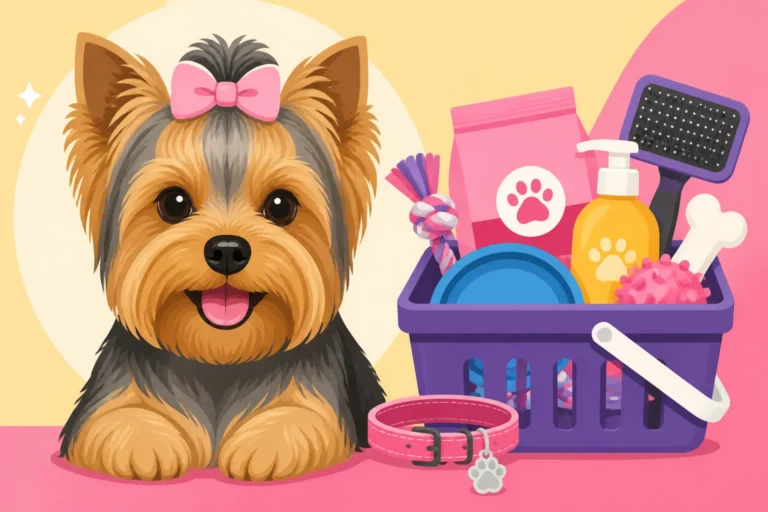
Yorkshire Terrier Price in Arizona
Trying to figure out the exact cost of a Yorkshire Terrier in Arizona can feel like navigating a maze, especially with so many different sources and price tags floating around. It's frustrating when you just want a clear answer but keep encountering vague ranges or, worse, prices that seem too good to be true. This guide is here to cut through the confusion and give you a realistic breakdown of what you can expect to pay for a Yorkie in the Grand Canyon State, covering everything from the initial purchase to those crucial ongoing expenses, so you can budget wisely and bring home a healthy, happy companion.
Understanding the Factors Influencing Yorkie Prices in Arizona
When you start looking for a Yorkshire Terrier in Arizona, you'll quickly notice that prices aren't one-size-fits-all. Several key factors contribute to the final price tag, and understanding these can help you discern a fair deal from an unrealistic one. It's not just about finding a cute puppy; it's about investing in a healthy, well-socialized companion, and that investment is reflected in the cost.
Breeder Reputation and Experience
One of the biggest drivers of a Yorkie's price in Arizona is the reputation and experience of the breeder. Established, ethical breeders in areas like Phoenix, Scottsdale, or Tucson often invest significant time, money, and expertise into their breeding programs. This includes comprehensive health screenings for parent dogs to rule out common breed-specific issues like patellar luxation or portosystemic shunt, ensuring proper nutrition, providing early socialization for puppies, and offering health guarantees. These breeders typically adhere to strict standards, often registering with organizations like the American Kennel Club (AKC), which adds to their credibility and, consequently, the price.
A responsible breeder won't just hand over a puppy; they'll provide vaccination records, deworming schedules, and often a spay/neuter contract. They'll also be a lifelong resource for you as your Yorkie grows. On the flip side, someone selling puppies out of their backyard with no health clearances or guarantees will naturally charge less, but the long-term costs in potential vet bills could far outweigh any initial savings. When considering how to find a reputable Yorkie breeder, remember that transparency and a willingness to answer all your questions are key indicators.
Puppy vs. Adult Yorkies
The age of the Yorkshire Terrier also plays a significant role in its price. Puppies, especially those between 8 and 12 weeks old, are generally the most expensive. Everyone loves a tiny, fluffy puppy, and their demand drives up the cost. During these crucial early weeks, breeders are covering costs for vaccinations, vet checks, deworming, and sometimes microchipping, all of which are factored into the puppy’s price.
Older Yorkies, whether young adults or seniors, often come at a lower cost, especially if they are being rehomed or adopted from a rescue. While they might not have that "fresh puppy" appeal, adult Yorkies can be wonderful companions, often already house-trained, socialized, and past the challenging puppy chewing phase. Adopting an adult Yorkie can be a fantastic option, and many times, their personality is already well-established, making it easier to find a dog that fits your lifestyle.
Pedigree and Bloodline
The lineage of a Yorkshire Terrier can dramatically influence its price. Yorkies from champion bloodlines, meaning their parents or grandparents have won titles in dog shows, will command premium prices. These dogs are bred to meet the breed standard in terms of appearance, temperament, and health, and a lot of effort goes into maintaining these lines. If you're looking for a show-quality Yorkie or simply appreciate the assurance of excellent genetics and conformation, you can expect to pay significantly more.
For most pet owners, a Yorkie from a reputable breeder with healthy, well-tempered parents is perfectly sufficient, even without an extensive champion pedigree. While a strong lineage offers a certain prestige, it's not a prerequisite for a loving family pet. It’s important to clarify with breeders whether their prices reflect show potential or simply good pet quality.
"Teacup" or "Mini" Yorkies
You might come across terms like "Teacup Yorkie" or "Mini Yorkie" when browsing online or talking to breeders in Arizona. These terms, while popular, are not officially recognized by kennel clubs like the AKC. They generally refer to Yorkshire Terriers bred to be significantly smaller than the standard breed size, often weighing under 4 pounds as adults. While their tiny stature can be incredibly appealing, "teacup" Yorkies often come with a higher price tag due to their perceived rarity and demand.
However, it’s crucial to be aware that these exceptionally small dogs can be prone to a host of health problems, including hypoglycemia, fragile bones, and organ issues, which can lead to considerable veterinary expenses down the line. Many ethical breeders actively discourage breeding for such small sizes due to the associated health risks. Always prioritize health over size, and be wary of any breeder promoting "teacup" Yorkies excessively without clear health guarantees and transparency about potential risks. You might want to consider how long do Teacup Yorkies live when making your decision.
Coat Color and Rarity
The standard Yorkshire Terrier coat is a distinct steel blue and tan. However, variations in coat color, sometimes referred to as "Parti Yorkies" (blue, white, and tan), "Golden Yorkies," or even "Chocolate Yorkies," exist. These color variations are often a result of recessive genes or crosses with other breeds, and they are not recognized by the AKC breed standard for Yorkshire Terriers.
When these unusual colors appear, breeders sometimes market them as "rare" and charge a premium. While these dogs can be beautiful and unique, it’s important to understand that their color doesn't necessarily indicate higher quality or better health. In some cases, breeders might specifically breed for these non-standard colors, which may prioritize appearance over health and temperament. A responsible owner will prioritize a healthy, well-bred dog of standard coloration over a "rare" colored one with a questionable background.
Average Yorkshire Terrier Price Ranges in Arizona
Now, let's get down to the numbers. The cost of a Yorkshire Terrier in Arizona can swing quite a bit depending on where you're looking and the specific circumstances. It’s easy to get sticker shock or, conversely, become suspicious of a price that seems too low. Here’s a breakdown of what you might encounter.
Breeder Prices by Region in Arizona
In Arizona, the price of a Yorkshire Terrier from a reputable breeder typically falls within a broad range, generally from $1,500 to $4,000. The exact price can depend heavily on the breeder's location and their specific breeding program.
- Phoenix and Scottsdale: In metropolitan areas like Phoenix and Scottsdale, where the cost of living is higher and demand for popular breeds is strong, you might see prices leaning towards the higher end of the spectrum, possibly $2,500 to $4,000. Breeders here often have state-of-the-art facilities and easier access to specialized veterinary care, which adds to their overhead.
- Tucson: Prices in Tucson might be slightly less than in Phoenix, perhaps ranging from $2,000 to $3,500, but still reflect the quality and care from responsible breeders.
- Northern Arizona (Flagstaff, Prescott): In more rural or less densely populated areas like Flagstaff or Prescott, you might find prices at the lower end of the reputable breeder scale, perhaps $1,500 to $2,500. However, this isn't a hard and fast rule; an exceptional breeder anywhere in the state will still command a fair price for their quality dogs.
These prices generally include initial vet checks, first vaccinations, deworming, and sometimes a microchip. Many breeders will also provide a puppy starter kit, a bag of their current puppy food, and a comprehensive health guarantee. This range accounts for pet-quality Yorkies from reputable sources. Show-quality puppies with champion potential or from highly sought-after lines could easily exceed $4,000.
Rescue and Adoption Fees
If you're open to providing a loving home to a Yorkie in need, rescue organizations and local shelters are excellent options. The adoption fees are significantly lower than breeder prices, usually ranging from $250 to $700. These fees typically cover a portion of the costs incurred by the rescue, such as spaying or neutering, vaccinations, microchipping, and any necessary medical treatment the dog received while in their care.
Arizona has several wonderful rescue groups, both breed-specific and general, that occasionally have Yorkshire Terriers available. Organizations like the Arizona Small Dog Rescue or smaller, local Yorkie-specific rescues in cities like Glendale or Mesa are great places to start. Adopting also means you're giving a second chance to a dog that desperately needs a home, and many adult rescue Yorkies are already house-trained and past the puppy mischief stage. The process for Yorkie rescue: how to adopt usually involves an application, an interview, and sometimes a home visit.
Pet Store Prices
Pet stores in Arizona, particularly those that source from commercial breeders or puppy mills, can also sell Yorkshire Terriers. Prices here are often comparable to or even higher than those from reputable breeders, sometimes ranging from $2,000 to $5,000 or more. While the convenience of walking into a store and leaving with a puppy immediately is appealing, it's crucial to exercise caution.
Many pet store puppies come from large-scale breeding operations where the focus is on volume rather than the health and welfare of the dogs. This can lead to puppies with underlying health issues, behavioral problems, or genetic conditions that might not become apparent until later. Always inquire about the source of a pet store puppy, ask to see the parent dogs' health clearances, and demand full transparency. In many cases, the higher price in a pet store does not equate to higher quality or healthier dogs, making adoption or purchasing from a reputable private breeder a more ethical and often safer choice.
Here's a quick comparison of Yorkie acquisition costs in Arizona:
| Source | Typical Price Range in Arizona | What's Usually Included | Pros | Cons |
|---|---|---|---|---|
| Reputable Breeder | $1,500 – $4,000 | Initial vet checks, vaccinations, deworming, health guarantee | Known lineage, health screenings, breeder support, healthy puppies | Higher initial cost, waitlists, extensive vetting by breeder |
| Rescue/Shelter | $250 – $700 | Spay/neuter, vaccinations, microchip, basic medical care | Lower cost, giving a dog a second chance, often pre-trained adults | Limited availability, unknown history, potential behavioral issues (though often addressed) |
| Pet Store | $2,000 – $5,000+ | May include basic vet check, initial shots (variable) | Immediate availability, convenience | Often higher prices, potential for supporting puppy mills, uncertain health/temperament |
Beyond the Initial Purchase Price: Ongoing Costs in Arizona
Bringing home a Yorkshire Terrier is much more than just the initial purchase price. Just like living in Arizona, there are ongoing expenses that every responsible pet parent needs to budget for. Thinking about the cost of owning a Yorkshire Terrier per month can help you prepare for the long-term commitment. Ignoring these recurring costs can lead to financial strain and, worse, compromise your Yorkie's well-being.
Essential Supplies and Initial Setup
When your new Yorkie first arrives in your Arizona home, you'll need a "puppy starter kit." These initial supplies can easily add up to $300 to $800, depending on your choices.
- Crate: A cozy crate is essential for potty training and providing a safe den. Expect to spend $40-$100.
- Bed: A comfortable bed for lounging outside the crate, possibly a washable one, will cost $30-$80.
- Food and Water Bowls: Stainless steel or ceramic bowls are best, costing around $20-$50.
- Leash and Harness: For a small breed like a Yorkie, a harness is generally preferred over a collar to protect their delicate trachea. A good quality harness and leash might be $30-$60. For more on this, check out why harnesses are better than collars for Yorkies.
- Toys: A variety of safe, size-appropriate toys for chewing, mental stimulation, and play will run you $20-$50. Brands like Chewy offer a wide selection of these initial essentials, often with competitive pricing and convenient delivery right to your Arizona doorstep.
- Grooming Tools: Even if you plan on professional grooming, a basic brush, comb, and nail clippers are crucial for at-home maintenance, costing around $30-$70.
- Potty Training Supplies: Puppy pads, enzymatic cleaner, and a dedicated outdoor potty spot or designated litter area.
Veterinary Care and Health Budget
Regular veterinary care is non-negotiable for a Yorkie's long-term health, and you'll want to factor in these costs, especially in a state like Arizona where specialized care can vary in price.
- Puppy Vaccinations and Check-ups: For a puppy, expect several vet visits for their initial vaccination series, deworming, and general health checks. This could be $200-$500 in the first year alone. A Yorkshire Terrier puppy health guide can help you keep track of what's needed.
- Spay/Neuter: This procedure is usually performed around 6 months of age and can cost $200-$500, depending on the clinic and location in Arizona.
- Annual Wellness Exams: Even healthy adult Yorkies need annual check-ups, which typically cost $50-$150 per visit, not including any additional tests or vaccinations like rabies, distemper, or kennel cough boosters (another $50-$150 annually).
- Dental Care: Yorkies are particularly prone to dental disease. Professional dental cleanings under anesthesia can cost anywhere from $400 to $1,000+ in Arizona, depending on the severity and if extractions are needed. This is often an annual or biennial expense as your Yorkie ages. You can learn more about this in our Yorkshire Terrier dental care guide.
- Emergency Fund/Pet Insurance: Yorkies, despite their robust personalities, can be prone to certain health issues like patellar luxation, collapsing trachea, and hypoglycemia. Having an emergency fund of at least $1,000-$3,000 or pet insurance is highly recommended. Providers like Healthy Paws offer various plans that can significantly offset unexpected vet bills, giving you peace of mind. Without insurance, a single emergency could easily cost hundreds to thousands of dollars. For a deeper dive into financial planning, consult the article on Yorkshire Terrier vet costs and health budget.
Grooming Expenses
Yorkies have a luxurious, continuously growing coat that requires regular grooming to prevent matting and keep them looking their best.
- Professional Grooming: If you opt for professional grooming in Arizona, which many Yorkie owners do, expect to pay $50-$90 every 4-8 weeks. This typically includes a bath, blow-dry, brush-out, trim, nail clipping, and ear cleaning. The exact cost can vary by groomer and your Yorkie's coat condition.
- At-Home Grooming Supplies: Even with a professional groomer, daily brushing is crucial. High-quality brushes, combs, and pet-specific shampoos can cost $50-$100 upfront, with replacement products needed every few months. Our Yorkshire Terrier grooming guide provides excellent tips for home care.
Food and Nutrition
Feeding your Yorkie a high-quality diet is paramount for their health and energy levels. While Yorkies are small, their food budget is still an ongoing consideration.
- Kibble/Wet Food: Expect to spend $25-$60 per month on quality dog food. Smaller breeds like Yorkies benefit from kibble designed for small dogs, which aids in dental health and portion control. Brands like Royal Canin or Hill's Science Diet offer breed-specific or small-breed formulas.
- Fresh Food Diets: Some owners opt for fresh, human-grade food delivery services. Companies like Ollie provide customized meal plans that can range from $50-$100+ per month for a small dog, depending on the portion size and specific recipe. While more expensive, many owners feel the health benefits are worth the investment.
- Treats: Training treats, dental chews, and occasional snacks can add another $10-$30 to your monthly budget.
- Supplements: Depending on your Yorkie's needs, your vet might recommend supplements for joint health, skin and coat, or digestion. These could add $20-$50 monthly. You can learn more about optimizing their diet in our Yorkshire Terrier feeding guide by age.
How to Find a Reputable Yorkie in Arizona Without Breaking the Bank
Finding a Yorkshire Terrier in Arizona, especially if you're mindful of your budget, requires a thoughtful approach. While it might be tempting to jump at the lowest price, a little research and patience can save you a lot of heartache (and money) in the long run.
Identifying Reputable Breeders
If your heart is set on a puppy, starting with reputable breeders is paramount. In Arizona, this means looking for breeders who prioritize health, temperament, and ethical practices over quick sales.
- Research and References: Start by researching breeders listed with the AKC Marketplace, which often lists breeders by state. Ask for referrals from local veterinarians or trusted Yorkie owners. A good breeder will have a waiting list, indicating demand and quality.
- Health Clearances: This is non-negotiable. Reputable breeders will be transparent about the health testing performed on both parent dogs for genetic conditions common in Yorkies, such as patellar luxation, liver shunts, and eye conditions. They should provide documentation of these screenings. Don't be shy about asking to see OFA (Orthopedic Foundation for Animals) or CERF (Canine Eye Registry Foundation) certifications.
- Visit the Facility: If possible, visit the breeder's home or kennel. A clean, safe, and stimulating environment for the puppies and their parents is a huge green flag. Observe the temperament of the parent dogs; this will give you an idea of what your puppy might be like.
- Ask Lots of Questions: A reputable breeder will welcome your questions and ask you plenty in return to ensure their puppies go to good homes. Ask about their breeding philosophy, socialization practices, diet, and what support they offer after you take your puppy home. This relationship with the breeder can be invaluable for the life of your dog. Avoid breeders who push for a quick sale, refuse to let you meet the parents, or don't offer a health guarantee. For more detailed guidance, read how to find a reputable Yorkie breeder.
Exploring Adoption and Rescue Options
Adopting a Yorkie from a rescue group or shelter in Arizona can be a incredibly rewarding experience and is often more budget-friendly initially.
- Breed-Specific Rescues: Search for "Yorkshire Terrier rescue Arizona" online. Many states have dedicated rescues for specific breeds. These organizations specialize in Yorkies, understand their unique needs, and often place them in foster homes, which allows for better assessment of their temperament and behavior.
- All-Breed Shelters: Don't overlook local animal shelters in your city (Phoenix, Mesa, Tucson, etc.). While they may not always have Yorkies, you might find a purebred or a Yorkie mix waiting for a forever home. Websites like Petfinder.com and Adoptapet.com allow you to search for specific breeds in your area.
- What to Expect: Adoption processes usually involve an application, a vet reference check, and an interview. The adoption fee, typically $250-$700, covers spay/neuter, vaccinations, and microchipping. Many rescue dogs come with some basic training and house manners, which can be a huge bonus. This approach is a fantastic way to give a deserving dog a second chance and is a truly heartwarming option. Consider the merits of adopting vs buying a Yorkshire Terrier.
Avoiding Scams and Unethical Practices
Unfortunately, the demand for popular breeds like Yorkies can attract unscrupulous individuals looking to make a quick profit.
- Beware of "Too Good to Be True" Prices: If a Yorkie puppy from a "breeder" in Arizona is priced significantly lower than the average range (e.g., under $1,000), it's a major red flag. This often indicates a backyard breeder who cuts corners on health testing, proper nutrition, and vet care, or even a puppy mill.
- No Health Guarantees or Contracts: Ethical breeders provide written health guarantees and contracts. If a seller is hesitant or refuses to offer one, walk away. This protects both you and the puppy.
- Online Sellers Without Physical Meetings: Be extremely cautious of individuals selling puppies exclusively online or through classified ads who refuse in-person meetings. Never agree to have a puppy shipped to you without seeing the puppy and its living conditions first. Puppy scammers often operate this way, sometimes taking your money without ever providing a dog.
- Demand for Cash Only: While some small breeders prefer cash, if it's the only payment option and they pressure you, be wary. This can be a sign of avoiding legitimate business practices.
- "Teacup" Peddlers: As mentioned earlier, be extra cautious with breeders pushing "teacup" Yorkies. Many are not bred responsibly and carry higher health risks. Recognize the signs of Yorkie breeder red flags to avoid to protect yourself and ensure you're getting a healthy pet.
Disclaimer
The information provided in this article is for general informational purposes only and does not constitute professional veterinary advice. Always consult with a qualified veterinarian or animal health professional for any concerns about your pet's health or before making any decisions related to their care. The prices mentioned are estimates and can vary based on location, specific breeder, market conditions, and individual circumstances.